
India’s Cheetah Project Sparked Debate Over Deaths, Transparency and Whose Expertise Counted
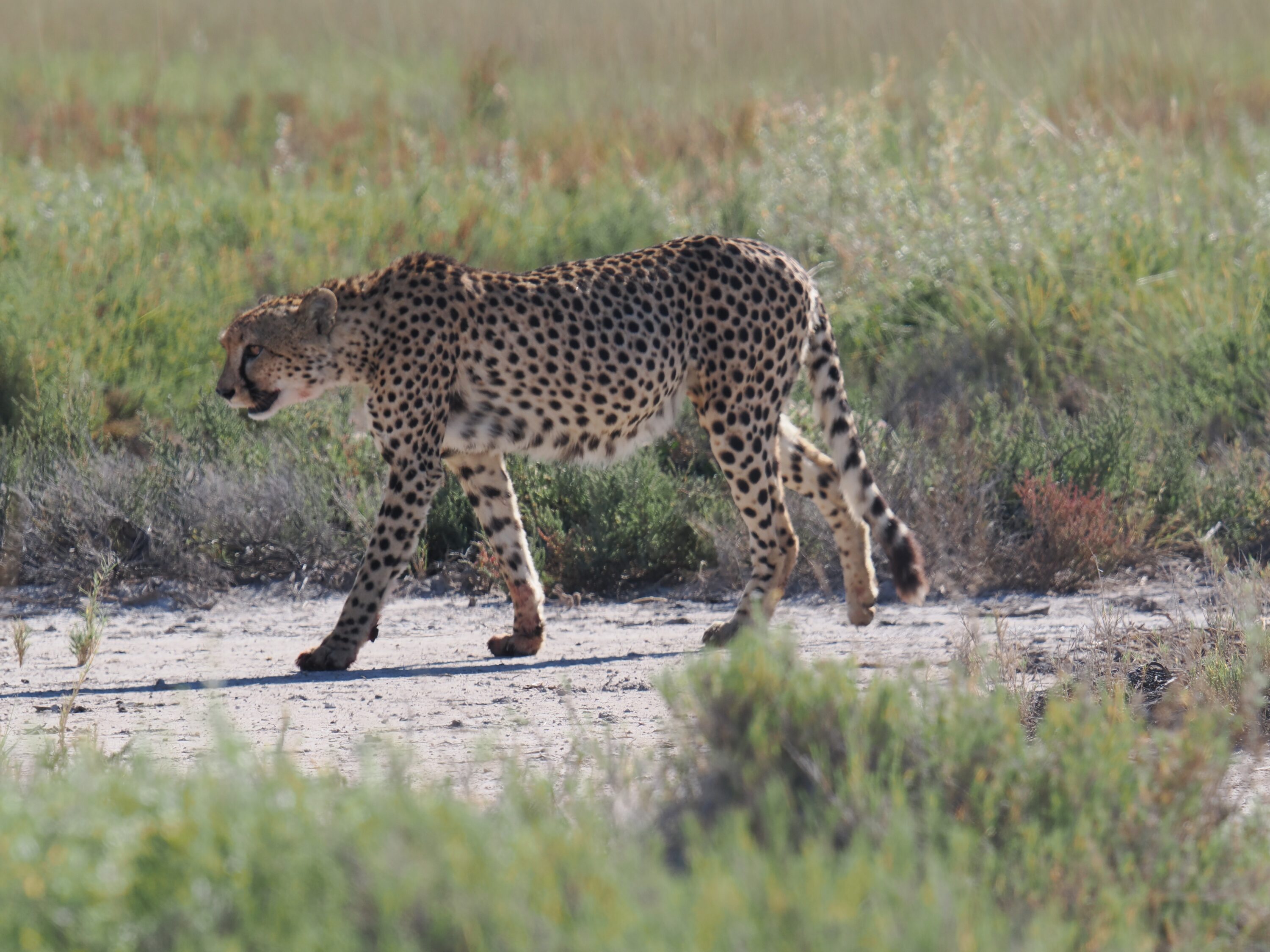
India’s Project Cheetah is an effort to reintroduce the cheetah (Acinonyx jubatus) to the country. A review published on 5 October 2026 examines not just the project’s ecological aims, but also how its risks and results have been discussed and judged. The authors focus on Kuno National Park in Madhya Pradesh and on the project period from 2022 to 2025.
The paper is a qualitative analysis of documents, not a field study or a direct survey of people involved. The authors selected 28 scientific, policy, legal, official, conservation-organisation and media documents, then manually looked for recurring themes. They considered how different ideas of conservation, access to expertise and information, communication, and governance shaped the debate. The paper does not report direct interviews; accounts described as interviews were drawn from documents.
Competing accounts of the project
In the documents analysed, official accounts presented Project Cheetah as ecological restoration and a national conservation achievement. Critical accounts raised questions about habitat suitability, animal deaths, transparency and the project’s long-term viability. The authors describe these as competing ways of understanding the project, rather than concluding that it was simply a success or a failure.
They also identify limited stakeholder participation, uneven access to project information and fragmented communication as factors that, in their interpretation, contributed to mistrust. In this context, the paper’s discussion of “epistemic injustice” concerns whose knowledge and expertise are heard or given influence. The authors argue that these differences can affect how conservation decisions are made and how outcomes are interpreted.
The review reports that by late April 2025, 8 of the 20 founding adults and 5 cubs had died, while 22 cubs had been born. These are figures reported for that cutoff in the paper; they should not be read as an update on the project’s later status. The figures provide context for the debate described by the authors, but the review’s central analysis is about how information, expertise and competing conservation visions shaped that debate.
The authors also report an association between shorter cheetah survival times and the period following a change in project coordination. They suggest that disruption to management may have contributed to mortality. However, the paper does not describe a separate statistical survival analysis in its methods, and a document-based comparison cannot establish that the change in coordination caused any deaths.
Reintroducing a species involves ecological and technical questions, but this review highlights the social and institutional processes that accompany them. The authors argue that communication, public access to information and whose expertise is included can shape how a project’s risks and results are understood. They recommend more transparent communication, broader stakeholder engagement and the inclusion of social-science perspectives in conservation planning. Their analysis offers a way to understand why people can interpret the same project and reported outcomes differently, without treating those disagreements as a simple verdict on success or failure.
Management
Related news
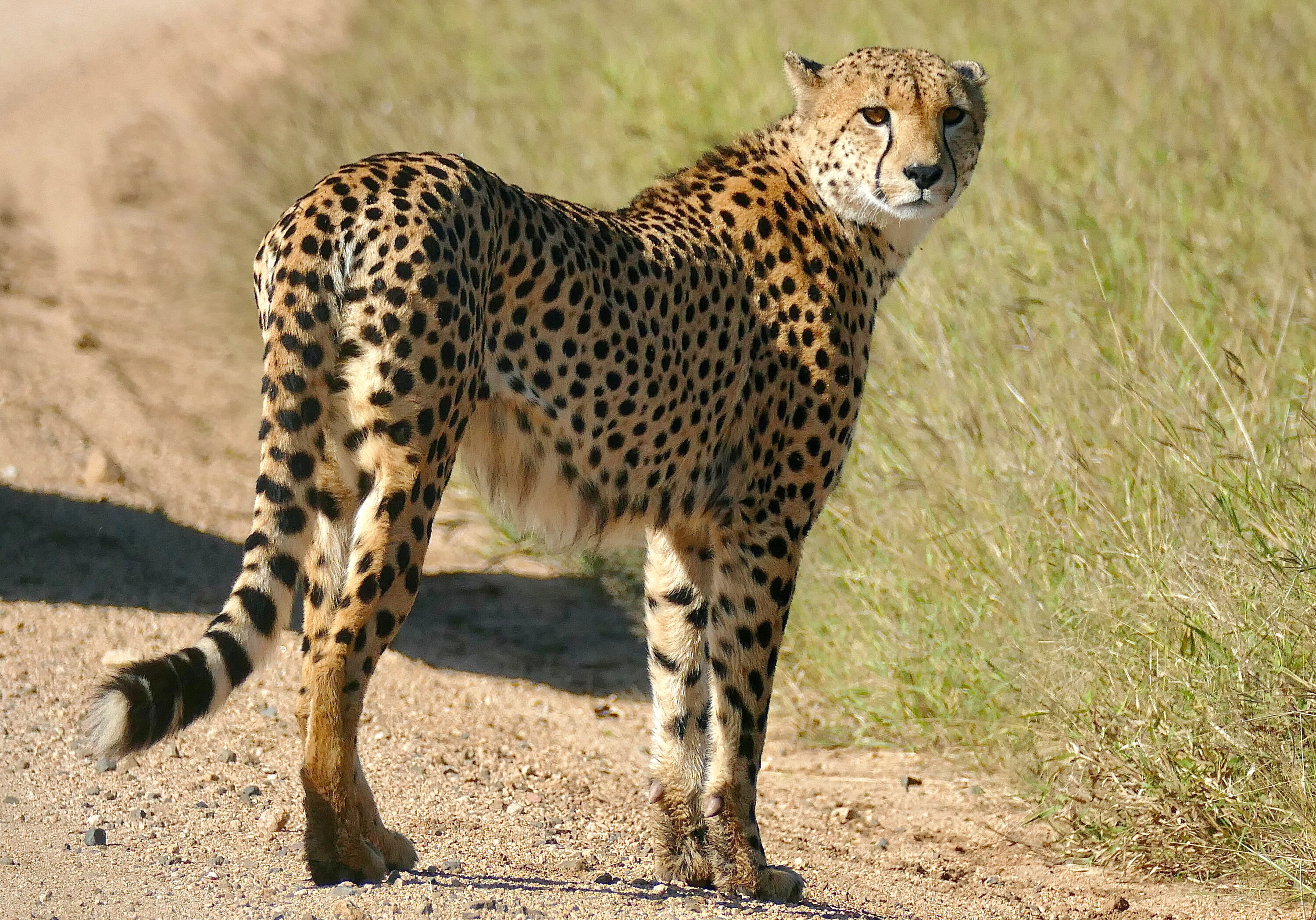
DNA Methylation Shifted as Namibian Male Cheetahs Became Territorial
Paired blood samples from ten free-ranging Namibian males revealed widespread, predominantly increased DNA methylation after the same cheetahs…
Read story →
33 Descendants of Phased-Release Cheetahs Reached Independence in South Africa
Twelve captive-origin cheetahs were phased into seven fenced reserves in South Africa. Their ranging and habitat use stabilised…
Read story →
Most of the Modelled Suitable Cheetah Habitat in Southern Africa Lies Outside Protected Areas
Modelling across Botswana, Namibia, South Africa and Zimbabwe found that about 69% of currently suitable free-roaming cheetah habitat…
Read story →SPECIES IN THIS STORY
Species in this story
Independent research and conservation news archive
Did you find this information useful?
Wildlife Vagabond is independently built and maintained. Voluntary support helps cover source verification, hosting and continued work on research and conservation news.
Support Wildlife VagabondThe news archive will remain freely available.