
Monitored New Jersey Osprey Pair Lost All Three Chicks After Signs of Food Stress
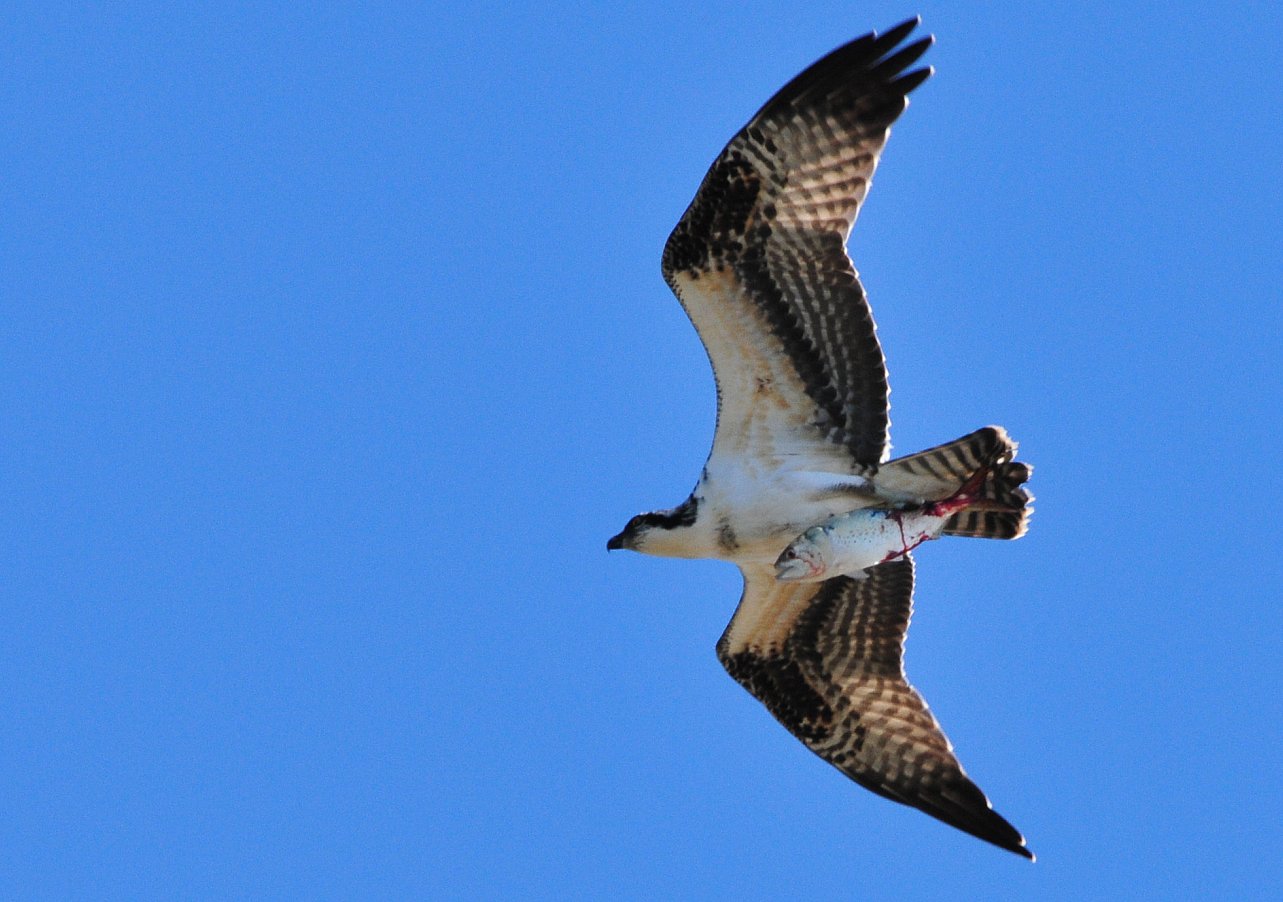
A closely monitored Osprey (Pandion haliaetus) pair in Stafford Township, New Jersey, USA, lost all three chicks during the 2026 breeding season. Senior wildlife biologist Ben Wurst of the Conserve Wildlife Foundation of New Jersey documented the brood through June and July and described increasingly clear signs of food stress as the chicks grew.
Three nestlings were present on 17 June. By 4 July, two remained; on 8 July one live chick was photographed beside a dead sibling, and two dead chicks were documented on 10 July. Wurst reports that the pair ultimately lost all three young. He described the sequence as brood reduction under food shortage, where limited prey leaves younger or weaker chicks at a disadvantage, although in this case the losses continued until the brood was gone.
Wurst also reported similar signs at other coastal New Jersey nests, including adults spending longer away foraging, chicks being left unattended while both parents searched for food and unusually small fish being brought back. He described such nest losses as common along the coast that summer. His 31 July account, however, did not provide a completed statewide 2026 total.
A regional American Birding Association review published two days earlier reported poor Osprey reproduction along much of the Atlantic Coast and linked the pattern to food stress and reduced availability of Atlantic menhaden (Brevoortia tyrannus), an important prey fish. The review also stressed that the cause of the reduced menhaden availability was not definitively known and that the full geographic scope of the Osprey losses was still being assessed.
Threats
Related news
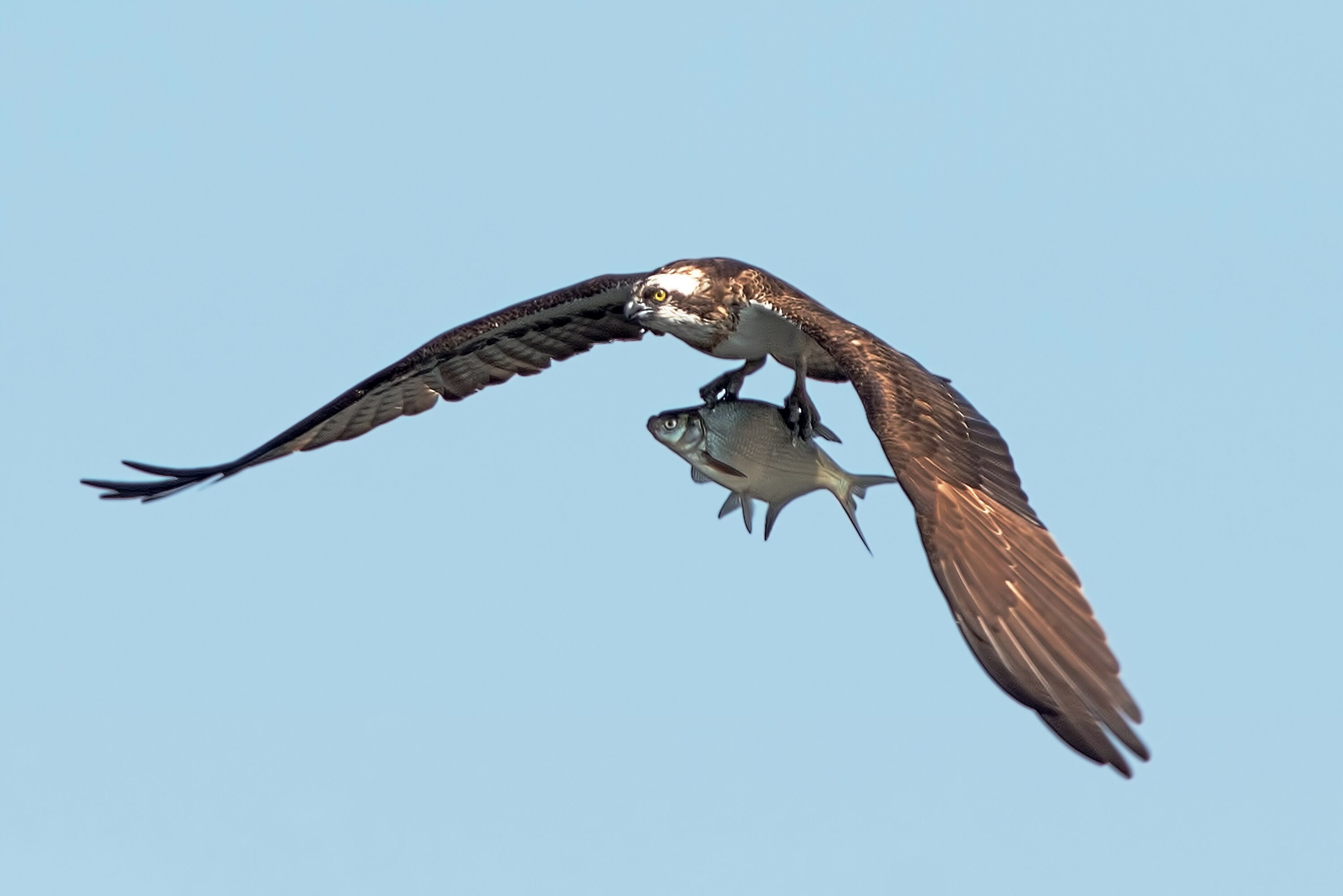
VKM: Exporting Up to 26 Osprey Young to Ireland Would Not Harm Conservation Status in Norway
VKM concluded that exporting up to 26 wild young ospreys from two Norwegian donor areas to Ireland would…
Read story →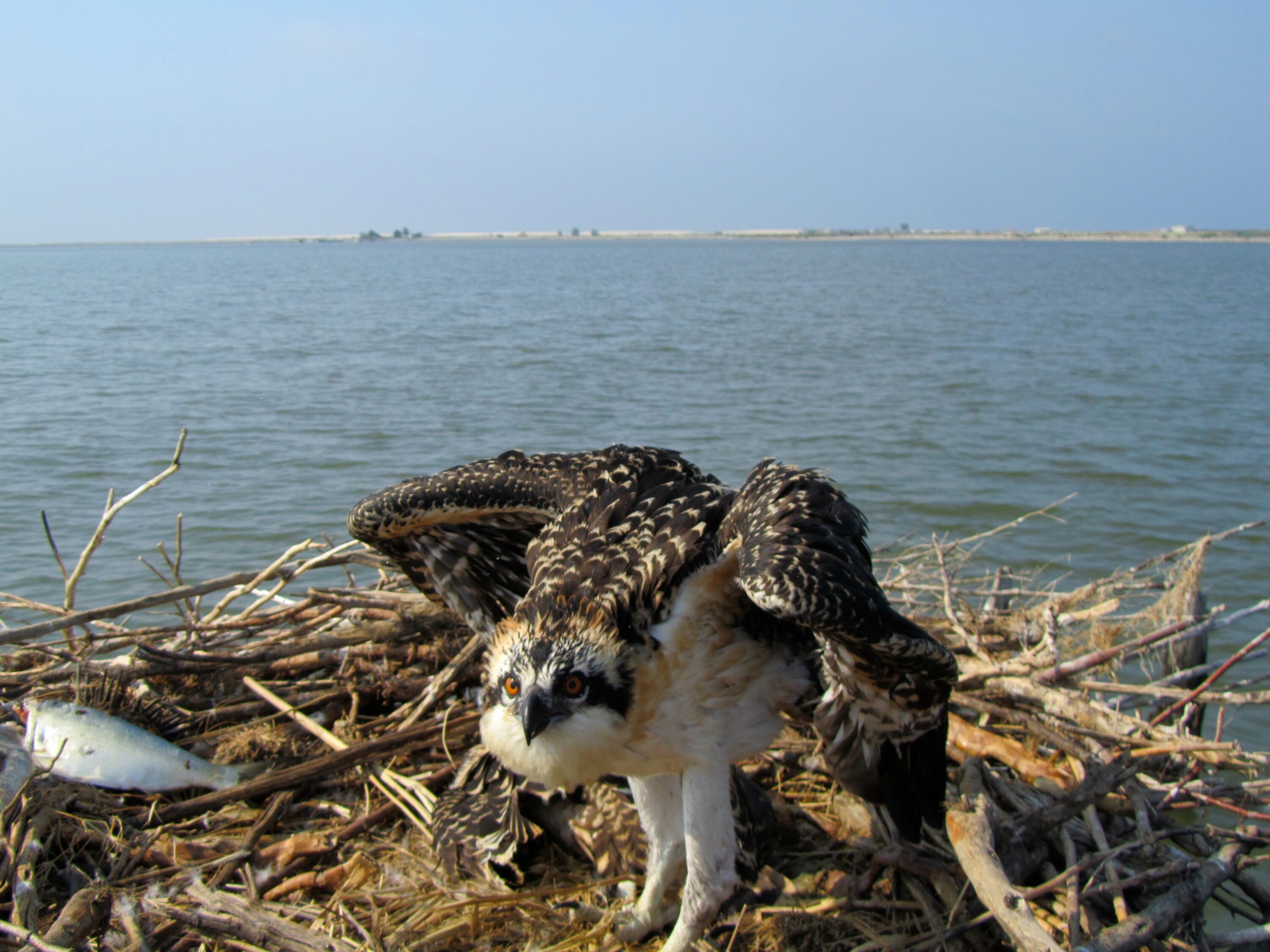
24 Osprey Chicks Fledged From 12 Rutland Nests
Rutland Osprey Project reported 24 chicks fledged from 12 nests in 2026. The season produced 14 chicks assessed…
Read story →
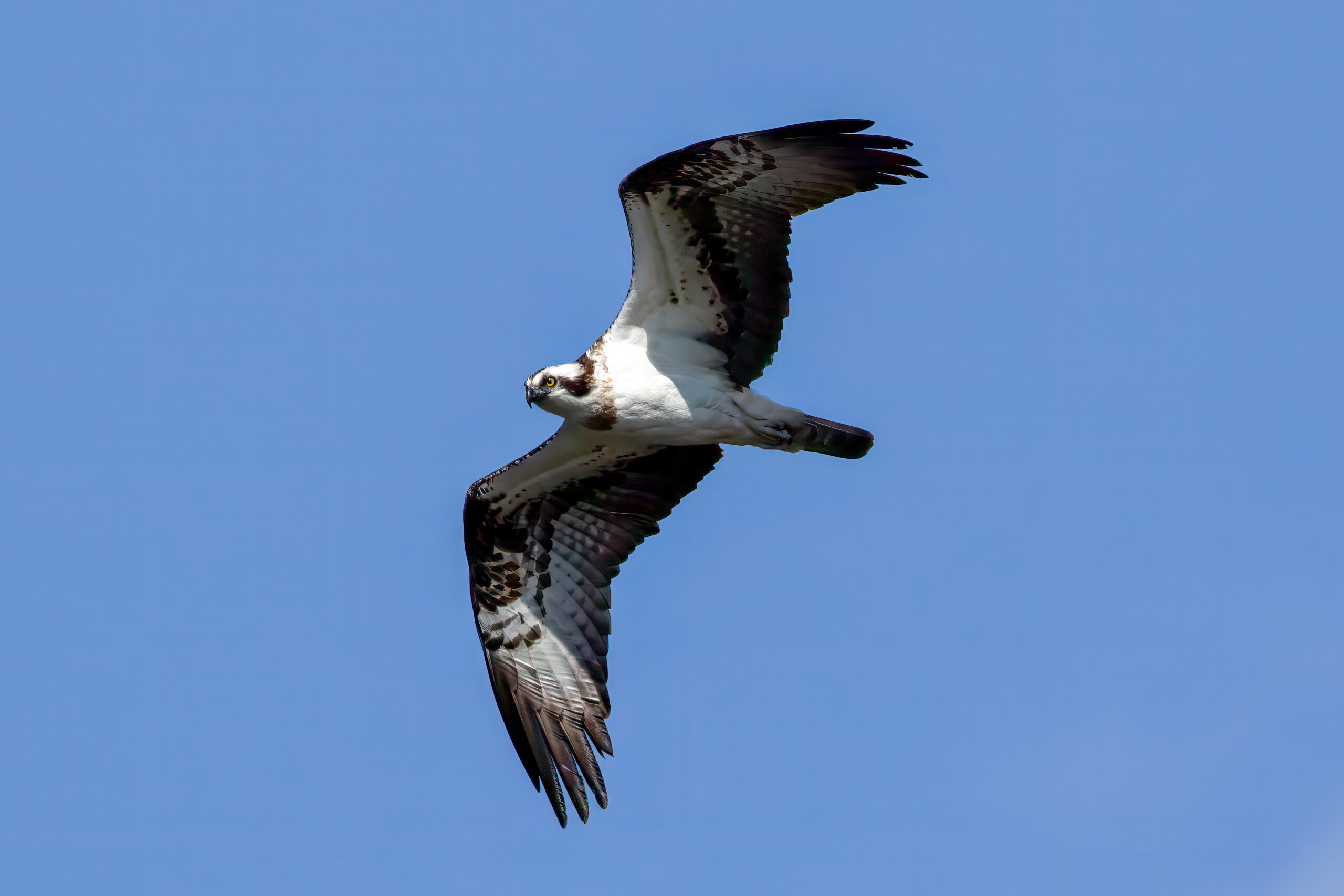
Ospreys Raised Three Chicks in Switzerland’s First Breeding in 112 Years
A male released by the Swiss reintroduction project and an unringed female of unknown origin raised three chicks…
Read story →SPECIES IN THIS STORY
Species in this story
Independent research and conservation news archive
Did you find this information useful?
Wildlife Vagabond is independently built and maintained. Voluntary support helps cover source verification, hosting and continued work on research and conservation news.
Support Wildlife VagabondThe news archive will remain freely available.