
Farmer Survey Estimated Annual Nilgai Crop Destruction Near Junagadh at 63%
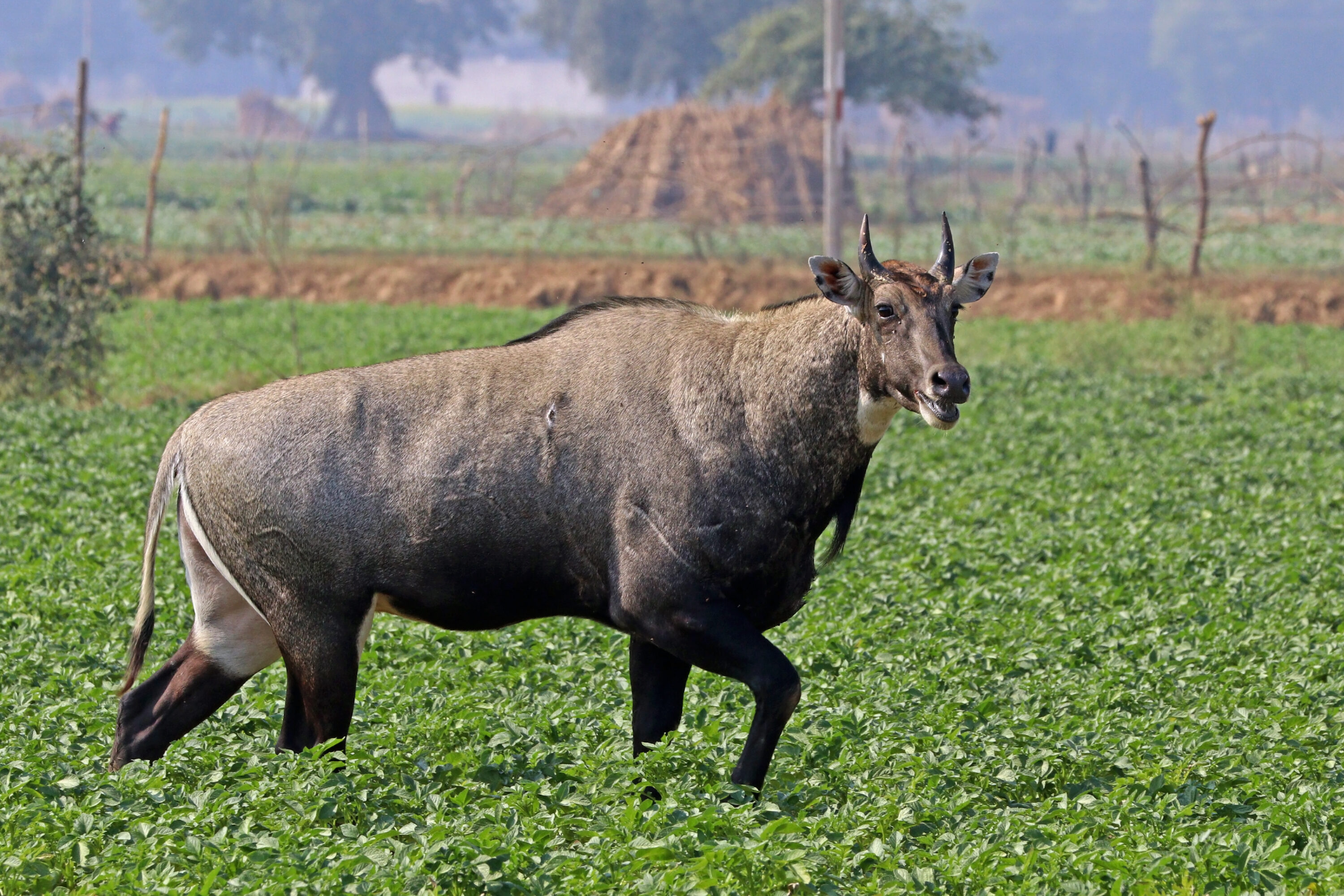
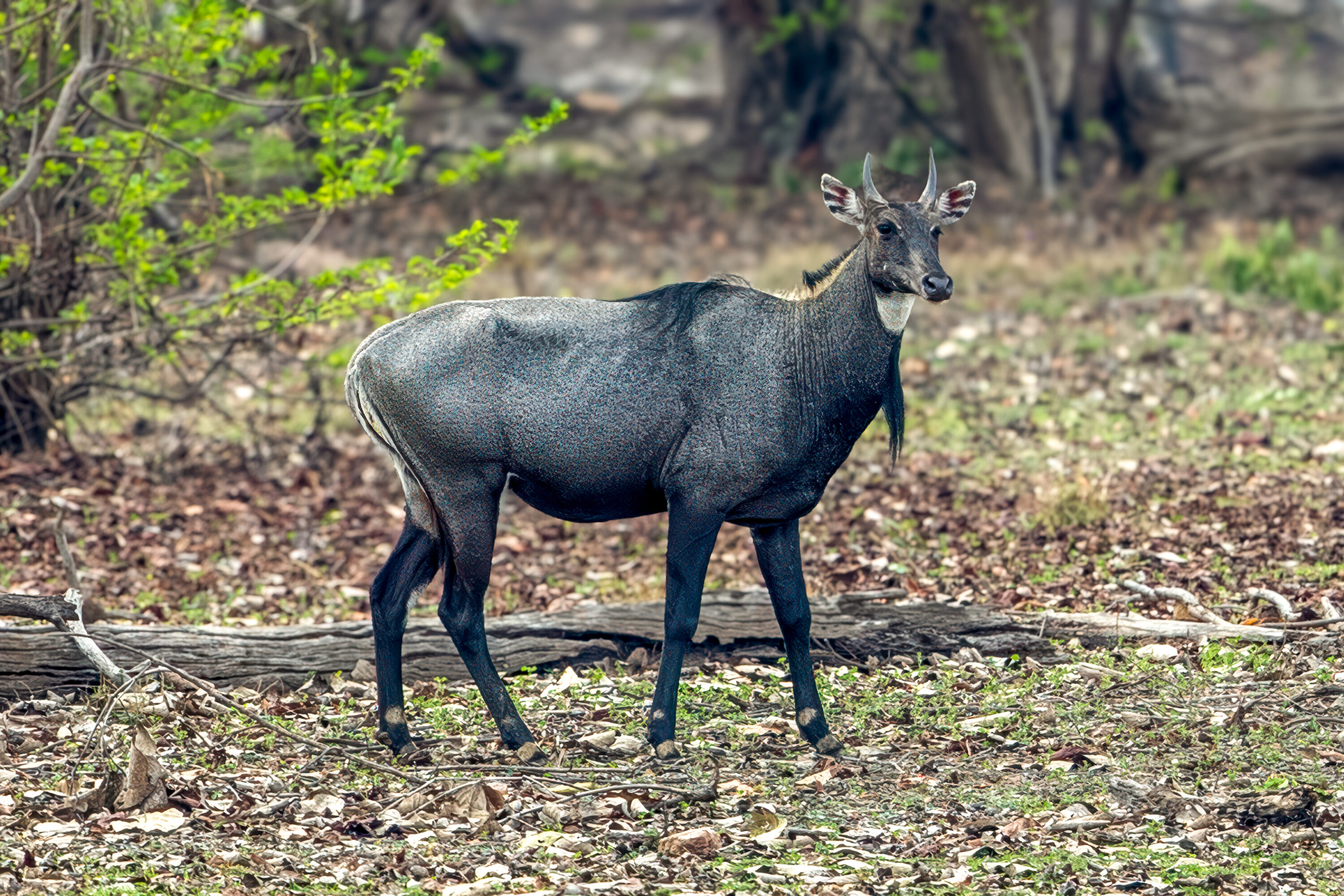
A study of nilgai (Boselaphus tragocamelus) damage in agricultural land near Junagadh, Gujarat, India, estimated annual crop destruction at 63%. The researchers surveyed farmers across eight villages to examine which crops were most affected and how nilgai use of farmland changed through the year.
Groundnut was highlighted as particularly heavily damaged. The study also reports a preference for vegetable crops over staples such as rice, wheat, mustard and maize, showing that crop vulnerability differed substantially among the foods available in the agricultural landscape.
Nilgai were reported most frequently in agricultural fields during summer and winter. During the rainy season, they generally entered fields only after crops had reached a particular growth stage, indicating that crop development as well as season influenced when farmland became attractive.
The authors describe effective control options as largely unavailable in the study area. They present the seasonal and crop-specific patterns as a basis for developing better ways to reduce losses and conflict between farmers and nilgai around Junagadh.
Human–wildlife conflict
Related news
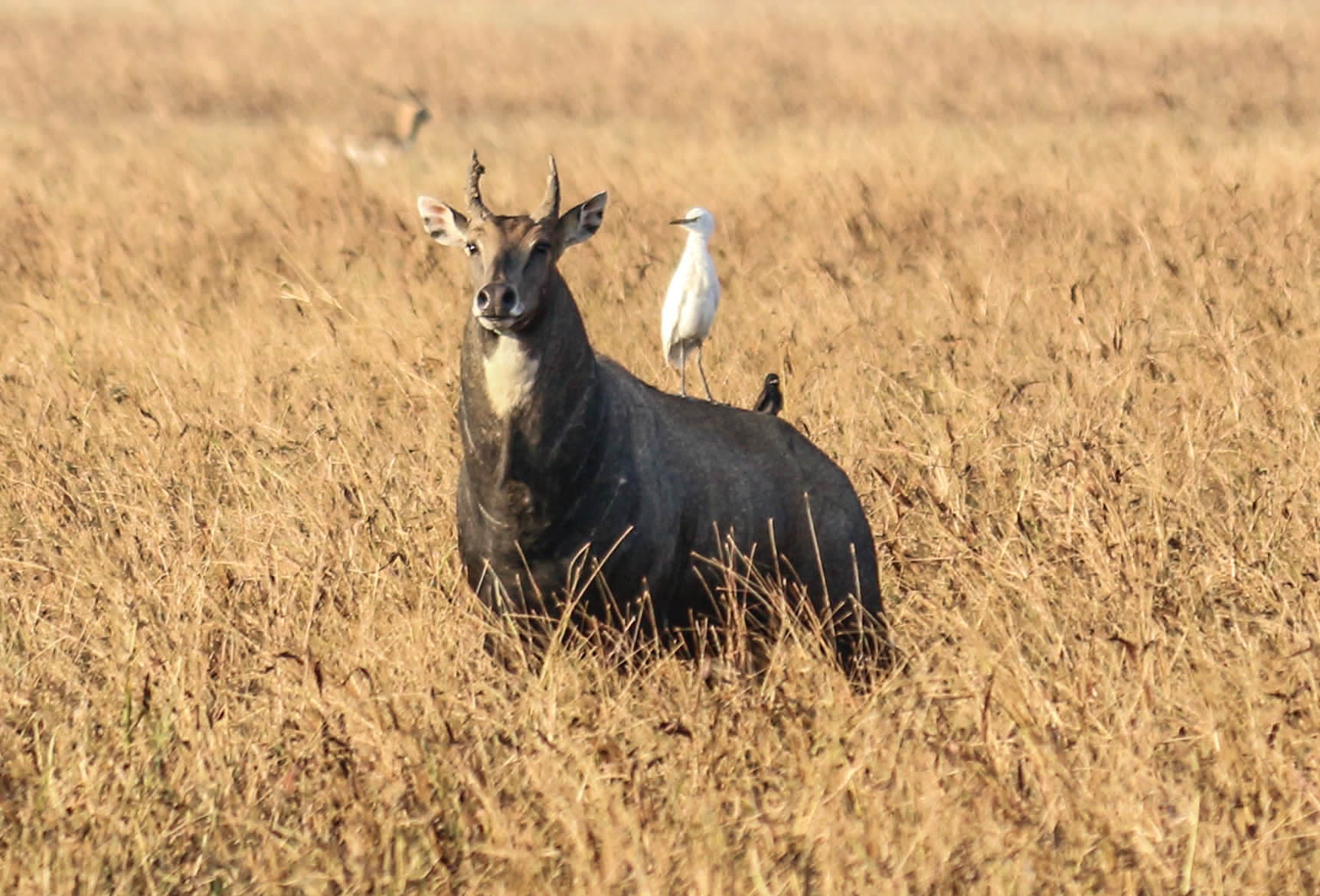
Nilgai in Kuno Selected Savanna Most Strongly at Night
A 2026 Wildlife Institute of India dissertation found that nilgai in Kuno National Park selected savanna especially at…
Read story →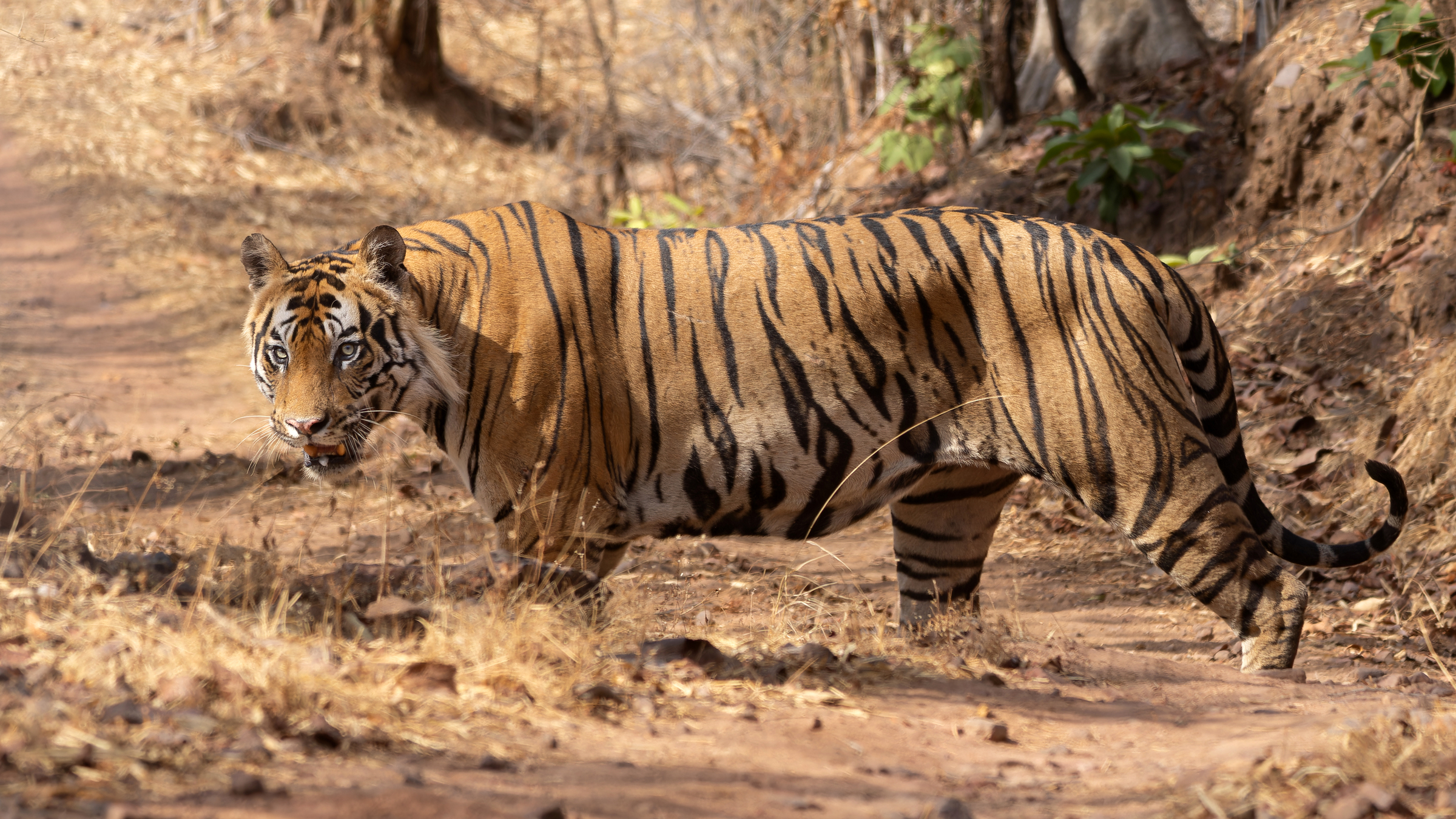
Kawal’s Prey Base Could Support About 36–41 Tigers
Twelve years of prey monitoring in India’s Kawal Tiger Reserve found rising chital density and estimated that the…
Read story →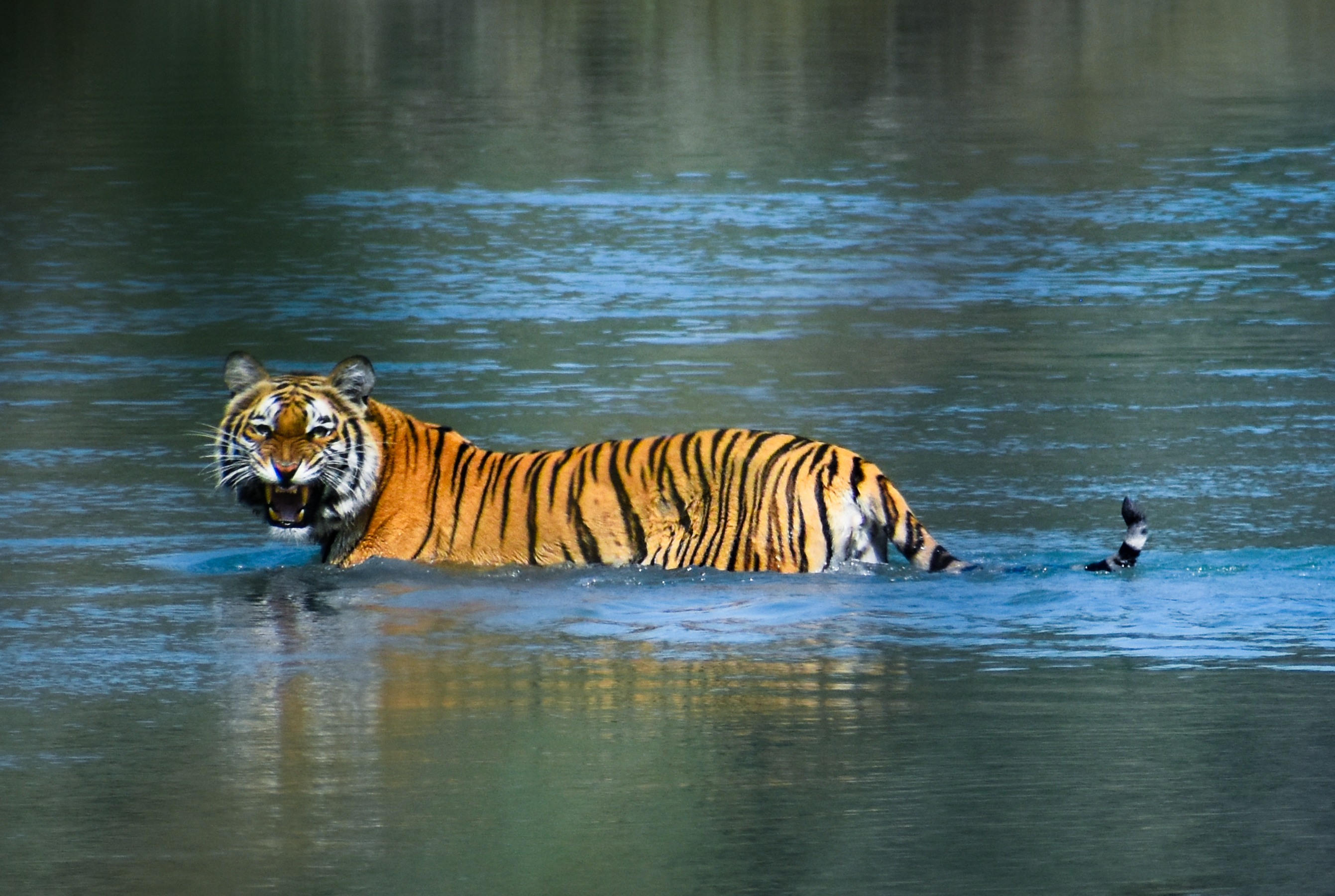
Tiger Site Use Increased While Several Prey Species Became More Diurnal During Bardia’s Lockdown
At 49 matched camera stations in Bardia National Park, tiger, wild boar and nilgai showed clear increases in…
Read story →SPECIES IN THIS STORY
Species in this story
Independent research and conservation news archive
Did you find this information useful?
Wildlife Vagabond is independently built and maintained. Voluntary support helps cover source verification, hosting and continued work on research and conservation news.
Support Wildlife VagabondThe news archive will remain freely available.