
Northern Palm Civets and Ferret-Badgers Shared Activity Times but Separated Spatially in Hainan
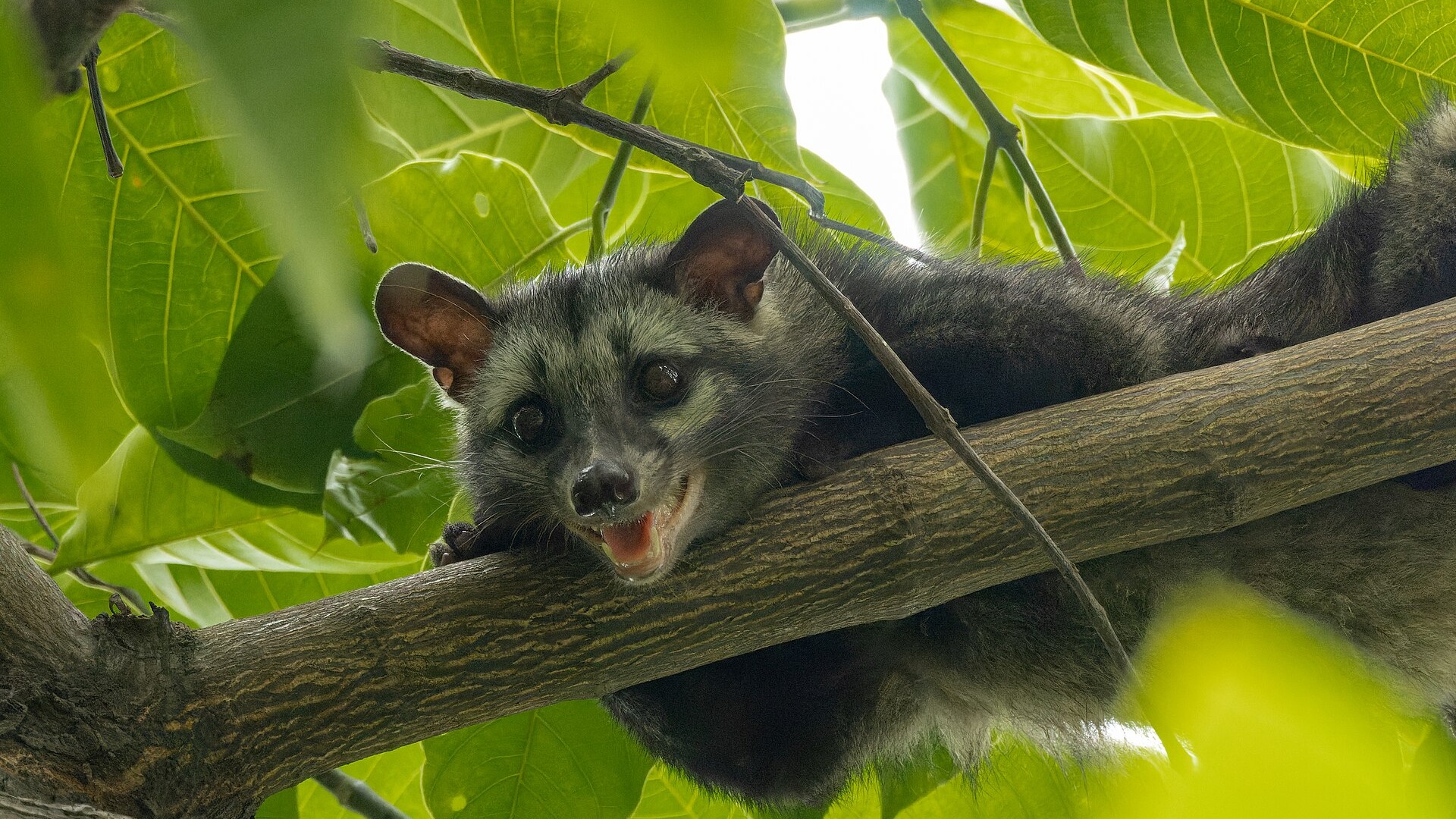
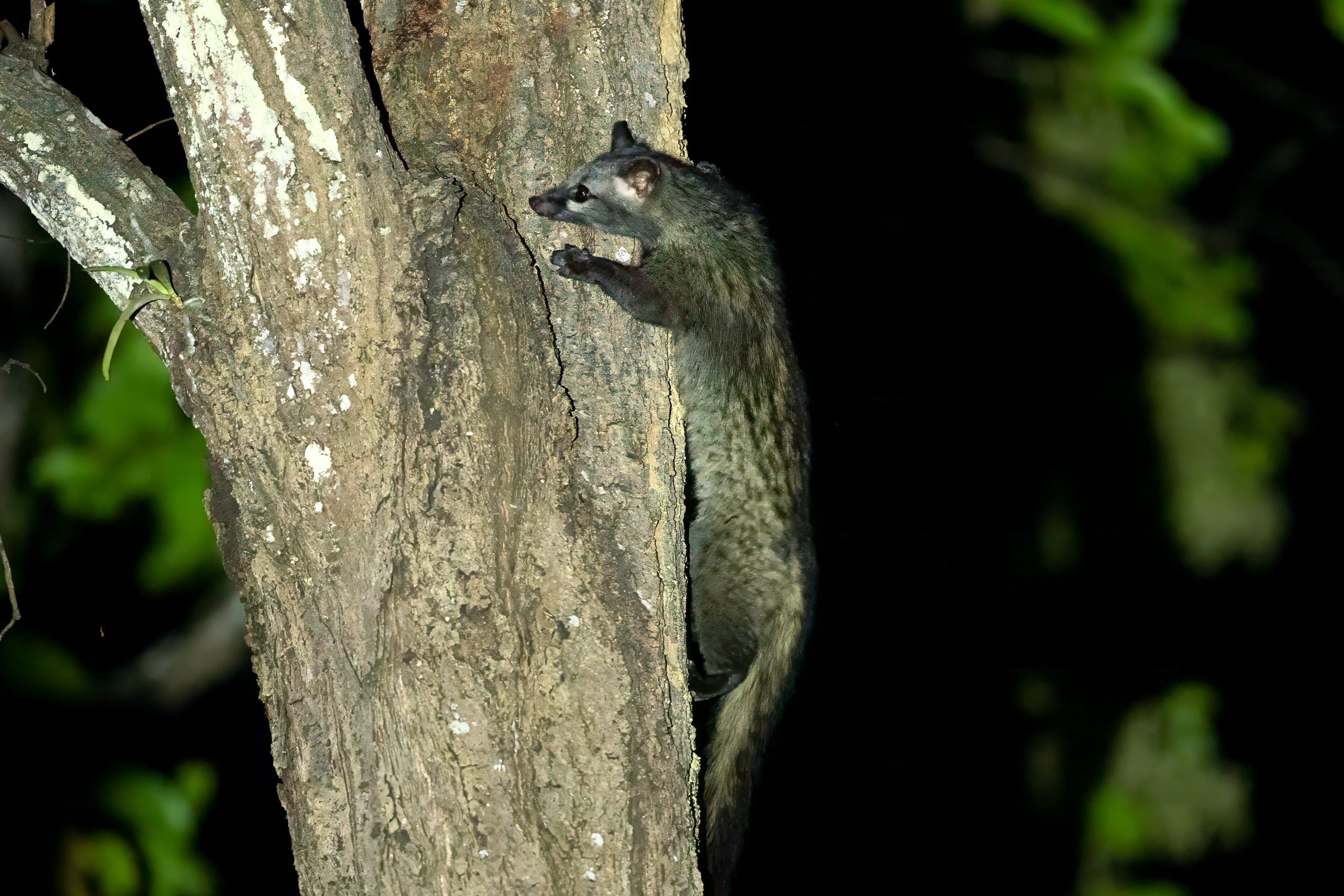
A 2026 camera-trap study in Hainan, China Tropical Rainforest National Park suggested that habitat differences were more important than different activity times in how three common medium-sized predators shared the landscape. The study focused on northern palm civet (Paradoxurus hermaphroditus), Chinese ferret-badger (Melogale moschata) and leopard cat (Prionailurus bengalensis).
Researchers analysed records from 88 camera-trap sites and compared both diel activity and overlap with important prey. Northern palm civets and Chinese ferret-badgers — the two most abundant mesopredators in the study — showed particularly high activity overlap, with an overlap coefficient of 0.87 on a scale where 1 means complete overlap, and both also overlapped strongly with the same key nocturnal prey.
Similar activity times masked clear spatial separation
Despite this temporal similarity, the two species differed in where they were most likely to occur. Northern palm civet occurrence increased with elevation and denser canopy cover, whereas Chinese ferret-badgers were more strongly associated with areas closer to roads. Leopard cats showed a different pattern and were associated with more rugged terrain.
The authors interpret habitat separation as a mechanism that can ease competition in this carnivore community, where the clouded leopard has been absent for decades. The remaining predators can use different parts of the landscape even when they are active at similar times and encounter the same nocturnal prey.
Ecology
Related news
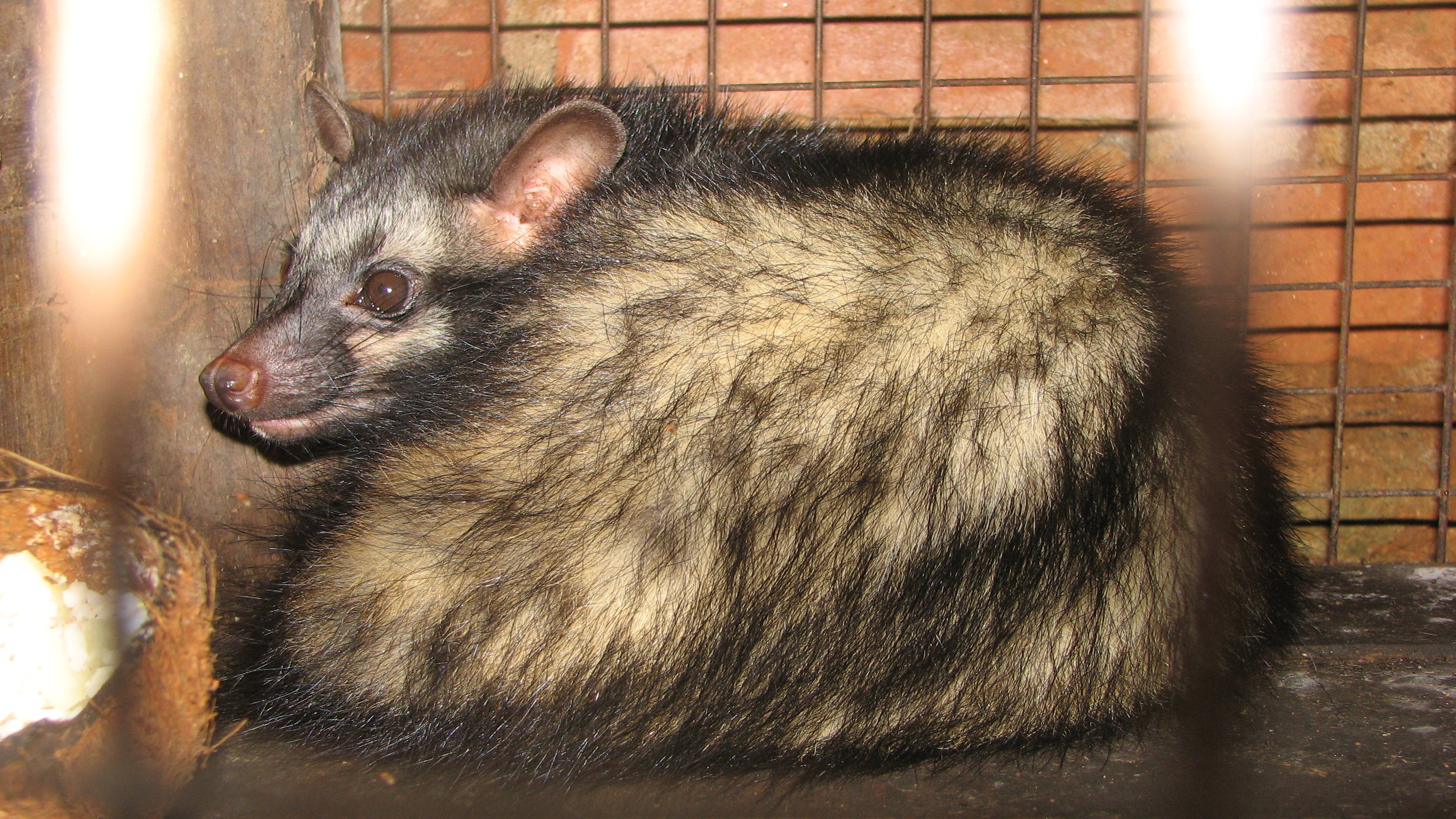
More Than Half of Surveyed Farms and Restaurants in Vietnam Said They Had Sourced Wildlife Illegally
In a 2026 study of civet and bamboo-rat supply chains in Vietnam, 34 of 63 surveyed farms and…
Read story →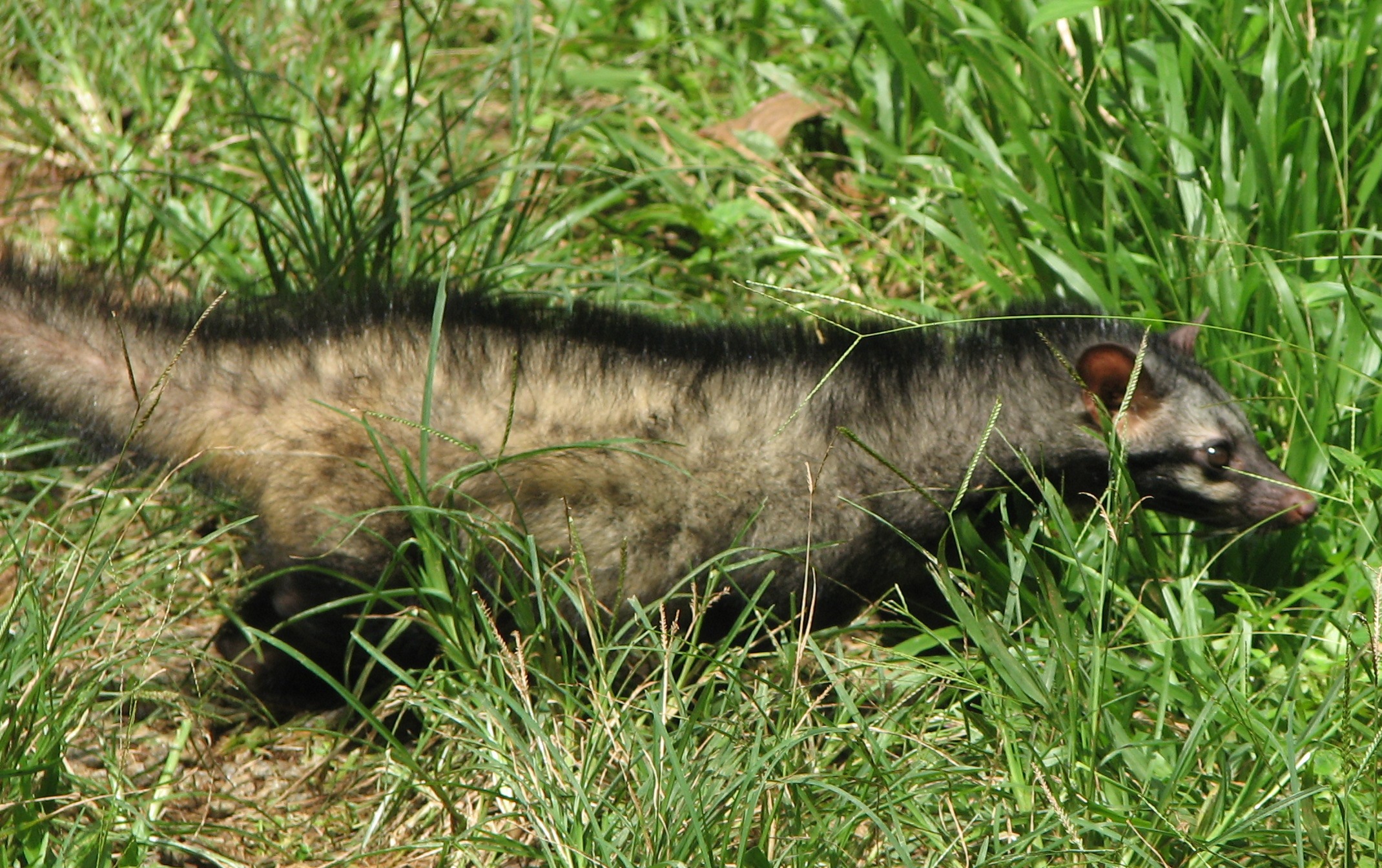
Fecal Testosterone Metabolites Were Highest in 24–36-Month-Old Male Northern Palm Civets
A 12-month captive study of 15 male northern palm civets found the highest fecal testosterone-metabolite concentrations in the…
Read story →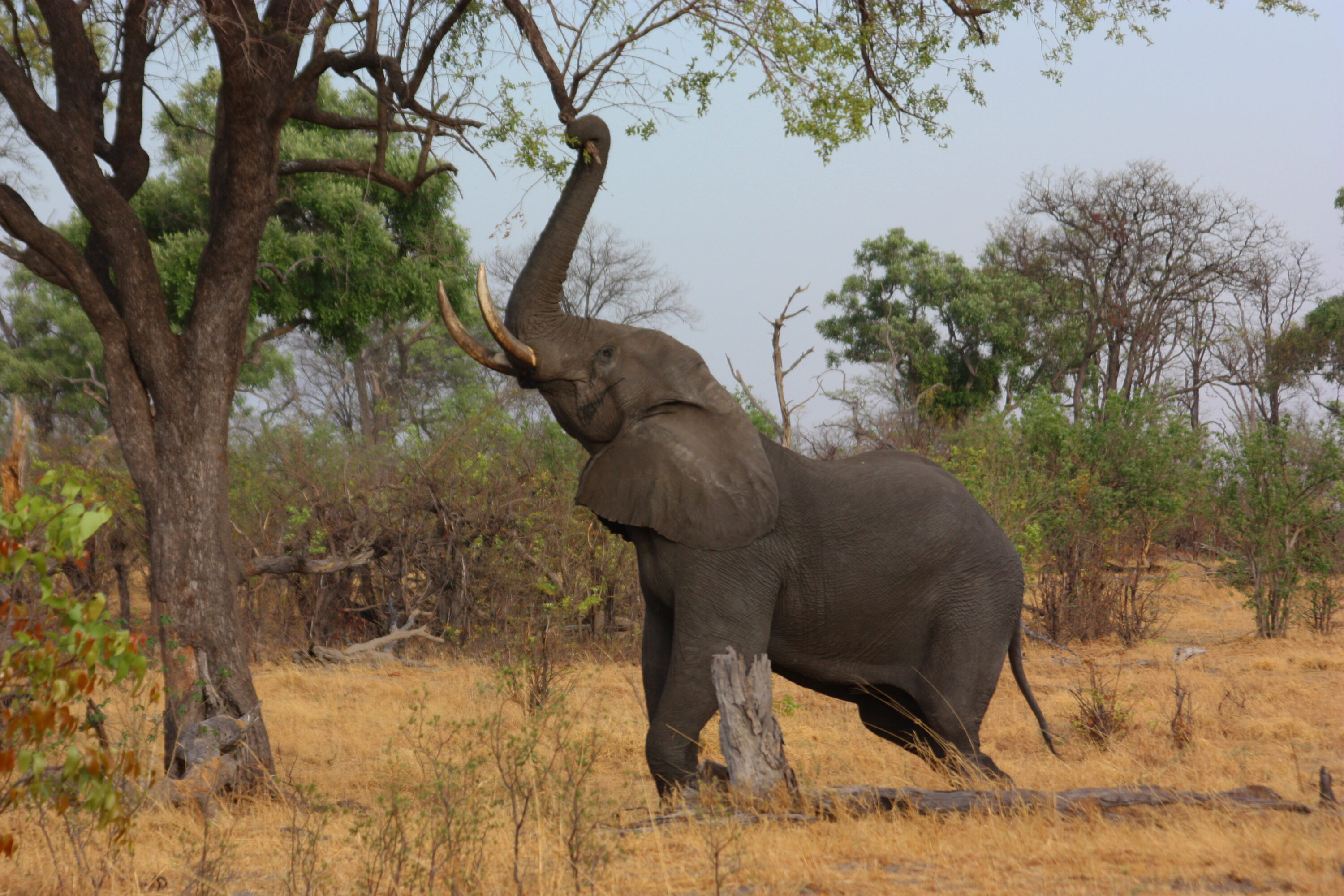
African Bush Elephants Distinguished Artificial Food-Quantity Patterns at Close Range
In experiments in South Africa, four semi-tame elephants chose between visual patterns representing canopy size and leaf density.…
Read story →SPECIES IN THIS STORY
Species in this story
Independent research and conservation news archive
Did you find this information useful?
Wildlife Vagabond is independently built and maintained. Voluntary support helps cover source verification, hosting and continued work on research and conservation news.
Support Wildlife VagabondThe news archive will remain freely available.