
Oiling Raven Eggs Cut Hatchability 94.5% and Raised Estimated Greater Sage-Grouse Abundance 44% Relative to Controls
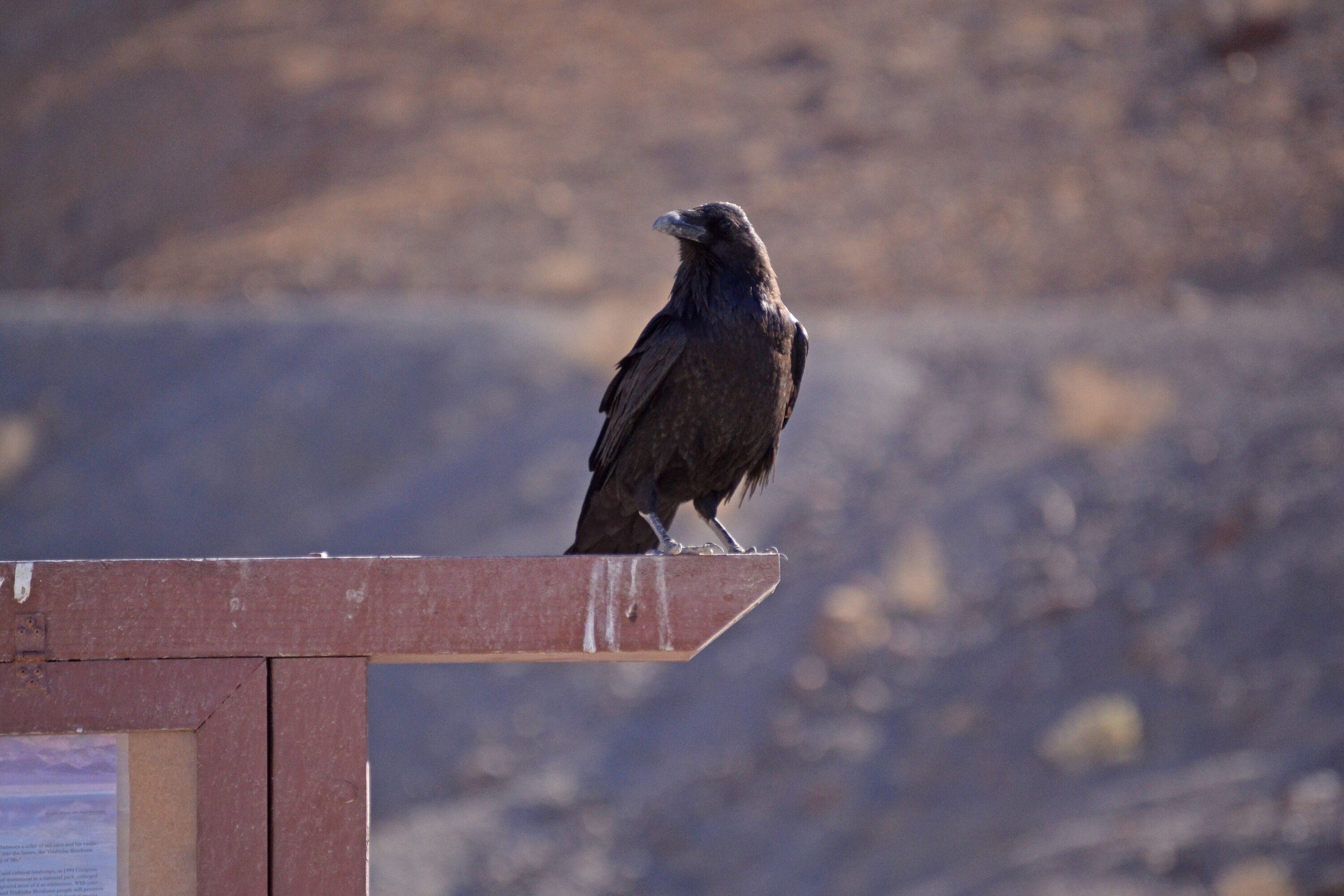
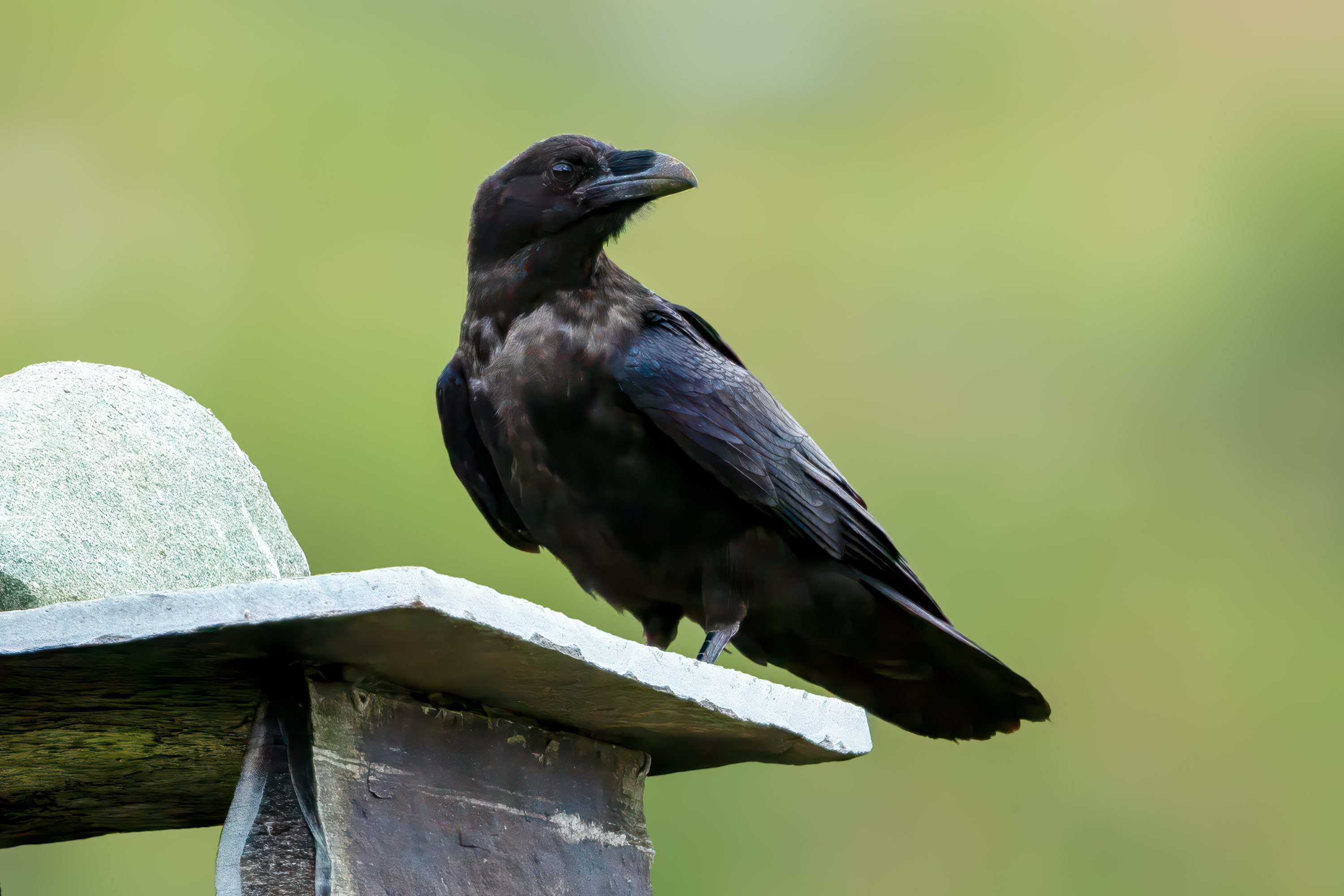
An experiment across sagebrush landscapes in Nevada, USA and California found that oiling common raven (Corvus corax) eggs sharply reduced raven reproduction while greater sage-grouse (Centrocercus urophasianus) performed better at the treatment sites. The study was first published on 5 August 2026 in The Journal of Wildlife Management.
Researchers compared egg-oiling treatment sites with control sites in a before-after-control-impact design. This approach asks whether the change from before to after treatment is larger at treated sites than the change over the same period at untreated controls, helping separate the treatment effect from broader changes over time. Raven eggs were coated with a non-toxic silicone oil that blocks gas exchange through pores in the shell. Treated ravens often continued incubating eggs that would not hatch. The authors point to prolonged incubation, the absence of food demands from chicks and fewer opportunities to renest as mechanisms that can reduce raven foraging pressure during the sage-grouse nesting season.
Raven reproduction and density declined
Across the experiment, oiling reduced raven egg hatchability by 94.5%. At the sage-grouse treatment sites, 28 of 29 treated raven nests failed completely, and raven density declined by an estimated 22% relative to control sites from before to after treatment.
Sage-grouse nest survival and abundance increased
The researchers monitored 749 sage-grouse nests from 2016 to 2022. At treatment sites, estimated nest-survival probability increased from 0.26 before egg-oiling to 0.58 during treatment years. Relative to the change at control sites, this corresponded to a 93% increase in nest-survival probability.
An integrated population model using data through 2023 also showed a population-level response. Estimated sage-grouse abundance increased by 44% at treatment sites relative to control sites from the pre-treatment to post-treatment periods. The authors conclude that raven egg-oiling produced strong and immediate effects on both ravens and co-occurring sage-grouse and may provide a targeted option where raven predation is a management problem, rather than relying on broader lethal control of adult ravens.
Management
Related news
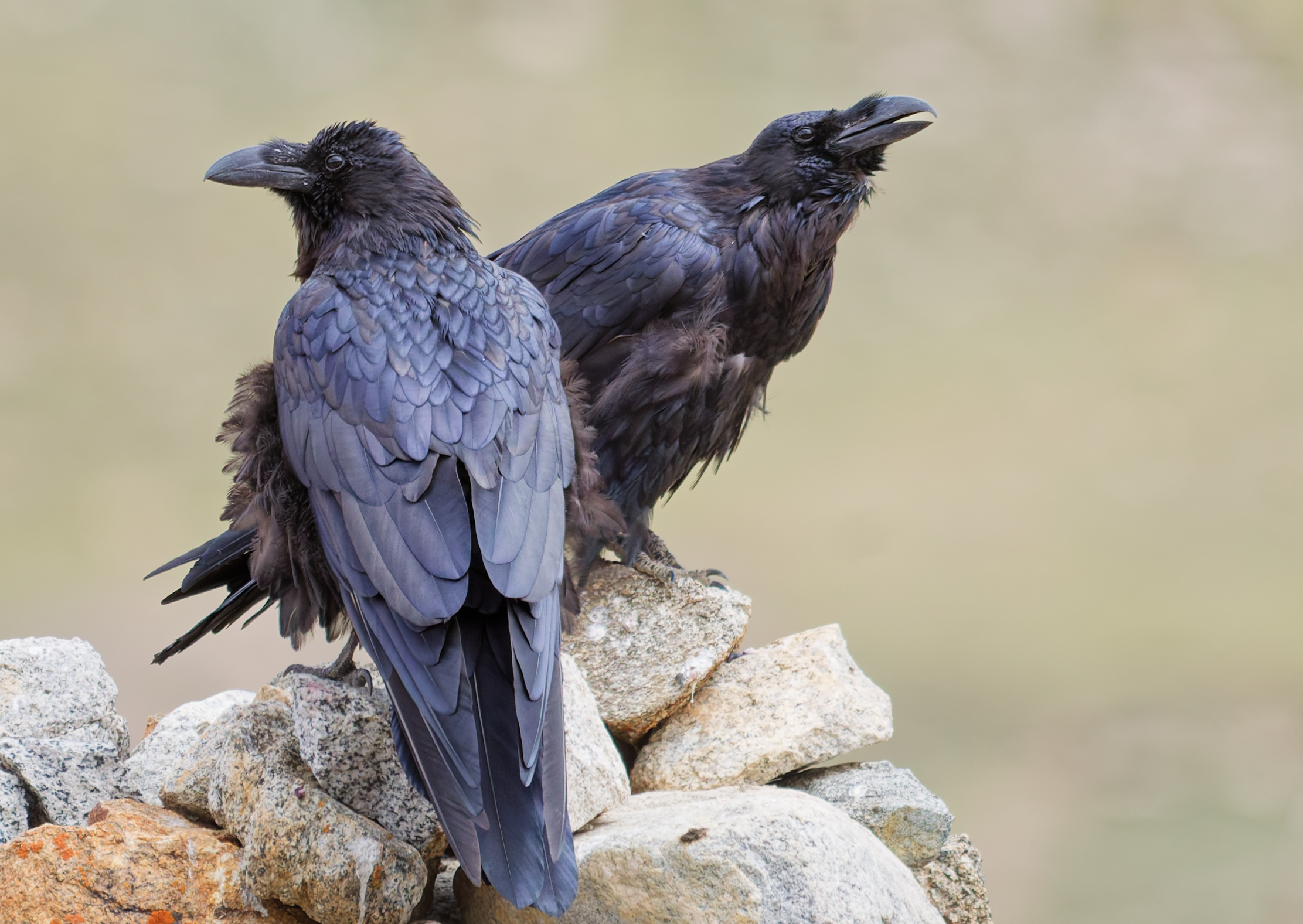
Family size shapes social object play in young ravens
A 2026 experiment found that small differences in sibling number changed how juvenile ravens gathered around object playgrounds…
Read story →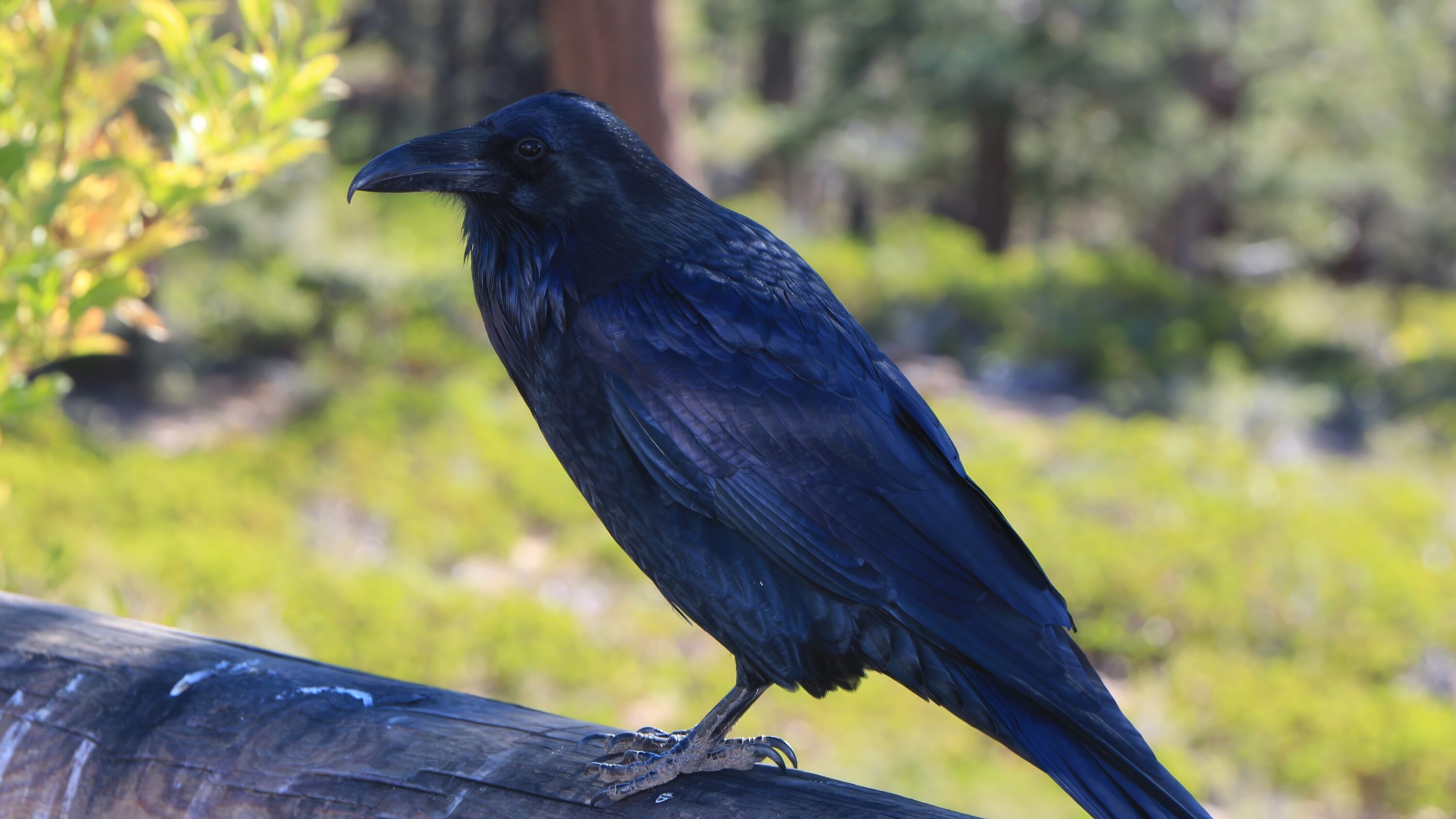
Raven Herpesvirus Was Suspected in Six Sudden Deaths in Poland
Six Common Ravens found dead together in central Poland were positive for both circovirus and a herpesvirus not…
Read story →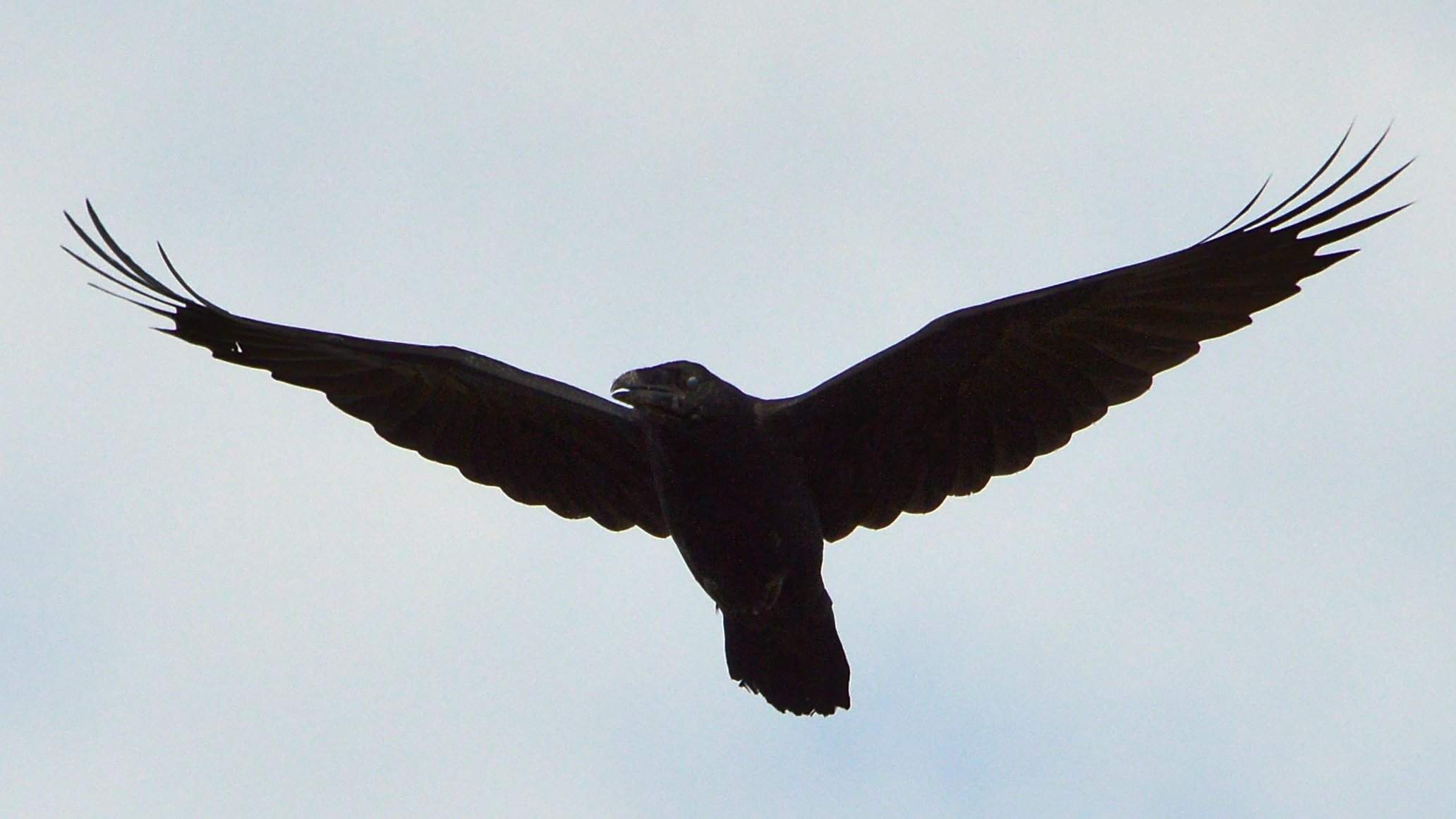
Ravens Waited for Wild Boars Before Approaching Food
Experiments with free-ranging ravens in Austria found that the birds delayed their first approach to food until wild…
Read story →SPECIES IN THIS STORY
Species in this story
Independent research and conservation news archive
Did you find this information useful?
Wildlife Vagabond is independently built and maintained. Voluntary support helps cover source verification, hosting and continued work on research and conservation news.
Support Wildlife VagabondThe news archive will remain freely available.