
Red Kites Return to Jaén as Dangerous Power Poles Are Made Safer
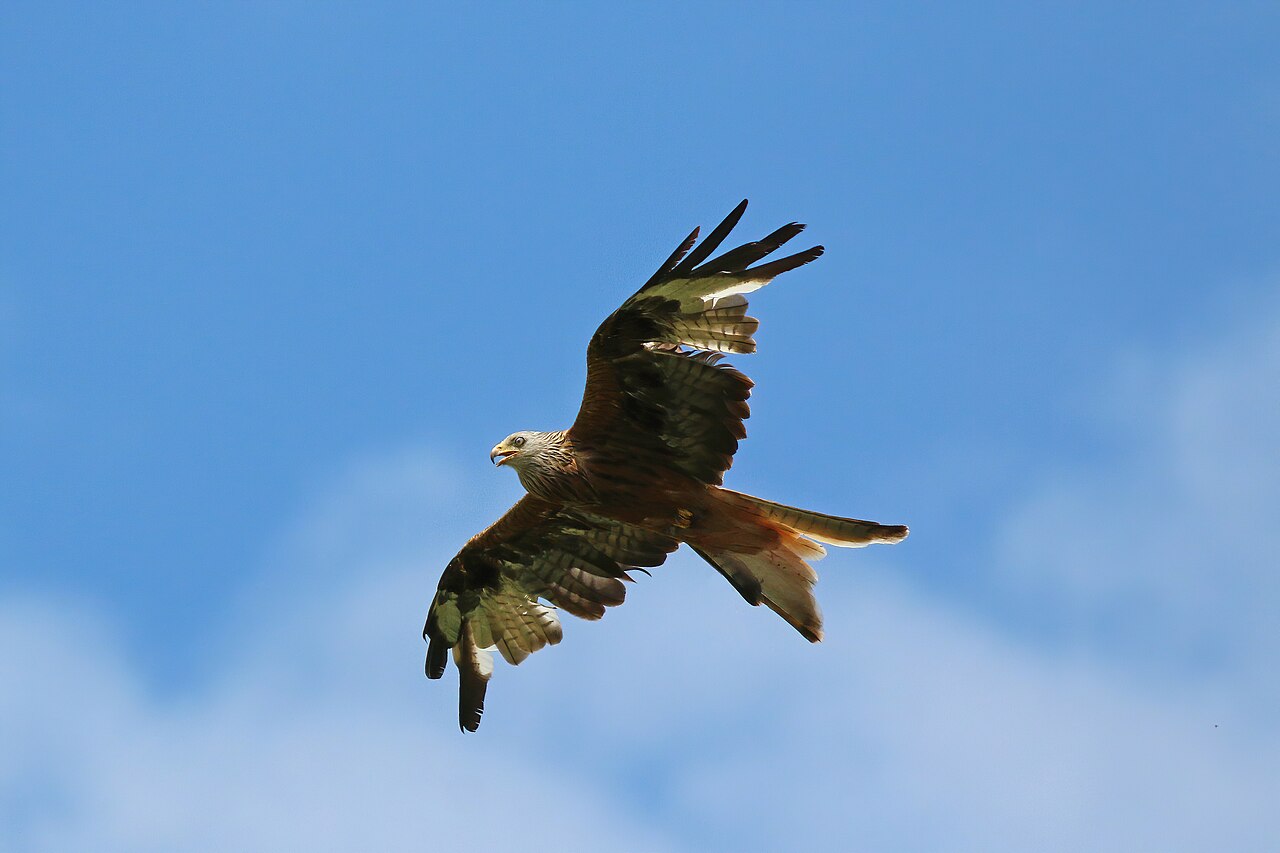
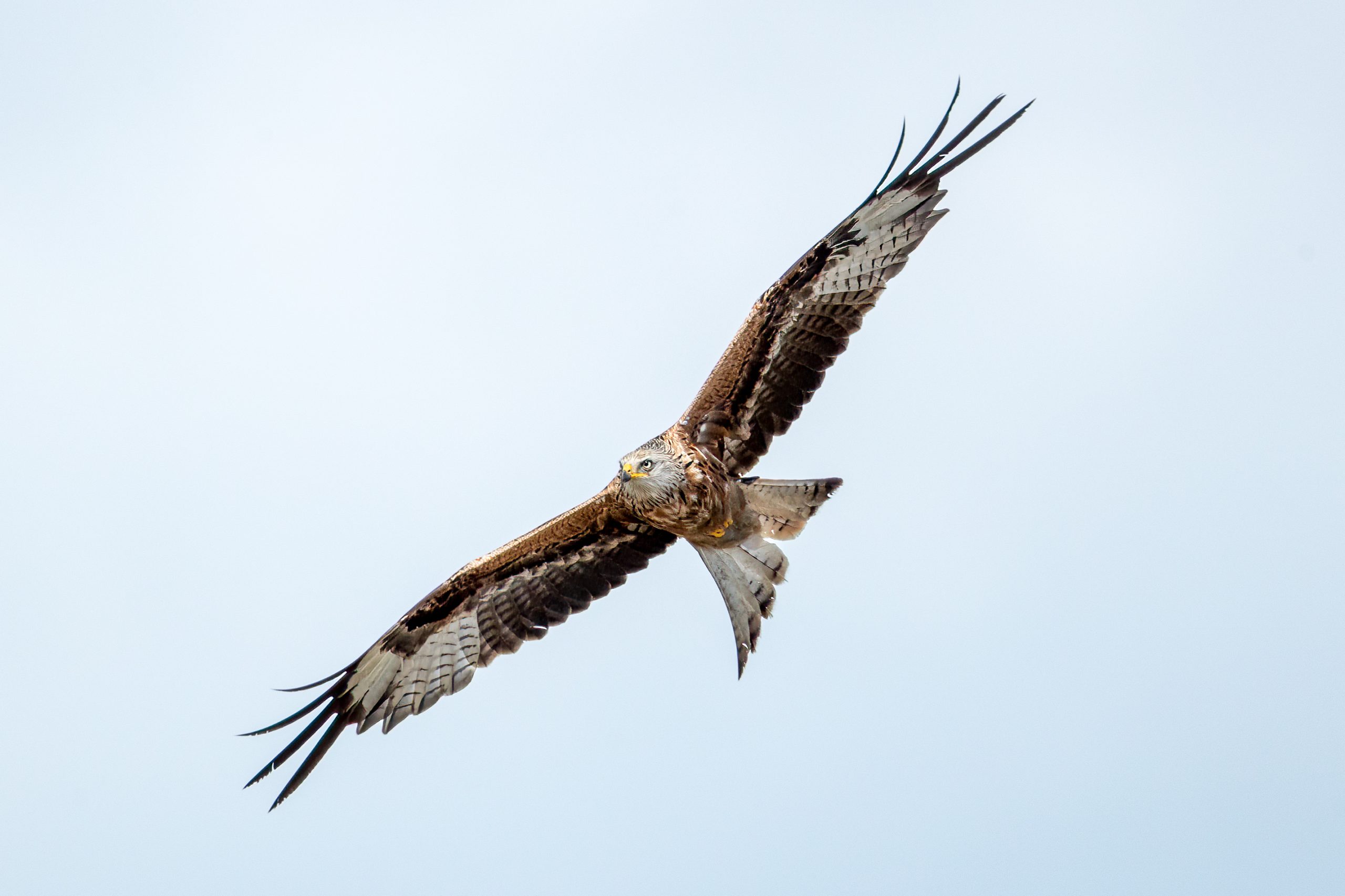
The red kite (Milvus milvus) disappeared as a breeding bird from Jaén in southern Spain in the early 2000s. Now it is back. Following the start of a reintroduction programme in 2021, breeding numbers rose from three pairs in 2023 to 22 in 2026. Alongside the releases, a particularly dangerous power line was made safer for birds of prey.
The line had been linked to the deaths of more than 50 threatened birds over five years. It crosses olive groves and riverside woodland in an area rich in rabbits, attracting hunting raptors. Its poles offer convenient perches but can become lethal: a bird may be electrocuted if it touches two live wires at once, or a live wire and a grounded part of the pole.
Birds used the area after the work
In 2021, protective measures were installed on 48 poles along the 2.5-kilometre line. The work brought together the landowner, conservation organisation GREFA and regional authorities, with support from the EU’s AQUILA a-LIFE project.
Between 2021 and 2025, 186 red kites were released, and 181 received GPS transmitters. Tracking showed that 21 birds subsequently used the area around the treated line, producing 802 recorded locations. None was recorded as electrocuted there. Monthly searches also found no other raptors killed by electrocution along the line. One red kite pair even established a nest about 150 metres away.
Threats remain elsewhere
Across all the GPS-tagged red kites, researchers recorded 80 deaths and identified the cause in 72 cases. Predators killed 34 birds. Human-related causes accounted for 33 deaths, including nine poisonings and eight electrocutions. Making one line safer therefore did not remove the dangers the birds faced elsewhere.
The authors see the findings as evidence for combining reintroductions with efforts to make habitats safer. In Jaén, the breeding population has grown while birds have used the area around a formerly hazardous line without recorded electrocutions. It offers a practical example of how targeting dangerous power poles can support the return of birds of prey.
Reintroductions & translocations
Related news
GPS Data Show Strong Wind-Turbine Avoidance in Red Kites
Tracking data from hundreds of red kites show very high overall avoidance around wind turbines, while weather and…
Read story →
Thirteen Young Red Kites Were Released in Aspromonte in the Fourth Reintroduction Year
Thirteen young red kites from wild donor populations in Switzerland and Corsica, plus one captive-bred bird, were released…
Read story →
DDE Was Detected in All 60 Spanish Birds; Red Kites Had the Highest Medians for Most Pollutants
Liver analyses of 20 white storks, 20 red kites and 20 griffon vultures from Extremadura detected an average…
Read story →SPECIES IN THIS STORY
Species in this story
Independent research and conservation news archive
Did you find this information useful?
Wildlife Vagabond is independently built and maintained. Voluntary support helps cover source verification, hosting and continued work on research and conservation news.
Support Wildlife VagabondThe news archive will remain freely available.