
Scotland’s European Herring Gull Index Was 54% Below Its 1986 Baseline
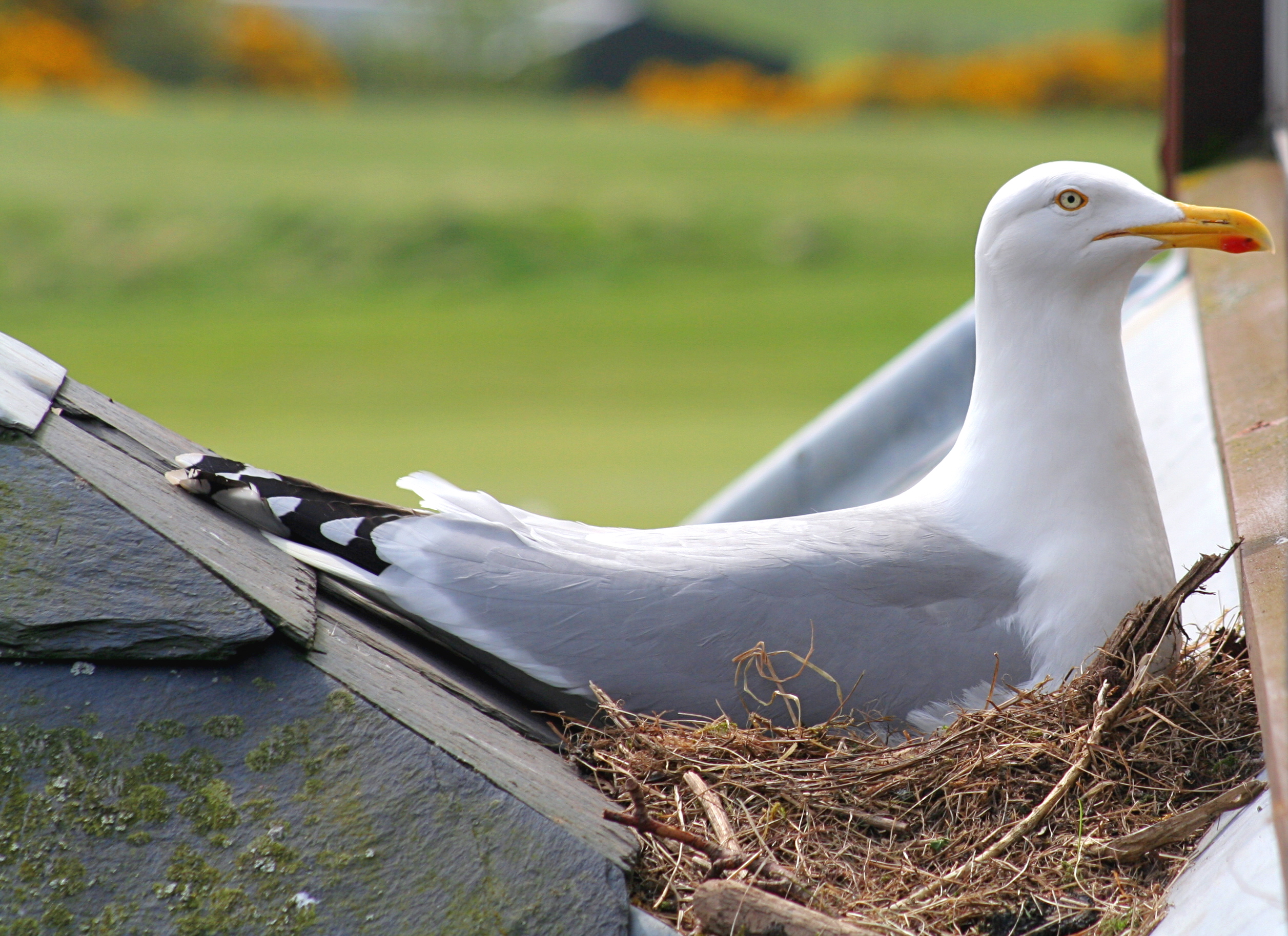
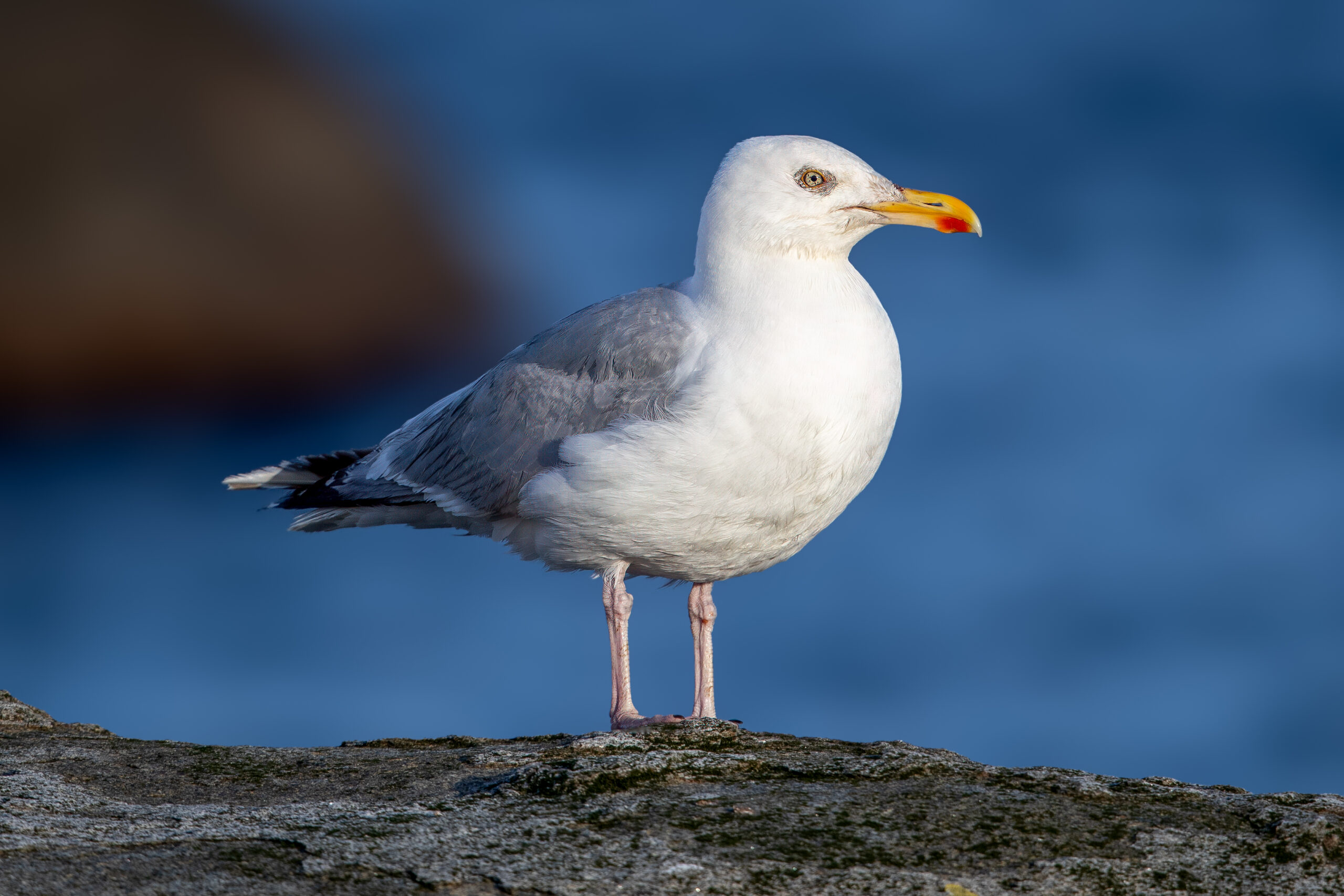
Breeding abundance of European herring gulls (Larus argentatus) in Scotland was estimated to be 54% lower in 2024 than at the 1986 baseline in NatureScot’s latest Scottish Seabird Indicator. The long-term decline was statistically significant.
The index is relative to a 1986 baseline of 100
The indicator is based on annual monitoring from a representative sample of seabird colonies in the UK Seabird Monitoring Programme. The abundance index uses 1986 as a baseline of 100, so a value 54% lower corresponds to an index of about 46 rather than a direct count of birds lost. For European herring gull, NatureScot used data from 75 colonies and lists breeding numbers of 37,349 for 2024. In the supplementary information, the species is classified as natural nesters, so the trend should be read as an indicator for the monitored natural-nesting population rather than a new full census of every breeding herring gull in Scotland.
The decline was also clear over a shorter long-term period. The 2024 abundance estimate was 43% below the 2000 level, again a statistically significant decrease.
The recent increase did not erase the long-term decline
More recent years showed a different direction. From 2015 to 2024, the herring gull index increased by 14%, one of the stronger short-term increases among the 14 species assessed for abundance. NatureScot did not test these short-term changes for statistical significance, so the increase does not overturn the much larger and statistically supported decline since 1986.
The annual indicator is not the same as Seabirds Count, the multi-year census designed to cover colonies across the UK. NatureScot uses the census as a benchmark, while the annual monitoring tracks how breeding abundance changes between census periods. In 2024, the Scottish abundance indicator drew on 222 colonies across all 14 species.
Population & status
Related news
Bird Diversity Fell After Cormorant Colonies Became Established on Baltic Islands
Annual monitoring from 261 Estonian Baltic islands showed that breeding-bird diversity declined after great cormorant colonies became established…
Read story →
Cormorant and Large-Gull Counts Fell at a Danish Pound Net, but the Difference Disappeared Within Weeks
At one Danish pound net fitted with Looming-Eye Buoys, great cormorant and large-gull counts dropped sharply relative to…
Read story →
Common Gulls Were Less Often Infected and Carried Fewer Trematodes Than Larger Gulls at Czech Ponds
Trematodes were found in 15 of 33 common gulls in an eastern Czech study, compared with 27 of…
Read story →SPECIES IN THIS STORY
Species in this story
Independent research and conservation news archive
Did you find this information useful?
Wildlife Vagabond is independently built and maintained. Voluntary support helps cover source verification, hosting and continued work on research and conservation news.
Support Wildlife VagabondThe news archive will remain freely available.