
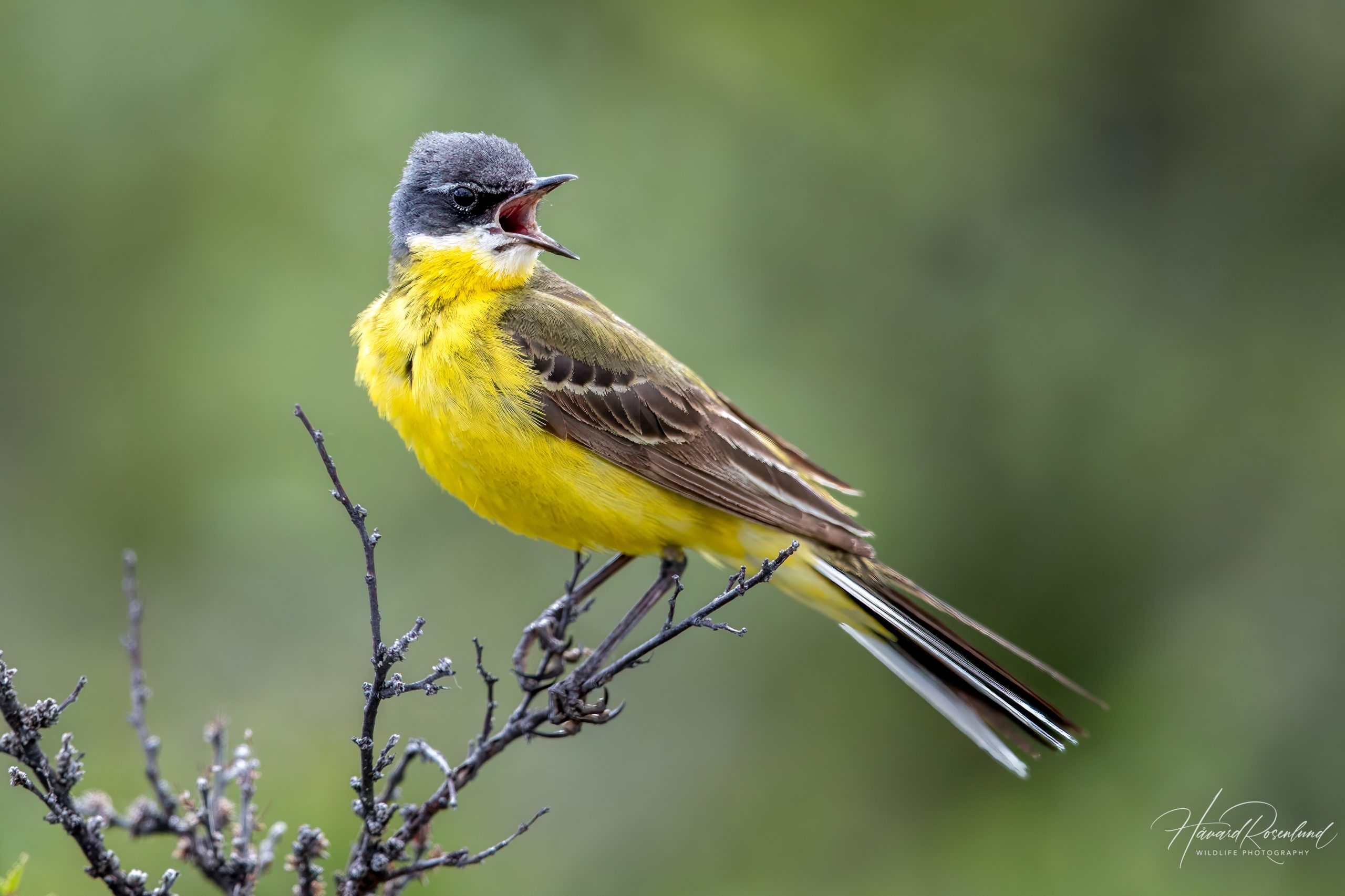
Western Yellow Wagtail
Motacilla flava
At a glance
Habitat
- Open wetlands, wet meadows, pasture, farmland and other low, grassy habitats; often close to water
Diet
- Mainly insects and other small invertebrates taken from the ground, vegetation and in short aerial sallies
Activity
- Diurnal
Size
- Length: 15–16 cm Weight: 15–20 g
Range
- Breeds from western Europe across much of western and central Asia; winters mainly in sub-Saharan Africa and parts of South Asia
Description
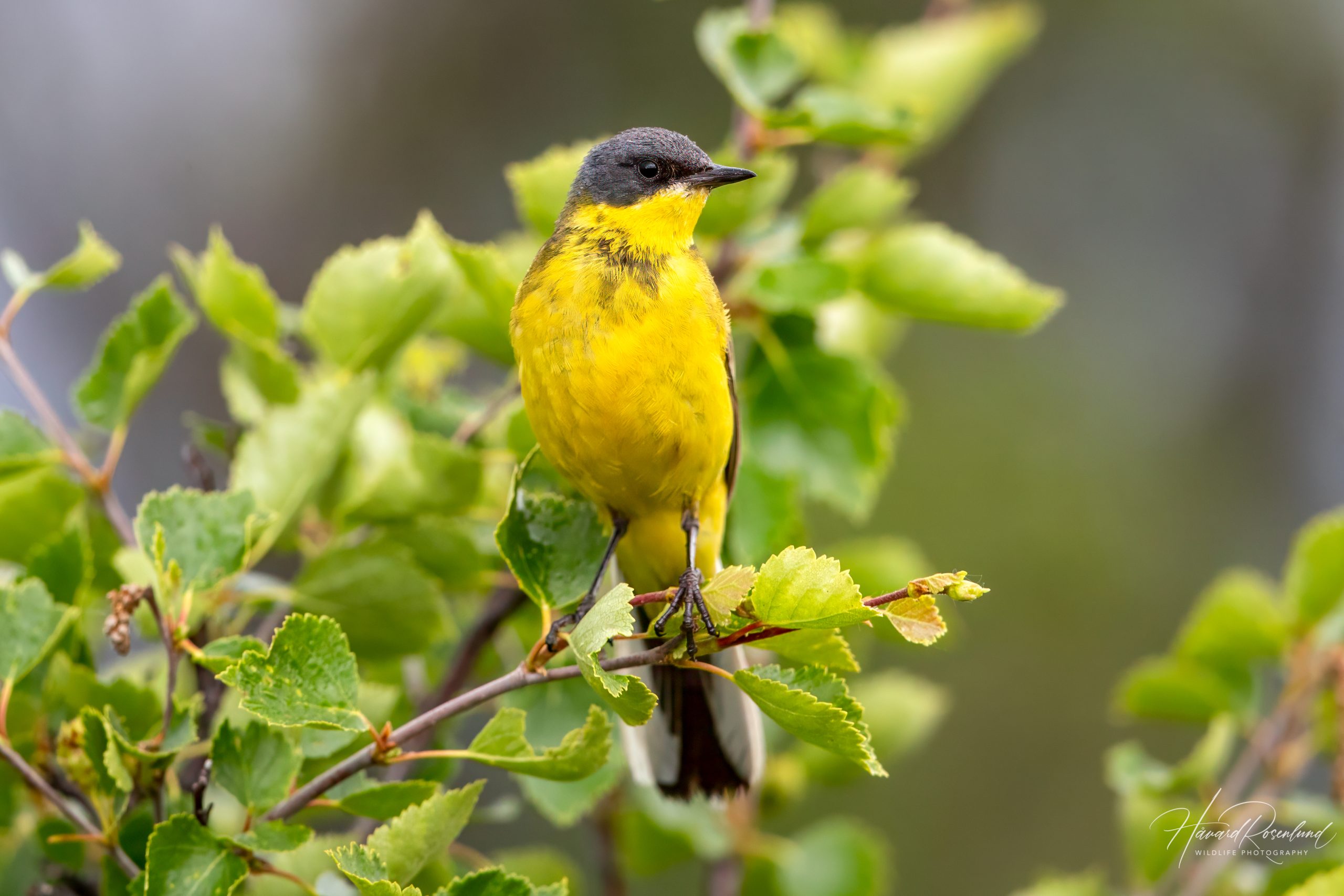
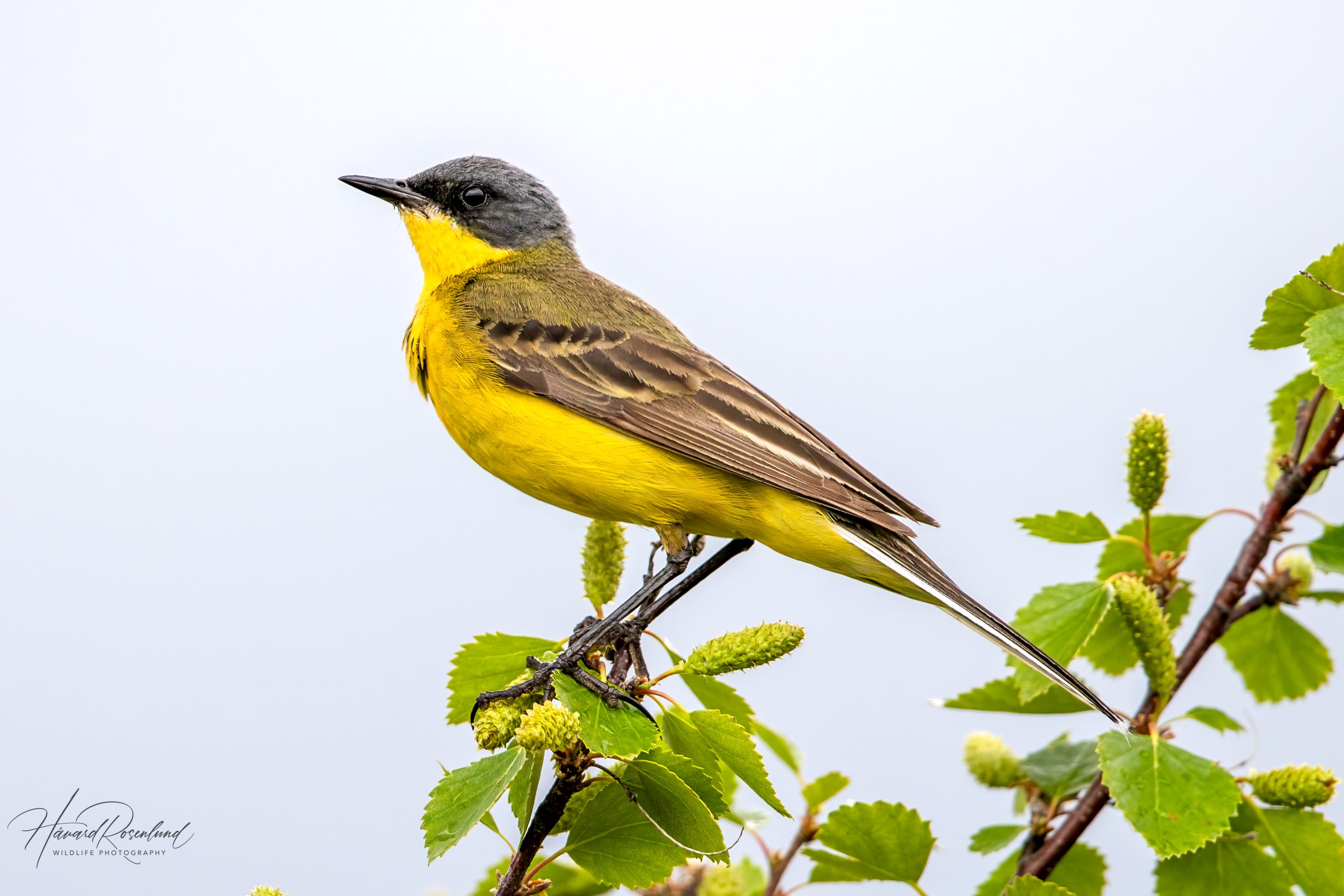
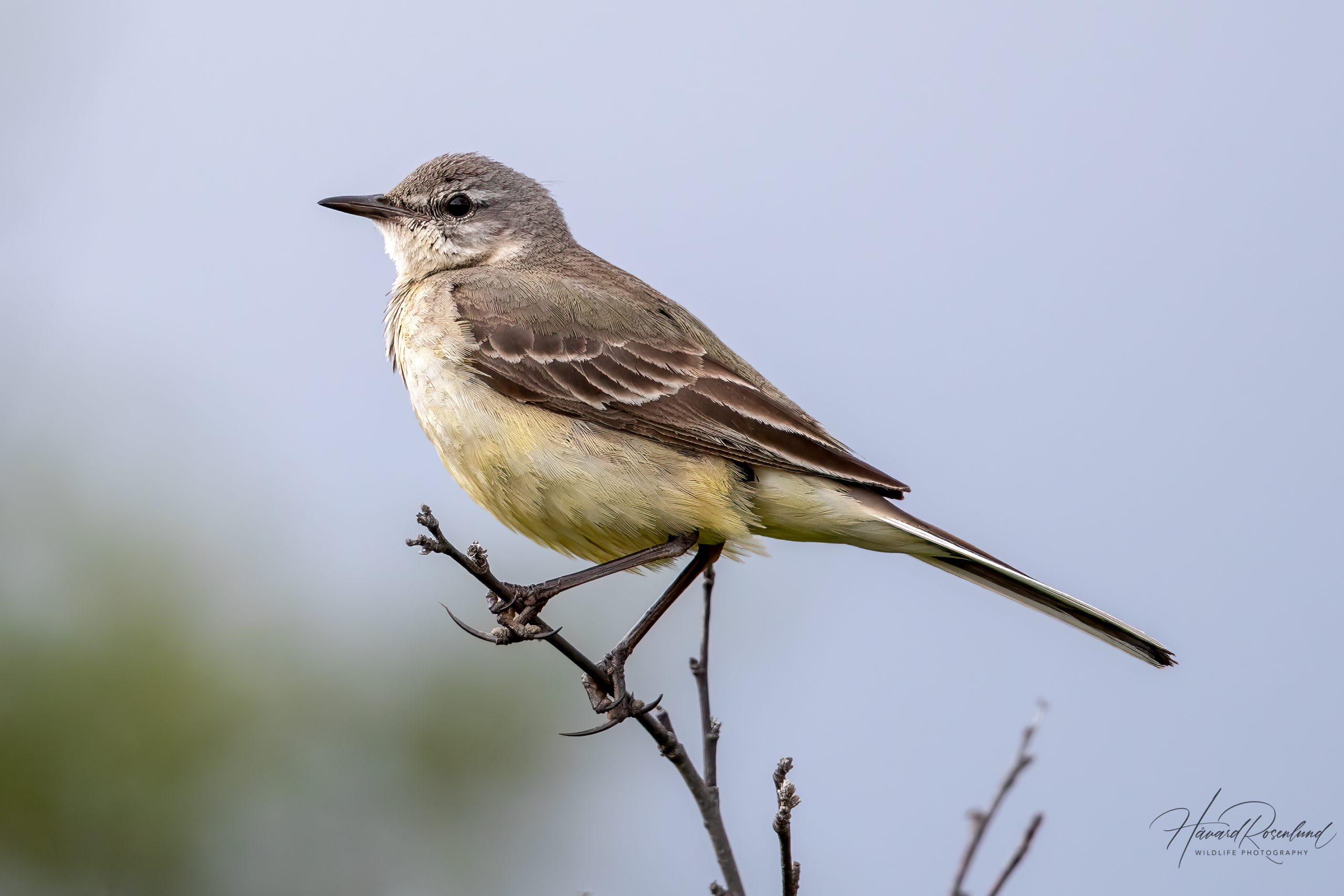
The western yellow wagtail (Motacilla flava) is a slim, long-tailed passerine of open country. Adults are about 15–16 cm long and usually weigh around 15–20 g. Breeding males typically combine bright yellow underparts with olive-green to brownish upperparts, while females and juveniles are duller and less contrasting.
The species is unusually variable in appearance. Males from different parts of the range can have blue-grey, dark grey, yellow, black or nearly white heads, often with contrasting eyebrow stripes. This variation is concentrated in the head and neck while the basic yellow-and-olive body pattern remains recognisable across most forms.
Taxonomy
The yellow wagtail complex has long been difficult taxonomically because plumage changes dramatically across Eurasia. AviList v2025b recognises two species: western yellow wagtail (Motacilla flava) and eastern yellow wagtail (Motacilla tschutschensis). Within M. flava, numerous named subspecies are retained, including the blue-headed nominate form flava, grey-headed thunbergi and yellowish-crowned flavissima.
A genomic study published in 2018 showed why the complex remains difficult: striking differences in head colour do not match the main genetic patterns particularly well. Several forms that look very different are genetically close, while pronounced east–west genetic divisions can cut across traditional subspecies boundaries. Species and subspecies boundaries within the complex therefore remain incompletely resolved.
Habitat
Western yellow wagtails favour open habitats with short or patchy vegetation and abundant insects. Breeding sites include wet meadows, fens, marsh edges, grazed pasture, river floodplains, tundra-like wetlands and agricultural land. Many populations are closely associated with damp ground or shallow water, but the species can also breed in comparatively dry farmland when suitable feeding and nesting patches are available.
A study published in 2010 from arable farmland in eastern England showed how quickly habitat use can shift within a single breeding season. Early in the season most territorial birds occupied autumn-sown cereal fields, but they later largely abandoned these in favour of potato crops as the breeding season progressed.
Outside the breeding season they use a similarly broad range of open habitats, including flooded grassland, rice fields, pastures, lake margins and other wetlands.
Diet
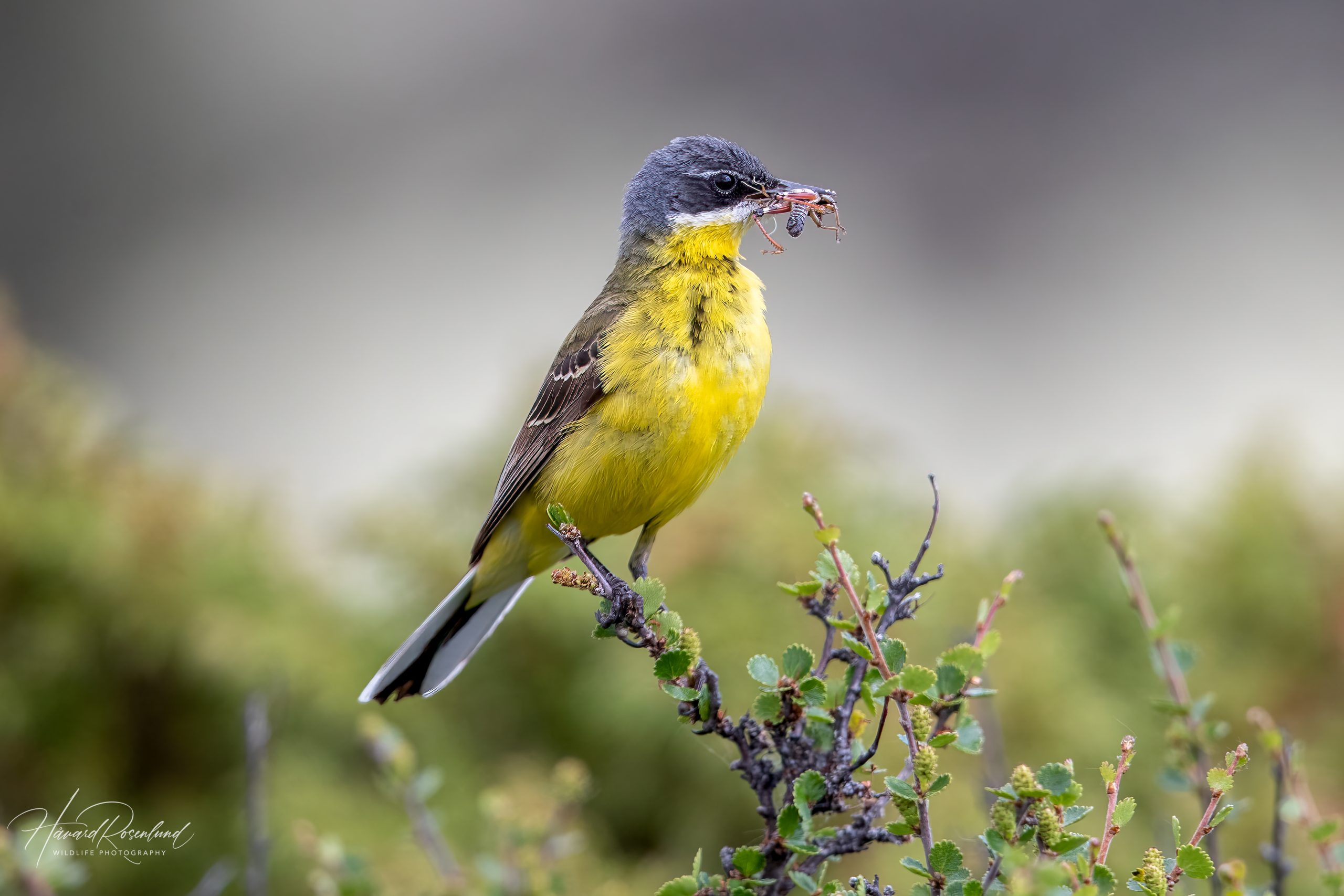
The diet consists overwhelmingly of insects and other small invertebrates. Flies, beetles, bugs, caterpillars, grasshoppers, spiders and other arthropods are taken by walking and running across the ground, picking prey from low vegetation or making short aerial sallies after flying insects.
Foraging behaviour changes with habitat and prey availability. Birds often follow grazing livestock or feed around wet margins where insects are concentrated. During migration and winter, access to productive feeding sites is important because individuals must repeatedly rebuild fat reserves for long flights.
Behaviour
Western yellow wagtails spend much of their active time on the ground or in very low vegetation, moving in quick bouts of walking and running with the characteristic repeated tail-wagging that gives wagtails their name. They frequently pause on low stems, posts or other exposed perches before dropping back to the ground.
During the breeding season, males establish and defend territories in suitable open habitat. The defended area extends beyond the immediate nest site and can encompass a broader part of the surrounding breeding habitat.
Migration
Most western yellow wagtails are long-distance migrants. European breeding populations travel through the Mediterranean and across the Sahara to non-breeding areas in sub-Saharan Africa, while some populations from farther east winter in South Asia. The species can gather in sizeable flocks during passage and at communal roosts.
A study published in 1992 of spring migration from West Africa found that pre-migration distribution was shaped by food availability and differed among geographic forms and between the sexes. Birds departed in a sequence that followed the onset of spring at their breeding grounds rather than rainfall in Africa, and energetic calculations suggested that the Sahara is normally crossed in one long flight. Northern-breeding forms can also winter farther south than populations breeding at lower latitudes, a pattern known as leap-frog migration.
Breeding
The nest is placed on or very close to the ground, usually hidden among grass or other low vegetation. The female builds a compact cup of grasses, roots and plant fibres and lines it with finer material. Breeding timing varies with latitude, with northern populations starting considerably later than birds in southern Europe.
Nest records from Britain give a typical clutch of 5–6 eggs. Incubation is mainly by the female and lasts about 14 days, while both parents feed the young. The chicks normally remain in the nest for about 13–15 days before fledging and continue to depend on the adults for a period afterwards.
A study published in 1999 followed 81 nests of the nominate flava form on shore meadows in north-eastern Scania, Sweden. Birds preferred grazed areas over mown meadows, but grazing animals were also a direct risk: cattle caused 8 of the 13 failed breeding attempts recorded.
Status
The western yellow wagtail is classified as least concern on the IUCN Red List and has a very large range and total population. Regional trends differ substantially, and many European farmland and grassland populations have declined under agricultural intensification.
Long-term monitoring in Britain shows a decline of about 78% between 1967 and 2024, together with major range contraction. Drainage, changes in grazing and cutting regimes, conversion of pasture, reduced insect abundance and other forms of agricultural intensification can all reduce the quality of breeding and feeding habitat.
Image gallery
Loading map and observations…
Have you seen this species?
Independent species archive
Did you find this species page useful?
Wildlife Vagabond is independently built and maintained. Voluntary support helps cover hosting, maps, data storage and continued improvements to the species archive.
Support Wildlife VagabondSpecies content will remain freely available.
References
Information about the species’ global distribution and status is based primarily on global Red List data. See the references below for details.
- AviList. (n.d.). v2025b – Yellow wagtail taxonomy. https://www.avilist.org/about/
- BirdLife International. (2026). IUCN Red List for birds. BirdLife DataZone. https://datazone.birdlife.org
- British Trust for Ornithology. (n.d.). /JNCC/RSPB Breeding Bird Survey – Yellow Wagtail trend. https://www.bto.org/our-science/projects/breeding-bird-survey/latest-results/population-trends
- British Trust for Ornithology. (n.d.). Yellow Wagtail BirdFacts. https://www.bto.org/learn/about-birds/birdfacts/yellow-wagtail
- Flyckt, G. (1999). Gulärlans Motacilla f. flava häckningsbiologi i strandängsmiljö i nordöstra Skåne. Ornis Svecica, 9(4), 217-223. https://doi.org/10.34080/os.v9.22901
- Gilroy, J. J., Anderson, G. Q. A., Grice, P. V., Vickery, J. A., & Sutherland, W. J. (2010). Mid‐season shifts in the habitat associations of Yellow WagtailsMotacilla flavabreeding in arable farmland. Ibis, 152(1), 90-104. https://doi.org/10.1111/j.1474-919X.2009.00988.x
- Harris, R. B., Alström, P., Ödeen, A., & Leaché, A. D. (2018). Discordance between genomic divergence and phenotypic variation in a rapidly evolving avian genus (Motacilla). Molecular Phylogenetics and Evolution, 120, 183–195. https://doi.org/10.1016/j.ympev.2017.11.020
- International Union for Conservation of Nature. (n.d.). Western Yellow Wagtail. The IUCN Red List of Threatened Species. https://www.iucnredlist.org/species/103822349/155602678
- Wood, B. (1992). Yellow Wagtail Motacilla flava migration from West Africa to Europe: pointers towards a conservation strategy for migrants on passage. Ibis, 134(s1), 66-76. https://doi.org/10.1111/j.1474-919X.1992.tb04735.x