
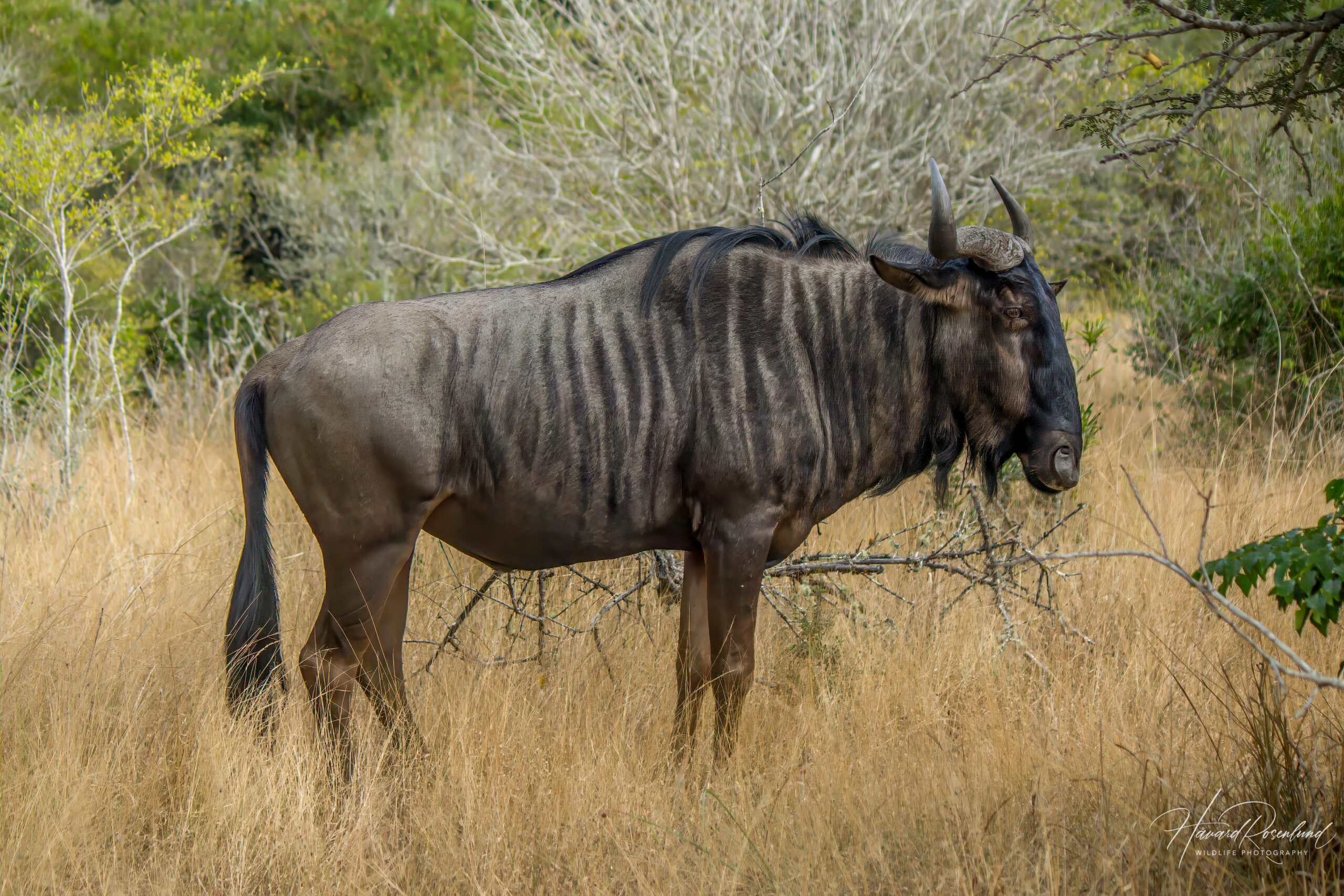
Blue Wildebeest
Connochaetes taurinus
At a glance
Habitat
- Open grassland, savanna, floodplains and open woodland near water
Diet
- Grazer: mainly short, fresh and nutrient-rich grasses
Activity
- Active by day and night, with midday resting
Size
- Length: 170–240 cm Weight: 140–290 kg
Range
- Eastern and southern Africa; some populations migrate seasonally
Description
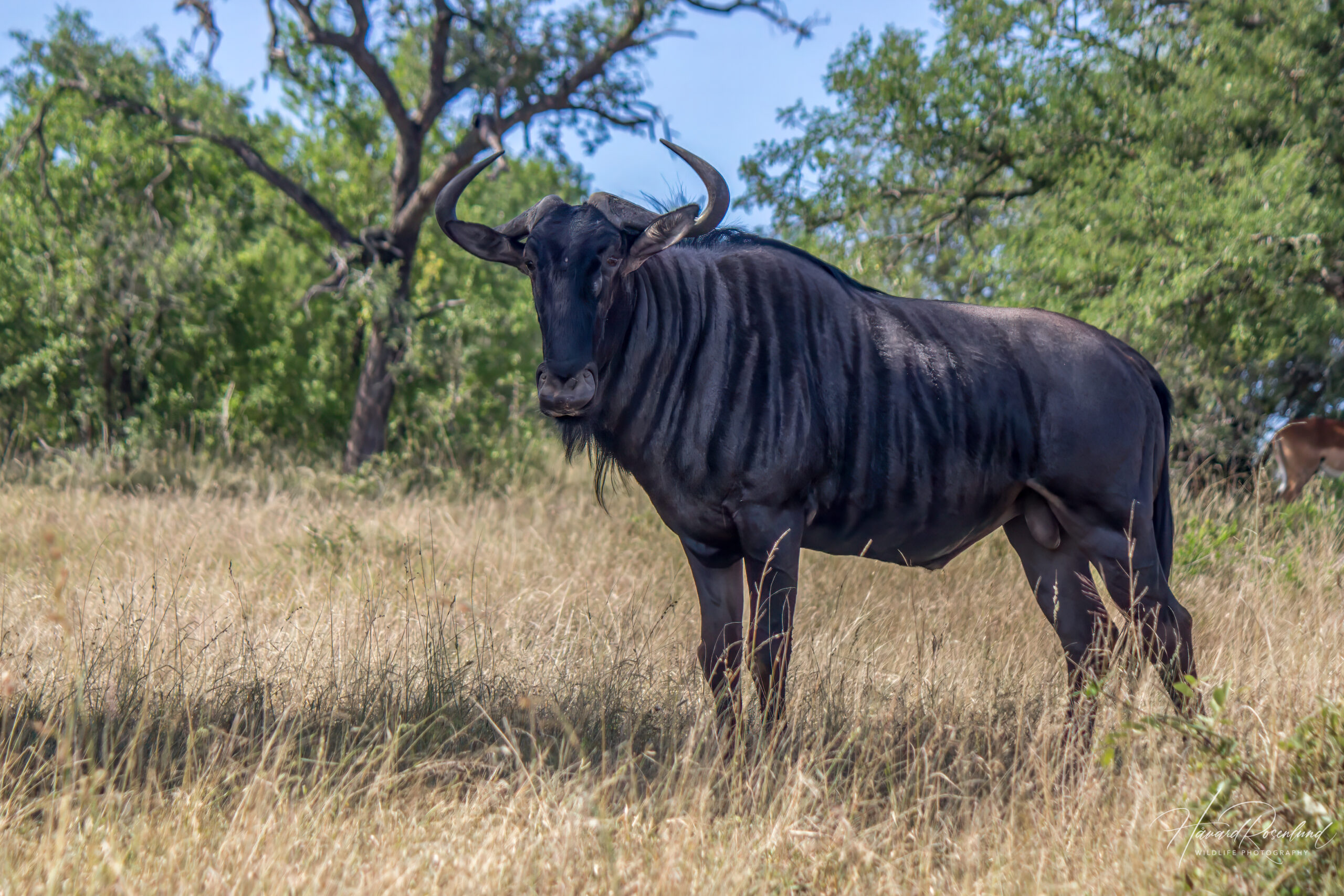
The blue wildebeest (Connochaetes taurinus), also called the common wildebeest or brindled gnu, is the larger and more widespread of the two wildebeest species. The other is the black wildebeest (Connochaetes gnou), which is native to the grasslands of southern Africa. Adult blue wildebeests measure about 170–240 cm from head to body, stand 115–145 cm at the shoulder and weigh roughly 140–290 kg. Males are generally larger, more heavily built and darker than females.
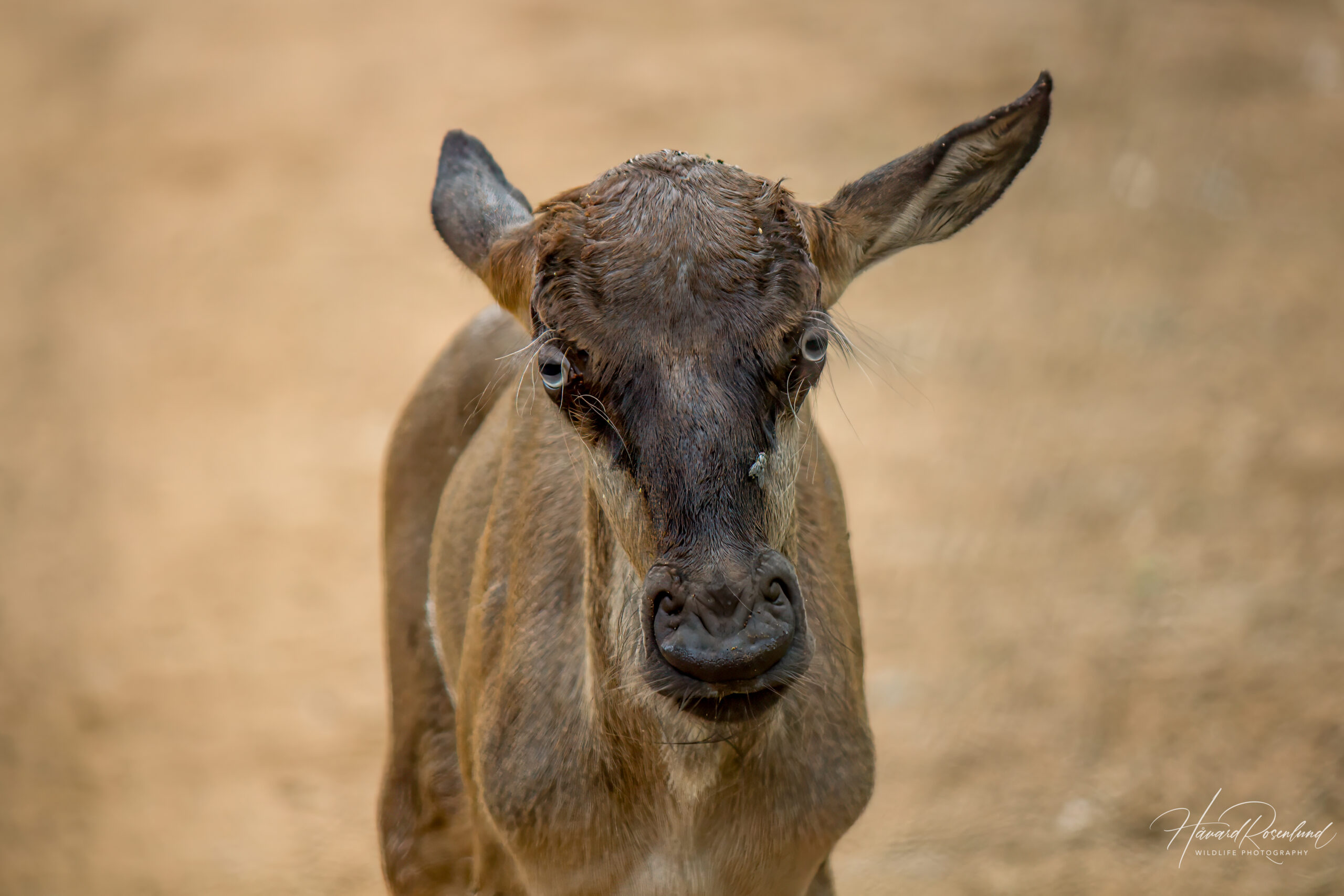
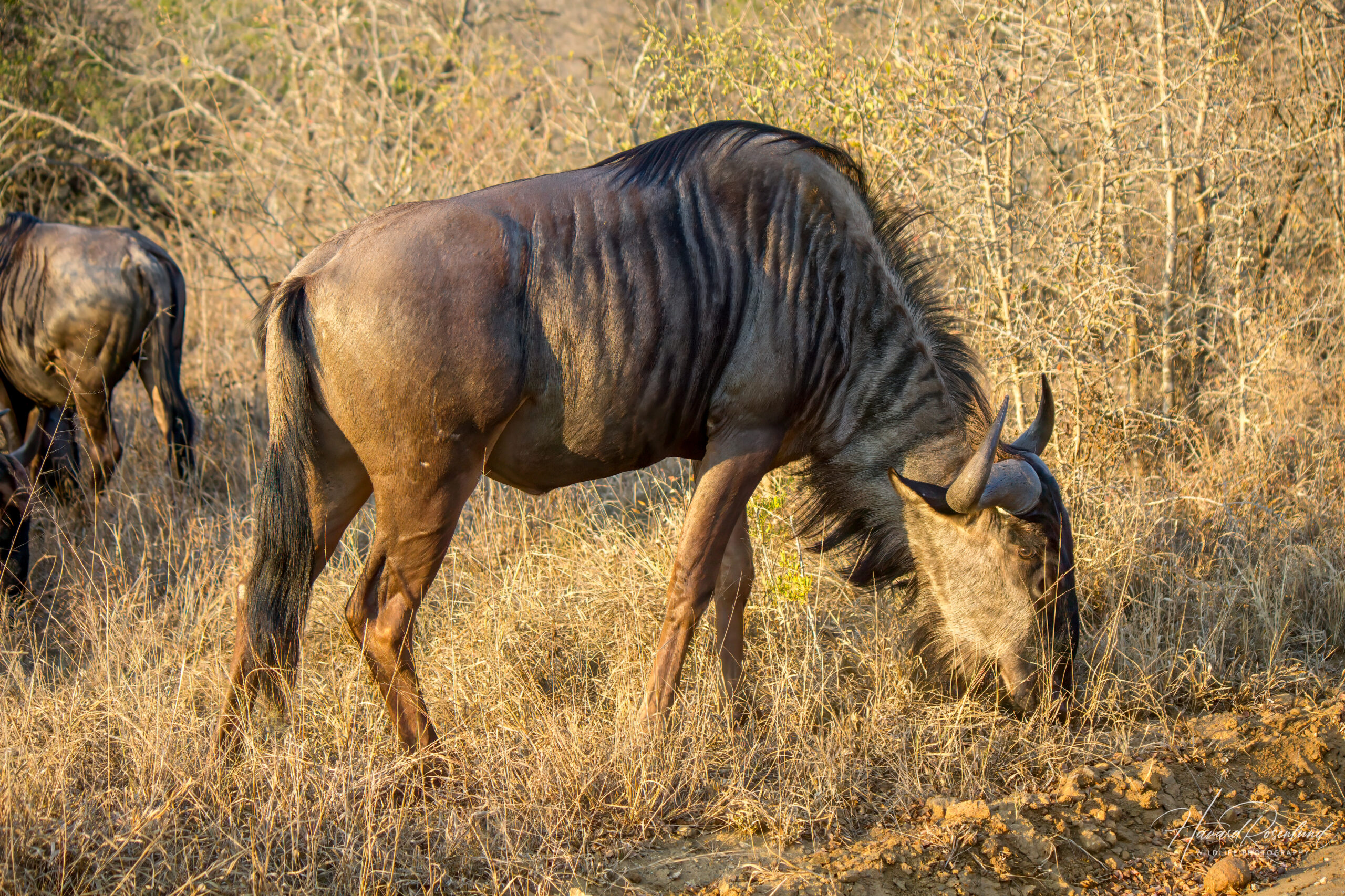
The species has high shoulders, a sloping back and a broad muzzle. Its coat varies from blue-grey to grey-brown, with dark vertical stripes across the neck, shoulders and forequarters. Calves are born tawny brown and begin changing towards the adult colour after the first couple of months. Both sexes carry broad horns that extend sideways before curving upwards and inwards, although those of adult bulls are thicker. A dark mane, beard and long black tail complete the distinctive appearance.
Taxonomy
Five geographically distinct subspecies are usually recognised: the widespread nominate blue wildebeest (Connochaetes taurinus taurinus) of southern Africa; western white-bearded wildebeest (C. t. mearnsi) of the Serengeti–Mara ecosystem; eastern white-bearded wildebeest (C. t. albojubatus) of northern Tanzania and southern Kenya; Cookson’s wildebeest (C. t. cooksoni) of Zambia’s Luangwa Valley; and Nyassaland wildebeest (C. t. johnstoni) of southeastern Tanzania and northern Mozambique.
Some classifications have proposed full species status for several of these forms. A large genetic study published in 2024 found clear differences that broadly matched the traditional five subspecies, while Mammal Diversity Database v2.5 retains them within the single species Connochaetes taurinus. The study also found evidence of historical hybridisation with black wildebeest: the two species have interbred, and old gene flow from black wildebeest is present in southern blue-wildebeest populations. This historical gene flow appears to be much more important than recent hybridisation in wild populations.
Habitat
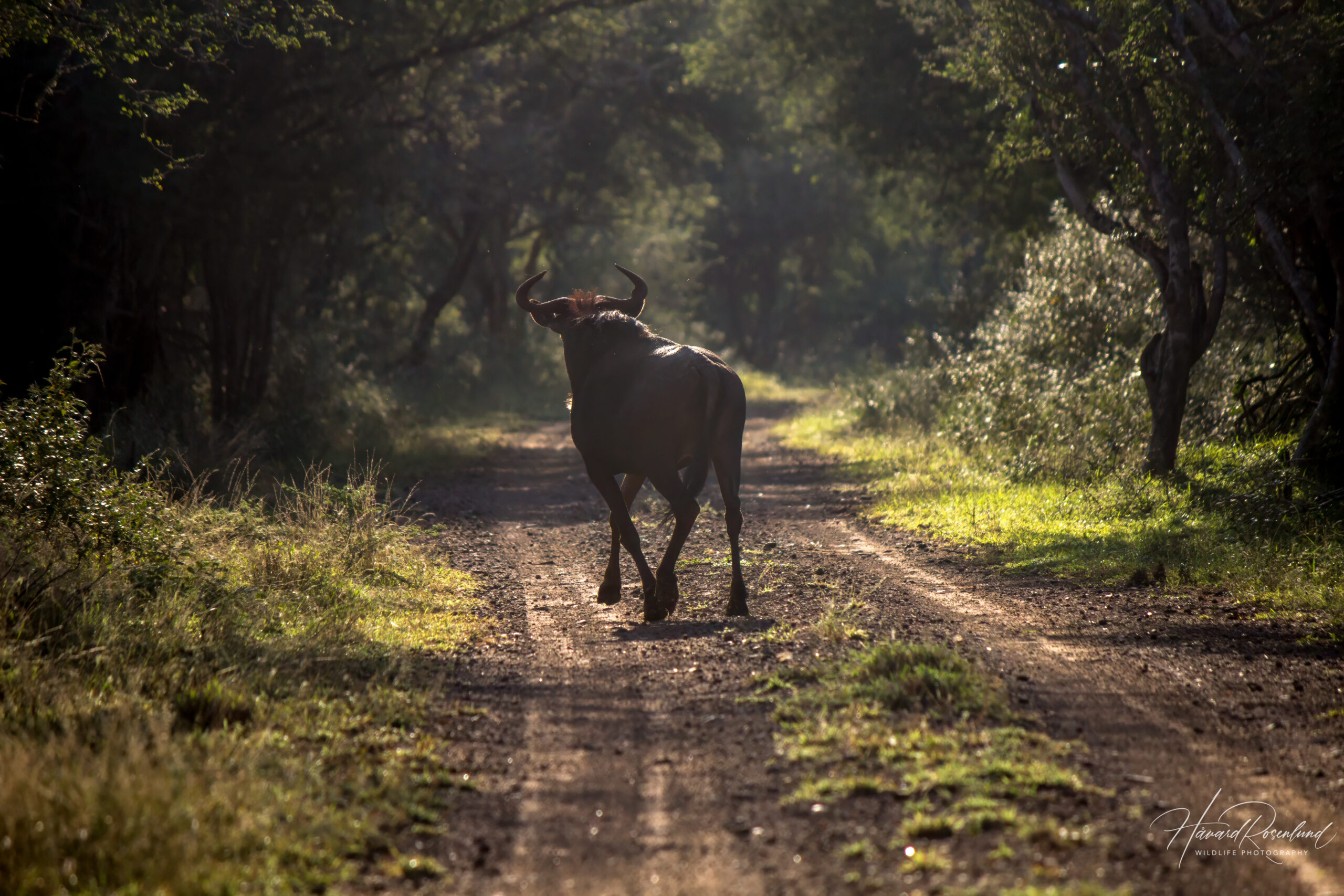
Blue wildebeests favour open grassland, savanna, floodplains and open woodland where fresh grasses respond quickly to rain. They do best in landscapes that are neither permanently waterlogged nor extremely dry and are closely tied to reliable water, although migrating herds may travel considerable distances between water sources.
Habitat use changes with season as rainfall shifts the distribution and quality of grazing. Sedentary populations can remain within relatively compact areas where grass and water are dependable, while migratory populations track temporary concentrations of highly nutritious forage across much larger landscapes.
Diet
Blue wildebeests are specialised grazers that prefer short, fresh and nutrient-rich grasses. Herbs and occasional leaves are taken when grass is scarce, but the species is much more dependent on grazing than on browsing.
They frequently share feeding grounds with plains zebras (Equus quagga). Zebras can crop taller, coarser grass and expose shorter regrowth that wildebeests use efficiently. The relationship is not simply cooperative, however, because both species also compete for the same fresh grass when high-quality forage becomes limited.
Behaviour
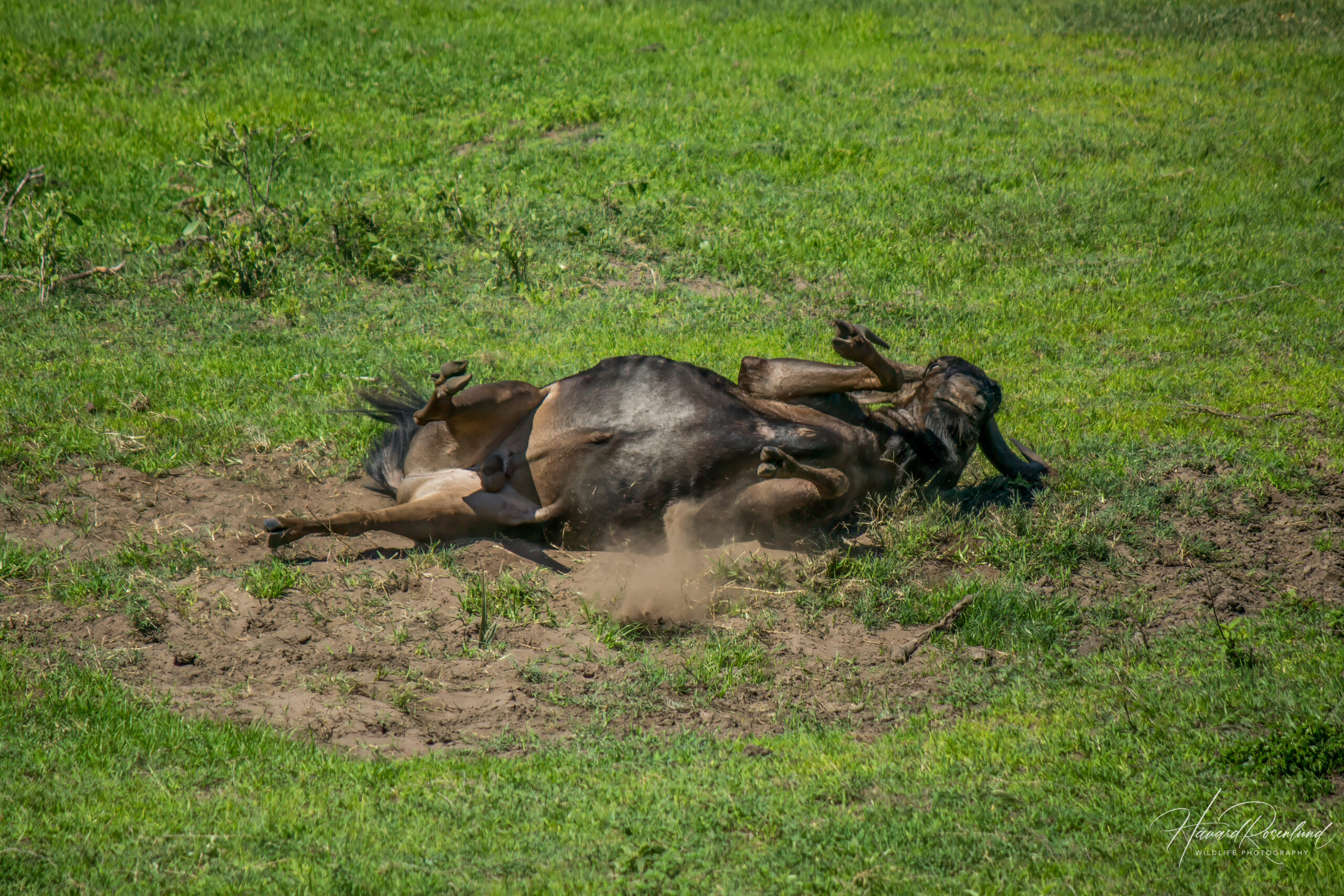
Blue wildebeests feed during both day and night, often resting for an extended period during the hottest part of the afternoon. They normally drink every day when water is readily available and regularly wallow in mud or dust, which helps with cooling and skin care.
Daily movement is strongly shaped by temperature, water and predator risk. Activity can continue through the night, and studies show that wildebeests adjust their movements flexibly rather than following one fixed day–night rhythm. This behavioural flexibility becomes especially important in dry or fragmented landscapes where safe water and grazing are unevenly distributed.
Social behaviour
Females and calves form fluid herds whose membership changes as animals move between feeding and watering areas. Young males leave these groups and gather in bachelor herds. Mature bulls may remain with bachelors outside the rut or live alone where suitable habitat allows them to establish territories.
During the rut, bulls establish temporary territories and advertise themselves through loud rutting calls, scent marking, pawing and conspicuous postures. A male attempts to keep receptive females inside his territory while driving away rivals. Many confrontations are settled through displays and parallel walking, but evenly matched bulls may drop to their knees and clash horns with considerable force.
The social system differs between populations. Bulls in sedentary herds can defend relatively stable patches of good grazing, while those in large migratory herds hold much smaller and shorter-lived territories as thousands of animals move through.
Migration
Not all blue wildebeests migrate, but the western white-bearded wildebeest (Connochaetes taurinus mearnsi) of the Serengeti–Mara ecosystem forms the world’s largest living ungulate migration. The journey is a continuous seasonal cycle rather than a single northward event. Rain and fresh grass draw the herds onto the southern short-grass plains for calving; as those plains dry, the animals move west through the Serengeti, then north towards the Mara during the dry season and back south when the rains return.
A wet-season aerial survey in 2023 estimated the migratory population at about 1.37 million wildebeests. Numbers on that scale make the migration far more than a spectacular movement of animals: it influences grazing pressure, nutrient flows, predators and vegetation across much of the Serengeti–Mara ecosystem.
The migration also shapes the Serengeti itself. After rinderpest was controlled through vaccination of domestic cattle and disappeared from the ecosystem in the 1960s, wildebeest numbers rose dramatically. Heavier grazing reduced the amount of dry grass available to burn, fire covered less of the landscape and more trees were able to grow. It is a good example of how a disease can trigger a chain of ecological changes far beyond the species it initially affects.
Reproduction
The annual rut lasts only a few weeks near the end of the rainy season. Male rutting calls appear to help synchronise when females become ready to mate. A field experiment in the Serengeti found that recordings of these calls made female reproduction much more synchronised. This synchrony helps concentrate mating, and later calving, into the short periods characteristic of the migratory population.
Females may mate with several males during the short rut. After a gestation of about eight to nine months, the female normally gives birth to one calf. In the migratory population, hundreds of thousands of calves are born within only a few weeks on the southern Serengeti plains, mostly from late January into March. Concentrating births so tightly overwhelms predators with more potential prey than they can take.
Births often peak during the morning, when spotted hyena hunting activity is declining, giving calves time to gain strength before predator activity rises again later in the day. A newborn can stand within minutes and is soon able to run with its mother. Mother and calf recognise each other by smell and voice. The calf begins grazing early but may continue nursing for six to eight months. Females can become sexually mature before two years of age, although first successful reproduction commonly occurs later.
Predation
Lions, spotted hyenas, leopards, African wild dogs and Nile crocodiles all prey on blue wildebeests. Cheetahs mainly target calves, although coalitions of males can occasionally overpower larger animals. Calves are most vulnerable during the first months of life, while adults are often taken when weakened, isolated or forced into dangerous river crossings.
When a predator is detected, wildebeests bunch together, stamp, snort and give loud alarm calls. They may turn to face or follow a predator, and mothers sometimes defend calves successfully against a lone hyena or cheetah. In the Serengeti–Mara ecosystem, predators and scavengers track the migrating herds throughout the year, making wildebeest one of the main foundations of the region’s food web.
Status
The blue wildebeest is listed as Least Concern on the IUCN Red List and remains one of Africa’s most numerous large mammals. Large populations persist in several protected ecosystems across eastern and southern Africa.
The South African regional assessment published in 2016 also classified the species as Least Concern. Using 2013 data, it recorded about 44,689 animals in South Africa, including an estimated 29,715 mature individuals.
Pressures differ greatly among populations even though the species is globally secure. Fencing, settlement, livestock expansion, hunting and altered access to water have reduced or eliminated several smaller migrations. Keeping seasonal ranges and migration corridors connected is therefore especially important. A large genetic study published in 2024 found that migratory populations had greater genetic diversity and lower inbreeding than neighbouring populations whose movements had been disrupted. This suggests that migration itself helps keep populations better connected and genetically healthier.
In southern Africa, management also needs to prevent unintended hybridisation with black wildebeest. The two species can mate and produce fertile hybrids when kept together on fenced properties. Keeping them separate helps preserve the natural genetic differences between the species.
Image gallery
Loading map and observations…
Have you seen this species?
Independent species archive
Did you find this species page useful?
Wildlife Vagabond is independently built and maintained. Voluntary support helps cover hosting, maps, data storage and continued improvements to the species archive.
Support Wildlife VagabondSpecies content will remain freely available.
References
Information about the species’ global distribution and status is based primarily on global Red List data. See the references below for details.
- Calabrese, J. M., Moss Clay, A., Estes, R. D., Thompson, K. V., & Monfort, S. L. (2018). Male rutting calls synchronize reproduction in Serengeti wildebeest. Scientific Reports, 8, 10202. https://doi.org/10.1038/s41598-018-28307-y
- Estes, R. D., & Estes, R. K. (1979). The Birth and Survival of Wildebeest Calves. Zeitschrift für Tierpsychologie, 50(1), 45-95. https://doi.org/10.1111/j.1439-0310.1979.tb01015.x
- Holdo, R. M., Sinclair, A. R. E., Dobson, A. P., Metzger, K. L., Bolker, B. M., Ritchie, M. E., & Holt, R. D. (2009). A Disease-Mediated Trophic Cascade in the Serengeti and its Implications for Ecosystem C. PLoS Biology, 7(9), e1000210. https://doi.org/10.1371/journal.pbio.1000210
- International Union for Conservation of Nature. (n.d.). Connochaetes taurinus (Blue Wildebeest). The IUCN Red List of Threatened Species. https://www.iucnredlist.org/species/5229/163322525
- Liu, X., Lin, L., Sinding, M.-H. S., Bertola, L. D., Hanghøj, K., Quinn, L., Garcia-Erill, G., Rasmussen, M. S., Schubert, M., Pečnerová, P., Balboa, R. F., Li, Z., Heaton, M. P., Smith, T. P. L., Pinto, R. R., Wang, X., Kuja, J., Brüniche-Olsen, A., Meisner, J., … Heller, R. (2024). Introgression and disruption of migration routes have shaped the genetic integrity of wildebeest populations. Nature Communications, 15(1), 2921. https://doi.org/10.1038/s41467-024-47015-y
- Mammal Diversity Database. (2026). Connochaetes taurinus: current taxonomy and distribution. American Society of Mammalogists. https://www.mammaldiversity.org/taxon/1006134/
- PNAS Nexus. (2025). AI-based satellite survey of Serengeti wildebeest. https://academic.oup.com/pnasnexus/article/4/9/pgaf264/8249339
- PNAS Nexus. (2025). Correction to the satellite survey interpretation. https://academic.oup.com/pnasnexus/article/4/12/pgaf382/8382158
- Sinclair. (1977). Lunar cycling and timing of mating season in Serengeti wildebeest. Nature, 267, 832–833. https://www.nature.com/articles/267832a0
- South African National Biodiversity Institute. (n.d.). Connochaetes taurinus regional assessment (2016). https://speciesstatus.sanbi.org/assessment/last-assessment/1993/
- TAWIRI. (2024). Aerial Wildebeest Survey in the Greater Serengeti Ecosystem, Wet Season 2023. https://www.tawiri.or.tz/wp-content/uploads/2024/04/Wildebeest-Census-2023-FinaL.pdf