
Greater Kudu
Tragelaphus strepsiceros
At a glance
Habitat
- Woodland, bushland, thicket and rocky hillsides
Diet
- Browser: leaves, shoots, herbs, flowers, fruit and seed pods
Activity
- Most active in cool morning hours and late afternoon
Size
- Length: 185–245 cm (head–body) Weight: 120–315 kg
Range
- Eastern and southern Africa
Description
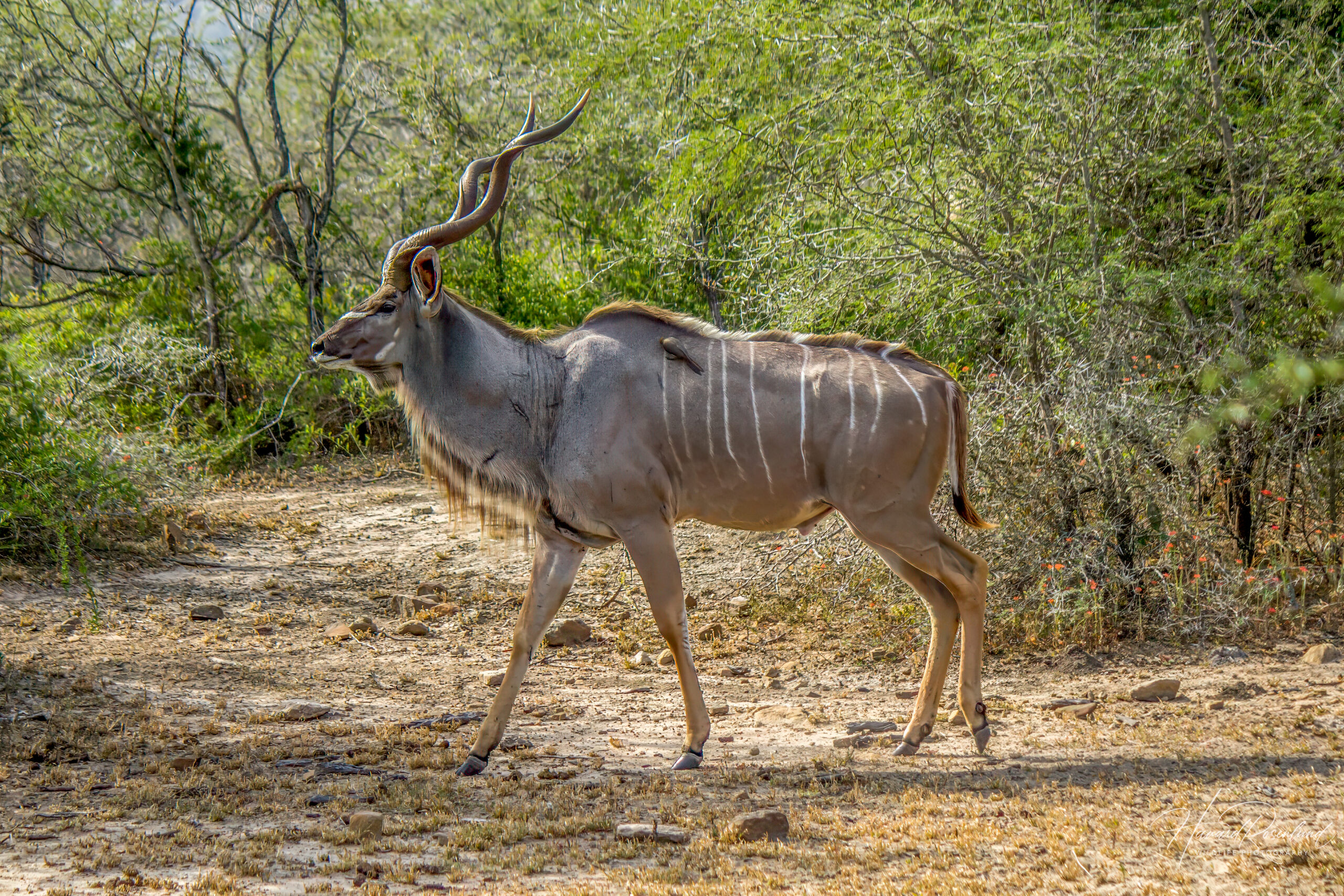
The greater kudu (Tragelaphus strepsiceros) is one of Africa’s largest antelopes and the larger of the two kudu species, the other being the lesser kudu (Tragelaphus imberbis). Head-and-body length is about 185–245 cm. The species shows pronounced sexual dimorphism: females commonly weigh 120–210 kg, while males usually weigh 190–270 kg. Exceptional bulls may reach about 315 kg, and large males can stand roughly 140–157 cm at the shoulder.
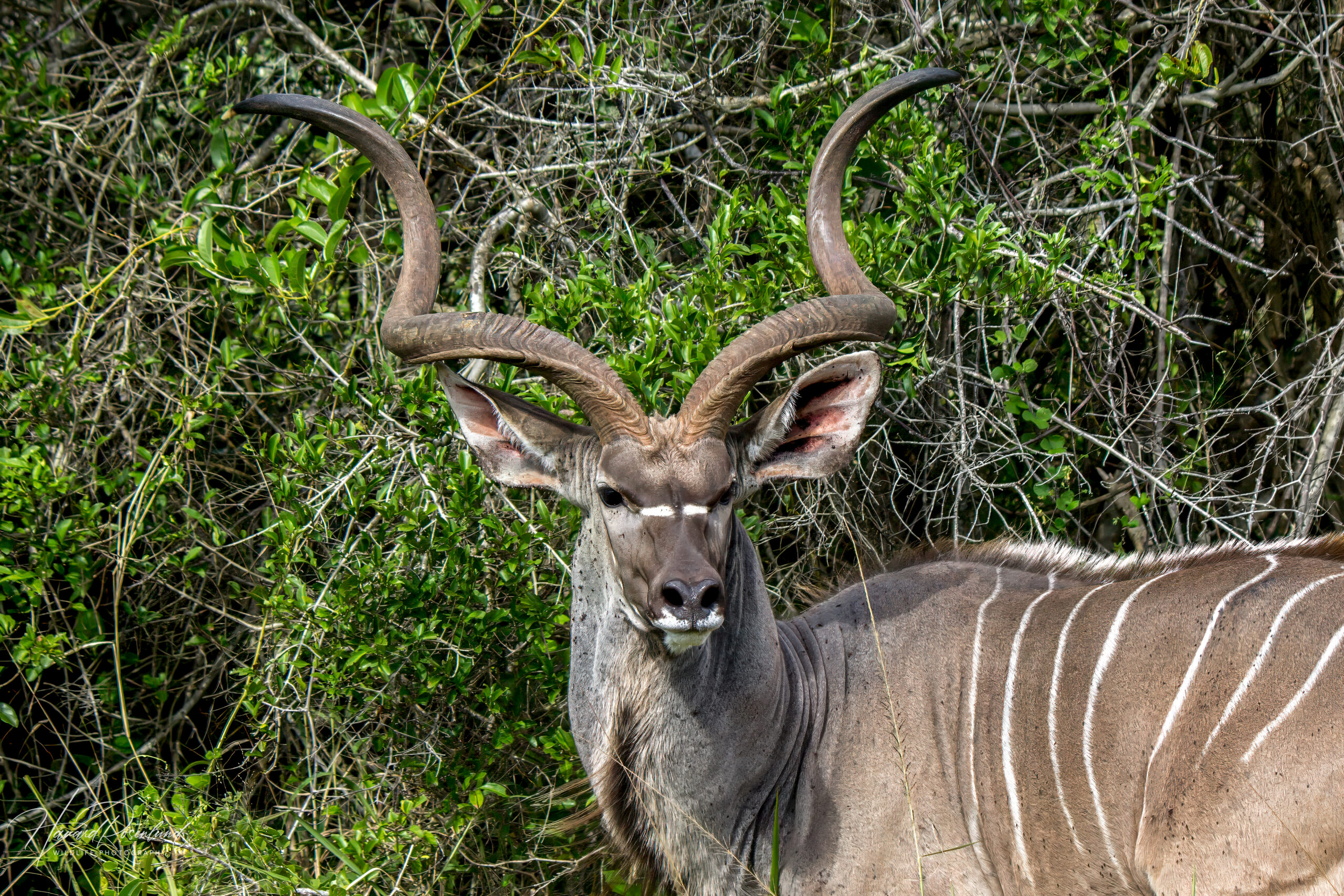
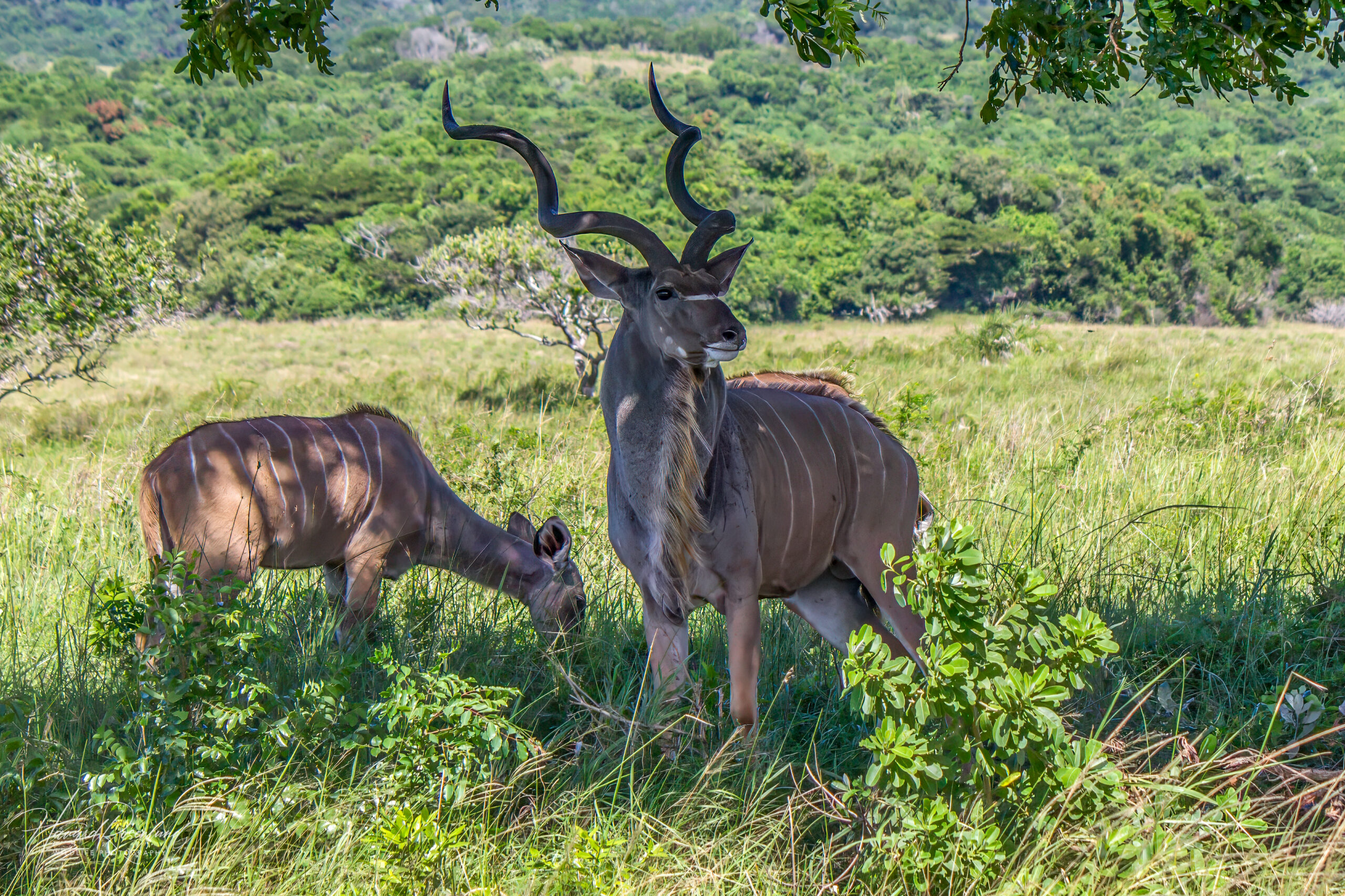
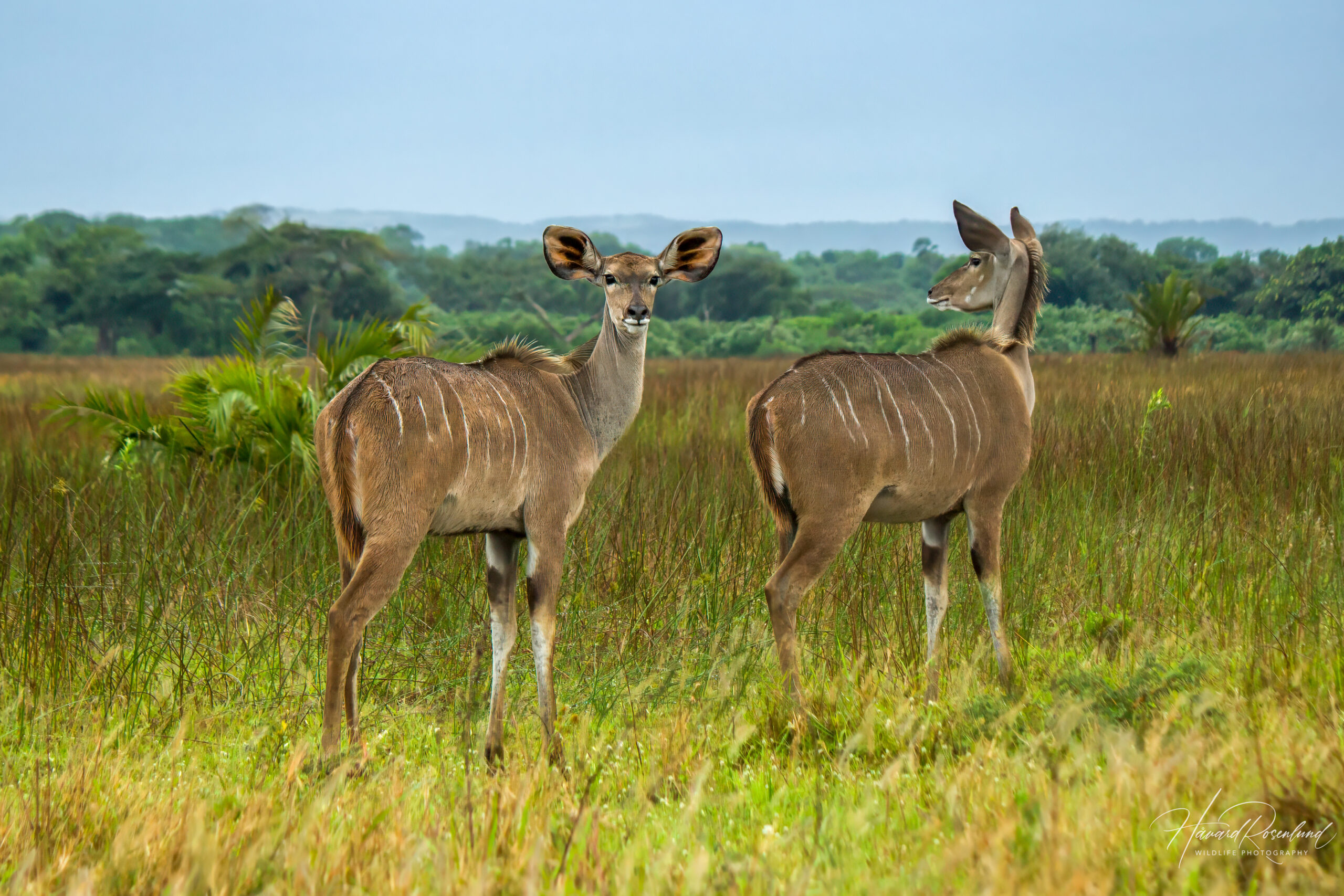
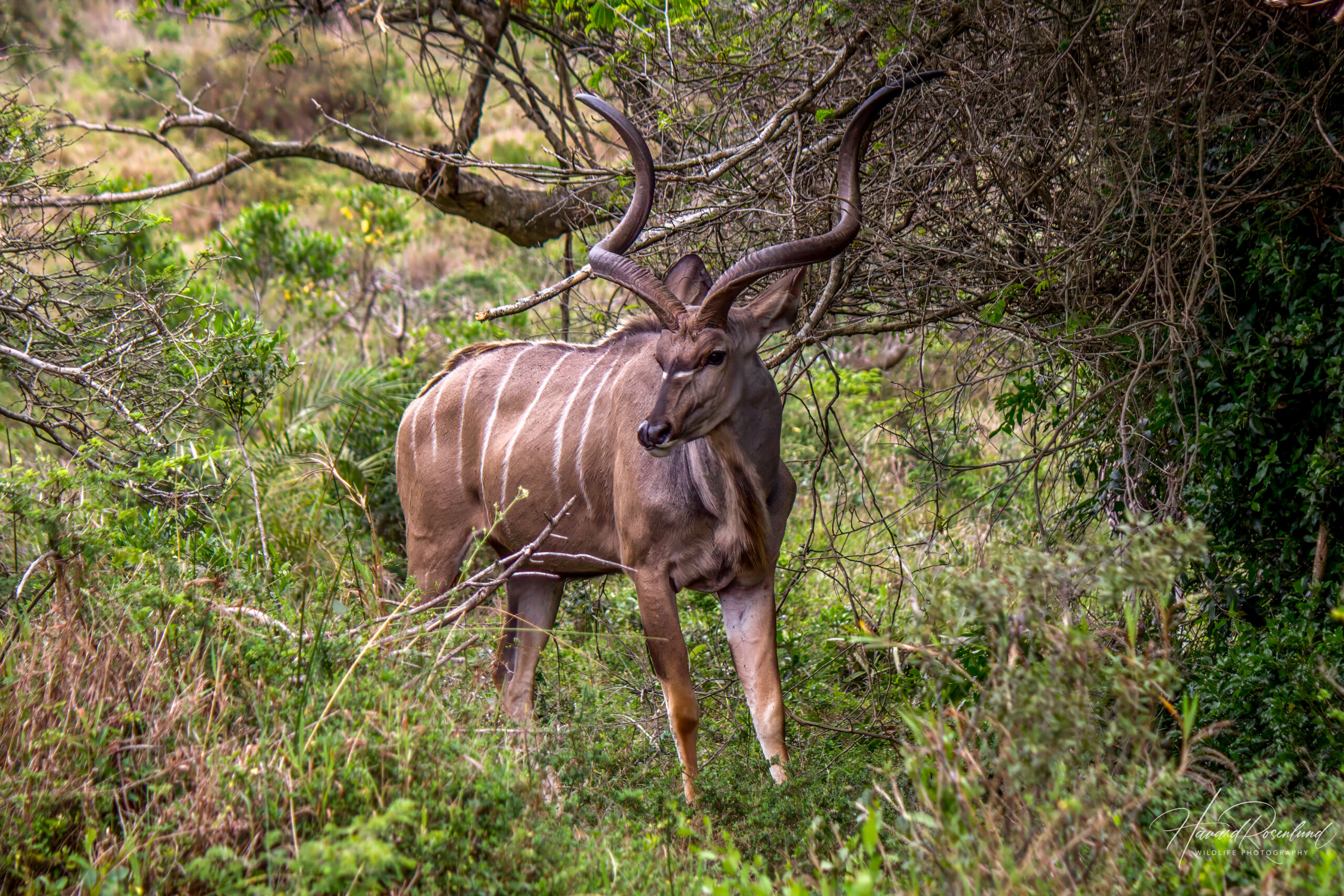
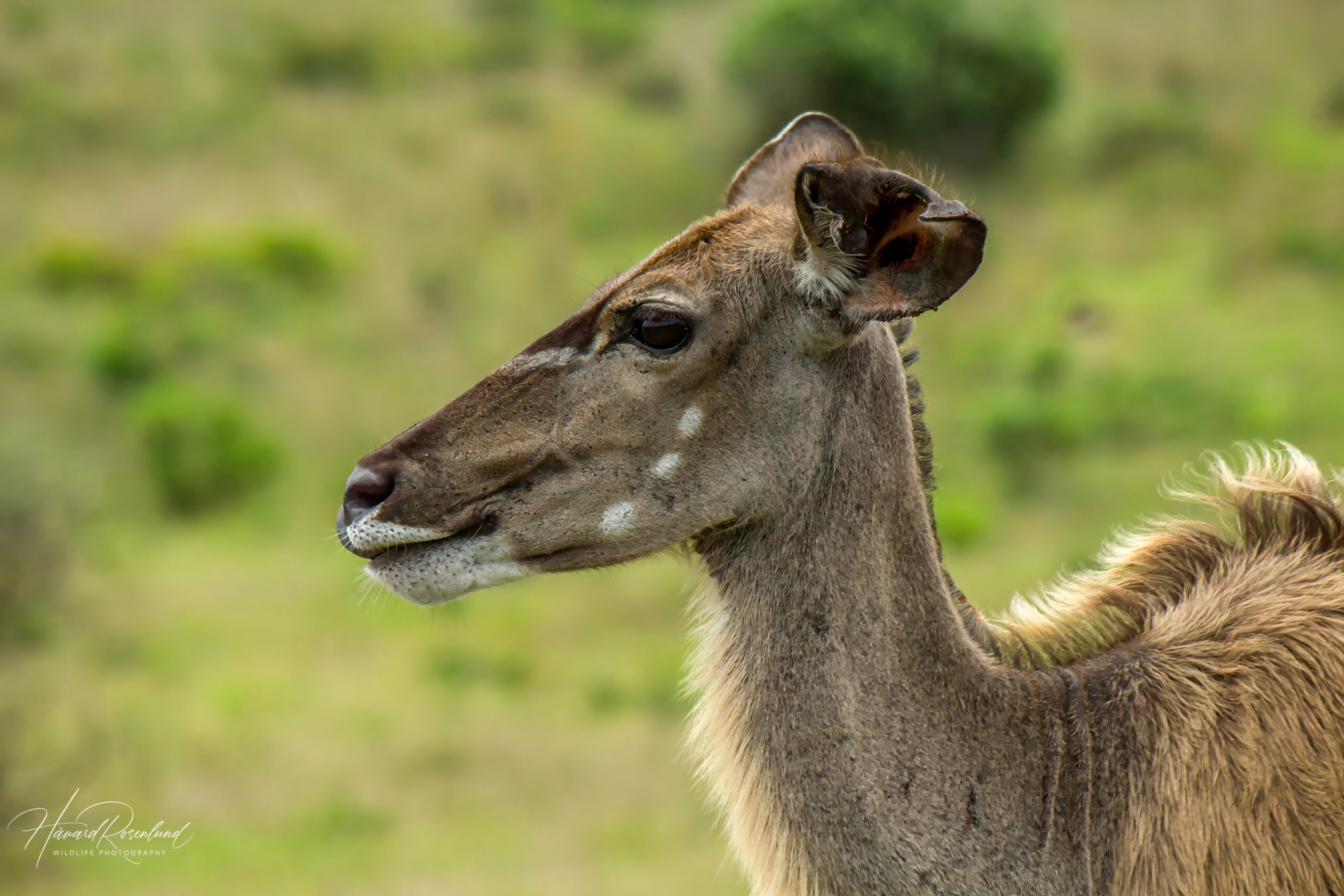
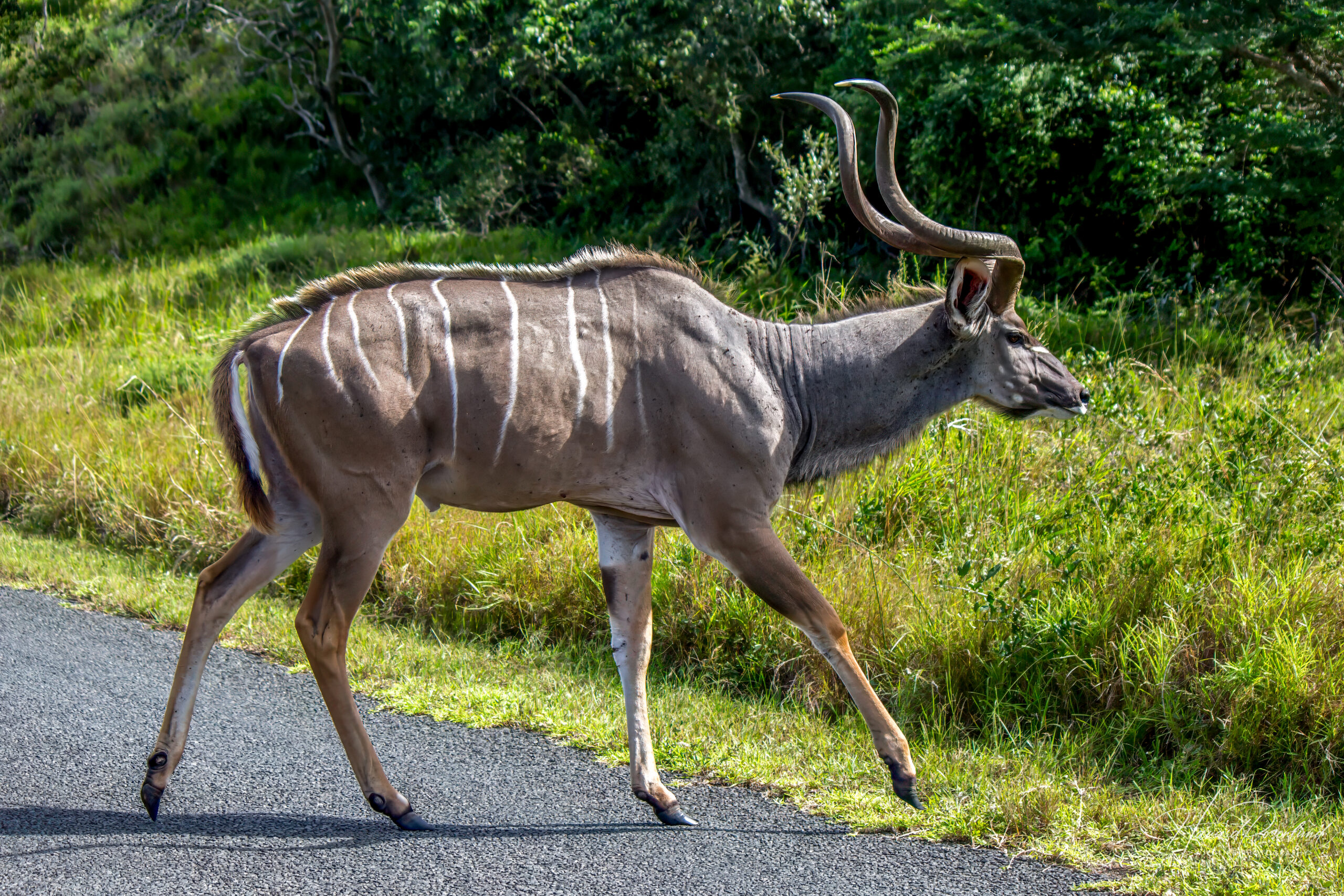
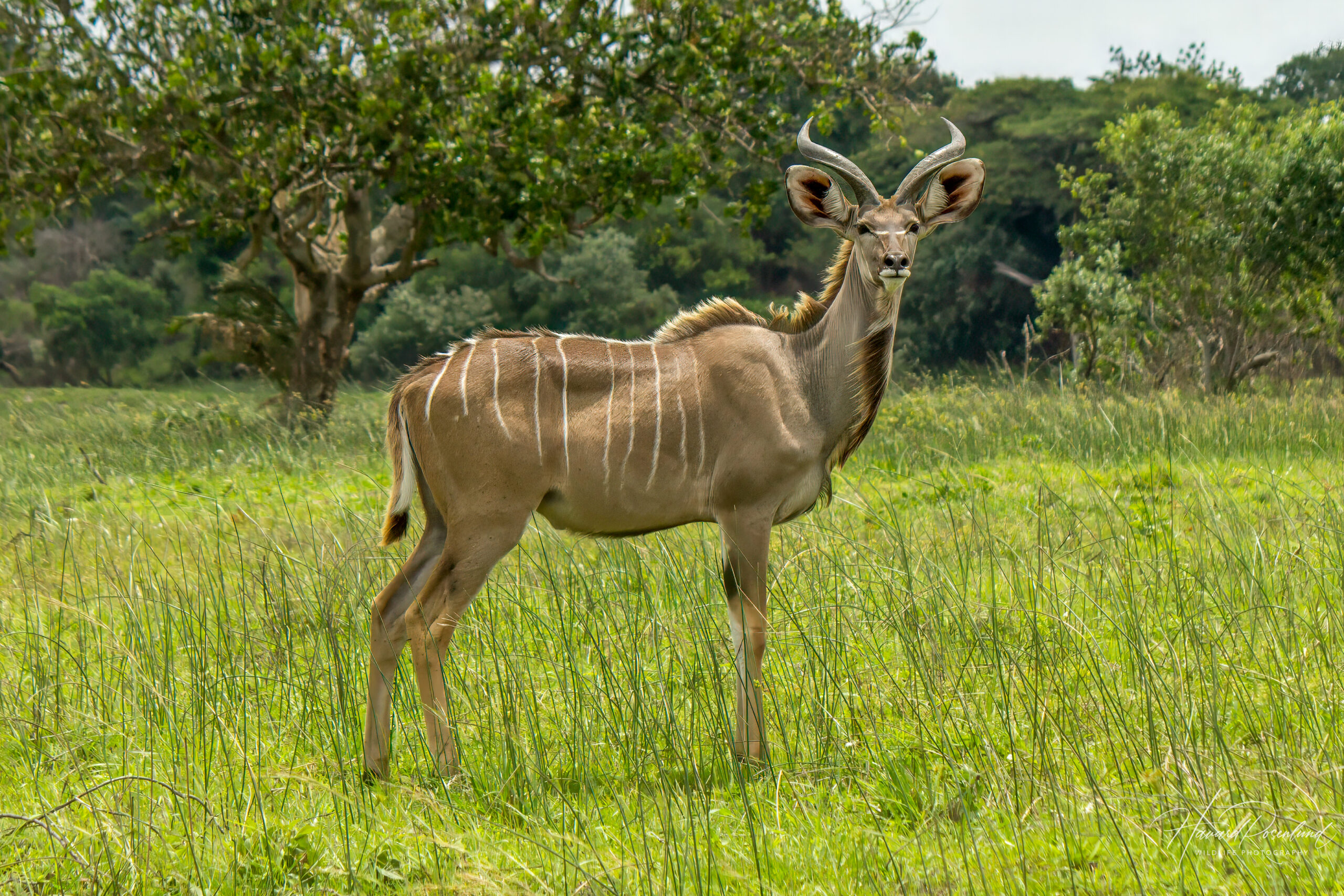
Both sexes have very large rounded ears, a white chevron between the eyes and 4–12 pale vertical stripes on the flanks. Coat colour ranges from reddish brown to blue-grey. Males become darker with age, develop a pronounced throat fringe and carry the species’ famous spiral horns; females are hornless.
Taxonomy
The Mammal Diversity Database currently recognises one greater kudu species, Tragelaphus strepsiceros, with Strepsiceros retained as a subgenus. Groves & Grubb (2011) instead elevated several geographic forms and treated strepsiceros, chora, cottoni and zambesiensis as separate species.
Genetic studies show clear differences between kudu populations in different parts of Africa. The 2025 southern African assessment describes three clearly differentiated genetic groups, with further differences also present within southern Africa. This matters when kudus are moved between managed populations, because animals that look very similar may still have different geographic and genetic backgrounds.
Habitat
Greater kudus favour woodland, bushland, rocky hillsides and thickets that provide both food and concealment. They avoid extensive open grassland but readily use edges, regenerating woodland and settled landscapes where sufficient vegetation cover remains.
Dense cover is especially important when predators are nearby, but kudus can also move long distances between patches of suitable habitat. They drink readily when water is available, yet can obtain much of their moisture from vegetation and become more dependent on free water during severe dry periods.
Diet
Greater kudus are primarily browsers. Their diet includes leaves, shoots, herbs, flowers, fruit, seed pods and occasionally roots, bulbs and seasonal grass. The exact mixture changes with rainfall and plant growth, allowing the species to make use of very different woodland and bushland communities.
Feeding is concentrated in the cooler parts of the day, especially early morning and late afternoon, although animals can browse at night. During hot periods they spend more time resting in shade and ruminating.
Behaviour
Activity varies with temperature, access to water and disturbance. Field observations in Namibia found clear activity peaks during the early morning and late afternoon, with most resting around midday. Foraging took up the largest part of observed daytime activity, followed by resting and movement.
Age and sex also influence behaviour. Adult males moved more and spent less time feeding than females and younger males in the Namibian study, while calves were inactive for about 57% of the time they were observed during the day. Adults were also much more vigilant than younger animals.
When startled, a kudu usually makes a short, powerful dash towards the nearest dense cover. The tail is raised to expose its white underside, and adult bulls carry the head so that the long horns lie back along the shoulders while running through vegetation. Once cover is reached, the animal may stop and turn to assess the source of the disturbance.
Social behaviour
Females and young form small groups, commonly of 3–10 animals but sometimes larger. Young males often form bachelor groups. A two-year field study in the Eastern Cape, South Africa, found that bulls left their stable maternal groups at about two years of age and then formed loose associations with other young males. Mature bulls are frequently solitary or move in small male groups outside the rut, then join female groups during the breeding season. Greater kudus are not strongly territorial, and overlapping home ranges are normal.
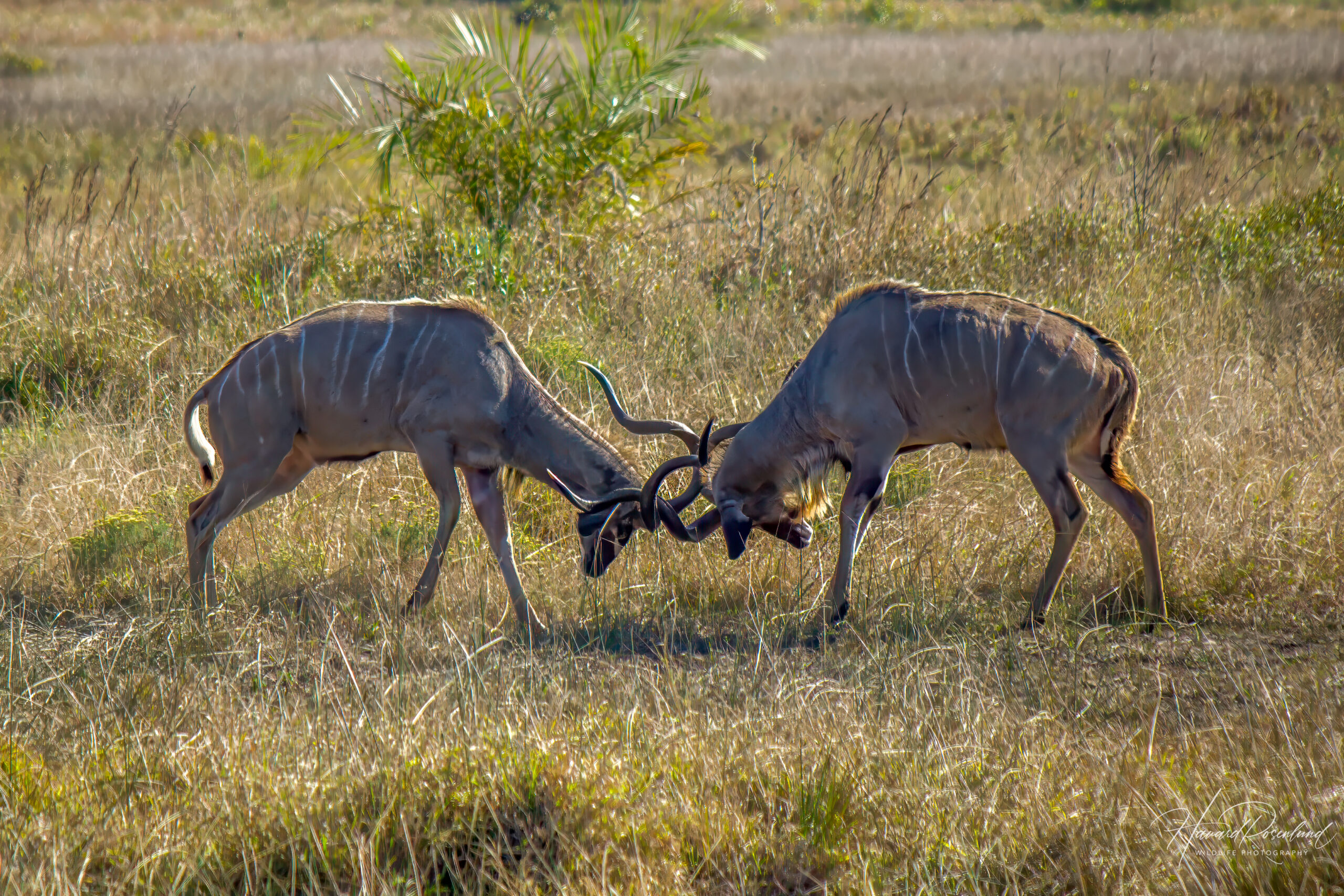
Adult bulls usually establish dominance through body size, posture and horn displays before direct contact becomes necessary. When similarly matched males do spar, they interlock the spiral horns and push. Rarely, the horns become so tightly entwined that the animals cannot separate; resulting fatal cases have been documented in the field.
Horn growth provides a rough indication of age. Growth begins at about 6–12 months, the first complete twist forms around two years, and the characteristic two to two-and-a-half turns are reached progressively over the following years. Full horn length is often not attained until around six years of age. Mature horns commonly measure around 120 cm along the curve, while exceptional records have approached 1.9 m.
Predation
Greater kudus are important prey for several large African carnivores. Lions (Panthera leo), leopards (Panthera pardus), spotted hyenas (Crocuta crocuta) and African wild dogs (Lycaon pictus) all take kudu. Cheetahs (Acinonyx jubatus) also kill kudu, with studies showing that calves and juveniles are especially vulnerable. Research from Hwange National Park, Zimbabwe, found kudu among the most frequently taken prey by wild dogs and showed that they were killed more often than availability alone would predict.
To avoid predators, kudus rely heavily on concealment and hearing. Their huge ears can be rotated towards faint sounds, and an alarmed kudu often freezes before slipping into cover or giving a deep barking alarm call. If forced to flee, kudus move surprisingly well through broken woodland and can clear obstacles around 2 m high. Calves are especially vulnerable and remain concealed in dense vegetation during their first weeks of life.
Reproduction
In southern Africa the rut generally follows the rainy season, although timing varies across the species’ wide range. Males join female groups and court receptive females rather than defending permanent breeding territories. Gestation lasts about 259–271 days and normally produces one calf.
During courtship, a bull moves among females and investigates scent around the hindquarters and urine to identify a receptive female. Once interested in a particular cow, he may follow her closely with the head and neck stretched forwards and direct most of his attention towards her. Field studies in Kruger and Namibia also found that kudu bulls do not normally herd female groups or nearly stop feeding during the rut; their daily routine changes far less than in many deer with a more intense rut.
The female leaves her group shortly before giving birth. Long-term field observations in the Eastern Cape showed that a calf can leave its mother at around 24 hours after birth to find a hiding place in vegetation. The mother returns regularly to nurse it, but the calf otherwise remains hidden alone for much of the time. This hiding phase lasts several weeks before the calf regularly rejoins its mother and the group.
Greater kudus can live for around 15 years in the wild, while captive individuals may survive beyond 20 years.
Disease
Greater kudu have an unusual relationship with rabies in Namibia. The disease was first recorded in kudu around Windhoek in the 1970s, and during the first major outbreak from 1977 to 1986 an estimated 30,000–50,000 kudus died. Another major outbreak in 2002–2003 killed an estimated 2,500 animals. Among wild animals submitted for rabies testing in Namibia from 2001 to 2019, kudu accounted for 755 of 1,059 laboratory-confirmed cases. These figures include only suspect animals that were found and submitted for testing.
Why kudus are affected so strongly has long been debated. Earlier genetic studies suggested that the virus might sometimes circulate among kudus without constant reintroduction from outside, and experiments have shown both high susceptibility and occasional transmission between kudus. A major review published in 2022 concluded, however, that the evidence as a whole does not show that kudu maintain a completely independent rabies cycle. More recent monitoring instead points to close links with rabies in canids, especially black-backed jackals and domestic dogs.
The importance of the disease has led to trials of oral vaccination. Experimental studies show that kudus can develop immunity from vaccine delivered in bait, although distributing it effectively to free-ranging animals remains a practical challenge.
Cultural significance
The greater kudu’s long spiral horns have acquired cultural importance far beyond their biological role. In southern Africa kudu horns have traditionally been made into natural trumpets used for music and signalling; museum collections document such instruments, and the Bakwena of Botswana have maintained a specific tradition around the lenaka la tholo, or kudu horn.
The same dramatic shape has also found a place outside Africa. Long kudu horns are used for some forms of the Jewish shofar, especially in traditions favouring a long, curved ceremonial horn.
Relationship with humans
Greater kudus are important animals in wildlife tourism, private game management and regulated wildlife use across southern Africa. Their meat is also used as game meat, and the large horns have long been valued as trophies and as decorative or functional objects. Much of the regional population now occurs on private conservation land and game farms.
Human changes to the landscape can work in both directions. Clearing woodland removes cover and food, while artificial water points in some dry regions have allowed kudus to use areas that were formerly only marginal habitat. Moving animals between private properties has also altered local distributions, making the regional origin of moved animals increasingly important.
Status
The greater kudu is listed as Least Concern on the IUCN Red List. The global assessment published in 2016 describes the species as widespread across eastern and southern Africa, although no recent range-wide census is available.
The 2025 regional assessment for South Africa, Eswatini and Lesotho also lists the species as Least Concern and reports an increasing regional population trend. Using counts made mainly in 2013–2015, it estimated 63,708–67,383 mature animals in the region. Most occurred on private conservation land and game farms, with substantial populations also present in formally protected areas.
Local declines can still result from loss and fragmentation of woodland, unsustainable use, fences and intensive land use. Poorly planned movements of animals can also mix populations that have been geographically separated for long periods. Large protected areas and private reserves maintain large populations, and long-term management should focus on connected woodland while also considering the regional origin of animals that are moved.
Image gallery
Loading map and observations…
Have you seen this species?
Independent species archive
Did you find this species page useful?
Wildlife Vagabond is independently built and maintained. Voluntary support helps cover hosting, maps, data storage and continued improvements to the species archive.
Support Wildlife VagabondSpecies content will remain freely available.
References
Information about the species’ global distribution and status is based primarily on global Red List data. See the references below for details.
- Annighöfer, P., & Schütz, S. (2011). Observations on the population structure and behaviour of two differently managed populations of the greater kudu (Tragelaphus strepsiceros, Pallas 1766) in Namibia. European Journal of Wildlife Research, 57(4), 895-907. https://doi.org/10.1007/s10344-011-0501-6
- Hayward, M. W., O'Brien, J., Hofmeyr, M., & Kerley, G. I. H. (2006). Prey preferences of the African wild dog <i>Lycaon pictus</i> (Canidae: Carnivora): ecological requirements for conservation. Journal of Mammalogy, 87(6), 1122–1131. https://doi.org/10.1644/05-MAMM-A-304R2.1
- International Union for Conservation of Nature. (2016). Tragelaphus strepsiceros. The IUCN Red List of Threatened Species. https://www.iucnredlist.org/species/22054/166487759
- Madzingira, O., Hikufe, E. H., Byaruhanga, C., Lukubwe, M. S., Chinyoka, S., Mwenda, E. N., & Muradzikwa, E. M. (2025). Epidemiology of wild animal rabies in Namibia from 2001 to 2019: implications for controlling the infection in domestic animals. BMC Veterinary Research, 21(1), 227. https://doi.org/10.1186/s12917-025-04692-1
- Mammal Diversity Database. (2026). Tragelaphus strepsiceros. American Society of Mammalogists. https://www.mammaldiversity.org/taxon/1006283/
- Müller, T., Hassel, R., Jago, M., Khaiseb, S., van der Westhuizen, J., Vos, A., Calvelage, S., Fischer, S., Marston, D. A., Fooks, A. R., Höper, D., & Freuling, C. M. (2022). Rabies in kudu: Revisited. Advances in Virus Research, 115-173. https://doi.org/10.1016/bs.aivir.2022.04.001
- Owen-Smith, N. (1984). Spatial and temporal components of the mating systems of kudu bulls and red deer stags. Animal Behaviour, 32(2), 321-332. https://doi.org/10.1016/S0003-3472(84)80264-X
- Perrin, M. R. (1999). The social organisation of the greater kuduTragelaphus strepsiceros(Pallas 1766). Tropical Zoology, 12(2), 169-208. https://doi.org/10.1080/03946975.1999.10539388
- Phibion, O. S., & Rabatoko, F. (2020). Revitalising the Traditional Use of the Kudu Horn by the Bakwena of Botswana. Muziki, 17(2), 40-50. https://doi.org/10.1080/18125980.2021.1905540
- Rakotoarivelo, A. R., Rambuda, T., Taron, U. H., Stalder, G., O’Donoghue, P., Robovský, J., Hartmann, S., Hofreiter, M., & Moodley, Y. (2024). Complex patterns of gene flow and convergence in the evolutionary history of the spiral-horned antelopes (Tragelaphini). Molecular Phylogenetics and Evolution, 198, 108131. https://doi.org/10.1016/j.ympev.2024.108131
- Sandoval‐Serés, E., Mbizah, M., Phiri, S., Chatikobo, S. P., Valeix, M., van der Meer, E., Dröge, E., Madhlamoto, D., Madzikanda, H., Blinston, P., & Loveridge, A. J. (2024). Food resource competition between African wild dogs and larger carnivores in an ecosystem with artificial water provision. Ecology and Evolution, 14(3), e11141. https://doi.org/10.1002/ece3.11141
- Smith, C., & da Silva, J. M. (2025). A conservation assessment of <i>Tragelaphus strepsiceros</i>. South African National Biodiversity Institute and Endangered Wildlife Trust. https://ewt.org/project/greater-kudu/
- The Metropolitan Museum of Art. (n.d.). Metropolitan Museum of Art. South African kudu horn instrument. https://www.metmuseum.org/art/collection/search/501084