
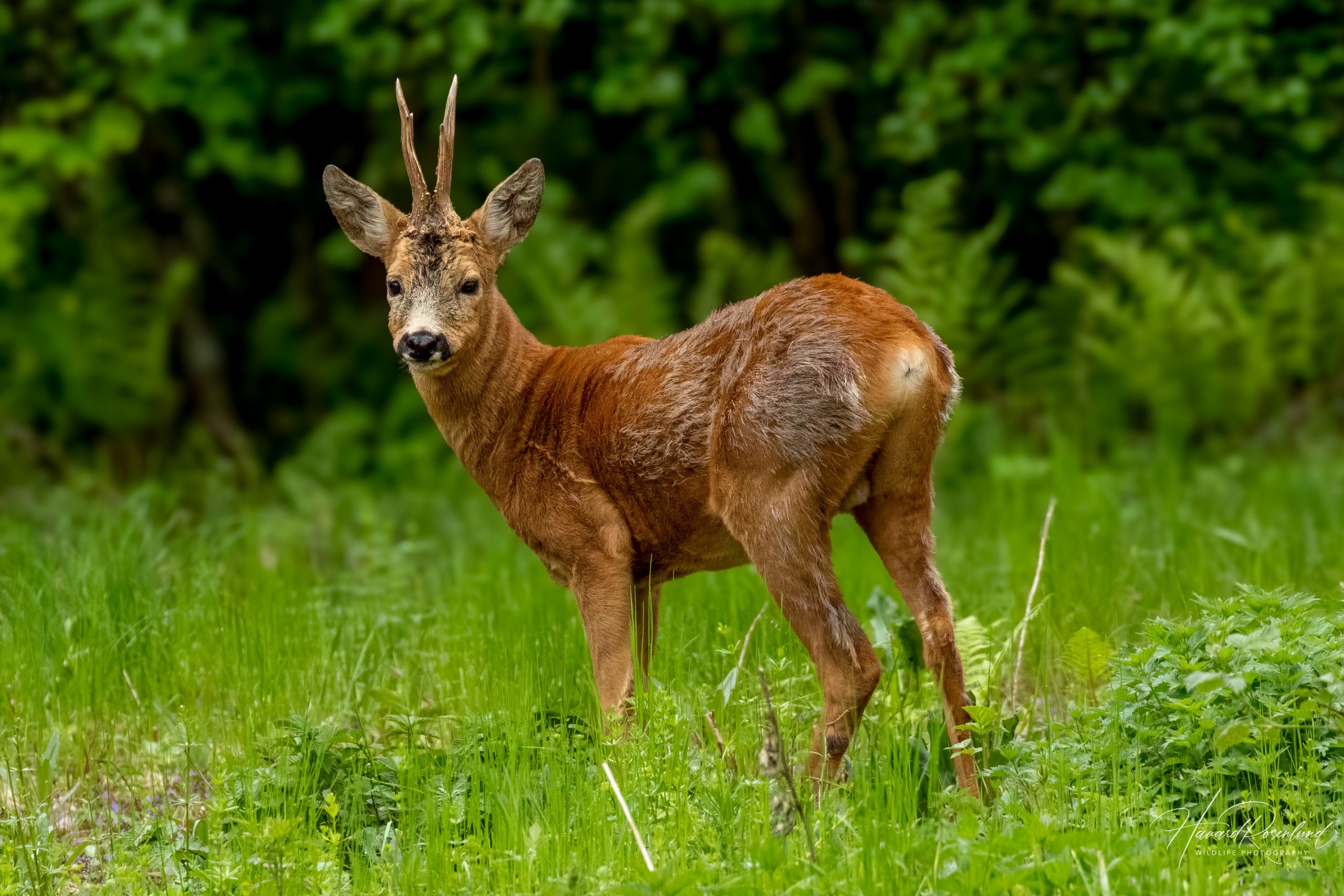
European Roe Deer
Capreolus capreolus
At a glance
Habitat
- Woodland edges, farmland, scrub and other mosaic landscapes combining rich feeding areas with nearby cover
Diet
- Selective browser; leaves, herbs, shoots, buds, grasses, fungi and other nutrient-rich plant material
Activity
- Most active around dawn and dusk, with several shorter feeding periods through the day and night
Size
- Length: 95–130 cm Weight: 25–35 kg
Range
- Most of Europe and western Asia, from the Mediterranean north into Scandinavia
Description
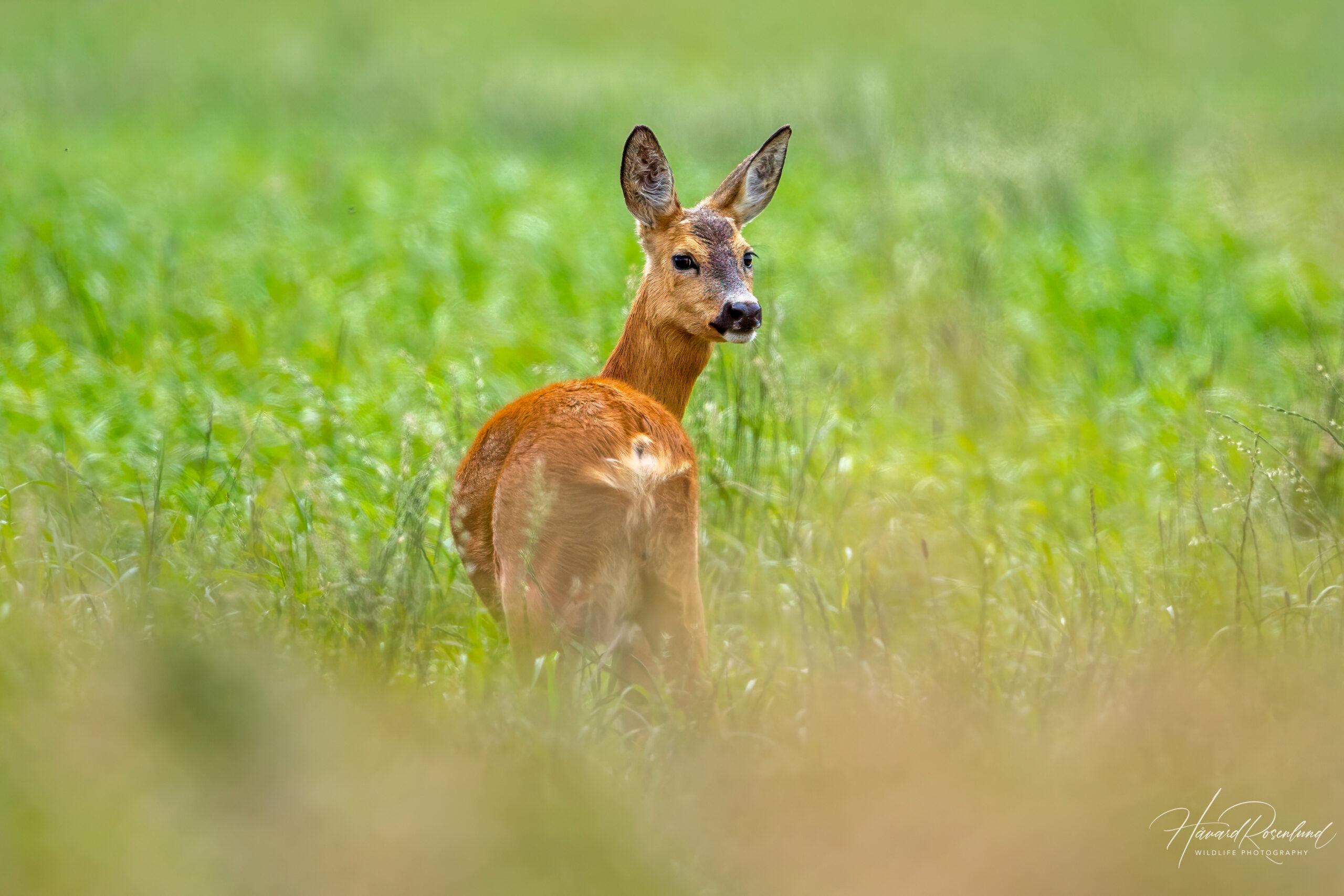
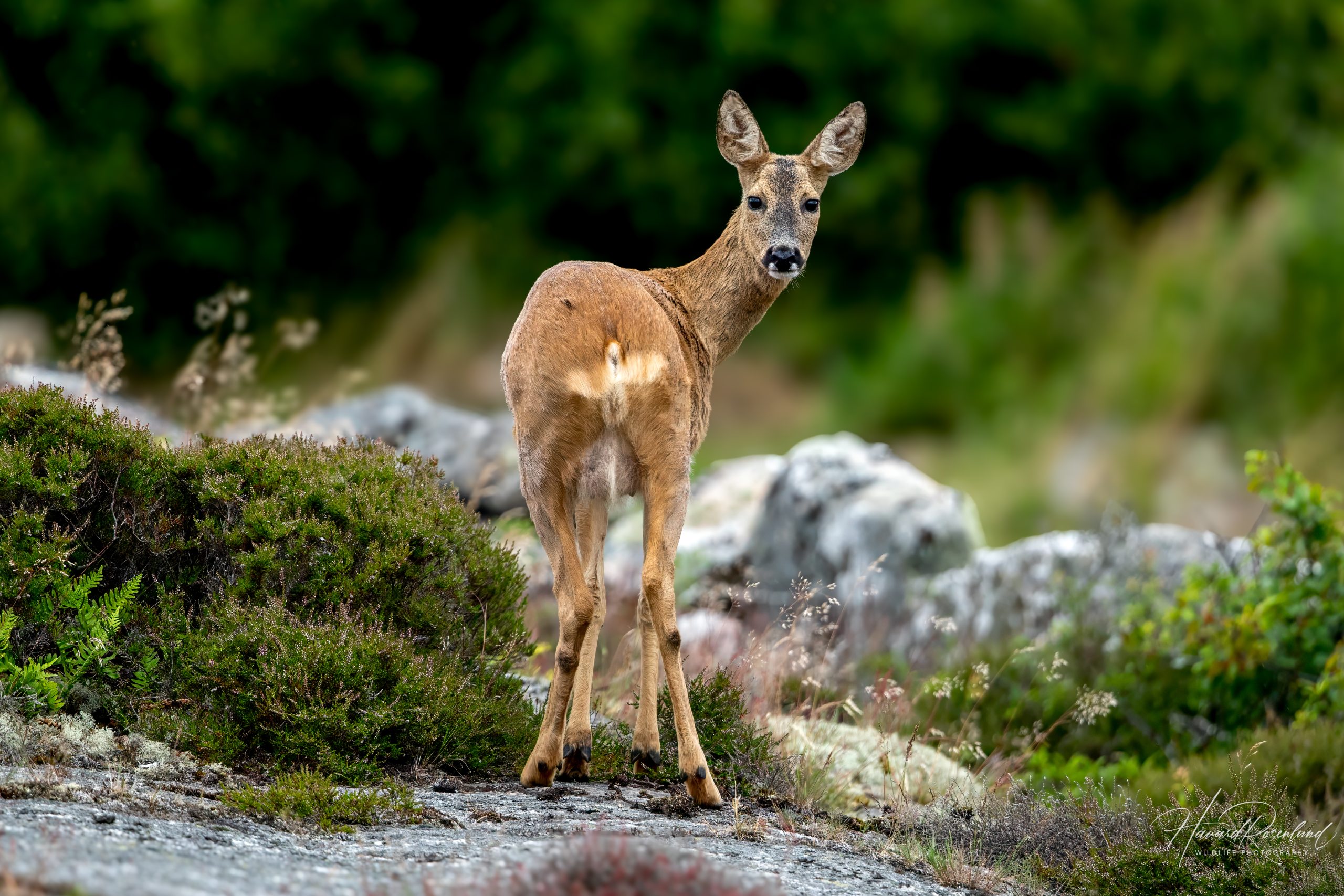
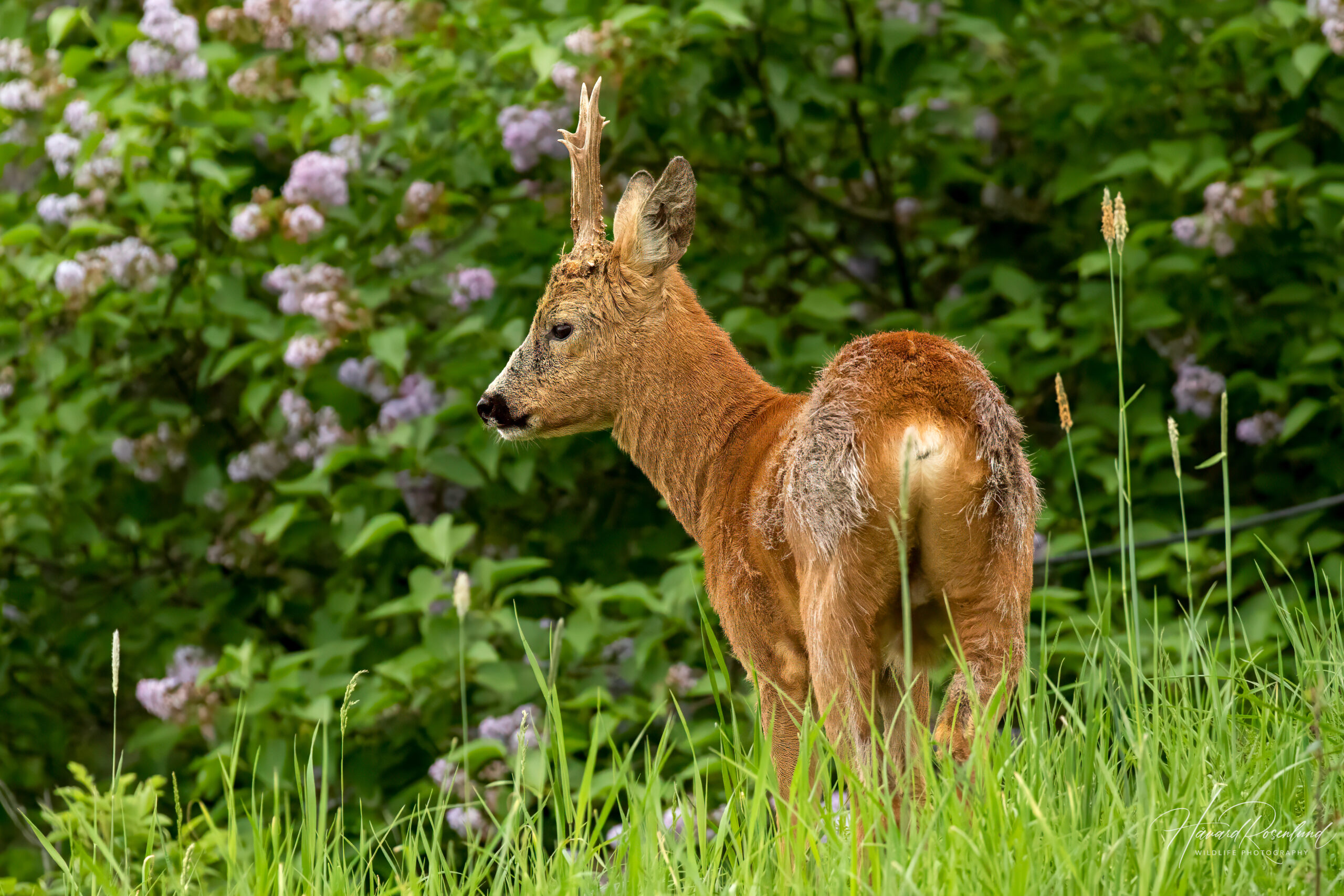
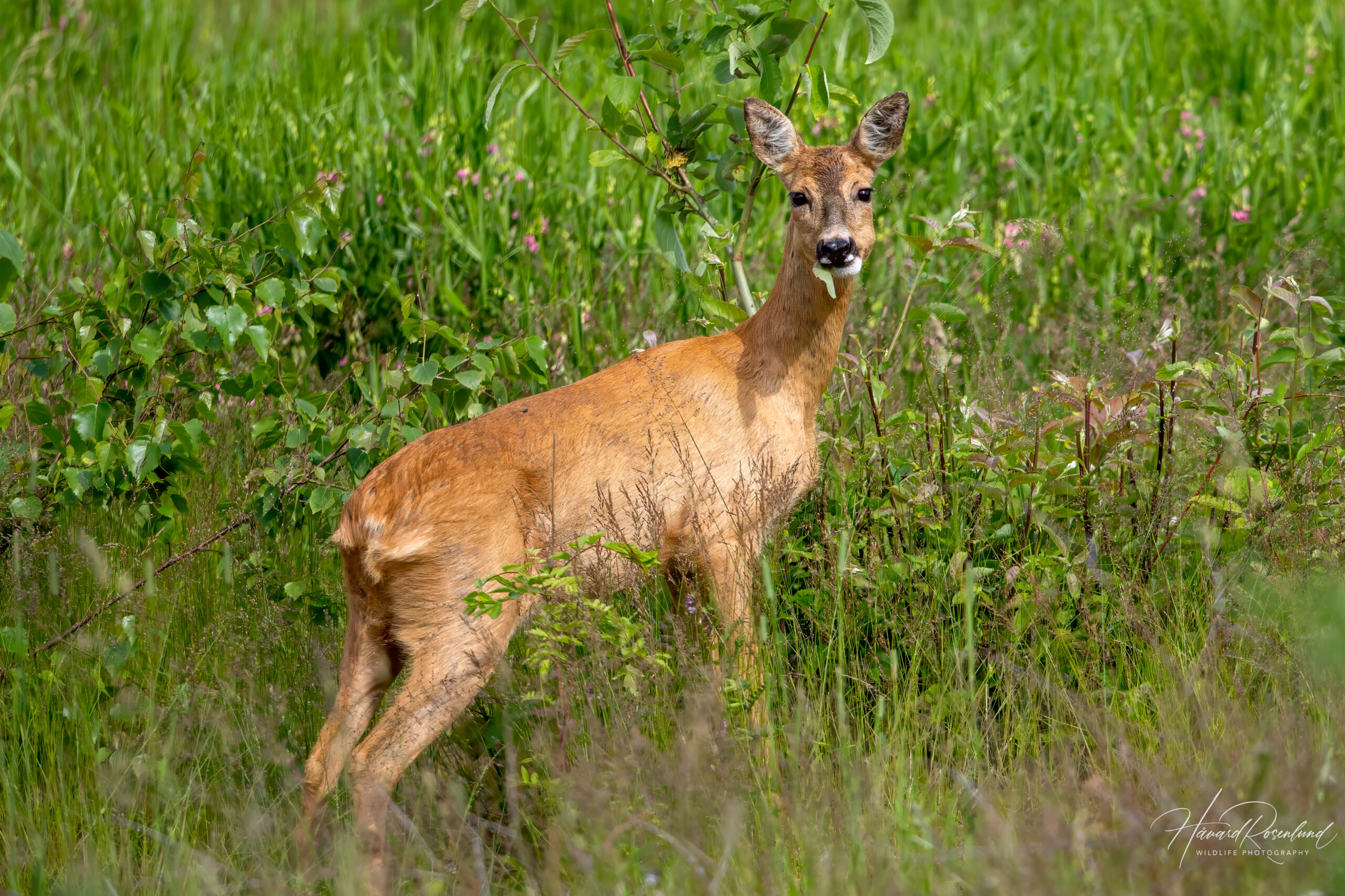
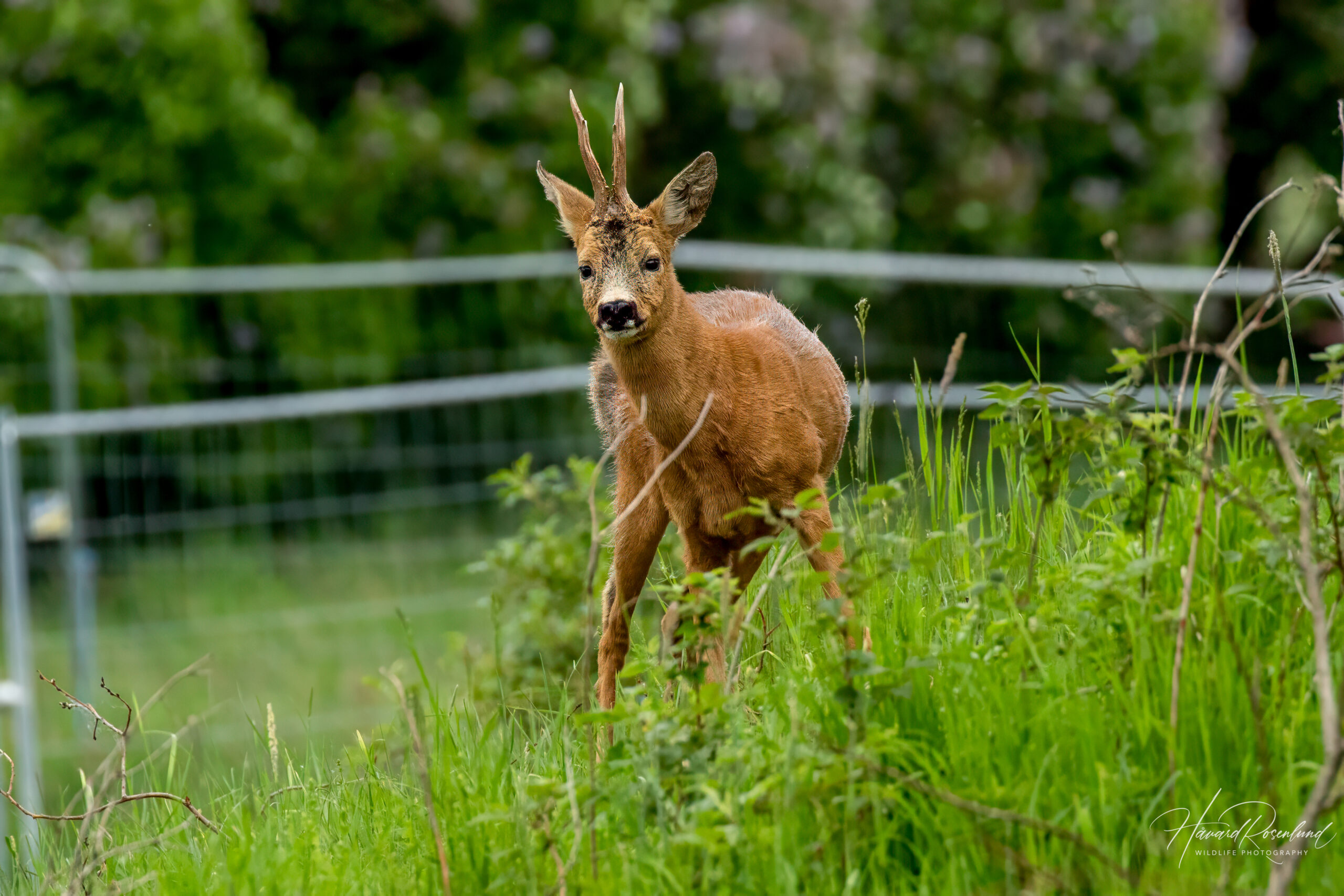
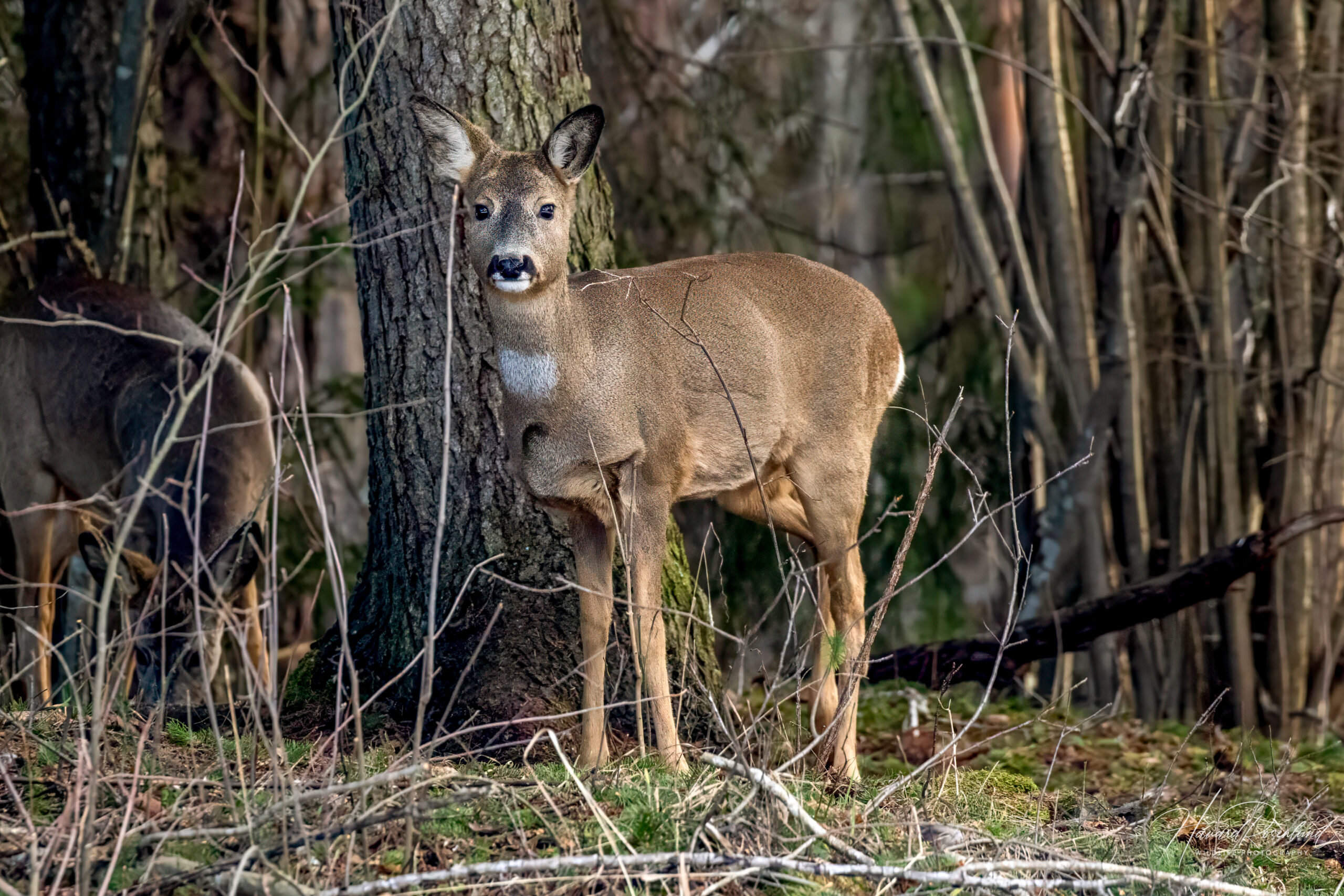
The European roe deer (Capreolus capreolus) is a small, lightly built deer found across most of Europe and into western Asia. Adults are roughly 95–130 cm long, stand about 65–80 cm at the shoulder and usually weigh about 25–35 kg, with northern animals tending to be larger. The summer coat is rich reddish-brown, changing to thicker grey-brown fur in winter. A conspicuous pale rump patch, or mirror, is visible year-round.
Only males normally carry antlers. These are short and usually develop three points on each side in mature bucks. The antlers are shed in late autumn or early winter and regrown under velvet before the following spring. Roe deer are also surprisingly vocal: an alarmed animal may give a loud bark that can easily be mistaken for a dog.
Habitat
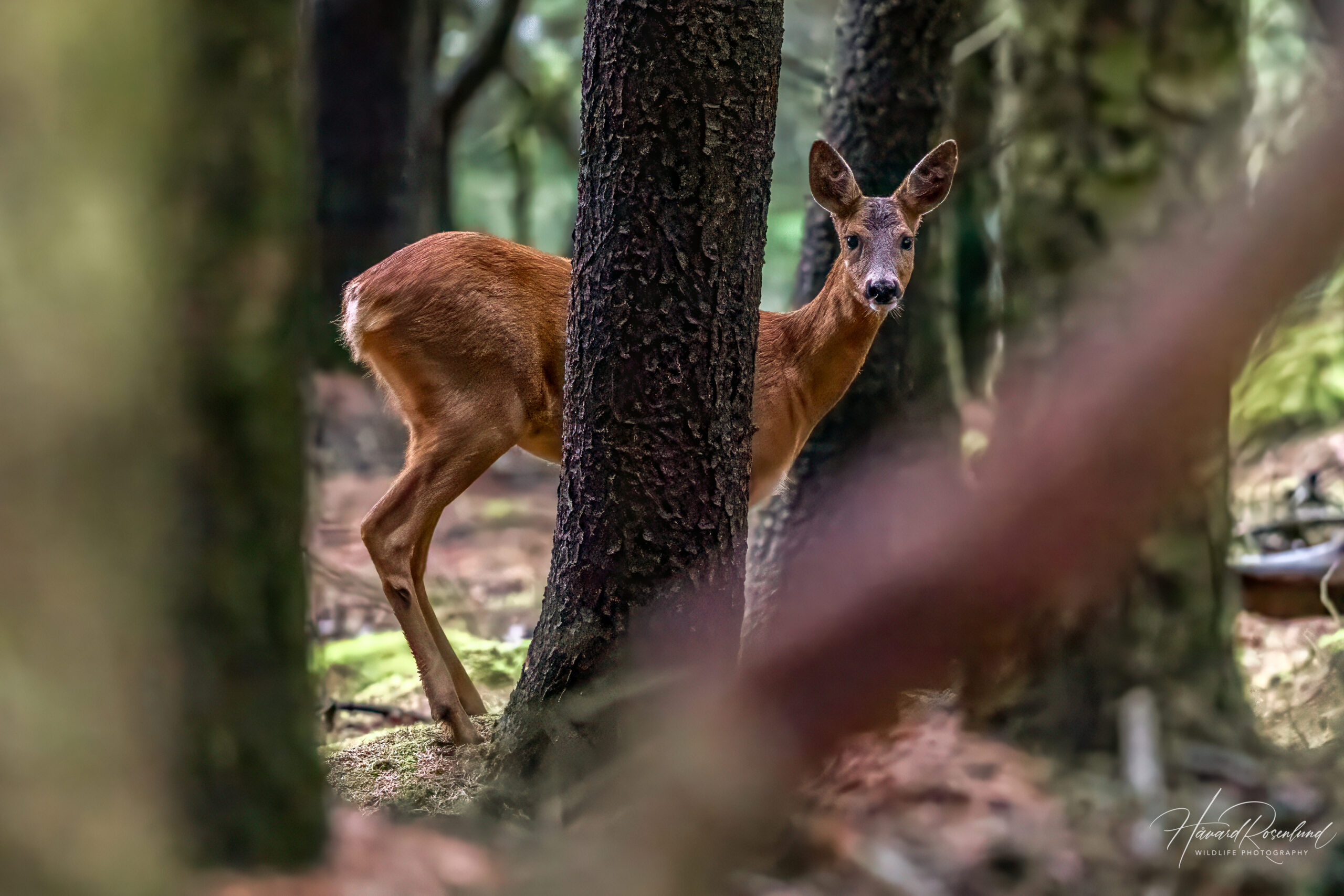
Roe deer thrive in mosaic landscapes where woodland, scrub and open feeding areas lie close together. Forest edges, young woodland, farmland and semi-natural grassland are particularly suitable because the animals can move quickly between nutritious forage and dense cover.
The species is highly adaptable and can persist in both predominantly forested and strongly agricultural landscapes. Dense vegetation is important for resting and hiding fawns, while field margins, clearings and other productive patches provide high-quality feeding. This preference for edges and small-scale habitat variation helps explain the roe deer’s success in landscapes heavily modified by people.
Diet
Roe deer are highly selective browsers rather than bulk grazers. Their relatively small rumen favours easily digested, nutrient-rich plants and plant parts, including herbs, leaves, fresh shoots, buds, grasses, heather, crops and fungi.
Food quality changes strongly through the year. Spring and summer offer abundant young vegetation, while winter food becomes poorer and often consists of woody buds, evergreen shoots and whatever green plants remain accessible. Roe deer respond by reducing activity and energy expenditure during demanding winter conditions.
Behaviour
Roe deer are generally less social than many larger deer. Adult males are often solitary and defend territories during spring and summer, using scent marking and direct aggression to exclude rivals. Females live with their current young, and older offspring may remain nearby outside the breeding season. Larger groups are most often seen in winter, particularly where snow or concentrated feeding areas bring animals together.
Activity is usually greatest around dawn and dusk, but feeding is spread across several shorter bouts during both day and night. When alarmed, roe deer may bark, stamp and make the pale rump patch more conspicuous as they bound away. Individuals living close to people can become much more tolerant of predictable human activity while remaining highly alert to unfamiliar disturbance.
Predation
Eurasian lynx (Lynx lynx) are major predators of roe deer across much of Central and northern Europe and often take adults as well as younger animals. Lynx predation can account for a substantial share of annual mortality and measurably reduce local roe deer population growth.
Red foxes (Vulpes vulpes) are especially important predators of newborn fawns and can be one of the main causes of mortality during the first weeks of life. Roe deer therefore face very different predator pressures through life: hiding and camouflage dominate during the first weeks, while older animals rely more on vigilance, rapid acceleration and access to cover.
Reproduction
The rut occurs unusually early for a temperate deer, mainly in July and August. Bucks defend territories and pursue receptive females, sometimes following them repeatedly around trees or patches of vegetation. After fertilisation, roe deer enter an exceptional reproductive phase known as embryonic diapause, or delayed implantation.
The early embryo remains free in the uterus for roughly four to five months before implantation around the turn of the year. A study published in 2024 showed that this is not a complete developmental stop: development continues at an extremely slow pace before accelerating rapidly as diapause ends. Including this long diapause, pregnancy lasts roughly nine to ten months in total. Implantation is followed by the main period of fetal growth, with births concentrated in late May and June.
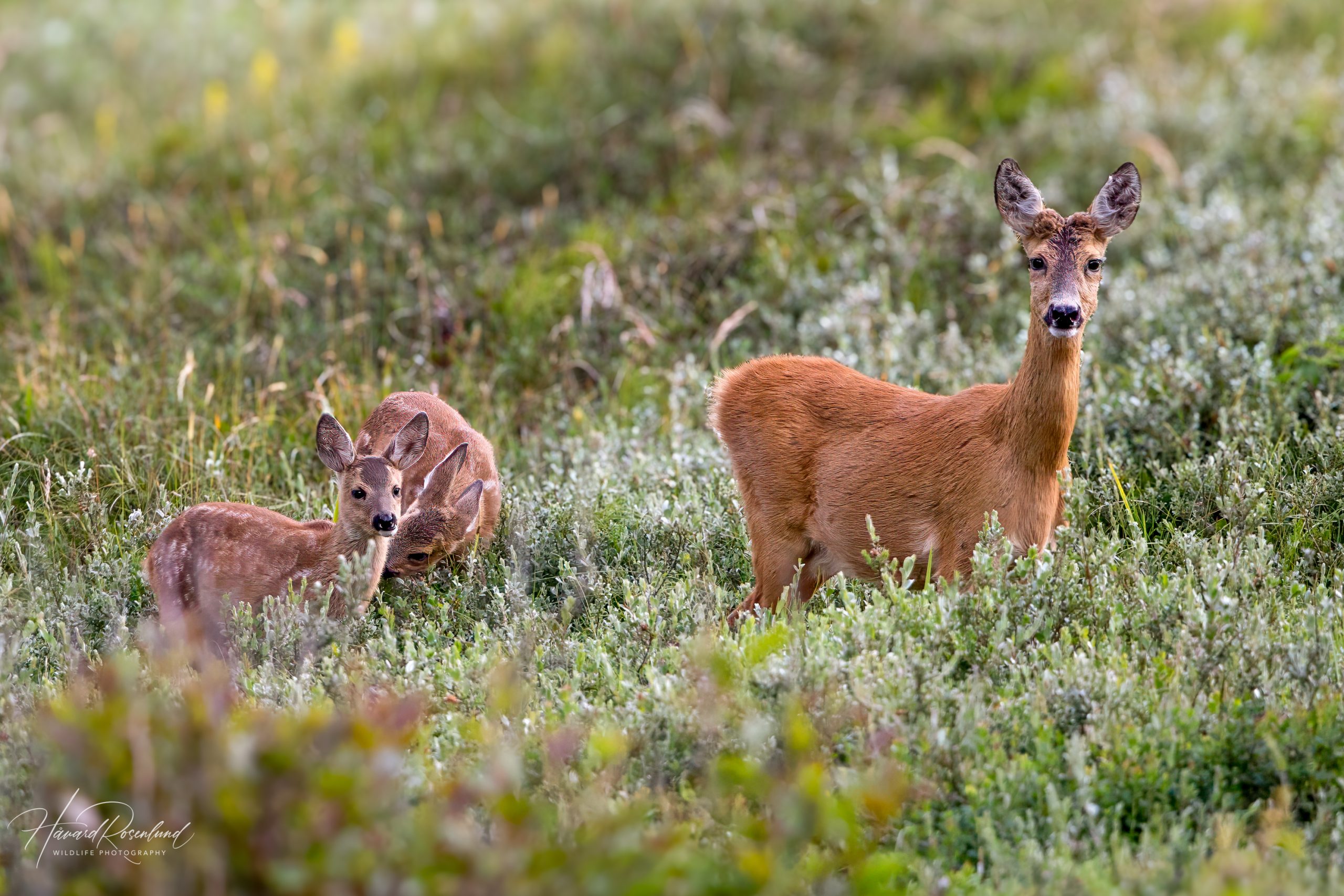
This timing allows mating to occur in summer while fawns are still born when fresh vegetation is abundant. A study published in 2025 found that prime-aged females in better condition tended to end diapause earlier and that timing also varied with the length of the growing season in the year of conception. Females commonly produce twins, and triplets occur under favourable conditions. Newborn fawns spend much of their first weeks lying hidden in vegetation while the mother feeds nearby. They begin sampling vegetation within the first weeks but continue nursing through much of the summer. Females become sexually mature at around 14 months, while males also mature early but usually do not breed until around two to three years of age.
Relationship with humans
Roe deer have benefited from many human-created landscapes. Forestry, farmland, hedgerows, gardens and suburban green spaces can provide a productive mixture of cover and high-quality food, and the species is now a familiar game animal across much of Europe.
High densities can also create conflict through browsing of crops, gardens and young trees. Road collisions are a major source of mortality because roe deer frequently move between small habitat patches and feeding areas, often crossing roads around dawn and dusk. Hunting is therefore only one part of a broader relationship shaped by land use and traffic.
Status
The European roe deer is classified as least concern on the IUCN Red List. It is widespread and abundant across much of Europe and has adapted well to agricultural and forest landscapes.
Image gallery
Loading map and observations…
Have you seen this species?
Independent species archive
Did you find this species page useful?
Wildlife Vagabond is independently built and maintained. Voluntary support helps cover hosting, maps, data storage and continued improvements to the species archive.
Support Wildlife VagabondSpecies content will remain freely available.
References
Information about the species’ global distribution and status is based primarily on global Red List data. See the references below for details.
- Aitken, R. J. (1974). Delayed implantation in roe deer (<i>Capreolus capreolus</i>). Reproduction, 39(1), 225-233. https://doi.org/10.1530/jrf.0.0390225
- Animal Diversity Web. (n.d.). Capreolus capreolus. https://animaldiversity.org/accounts/Capreolus_capreolus/
- International Union for Conservation of Nature. (n.d.). European Roe Deer. The IUCN Red List of Threatened Species. https://www.iucnredlist.org/species/42395/22161386
- Kauffert, J., Ehrmantraut, C., Mikula, P., Tryjanowski, P., Menzel, A., & König, A. (2025). Matching the green wave: growing season length determines embryonic diapause in roe deer. Proceedings of the Royal Society B: Biological Sciences, 292(2047), 20242903. https://doi.org/10.1098/rspb.2024.2903
- Mammal Diversity Database. (n.d.). Capreolus capreolus. American Society of Mammalogists. https://www.mammaldiversity.org/taxon/1006286/
- Rüegg, A. B., van der Weijden, V. A., de Sousa, J. A., von Meyenn, F., Pausch, H., & Ulbrich, S. E. (2024). Developmental progression continues during embryonic diapause in the roe deer. Communications Biology, 7(1), 270. https://doi.org/10.1038/s42003-024-05944-w
- Store norske leksikon. (n.d.). rådyr. https://snl.no/rådyr