
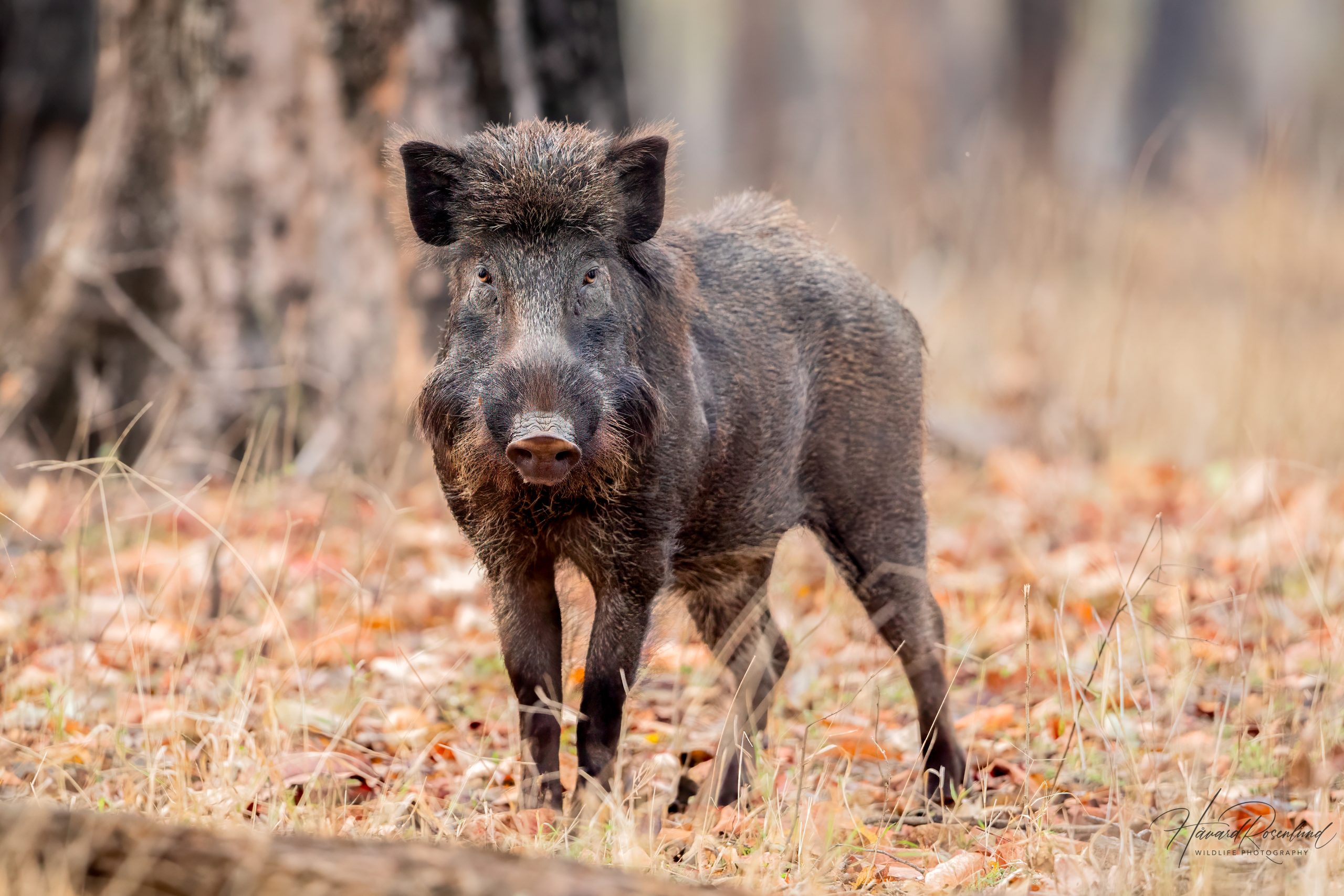
Wild Boar
Sus scrofa
At a glance
Habitat
- Forests, scrub, wetlands, grasslands, farmland and other landscapes with food, cover and water
Diet
- Mostly plant material and fungi, supplemented by invertebrates, eggs, small vertebrates and carrion
Activity
- Flexible; often crepuscular or nocturnal where human disturbance is high
Size
- Length: ~120–180 cm, highly variable Weight: Females often ~30–150 kg; males ~50–200 kg
Range
- Native across much of Eurasia and parts of North Africa; introduced widely elsewhere
Description
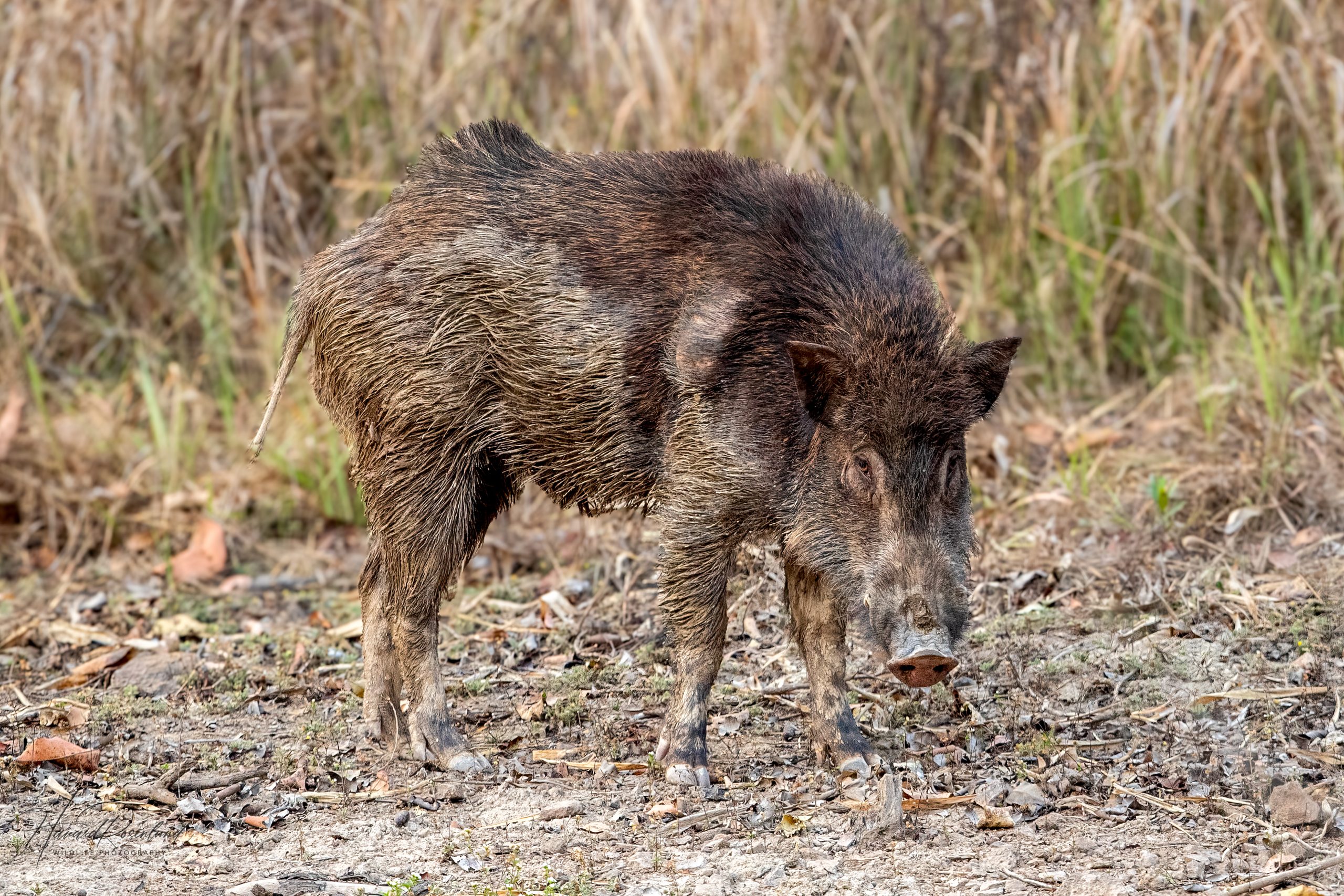
The wild boar (Sus scrofa) is a powerfully built, highly adaptable member of the pig family with one of the broadest natural ranges of any large terrestrial mammal. Native populations extend across much of Europe and Asia and into parts of North Africa, while people have introduced wild and domestic-derived populations to many other regions. Body size varies enormously with sex, geography and food availability; adult males are generally larger than females and may exceed 200 kg in some populations.
The coarse coat ranges from grey-brown to almost black and becomes thicker in cold climates during winter. The long, mobile snout is reinforced for rooting, and the canine teeth grow into tusks, especially conspicuous in mature males. Piglets are born with pale longitudinal stripes that provide camouflage. South Asian wild boar often have a more pronounced mane and have traditionally been referred to as the Indian form S. s. cristatus; the Mammal Diversity Database currently retains cristatus within S. scrofa rather than as a separately valid taxon.
Habitat
Wild boar can occupy deciduous and coniferous forest, scrub, reedbeds and wetlands, grassland, agricultural mosaics and increasingly landscapes close to people. Productive habitat usually combines dense cover for resting with access to food and water. Forest edges and farmland can be particularly attractive because animals can shelter by day and feed in fields or woodland rich in acorns and other tree foods nearby.
The species is behaviourally flexible rather than tied to a single habitat type. In areas with little disturbance it may be active during daylight, while hunting pressure, traffic and other human activity commonly shift movements toward dusk and night. Reliable water, mud wallows and dense cover for resting can strongly influence local habitat use, especially in hot weather.
Diet
Wild boar are omnivores, but plant material and fungi normally make up most of the diet. Roots, tubers, grasses, fruits, acorns and other nuts and seeds, as well as crops, are eaten according to season and availability. Animal food includes earthworms, insects and other invertebrates, eggs, small vertebrates and carrion.
Much of the food is located with an extremely sensitive sense of smell and uncovered by rooting with the snout. This soil disturbance can alter vegetation, fungi and invertebrate communities and mix litter into the soil. Its ecological effects vary with habitat and population density: rooting can create small patches of disturbance that benefit some species, while dense populations can cause extensive damage to vegetation and crops.
Behaviour
Wild boar communicate through scent, grunts, squeals and body posture and spend much of their active period searching for food. Mud wallows help cool the body and care for the skin, after which animals often rub against trees or other objects.
The species is highly flexible in how it uses a landscape. Wild boar can alter their activity pattern, learn routes to reliable food and shift movements to avoid disturbance, which helps them succeed even in heavily modified environments.
Social behaviour
Wild boar social life is strongly matrilineal. Females commonly remain close to related females and form sounders containing sows, young and sometimes several generations of the same family. These kin-centred relationships can persist for long periods, although groups are flexible and may split, re-form or exchange individuals as conditions change.
A study published in 2014 from Białowieża National Park in Poland combined telemetry and genetic data to follow social relationships among wild boar. It found that 81% of associations between adult females were potentially lifelong, whereas most associations involving adult males lasted only days. This gives a striking measure of how much more stable the female family bonds can be.
Adult males become increasingly solitary as they mature and usually associate with female groups mainly around the breeding season.
Predation
Wild boar are an important prey species for several large carnivores across their native range. In Asia they can form a major part of the prey base for tigers (Panthera tigris). Studies in India have found wild boar among the most important tiger prey, and a study published in 2015 from three sites in the Russian Far East found that Amur tigers took wild boar more often than local prey abundance alone would predict. Leopards (Panthera pardus) and dholes (Cuon alpinus) also take them regularly in some Asian forests. In Europe, wild boar are one of the main wild ungulates hunted by grey wolves (Canis lupus), and wolves may take them especially often where they are abundant and vulnerable.
Predation risk changes with age and body size. Piglets and young animals are vulnerable to a wider range of predators, while a large adult boar is formidable prey armed with powerful tusks. Even so, the largest predators can kill adults. Wild boar therefore occupy an important ecological position as both a highly productive ungulate and, in many ecosystems, a major source of biomass for large carnivores.
Reproduction
Reproduction is closely linked to female body condition and food availability. In temperate populations the main rut often occurs in late autumn and winter, although breeding can become less seasonal where food is abundant year-round. Males compete intensely for receptive females, and their thickened shoulder region and tusks provide protection and weapons during contests.
Gestation lasts roughly 115 days. Before giving birth, the sow constructs a sheltered nest of vegetation and typically produces several piglets, with four to six common but litter size varying strongly with age and condition. The striped young remain close to the mother, and related females may later regroup with their litters. Rapid maturation and high reproductive potential allow populations to grow quickly when food and survival are favourable.
Cultural significance
The boar has a prominent place in Hindu religious imagery through Varaha, the boar incarnation of Vishnu. In one of the best-known traditions, Varaha rescues the earth goddess Bhudevi after defeating the demon Hiranyaksha. The boar form has been represented in South Asian temple sculpture and painting for centuries, making it one of the most recognisable animal forms associated with Vishnu.
Varaha may be shown as a complete boar or as a human figure with a boar's head, and the imagery has remained important across different periods and regions of South Asian art. This religious symbolism gives the wild boar a cultural significance that extends far beyond its practical roles as game, livestock ancestor or agricultural conflict species.
Relationship with humans
Humans and wild boar have been connected for thousands of years. Domestic pigs descend from wild-boar lineages, and domestic, feral and wild animals can interbreed. Wild boar are also an important game species across much of their native range, but the same adaptability that makes them successful creates conflict where they damage crops, gardens and infrastructure or use towns and suburbs as feeding habitat.
Wild boar normally avoid people, but they can cause serious injury if an attack occurs at close range. A study published in 2024 combined a review of reported injuries with 34 patients treated in Barcelona; most wounds were to the legs, and more than a third were penetrating injuries. The tusks are therefore capable of causing deep wounds even though attacks are uncommon.
Introduced and feral populations occur in the Americas, Australia, New Zealand and many islands. Where the species is non-native, rooting, predation and competition can have substantial ecological effects and management often aims to suppress or eradicate populations. Agricultural losses and the risk of transmitting diseases to domestic pigs can make control important even where effects on native biodiversity are modest.
Status
The wild boar is classified as least concern on the IUCN Red List. It remains extremely widespread and is abundant or increasing in many regions despite heavy hunting. At the same time, population trends differ greatly: some native populations are affected by habitat change, intense hunting or genetic mixing with domestic pigs, while introduced populations can expand rapidly and become the focus of intensive control.
What this means differs sharply between regions. In parts of the native range, conservation may focus on maintaining wild populations and limiting hybridisation with domestic pigs. Where the species is introduced or feral, the main goal is often to prevent further spread and reduce damage to native ecosystems, agriculture and livestock.
Image gallery
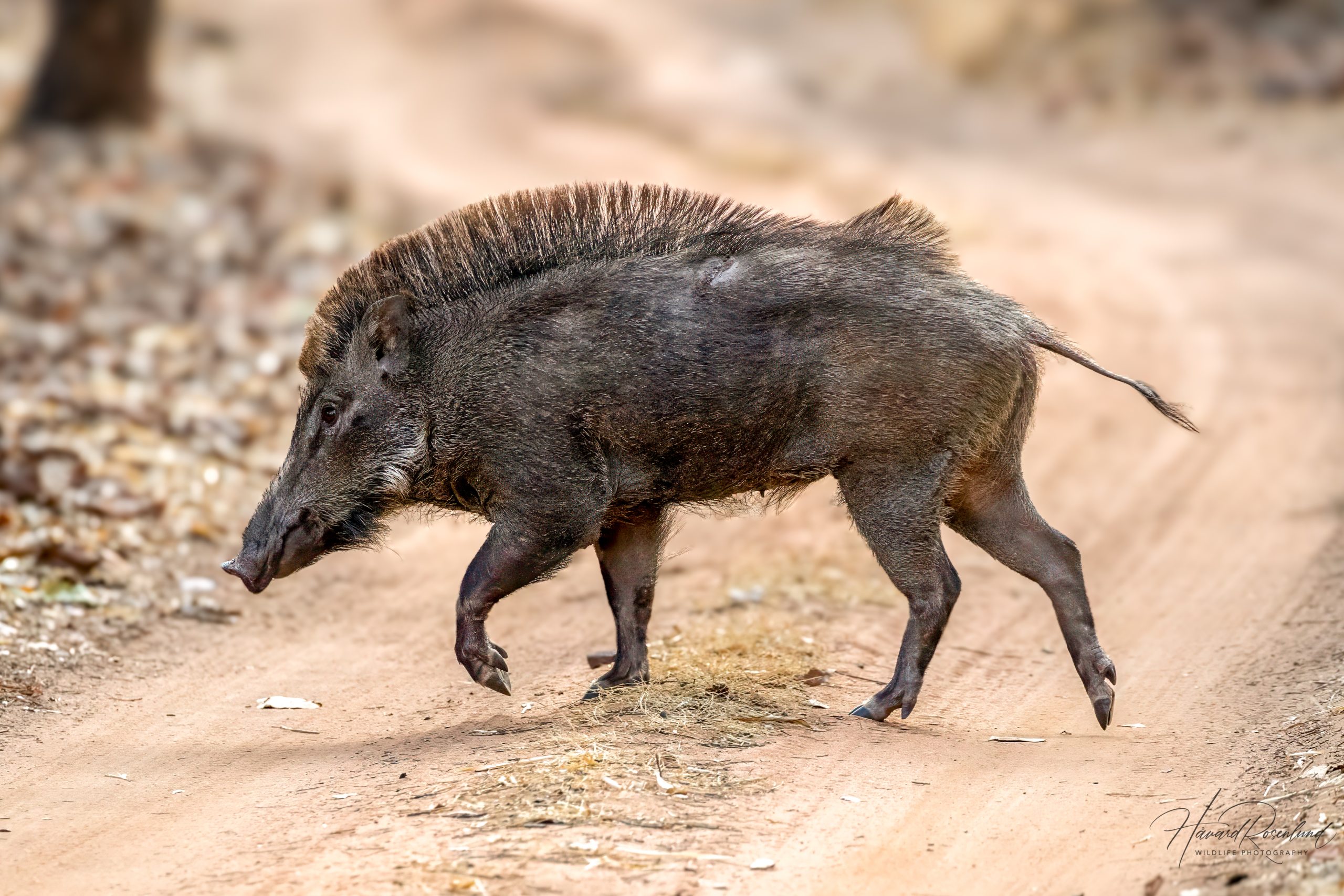
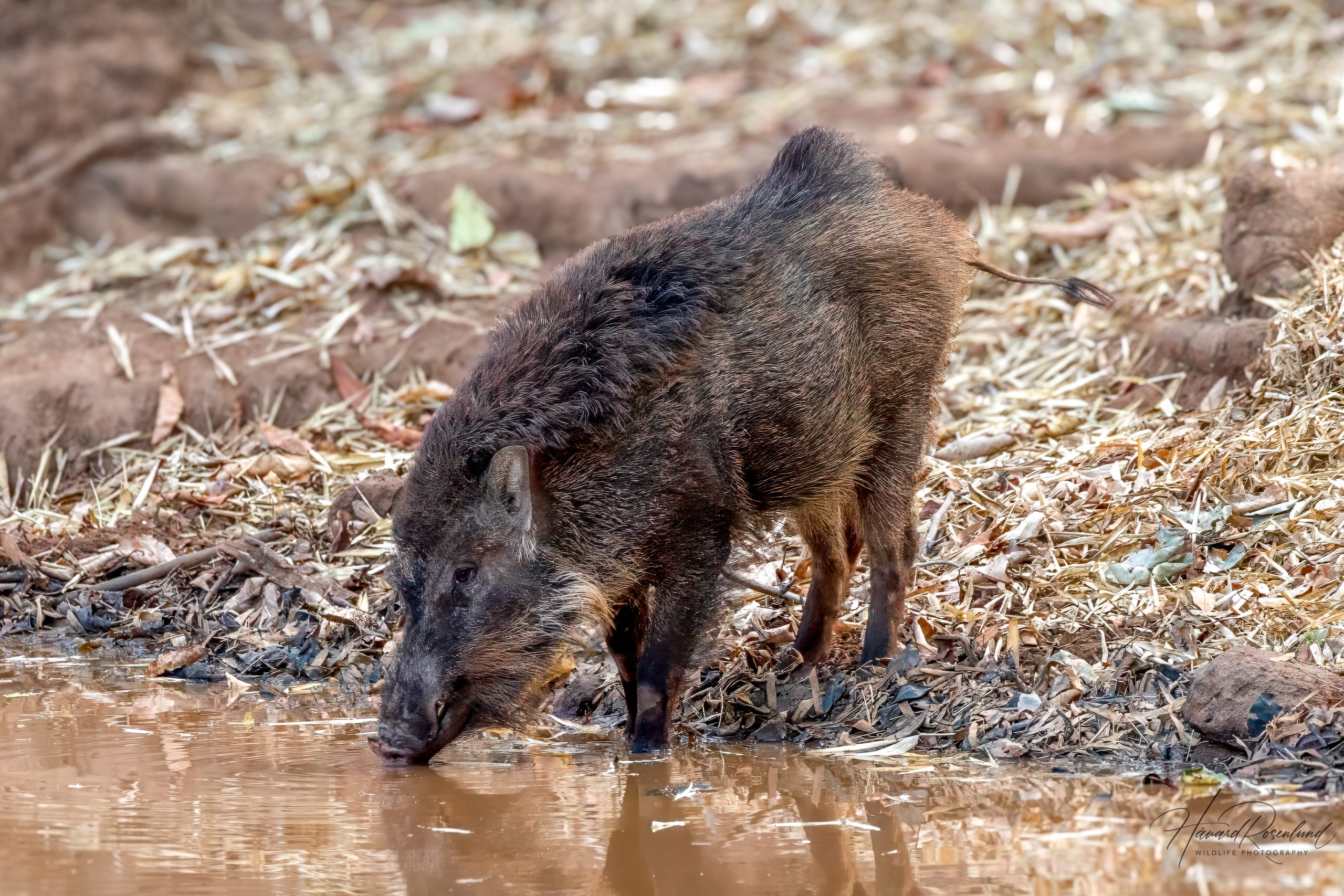
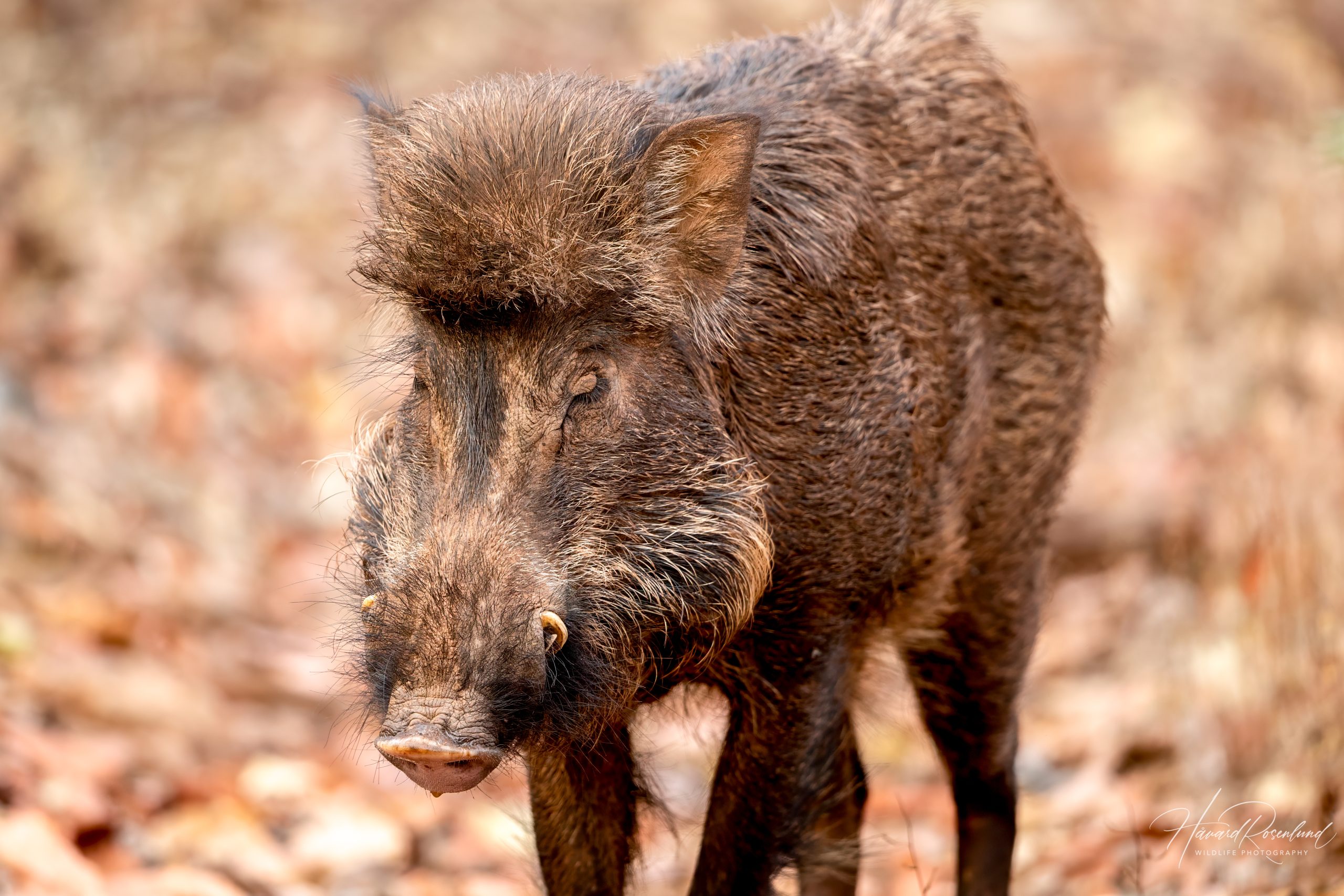
Loading map and observations…
Have you seen this species?
Independent species archive
Did you find this species page useful?
Wildlife Vagabond is independently built and maintained. Voluntary support helps cover hosting, maps, data storage and continued improvements to the species archive.
Support Wildlife VagabondSpecies content will remain freely available.
References
Information about the species’ global distribution and status is based primarily on global Red List data. See the references below for details.
- Andheria, A. P., Karanth, K. U., & Kumar, N. S. (2007). Diet and prey profiles of three sympatric large carnivores in Bandipur Tiger Reserve, India. Journal of Zoology, 273(2), 169-175. https://doi.org/10.1111/j.1469-7998.2007.00310.x
- Barrios-Garcia, M. N., & Ballari, S. A. (2012). Impact of wild boar (Sus scrofa) in its introduced and native range: a review. Biological Invasions, 14(11), 2283-2300. https://doi.org/10.1007/s10530-012-0229-6
- British Museum. (n.d.). Varaha (Vishnu's boar incarnation). https://www.britishmuseum.org/collection/term/BIOG15086
- Cabon, V., Bùi, M., Kühne, H., Seitz, B., Kowarik, I., von der Lippe, M., & Buchholz, S. (2022). Endangered animals and plants are positively or neutrally related to wild boar (Sus scrofa) soil disturbance in urban grasslands. Scientific Reports, 12(1), 16649. https://doi.org/10.1038/s41598-022-20964-4
- Guimarães, N. F., Álvares, F., Ďurová, J., Urban, P., Bučko, J., Iľko, T., Brndiar, J., Štofik, J., Pataky, T., Barančeková, M., Kropil, R., & Smolko, P. (2022). What drives wolf preference towards wild ungulates? Insights from a multi-prey system in the Slovak Carpathians. PLOS ONE, 17(6), e0265386. https://doi.org/10.1371/journal.pone.0265386
- International Union for Conservation of Nature. (n.d.). Wild Boar. The IUCN Red List of Threatened Species. https://www.iucnredlist.org/species/41775/44141833
- Kerley, L. L., Mukhacheva, A. S., Matyukhina, D. S., Salmanova, E., Salkina, G. P., & Miquelle, D. G. (2015). A comparison of food habits and prey preference of Amur tiger (Panthera tigris altaica) at three sites in the Russian Far East. Integrative Zoology, 10(4), 354-364. https://doi.org/10.1111/1749-4877.12135
- Mammal Diversity Database. (n.d.). Sus scrofa (Eurasian Wild Pig / Wild Boar). American Society of Mammalogists. https://www.mammaldiversity.org/taxon/1006377/
- Podgórski, T., Lusseau, D., Scandura, M., Sönnichsen, L., & Jędrzejewska, B. (2014). Long-Lasting, Kin-Directed Female Interactions in a Spatially Structured Wild Boar Social Network. PLoS ONE, 9(6), e99875. https://doi.org/10.1371/journal.pone.0099875
- Pujol, O., Nuño, M., Minguell, J., Selga, J., Tomás, J., Rodríguez, D., Martínez, X., Mentaberre, G., & López-Olvera, J. R. (2024). Characterization and treatment protocol of injuries inflicted to humans by synurbic European wild boars (Sus scrofa). European Journal of Trauma and Emergency Surgery, 50(5), 2595-2604. https://doi.org/10.1007/s00068-024-02654-0
- Reddy, H. S., Srinivasulu, C., & Rao, K. T. (2004). Prey selection by the Indian tiger (Panthera tigris tigris) in Nagarjunasagar Srisailam Tiger Reserve, India. Mammalian Biology, 69(6), 384–391. https://doi.org/10.1078/1616-5047-00160
- The Metropolitan Museum of Art. (n.d.). Vishnu as Varaha, the Boar Avatar. https://www.metmuseum.org/art/collection/search/37953