
A tapeworm’s life cycle links Arctic sea ducks and barnacles
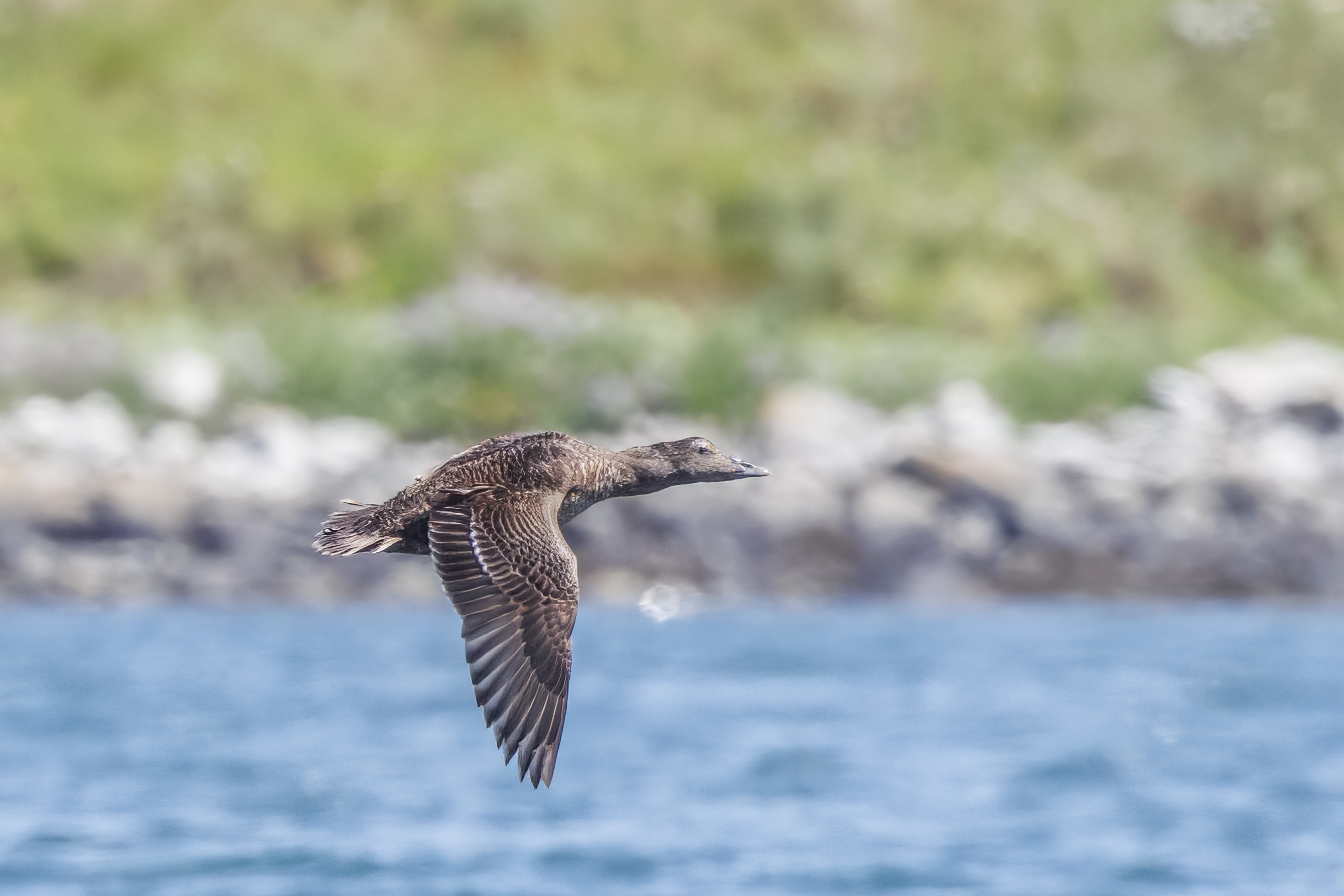
Tapeworms can connect animals that occupy different parts of a coastal ecosystem. A study of Fimbriarioides intermedia and F. lintoni examined adult worms in sea ducks from northern Russia and larval stages in barnacles from Arctic waters.
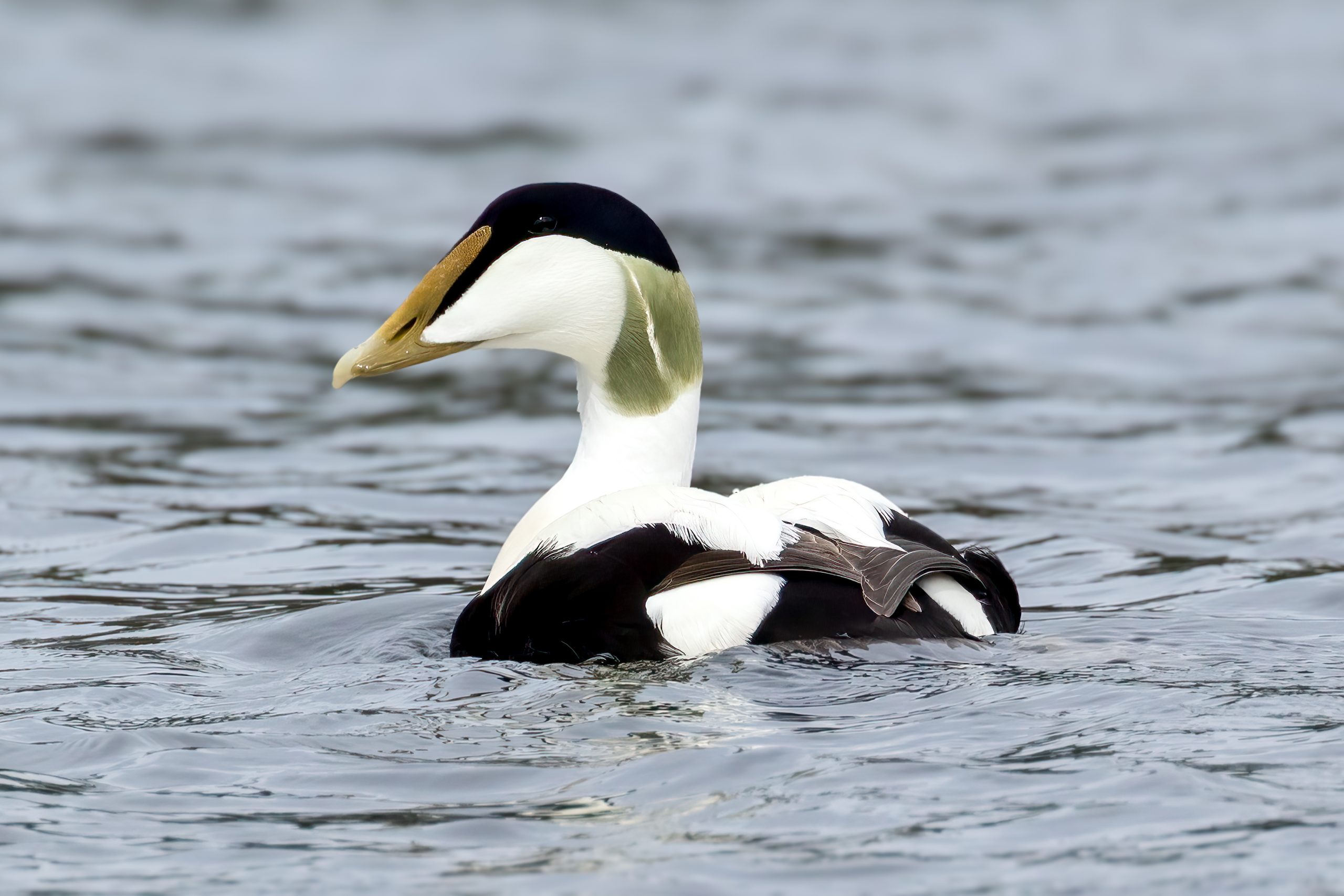
Genetic analyses supported treating the two tapeworms as distinct species. They also matched larval F. intermedia from the barnacle Semibalanus balanoides with adult worms from eiders. Barnacles host the parasite’s larval stage, while sea ducks carry its adult stage, linking two hosts in its life cycle.
Genetic variants of F. intermedia from the Barents, Pechora and White seas and the Sea of Okhotsk indicated that the sampled regions share one population. The study also identified Velvet Scoter (Melanitta fusca) as a previously unrecognised host of F. lintoni. Adult worms were examined in Common Eider (Somateria mollissima), King Eider (Somateria spectabilis) and Velvet Scoter.
The authors link the parasite’s broad Arctic distribution to sea ducks’ long-distance coastal migrations and the near-circumpolar distribution of its barnacle hosts. Together, these hosts can connect the parasite’s life cycle across distant northern seas.
Ecology
Related news
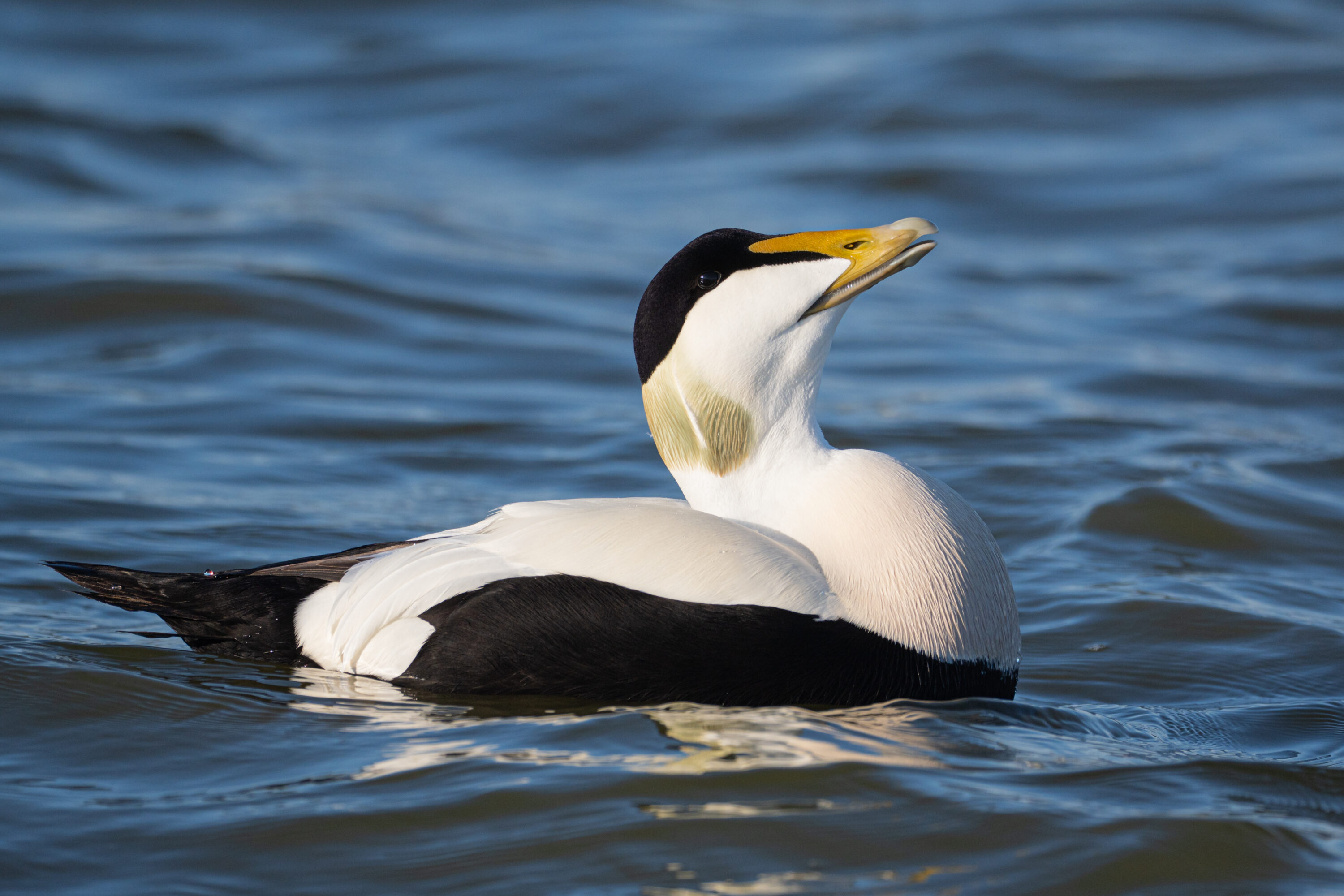
Colour-Banded Eider Linked Nunavut and Iceland More Than 2,800 Kilometres Apart
A male northern common eider banded on East Bay Island, Nunavut, in 2023 was filmed in western Iceland…
Read story →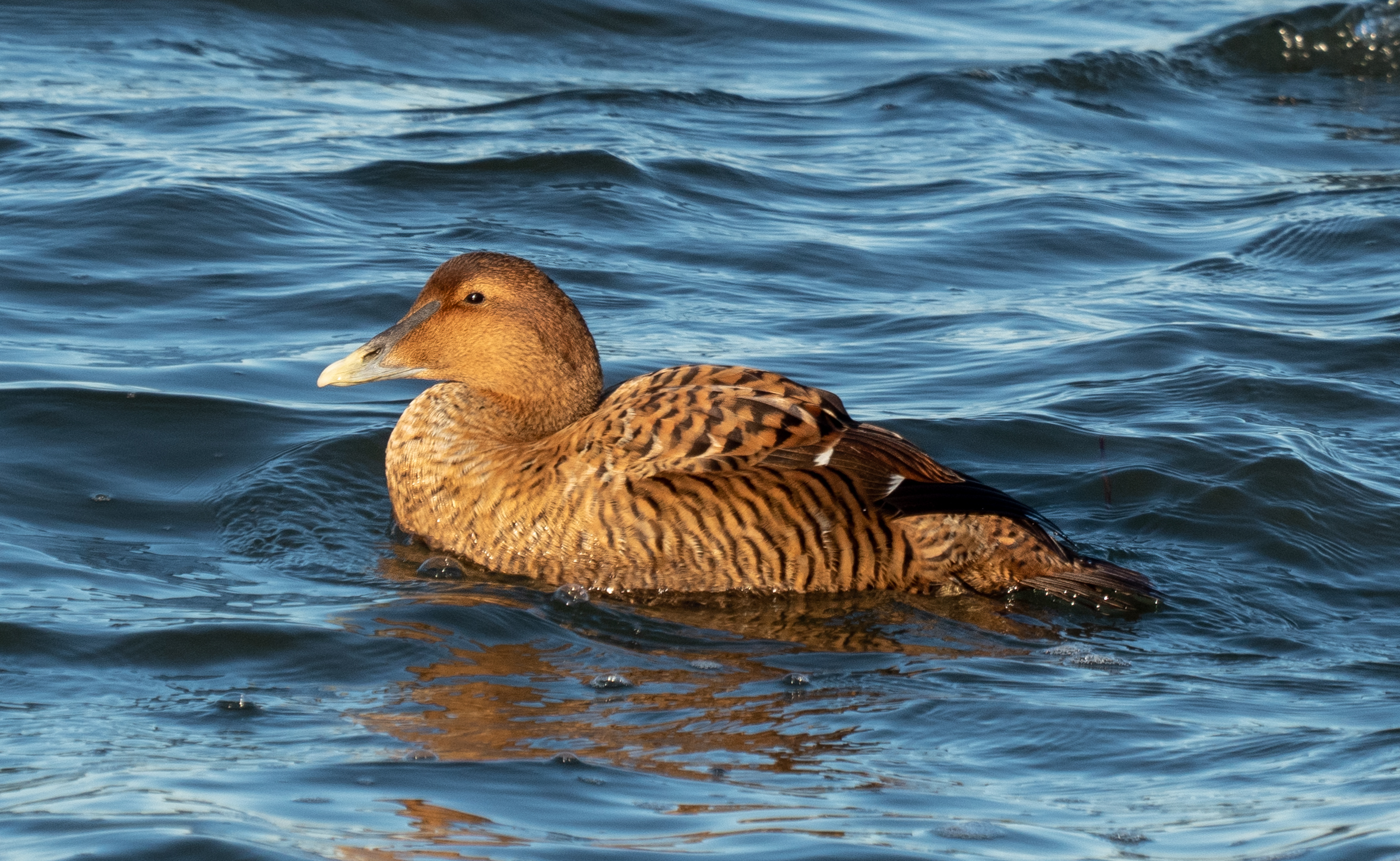
Only About Half of American Common Eider Females Were Estimated to Breed in a Given Year
Satellite tracking of 123 females across Maine and eastern Canada estimated overall breeding propensity at 53%, while regional…
Read story →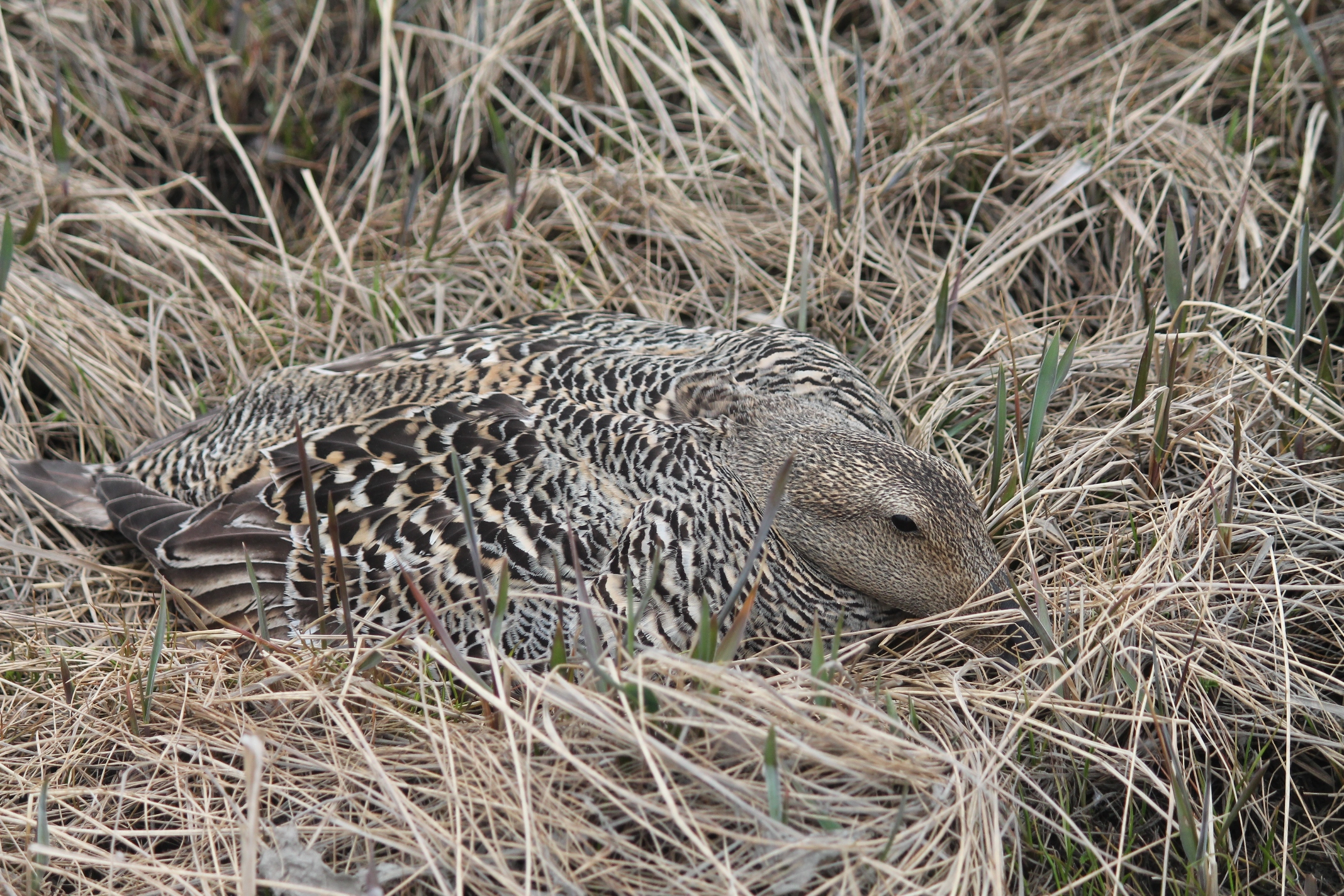
Higher PFOS Was Linked to Lower Egg Temperatures in Finnish Common Eiders
Researchers studied 18 female common goldeneyes and 37 female common eiders in Finland. Higher PFOS was linked to…
Read story →SPECIES IN THIS STORY
Species in this story
Independent research and conservation news archive
Did you find this information useful?
Wildlife Vagabond is independently built and maintained. Voluntary support helps cover source verification, hosting and continued work on research and conservation news.
Support Wildlife VagabondThe news archive will remain freely available.