
Higher PFOS Was Linked to Lower Egg Temperatures in Finnish Common Eiders
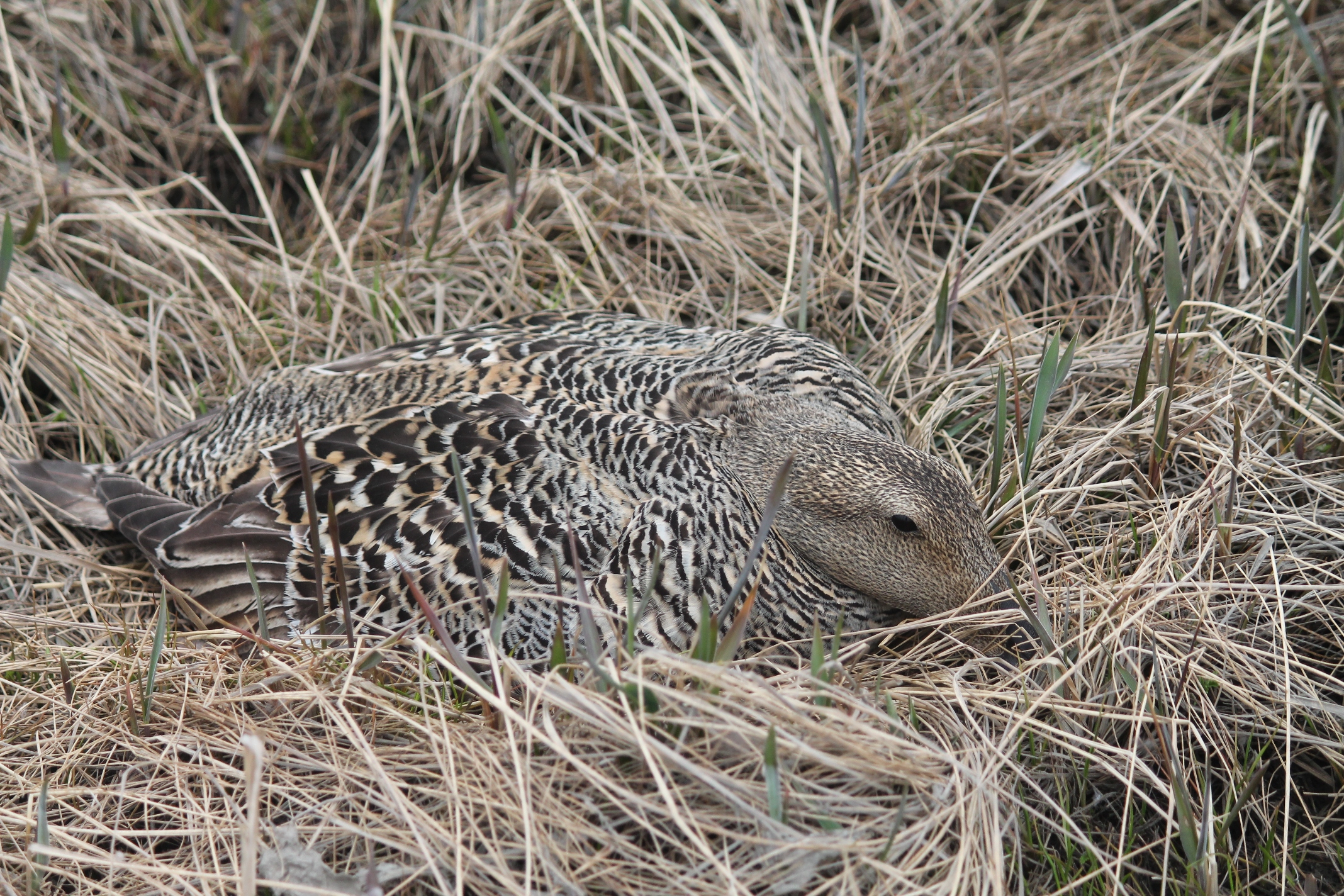
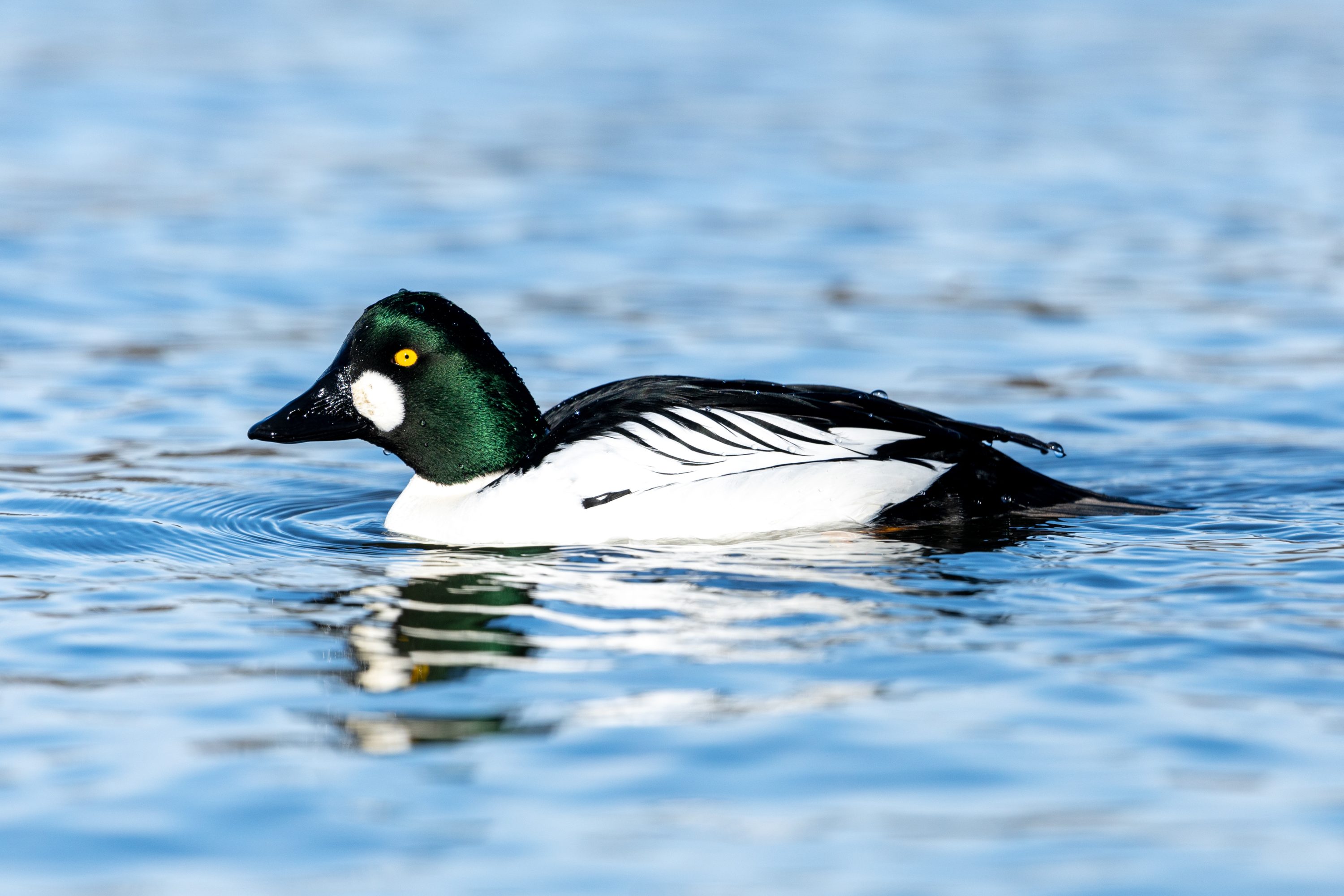
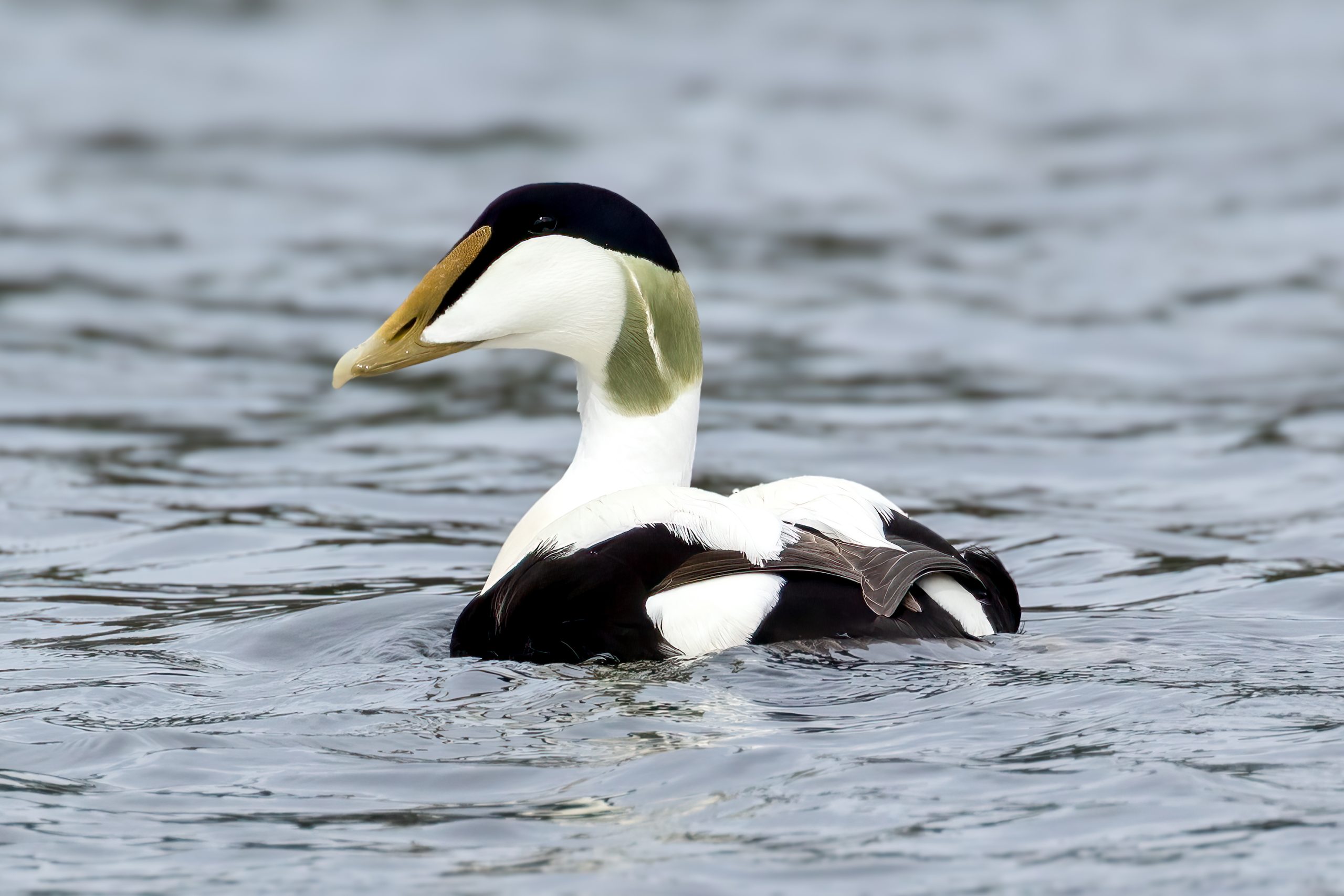
PFAS are highly persistent synthetic chemicals that can contaminate aquatic food webs and may affect wildlife reproduction through hormonal and behavioural pathways. PFOS is one of the best-known compounds in this group. In a Finnish study, higher PFOS concentrations were linked to lower average egg temperatures in incubating common eiders (Somateria mollissima). The same clear relationship was not detected in common goldeneyes (Bucephala clangula), suggesting that PFAS-related incubation patterns may differ between the two species.
Researchers studied 18 female common goldeneyes and 37 female common eiders during the 2022 and 2023 breeding seasons. Blood plasma was analysed for PFAS and the thyroid hormones triiodothyronine (T3) and thyroxine (T4), which are involved in metabolism and thermoregulation. Artificial eggs containing data loggers recorded egg temperature and how often females turned their eggs.
The two species incubate under very different energetic conditions
The two ducks have contrasting breeding strategies. Goldeneyes are cavity-nesting income breeders that continue feeding during incubation, whereas eiders nest on the ground and rely much more heavily on stored body reserves while incubating. Goldeneye females maintained higher average egg temperatures than eider females in the study.
Higher PFOS was linked to cooler eggs in eiders
Among eiders, higher PFOS was clearly associated with lower average egg temperature. The equivalent relationship was not clearly detected in goldeneyes. The study could not determine whether the eider pattern reflected changes in nest-attendance behaviour, changes in the female’s own thermoregulation, or a combination of processes.
Goldeneyes showed a different possible PFAS-related pattern. Exploratory follow-up analyses suggested that females with higher total PFAS and PFOS concentrations turned their eggs more often. Because these were exploratory follow-up analyses prompted by weaker species differences, the authors treat them as suggestive rather than as a primary confirmed result.
Thyroid hormones did not explain the incubation patterns
PFAS concentrations were not clearly associated with T3 or T4 in either species, and thyroid hormone levels were not clearly related to the measured incubation behaviour. PFAS concentrations were also not clearly related to hatching success. The study therefore found species-specific links between PFAS and aspects of incubation, but no evidence in this dataset that thyroid hormones explained those patterns or that the measured PFAS levels reduced hatching success.
Behaviour
Related news
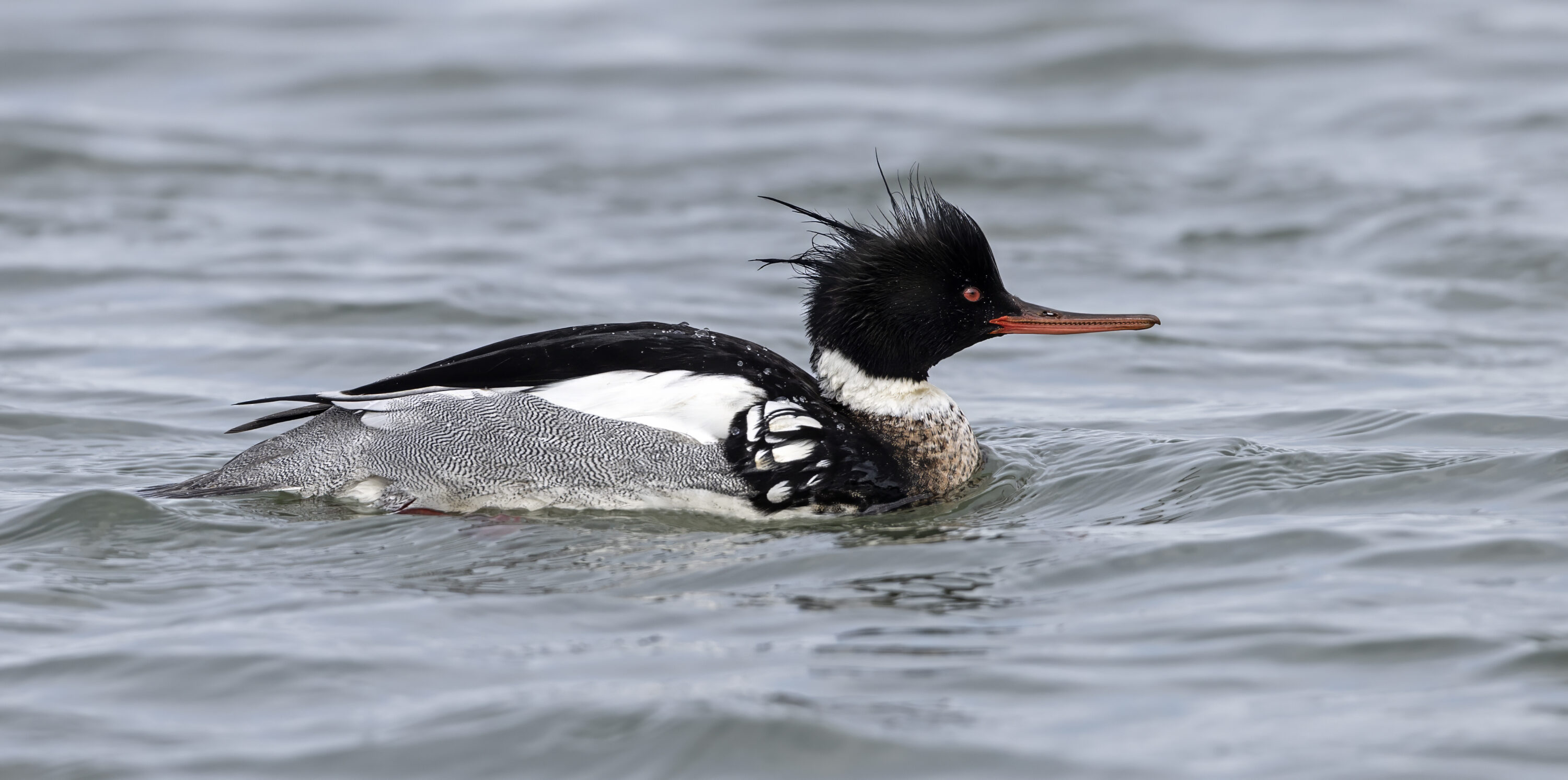
Eight Diving Waterfowl Shared Genomic Signatures Linked to Underwater Foraging
A 2026 comparison of 25 waterfowl genomes found repeated positive-selection signals and shared amino-acid changes across eight diving…
Read story →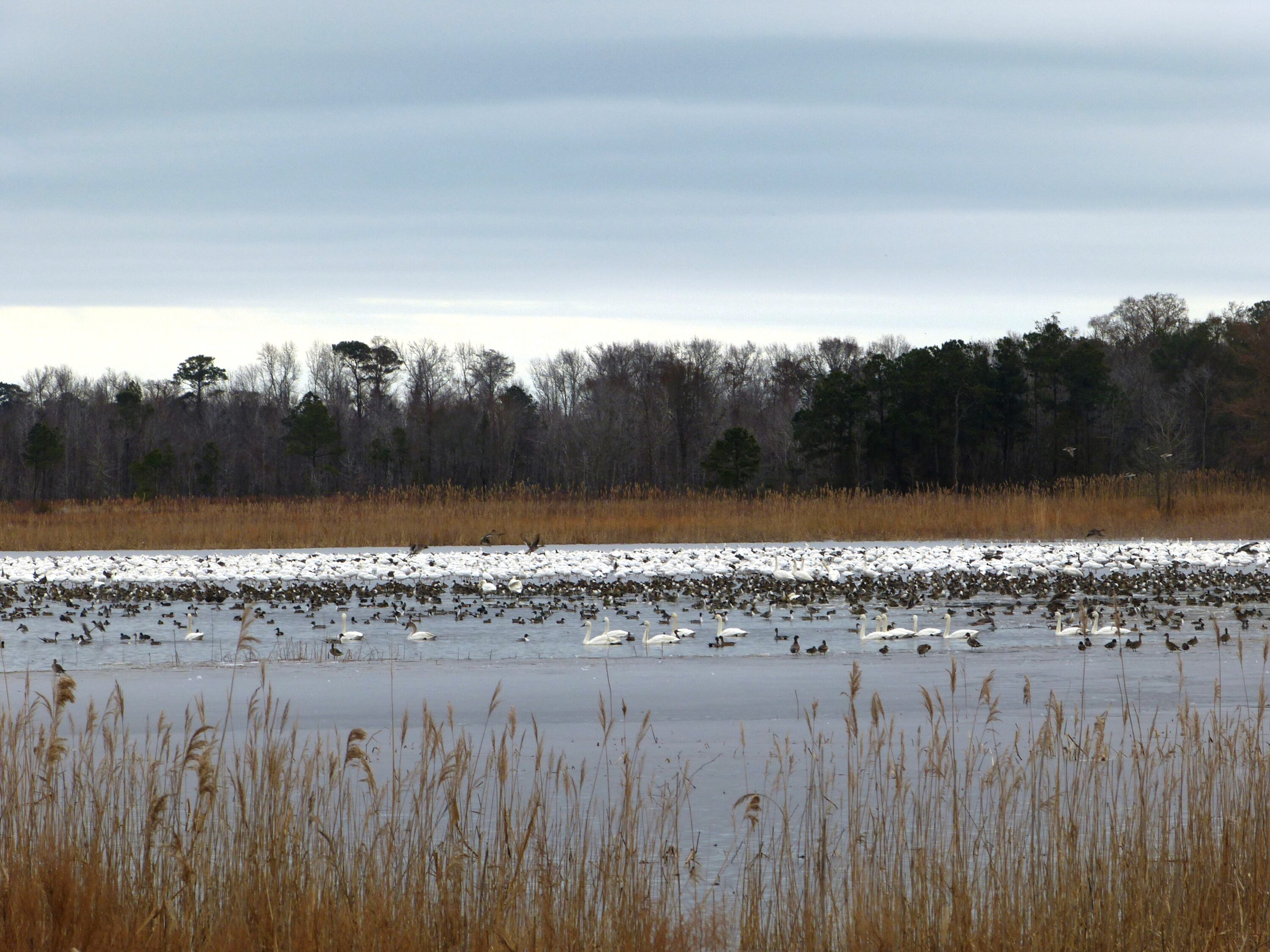
Genome Assemblies Released for 73 Anseriformes Species
A 2026 data paper released whole-genome assemblies for 73 species of ducks, geese, swans and other Anseriformes. Each…
Read story →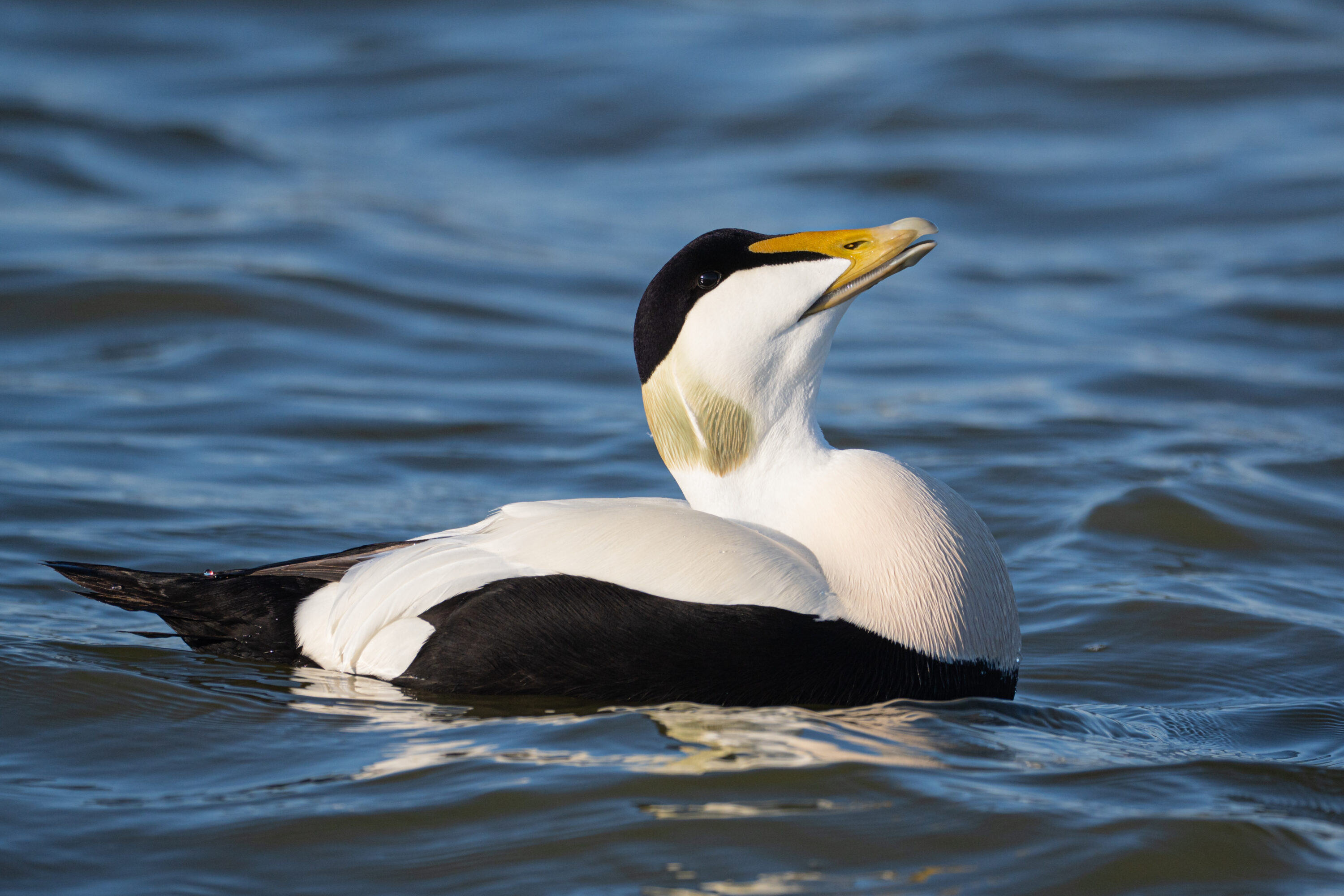
Colour-Banded Eider Linked Nunavut and Iceland More Than 2,800 Kilometres Apart
A male northern common eider banded on East Bay Island, Nunavut, in 2023 was filmed in western Iceland…
Read story →SPECIES IN THIS STORY
Species in this story
Independent research and conservation news archive
Did you find this information useful?
Wildlife Vagabond is independently built and maintained. Voluntary support helps cover source verification, hosting and continued work on research and conservation news.
Support Wildlife VagabondThe news archive will remain freely available.