
Colour-Banded Eider Linked Nunavut and Iceland More Than 2,800 Kilometres Apart
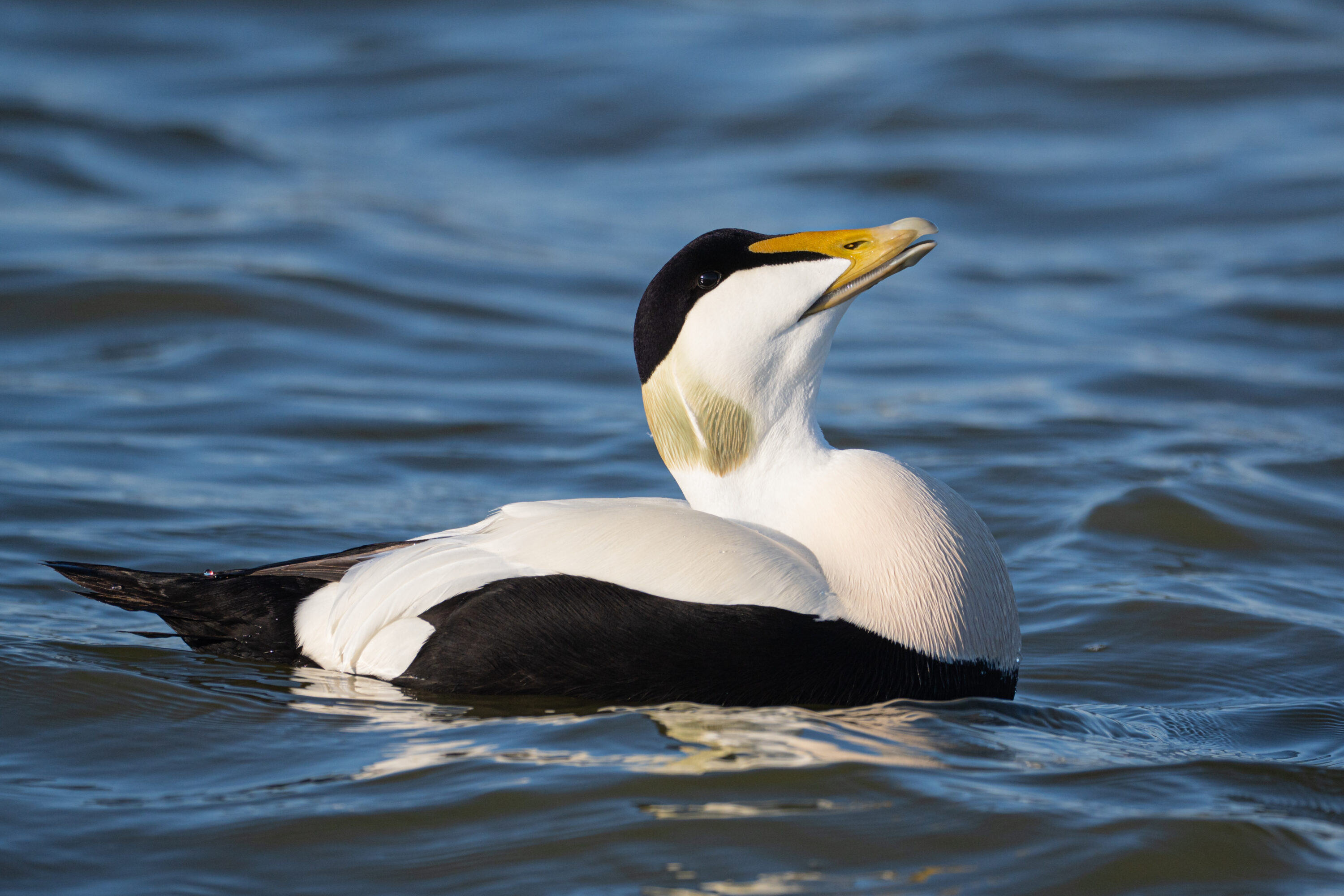
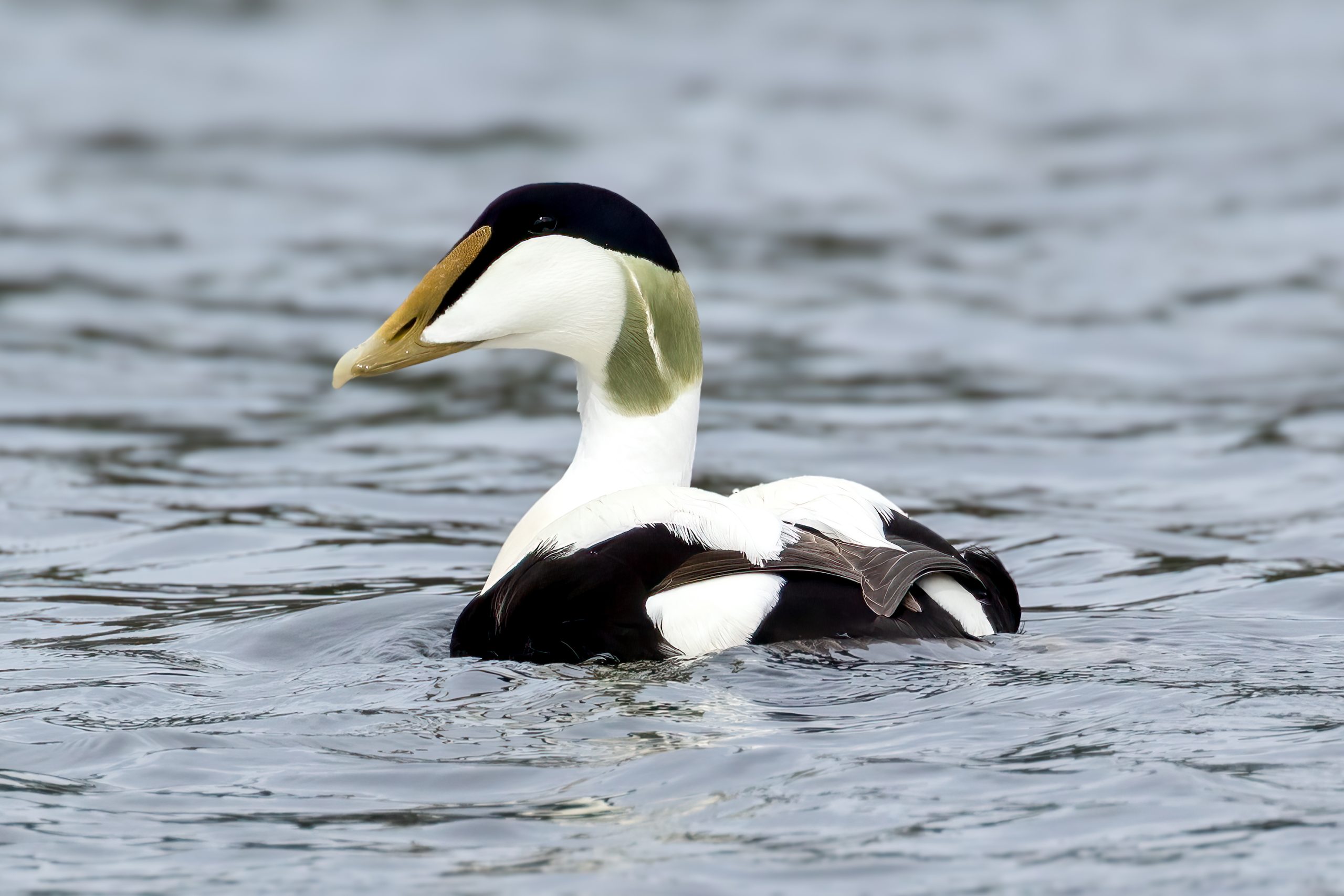
A colour-banded male northern common eider (Somateria mollissima borealis) from East Bay Island in Nunavut, Canada, was filmed on the Snæfellsnes Peninsula in western Iceland in early June 2026. The Sea Duck Joint Venture reported the sighting on 2 September and described the two locations as just over 2,800 kilometres apart.
The male had been banded in 2023 by Grant Gilchrist’s research team. Eiderdown collectors Kristján Lár Gunnarsson and Árni Ásgeirsson filmed the bird with its colour band visible and sent the footage to the Snæfellsnes Research Center. After confirming that the bird had not been marked by Icelandic banding groups, researchers contacted Canadian colleagues, who traced it to the East Bay Island programme.
East Bay Island holds the largest known common eider colony in the eastern Arctic. Between 1996 and 2023, researchers captured and banded 11,077 common eiders there. Bands from the programme had previously been reported from Nunavut, Québec, Atlantic Canada, New England and Greenland, but the Sea Duck Joint Venture says this is the first Iceland record known from the programme.
The record adds a new documented connection across the North Atlantic for birds marked at East Bay Island. Band recoveries and resightings can reveal movements and contribute to survival estimates and harvest management long after marking. The East Bay Island field station closed after the 2024 season, but its marked birds can continue to produce information when they are encountered elsewhere.
Ecology
Related news
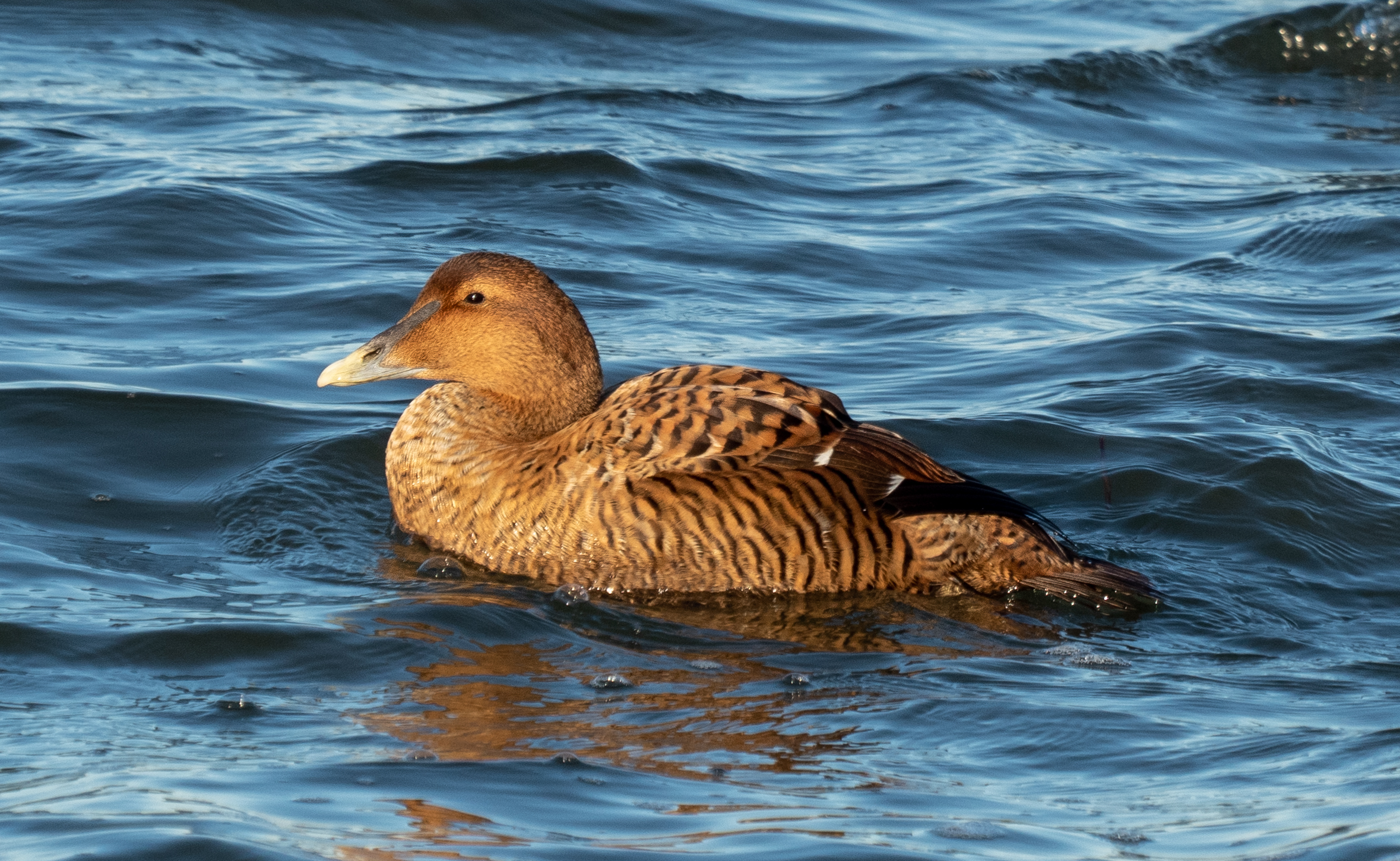
Only About Half of American Common Eider Females Were Estimated to Breed in a Given Year
Satellite tracking of 123 females across Maine and eastern Canada estimated overall breeding propensity at 53%, while regional…
Read story →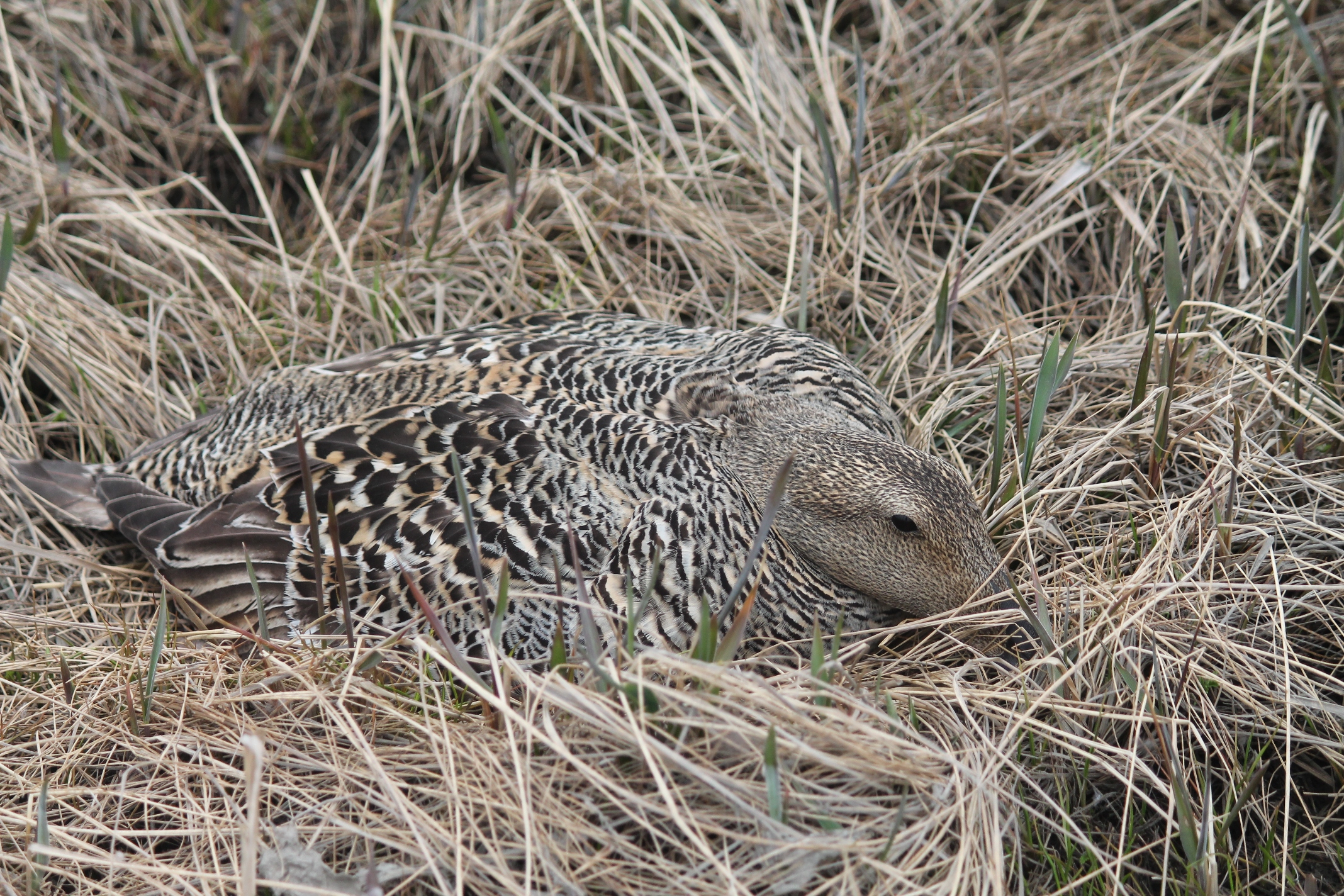
Higher PFOS Was Linked to Lower Egg Temperatures in Finnish Common Eiders
Researchers studied 18 female common goldeneyes and 37 female common eiders in Finland. Higher PFOS was linked to…
Read story →
Record 30 Polar-Bear Days on Kongsfjorden’s Eider Islands in One Month
Researchers recorded a record 30 polar-bear days on Kongsfjorden’s eider islands from 4 June to 4 July 2026.…
Read story →SPECIES IN THIS STORY
Species in this story
Independent research and conservation news archive
Did you find this information useful?
Wildlife Vagabond is independently built and maintained. Voluntary support helps cover source verification, hosting and continued work on research and conservation news.
Support Wildlife VagabondThe news archive will remain freely available.