
Atypical Porcine Pestivirus Was Detected in 9.7% of Wild Boar in European Russia
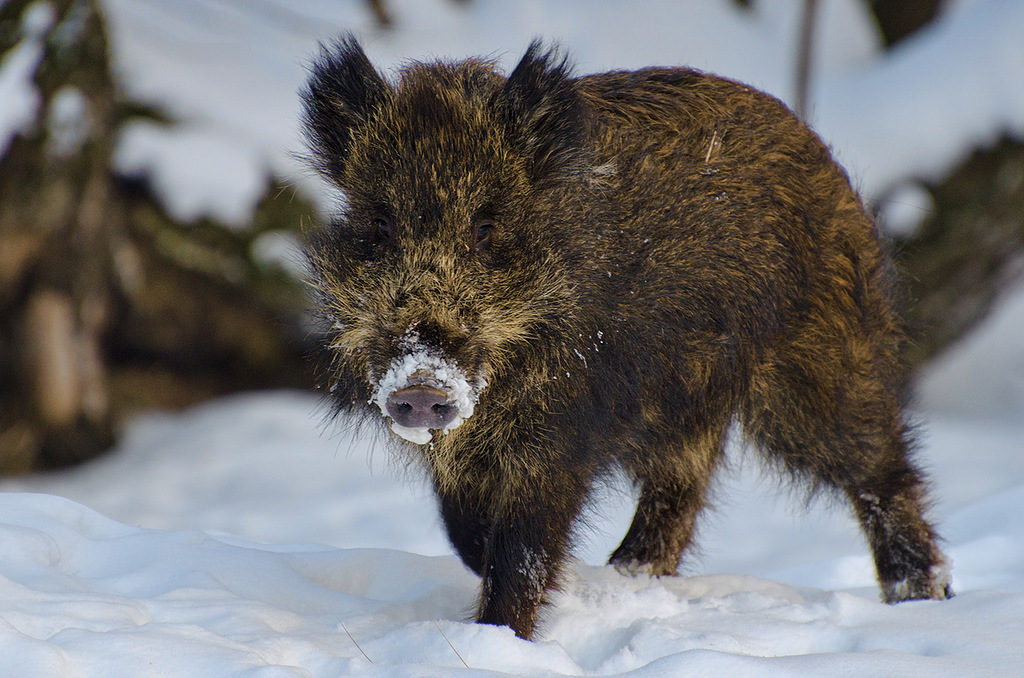
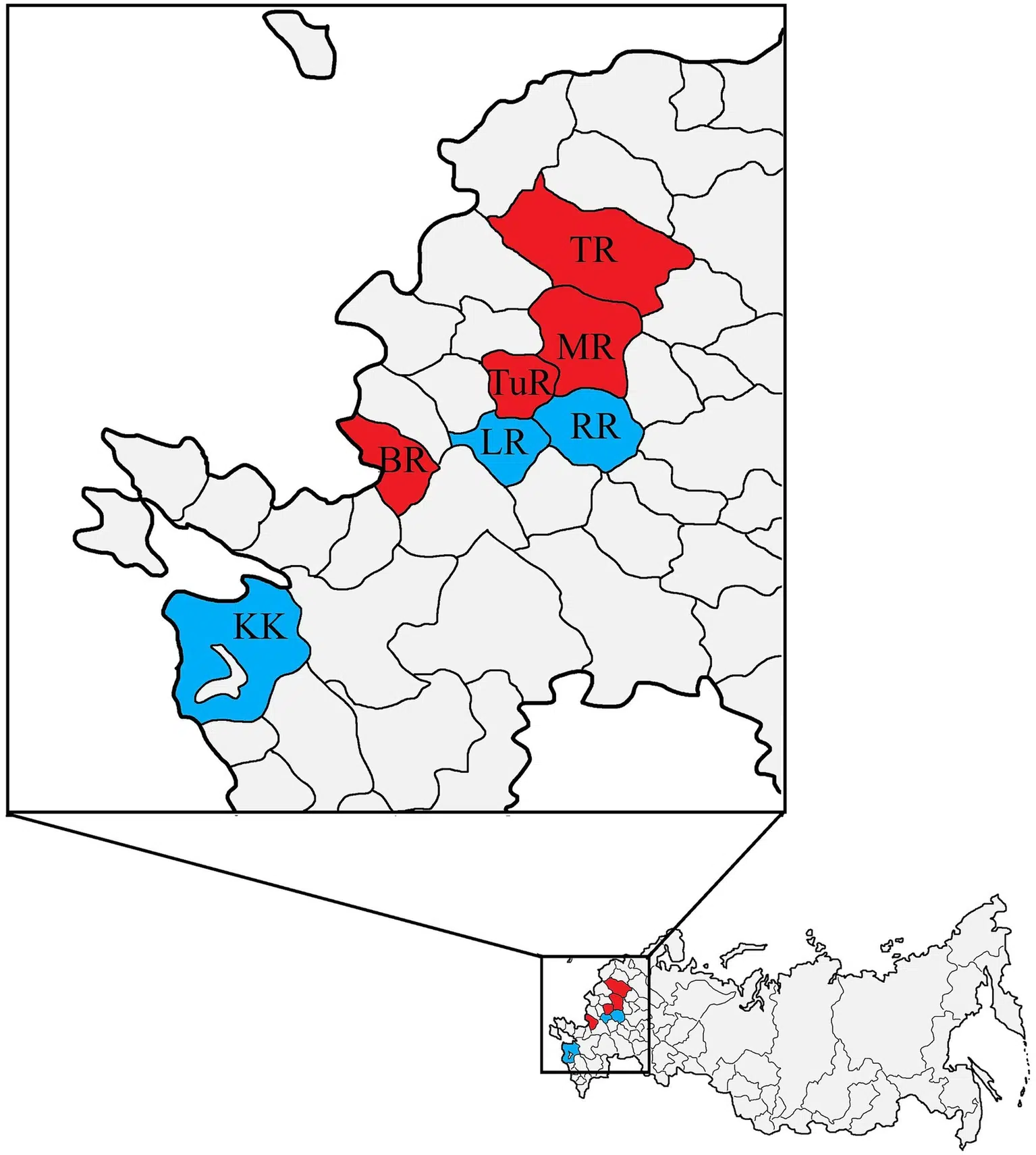
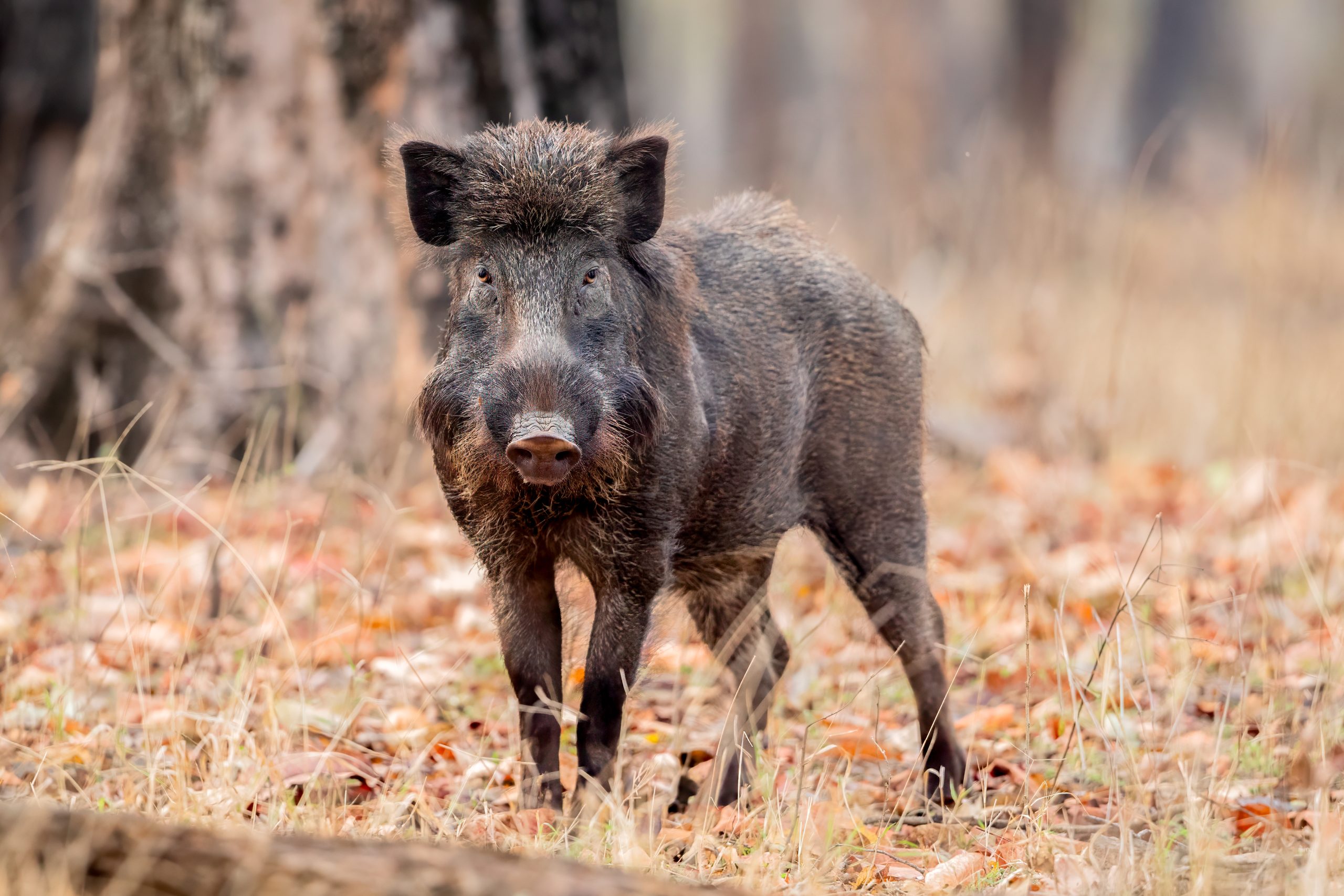
A molecular survey of free-ranging wild boar (Sus scrofa) in European Russia detected atypical porcine pestivirus (APPeV, Pestivirus scrofae) in 23 of 236 animals, an overall detection rate of 9.7%. Positive animals were found in four of the seven regions sampled: Moscow, Tver, Belgorod and Tula.
APPeV is a pestivirus of pigs and wild boar. In domestic pigs infection often causes no obvious signs, but infection during pregnancy can cause congenital tremor in piglets; its disease significance in wild boar remains poorly understood.
The researchers tested 445 lung, spleen and lymph-node samples collected from wild boar hunted between 2021 and 2025. Regional detection rates among the four positive regions ranged from 10.5 to 33.3%. Samples from the Moscow region covered the full five-year study period, showing that APPeV had been circulating in the sampled wild-boar population since at least 2021.
Several distinct virus lineages were circulating
Thirteen partial viral sequences from the NS2–NS3 region were obtained for phylogenetic analysis. They were distributed across three clades — genetically related evolutionary groups — and showed high genetic variability. Twelve of the 13 sequences clustered in two clades composed only of isolates from the present study, while previously identified Russian domestic-pig isolates did not group with these two clades. Nucleotide identity among the Russian wild-boar isolates ranged from 86.1 to 99.1%. This broad range means that some isolates were much more genetically different from one another than others, supporting the conclusion that several distinct virus lineages were circulating in the wild-boar population.
Co-infections were common
Co-infections were common among the APPeV-positive animals. Eighteen of the 23 positive wild boar, or 78.2%, also carried at least one of the other porcine viruses tested. Porcine circovirus 2 (PCV2) was the most frequent co-infection, detected alongside APPeV in 34.8% of positive animals, while 21.7% carried APPeV without any of the other tested viruses. The authors note that it remains unknown whether such co-infections alter the course of APPeV infection.
The authors describe this as the first report of APPeV circulation in wild boar in Russia. The study did not collect data on clinical signs or pathological changes in the sampled animals, so it documents viral infection and circulation rather than disease caused by APPeV in wild boar.
Disease, parasites & microbiology
Related news
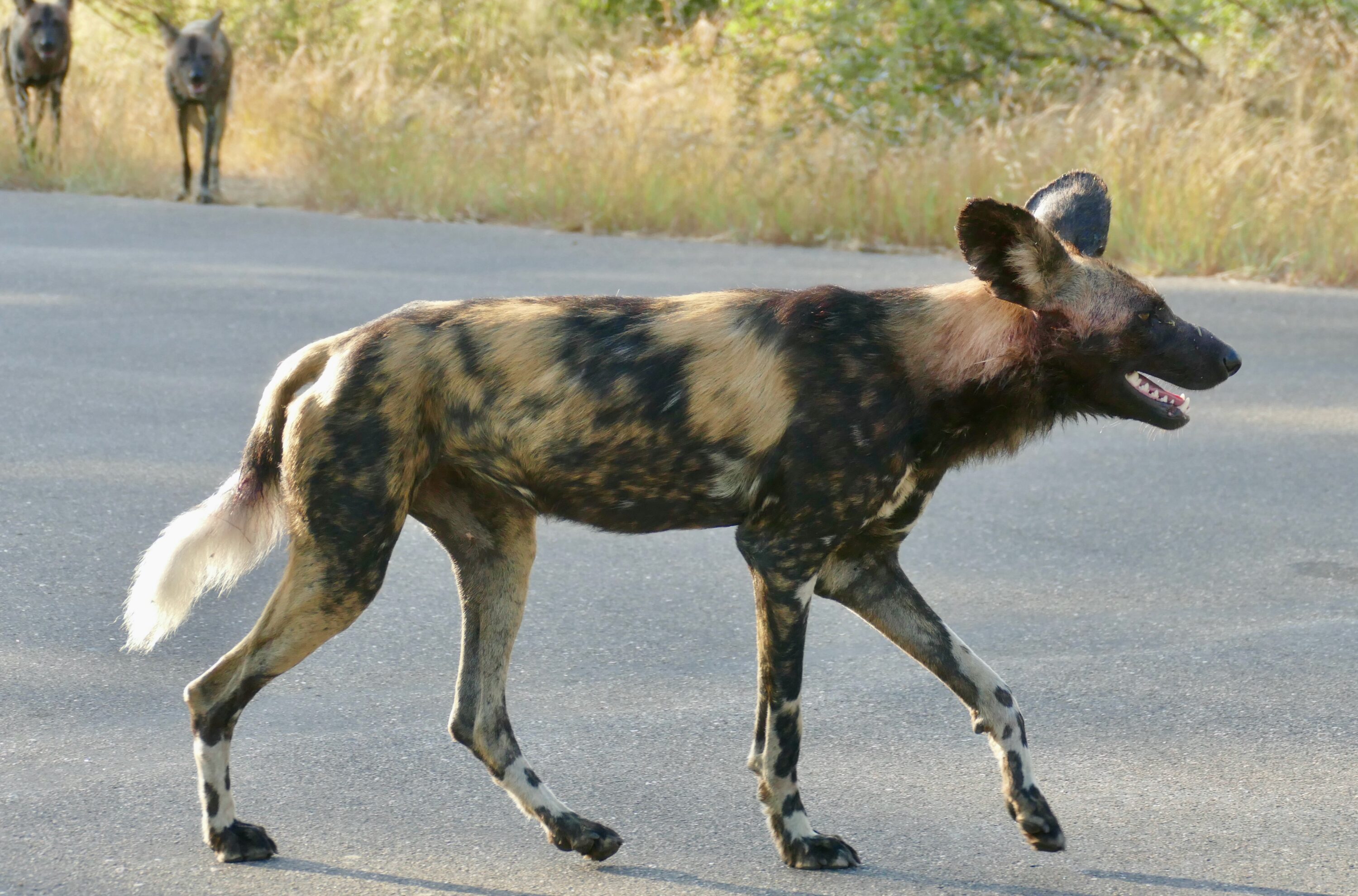
Gut Microbiomes Across Nine Kruger Mammals Clustered More Strongly by Dietary Group Than Species
A study of 89 quality-filtered faecal samples from nine wild mammals in Kruger National Park found that carnivores,…
Read story →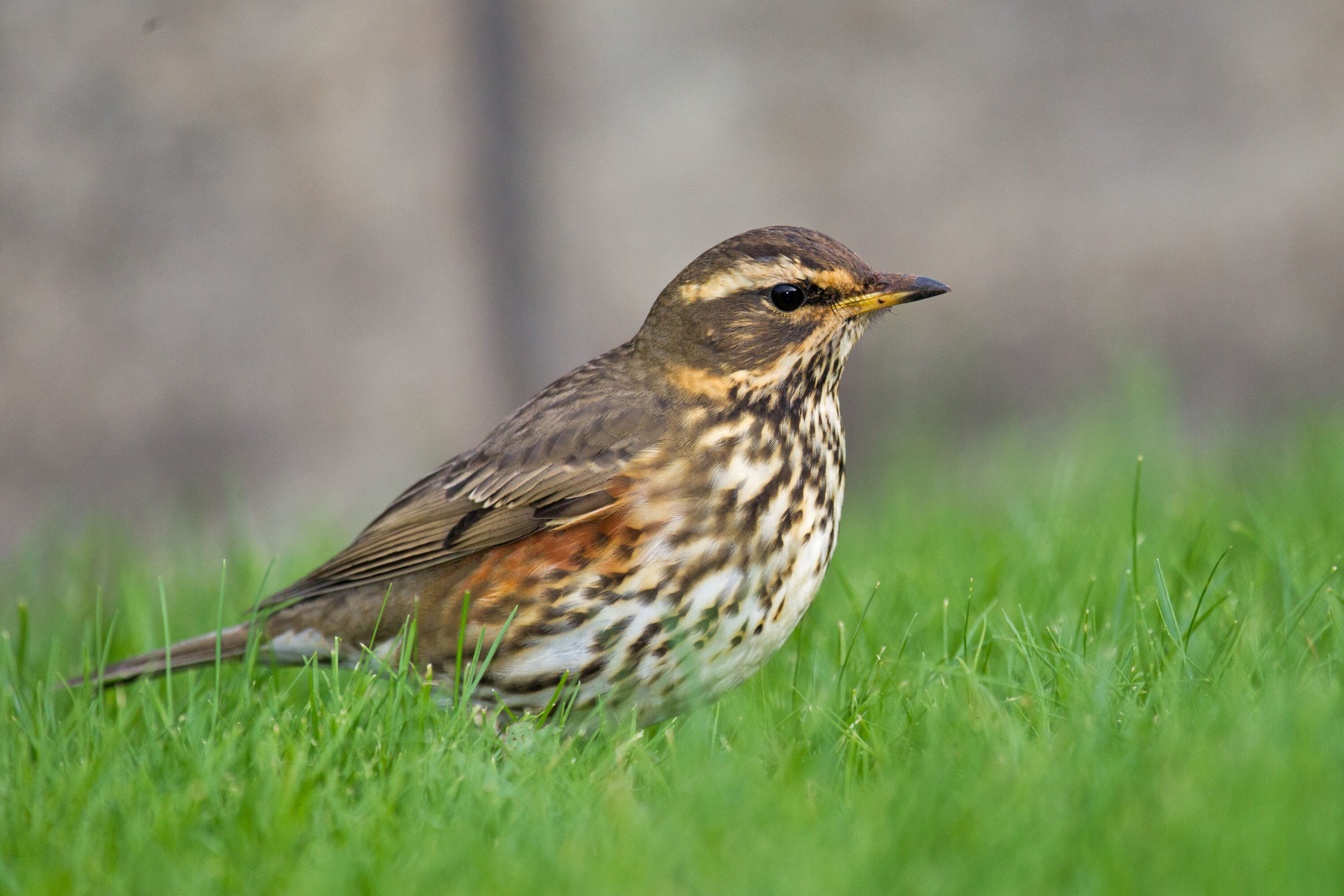
Nearly Three-quarters of Migrating Redwings Carried Ticks During Two Mild Belgian Autumns
Ticks were found on 72.9% of 284 redwings sampled during late-autumn migration in Belgium; 12.9% of 698 screened…
Read story →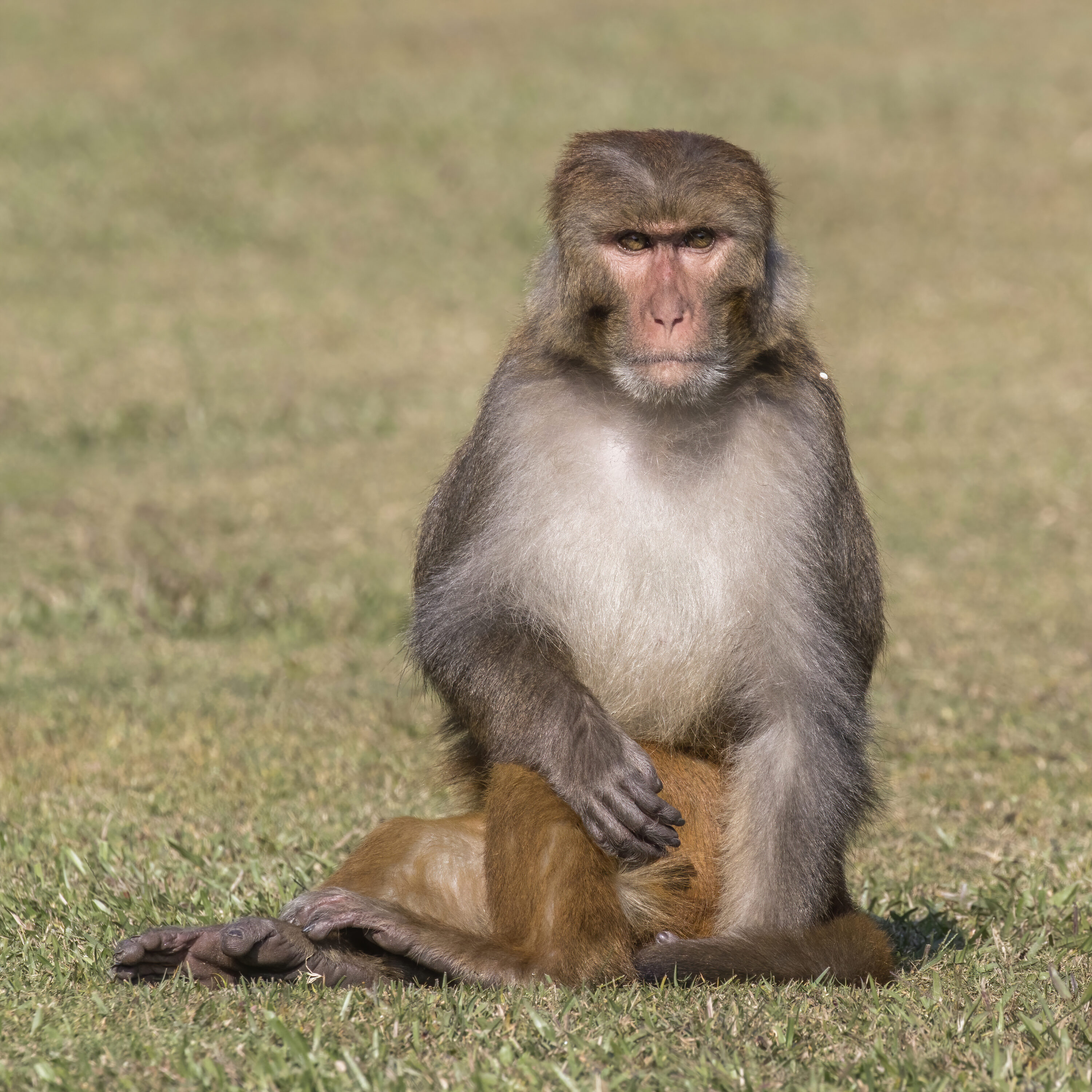
mFISH Mapped 16 of 22 Rhesus Macaque Chromosome Types to a Single Human Chromosome
Human chromosome-painting probes showed one-to-one homology for 16 of 22 rhesus macaque chromosome types, while three macaque chromosomes…
Read story →SPECIES IN THIS STORY
Species in this story
Independent research and conservation news archive
Did you find this information useful?
Wildlife Vagabond is independently built and maintained. Voluntary support helps cover source verification, hosting and continued work on research and conservation news.
Support Wildlife VagabondThe news archive will remain freely available.