
Redwings Carried Ticks South on Their Late-Autumn Migration
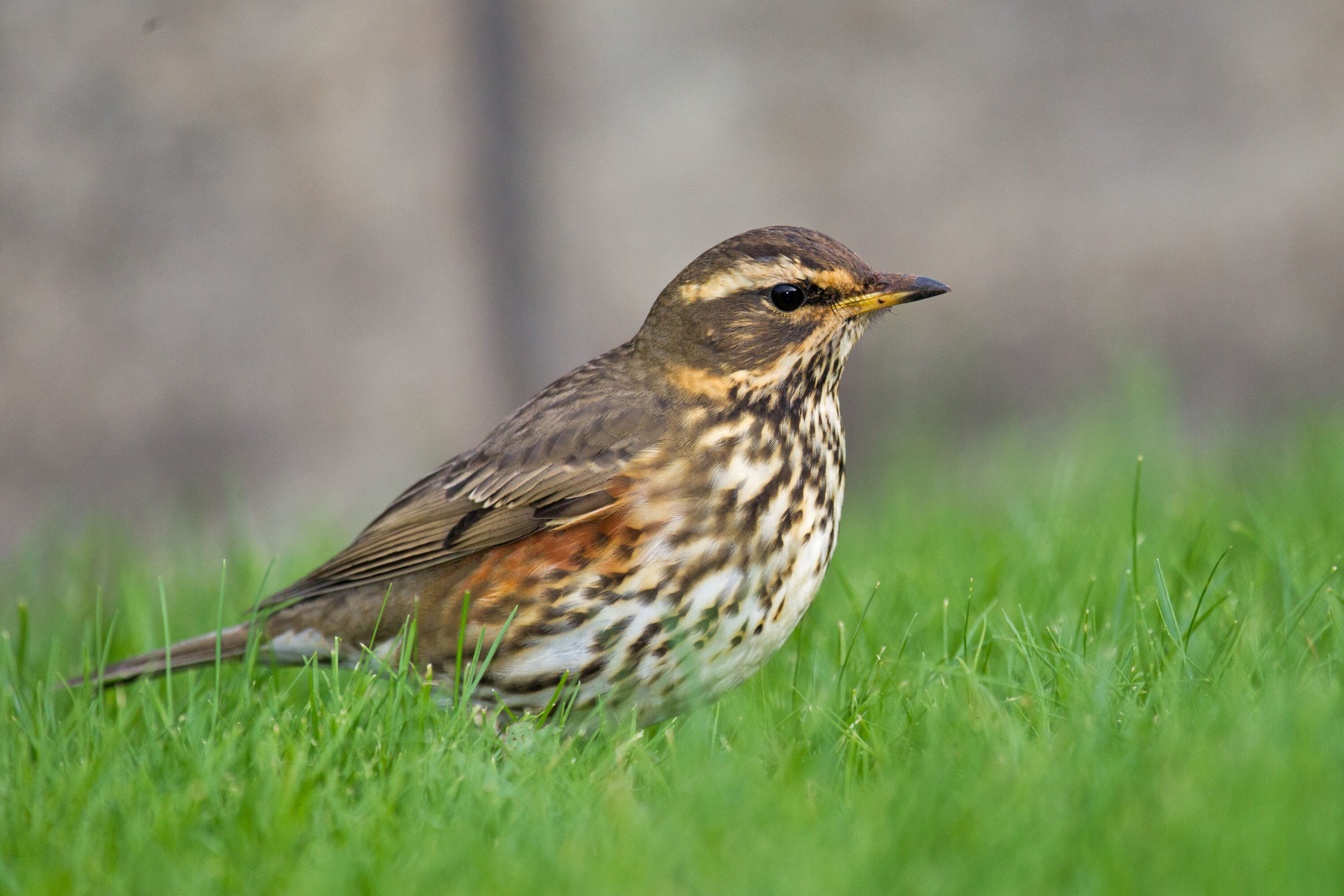
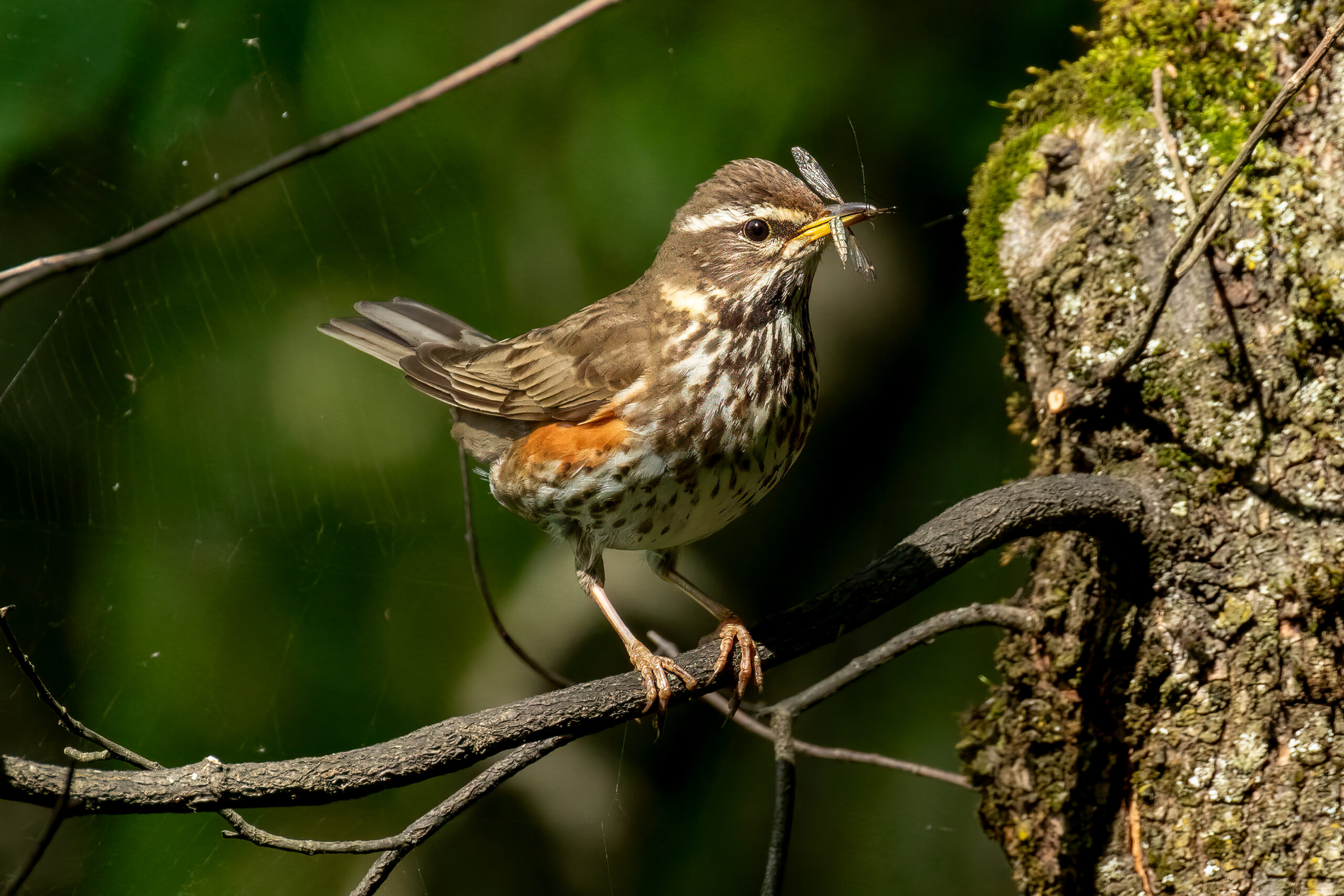
Even in November, redwings (Turdus iliacus) can carry many ticks on their journey south. In Belgium, researchers found ticks on 72.9% of 284 birds examined during autumn migration in 2024. A smaller survey at the same site in November 2022 found almost the same proportion: 72.2% of 108 birds carried ticks. Both autumns were unusually mild.
Redwings often search for food near the ground in woodland, forest edges and parks, where ticks can attach to them. A tick feeds for several days before dropping off. By then, its bird host may have travelled far, leaving the parasite in a different place.
Young birds carried more ticks
The castor bean tick (Ixodes ricinus) was the most common species and occurred only as larvae and nymphs. Adults primarily feed on medium-sized and large mammals. By contrast, the more bird-specialised Ixodes frontalis also included adult females feeding on the birds. Birds on their first autumn migration carried more ticks than older birds. The authors suggest that young birds may face greater exposure or have weaker acquired resistance.
Of 698 ticks screened for pathogens, 90, or 12.9%, contained Borrelia DNA. This bacterial group includes species that cause Lyme borreliosis in humans. No tick-borne encephalitis virus, which causes TBE, was detected.
The ticks contained several Borrelia species usually associated with birds, including B. garinii, as well as types primarily associated with mammals. Borrelia miyamotoi, which can cause relapsing fever, was found in ten ticks. Nearly a third of the birds carrying castor bean ticks and included in the pathogen analyses carried at least one Borrelia-infected tick.
This shows that the birds transported ticks containing bacterial DNA. The birds themselves were not tested for infection, and DNA detection alone does not establish whether all the bacterial types could be passed on to the tick’s next host.
Warmer autumns may give more ticks a ride
Many migrating birds use photoperiod, or day length, as a cue to leave. Ticks are ectothermic, relying on external heat, and their activity depends more strongly on temperature. When autumn stays mild, ticks can remain active as late-migrating thrushes pass through. The researchers suggest this may extend the period during which birds transport ticks and pathogens over long distances.
The potential scale is large. If the levels at the Belgian stopover applied throughout Europe, the authors calculated that redwings could have carried nearly 100 million infected ticks south in autumn 2024. That is an uncertain estimate from a single site, but it illustrates the potential role of an abundant migratory bird. Studies across more places and years are needed to establish how widespread the pattern is.
Disease, parasites & microbiology
Related news
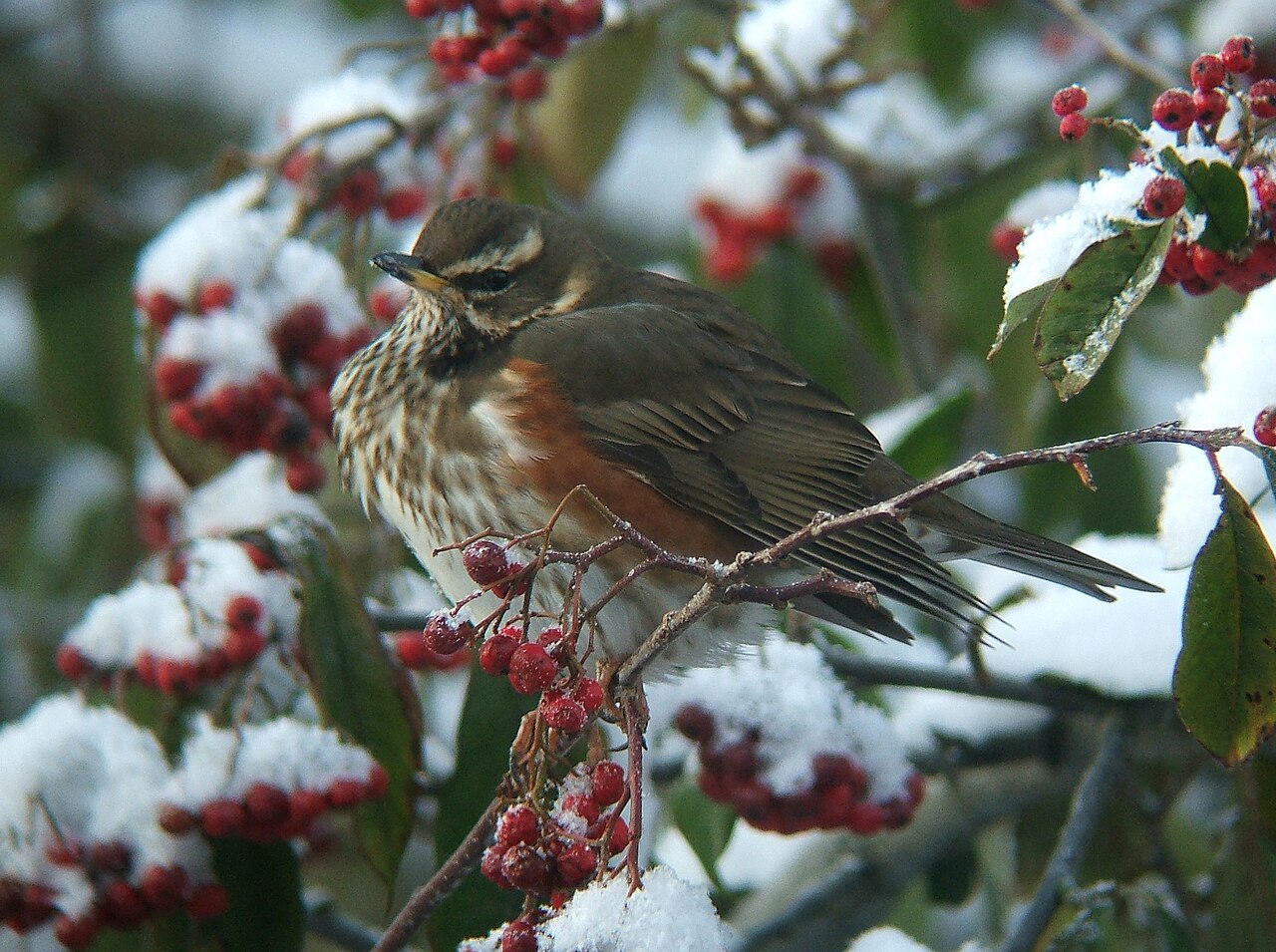
Redwings Appeared on About 34% of BirdTrack Lists During January Cold Spell
Redwings appeared on about 34% of complete BirdTrack lists in Britain and Ireland during the first two weeks…
Read story →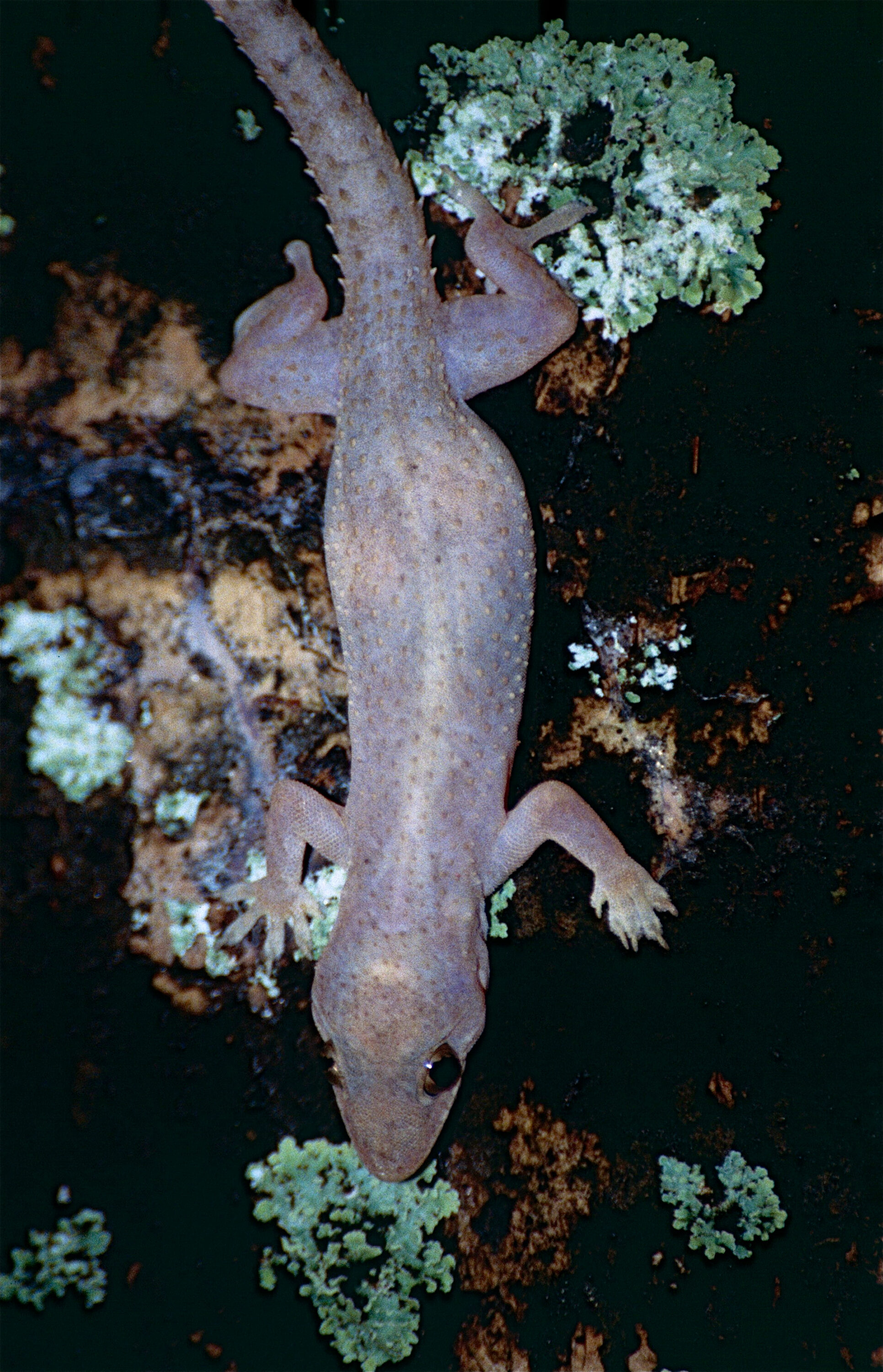
Endoparasites Infected 71.2% of Tropical House Geckos in Western Pará
In western Pará, Brazil, researchers found internal parasites in 71.2% of 156 wild Tropical House Geckos. Larger geckos…
Read story →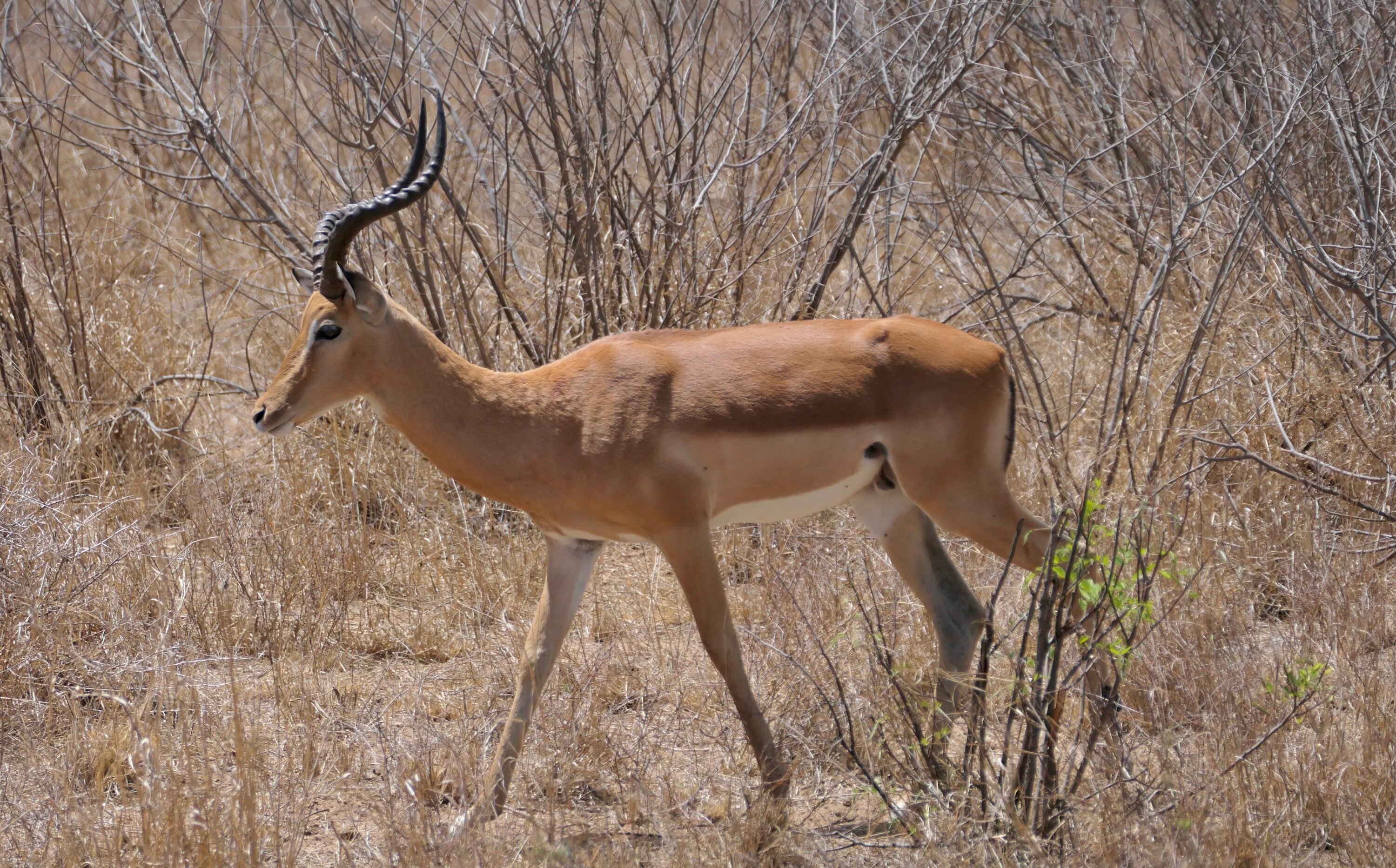
Faecal egg counts missed many nematode infections in African ungulates
In Kruger National Park, egg counts in faeces often detected fewer infections than counts of adult worms recovered…
Read story →SPECIES IN THIS STORY
Species in this story
Independent research and conservation news archive
Did you find this information useful?
Wildlife Vagabond is independently built and maintained. Voluntary support helps cover source verification, hosting and continued work on research and conservation news.
Support Wildlife VagabondThe news archive will remain freely available.