
Common Murre Numbers in Bjørnøya Monitoring Plots Grew About 2% a Year From 2015 to 2025
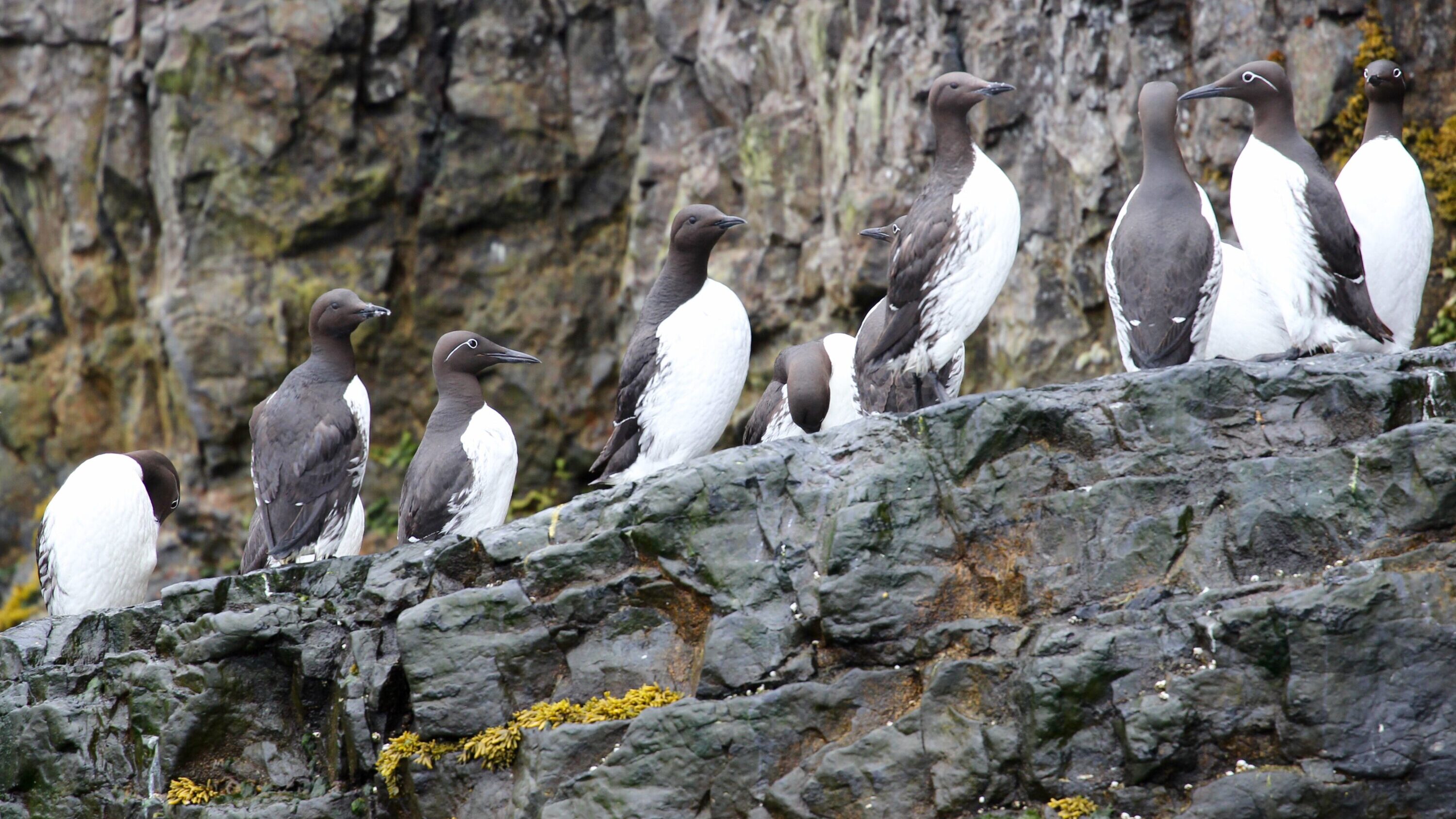
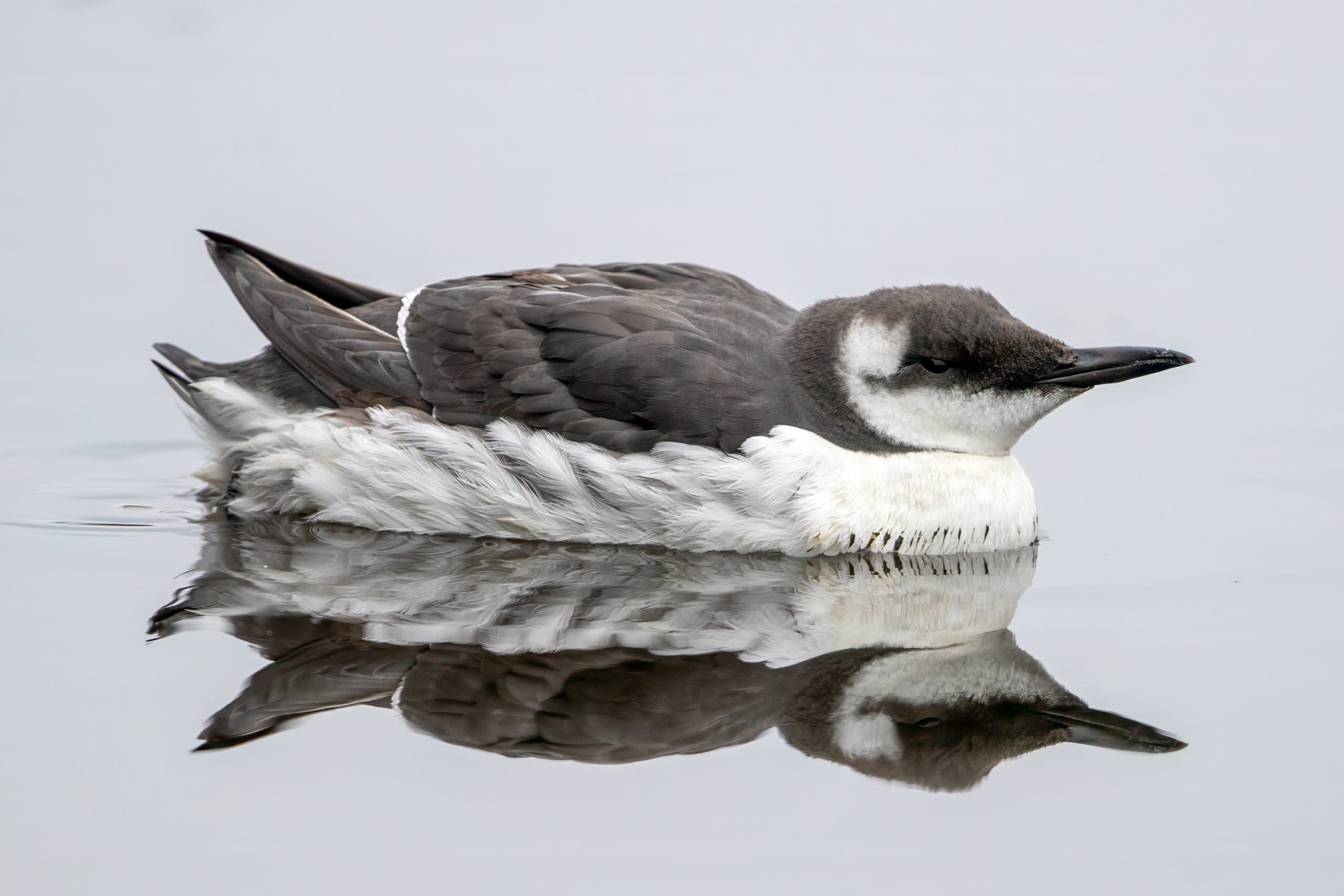
An official monitoring update published on 7 May 2026 reports continued recovery of the common murre (Uria aalge) colony on Bjørnøya in the Barents Sea. Norwegian Polar Institute monitoring indicates that numbers in the selected breeding plots increased by about 2% per year between 2015 and 2025.
The monitoring index comes from fixed sections of the breeding colony rather than a complete census each year. Each plot is counted five to eight times from late incubation into the early chick-rearing period, and the number of birds occupying breeding sites is used to track change through time. In mixed plots, observers also estimate the proportion of common and Brünnich’s guillemots.
The recovery follows one of the most severe recorded crashes in the colony’s history. The breeding population was estimated at about 245,000 pairs in 1986, but a collapse in capelin combined with extreme weather meant that only about 10–15% of the birds—roughly 37,000 pairs—returned to the breeding ledges in 1987. A complete census in 2006 found a minimum of about 75,000 pairs.
Viewed over the full period since the crash, the Bjørnøya population has recovered substantially and is now considered likely to be at levels comparable with those before 1986–87. Growth has been comparatively smooth since around 2000. Bjørnøya remains by far the largest common murre colony in Norway and the Barents Sea and may act as an important source of recruits for colonies elsewhere in the region that have not recovered as strongly.
The monitoring programme also cautions against treating the plot trend as an exact measure of growth in the whole colony. Common murres appear to be recolonising steep cliffs before the open flat areas where they were concentrated before the crash, which may make growth in the selected monitoring plots look higher than colony-wide growth. The species also remains vulnerable because so much of the regional population is concentrated at a single isolated colony.
During the breeding season, common murres on Bjørnøya depend heavily on pelagic fish such as capelin and herring. Their long-term colony trend is therefore also useful as an indicator of changes in the pelagic food web.
Population & status
Related news
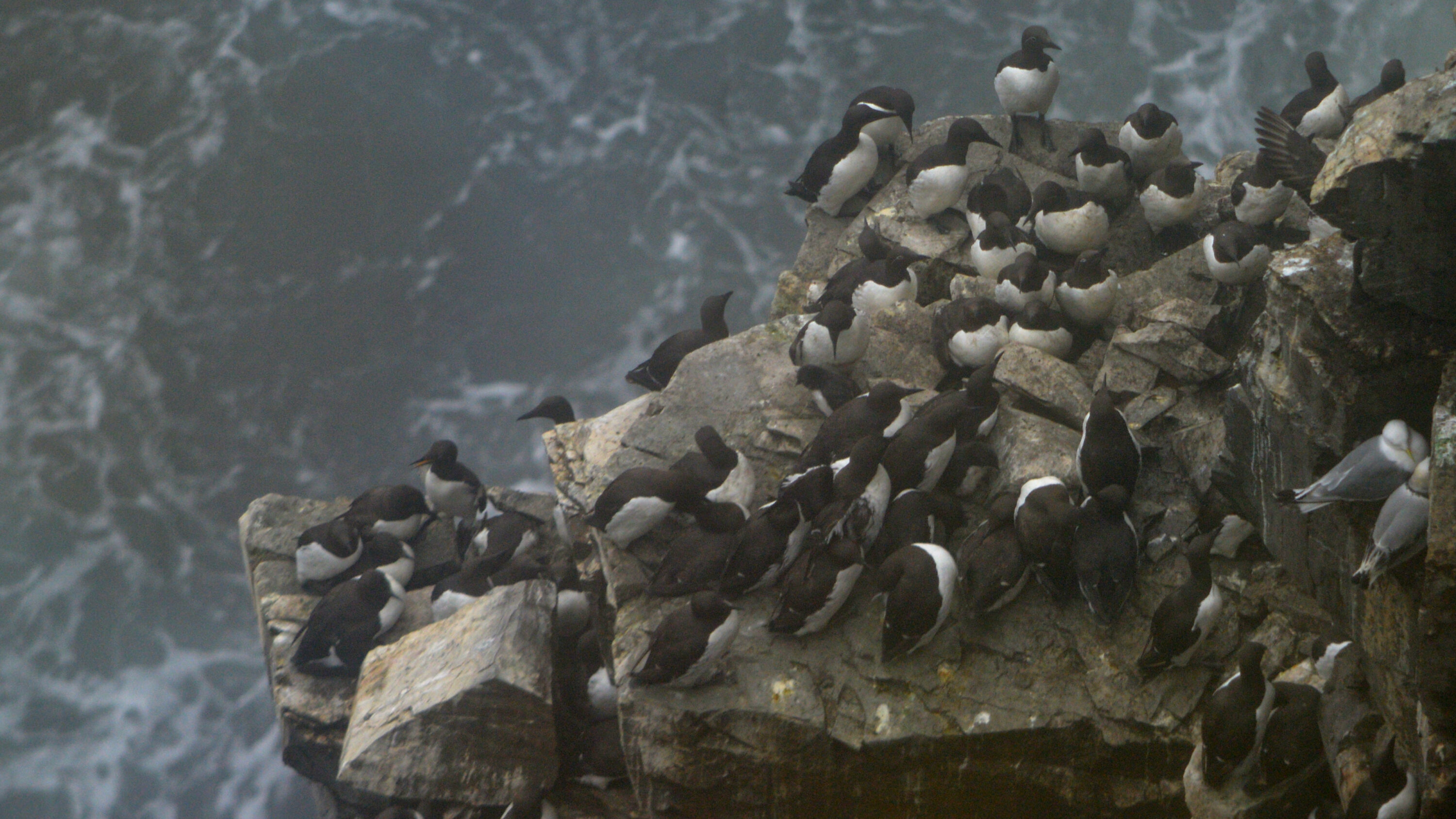
Common Murres Had Higher Blood Mercury in 2022 as Foraging Shifted Closer to Shore and Seafloor
Adult common murres in the Gulf of St. Lawrence had non-overlapping, higher blood-mercury concentrations in 2022 than in…
Read story →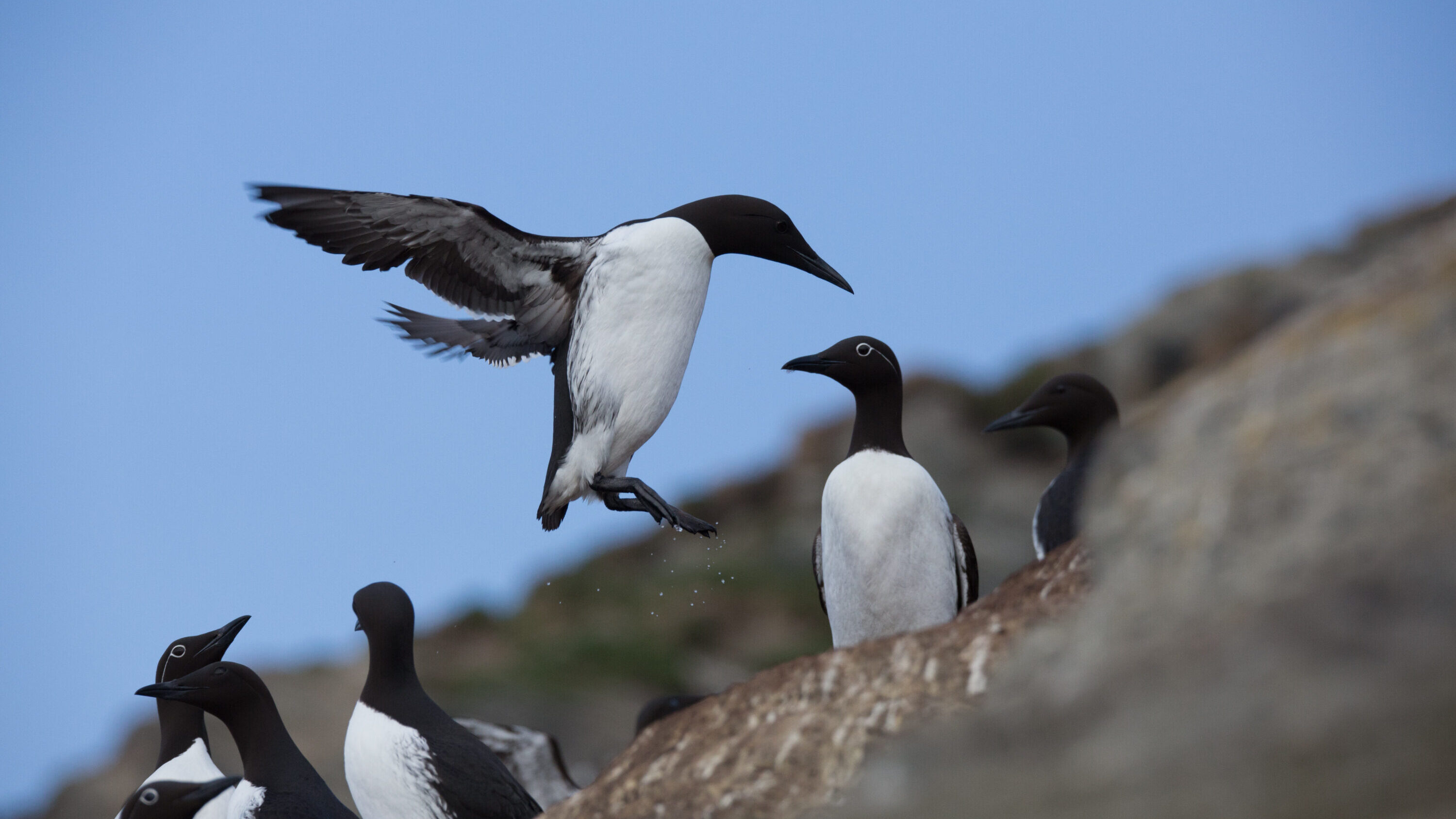
Negative Link Between Spring Capelin Landings and Adult Survival Was Supported Only for Hjelmsøya Common Murres
Across eight Barents Sea seabird populations, a direct negative association between spring capelin landings and overwinter adult survival…
Read story →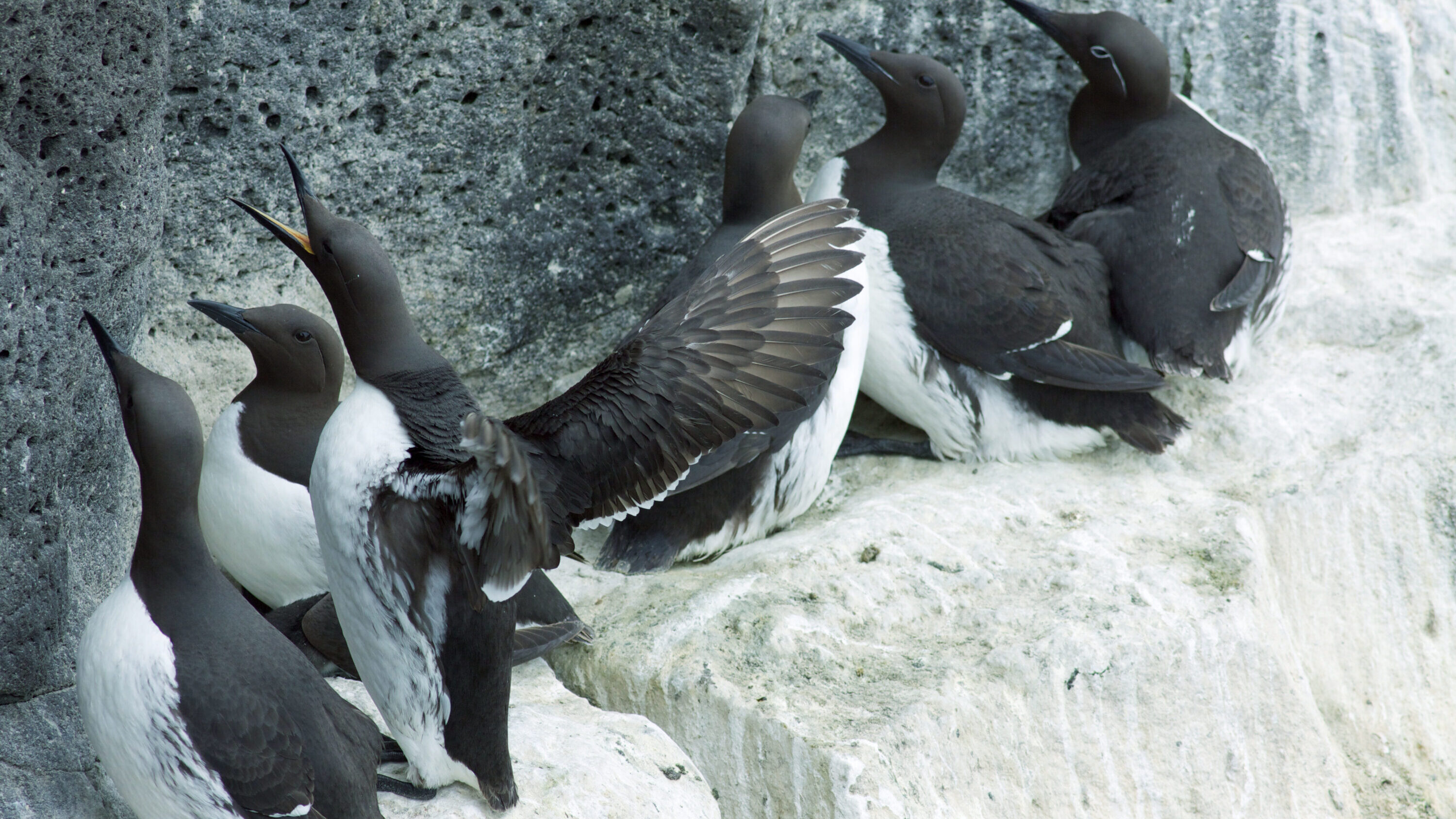
Water Masses and Foraging Structured PFAS Variability in Icelandic Common and Thick-billed Murres
Plasma from 67 common murres and 45 thick-billed murres showed that PFOS variability was strongest in Atlantic-influenced waters,…
Read story →SPECIES IN THIS STORY
Species in this story
Independent research and conservation news archive
Did you find this information useful?
Wildlife Vagabond is independently built and maintained. Voluntary support helps cover source verification, hosting and continued work on research and conservation news.
Support Wildlife VagabondThe news archive will remain freely available.