
Black-winged Kites Bred Successfully in Germany for the First Time
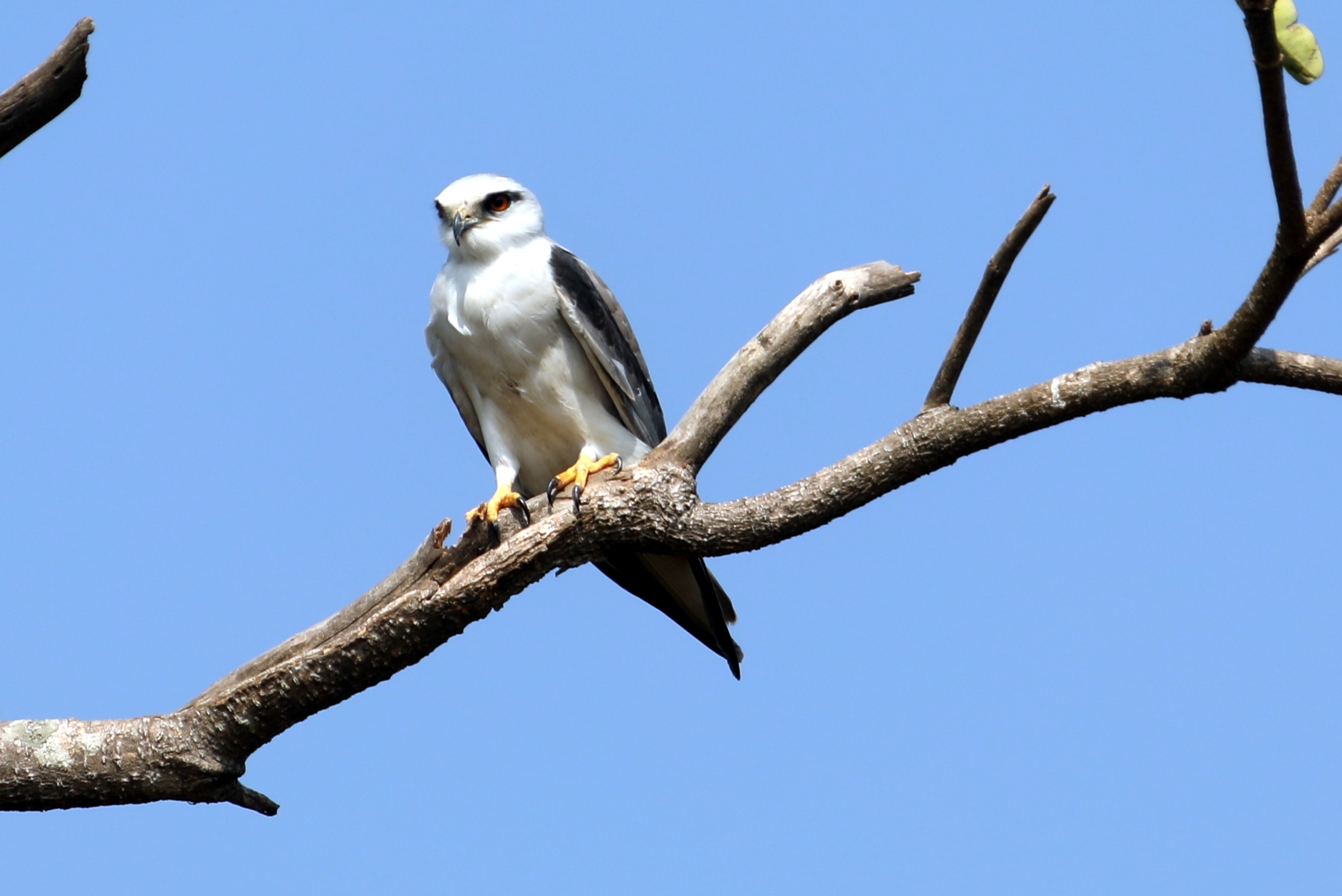
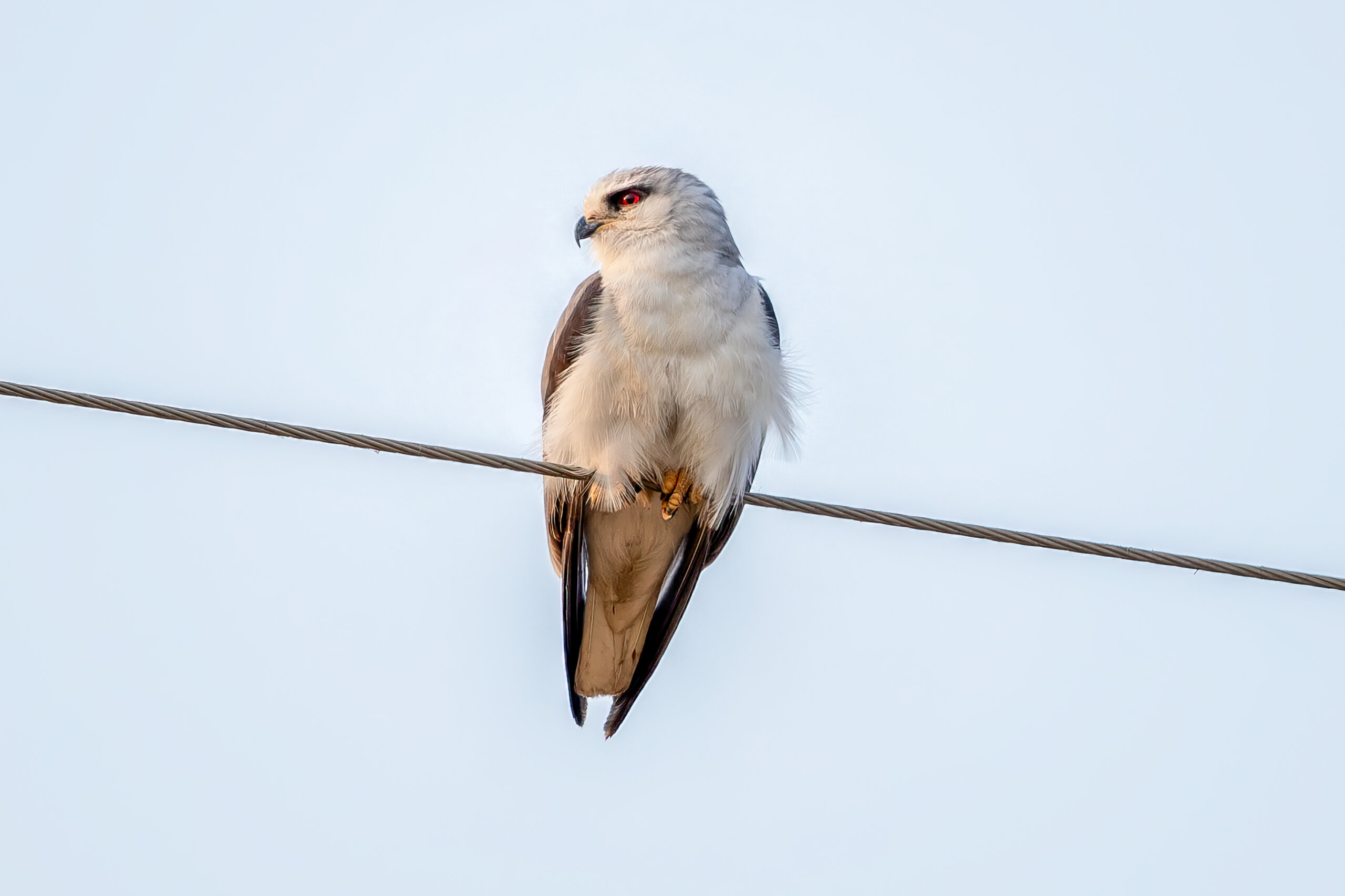
Germany recorded its first confirmed successful breeding of black-winged kite (Elanus caeruleus caeruleus) in 2025, according to a study published in Vogelwelt in 2026.
The breeding territory was near Hekeln in north-western Lower Saxony, in the southern Weser marshes around 70 kilometres from the North Sea coast. The landscape is mainly agricultural, with hay meadows, pastures and increasing areas of arable land. The kites centred their activity on a canal lined by a sparse row of trees, particularly field maples, and used an area of about 20 hectares.
The breeding was discovered late in the season. On 4 September 2025, an adult and two fledged young were observed in the area. The following morning, observers confirmed that the family consisted of two adults and three fledglings. The adults repeatedly brought rodents to the young, and the juveniles initially remained within a short section of the tree line.
About 90% of hunting flights were over nearby meadows
Foraging was strongly concentrated on the surrounding grassland. About 90% of the recorded hunting flights took place over meadows immediately beside the canal, while maize fields were largely avoided. The area experienced an unusually high abundance of common voles (Microtus arvalis) in 2025, providing abundant prey. During one observation period on 7 September, all seven hunting flights followed by the researchers ended successfully within two to five minutes.
Three young fledged from the breeding attempt, although one later disappeared and was considered likely to have been killed by a mammalian predator. The breeding site lay about 890 kilometres from the nearest previously known breeding areas in France.
The German breeding fits a wider northward expansion
The authors place the German record in a wider European pattern. Black-winged kites have expanded from North Africa into the Iberian Peninsula and France over recent decades, while records farther north and east have increased markedly. In Germany alone, 26 individuals had already been recorded during the first half of 2025, one more than in the whole previous record year of 2022. In 2025, breeding or breeding attempts were also documented outside the previously established range in southern Germany, Hungary and western Denmark.
The researchers describe these records as possible signs that the European breeding range is continuing to expand beyond south-western Europe. They point to increasingly warm and dry spring and summer conditions north of Portugal, Spain and France as one factor that may have favoured this expansion, while the German breeding site also combined suitable open grassland with exceptionally high prey availability.
Population & status
Related news
First Confirmed Black-winged Kite Nest in King Abdulaziz Royal Reserve Held Three Eggs
A nest found in King Abdulaziz Royal Reserve in May 2025 contained three eggs, confirming local Black-winged Kite…
Read story →
Black-winged Kite Index Showed Clear Declines on Both Time Scales in India
The 2025 State of India’s Birds update estimated a −48% long-term trend and a −3.9% current annual trend…
Read story →
Indian Raptors Separated Across Forest, Water, Cropland and Human-Dominated Landscapes
Surveys at 445 points across seven Indian localities found distinct raptor associations with water, forest, cropland and human-dominated…
Read story →SPECIES IN THIS STORY
Species in this story
Independent research and conservation news archive
Did you find this information useful?
Wildlife Vagabond is independently built and maintained. Voluntary support helps cover source verification, hosting and continued work on research and conservation news.
Support Wildlife VagabondThe news archive will remain freely available.