
First Confirmed Black-winged Kite Nest in King Abdulaziz Royal Reserve Held Three Eggs
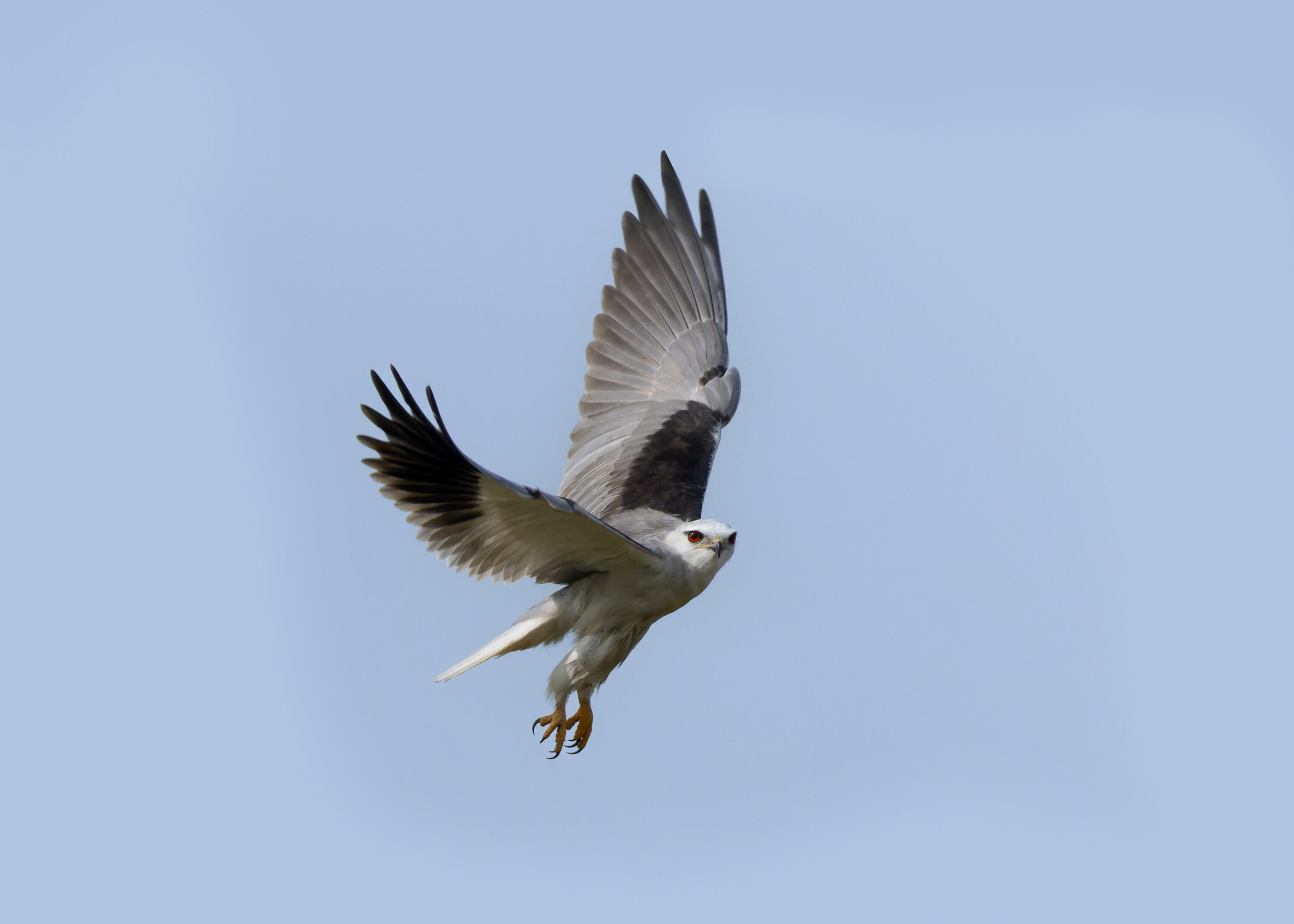
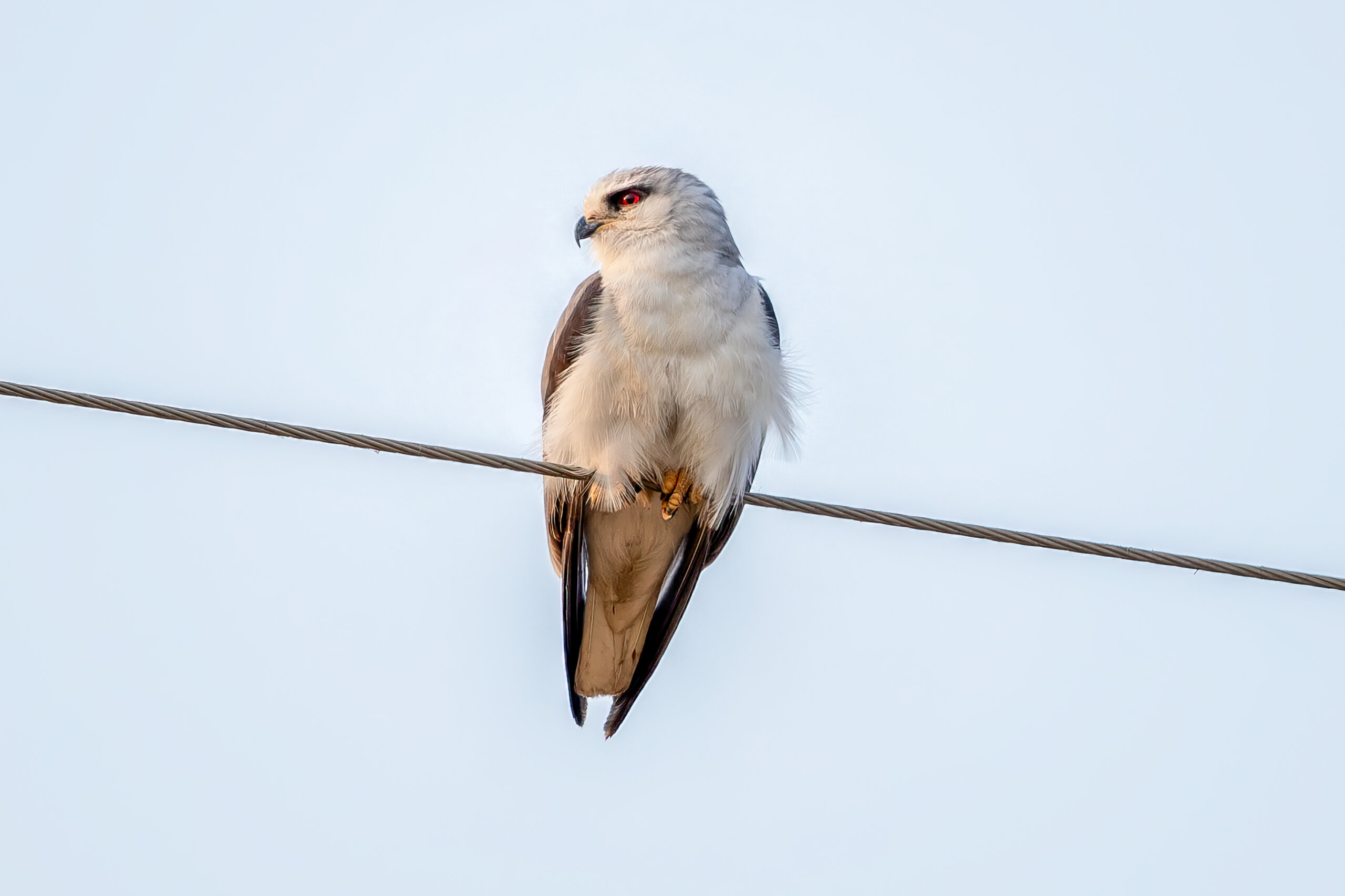
The first confirmed breeding record of black-winged kite (Elanus caeruleus) in King Abdulaziz Royal Reserve, Saudi Arabia, came from fieldwork in 2025 and was highlighted again by the reserve authority in an announcement on 22 June 2026. The peer-reviewed study documenting the record had already been published in Zoology and Ecology in December 2025.
An active nest contained three eggs
Field surveys ran from 20 January to 26 May 2025 across the reserve. Six black-winged kites were recorded during winter and five during spring, including adults and juveniles. The observations were concentrated in Al-Rawdah habitats with dense stands of sidr (Ziziphus) trees surrounded by open ground, where the birds were also observed hunting rodents and gerbils.
Direct evidence of local breeding came on 14 May, when researchers found an active nest about 2.9 metres above the ground in a sidr tree. It contained three eggs. Neither the study nor the 2026 authority announcement reported whether those eggs later hatched or how many young, if any, fledged from the nest.
The record is important because earlier confirmed breeding in Saudi Arabia had been associated mainly with the southern Tihama and foothills of the western highlands. The King Abdulaziz Royal Reserve nest therefore extends the documented breeding distribution beyond those previously known areas.
National records suggest expansion, but the seasonal pattern was not statistically clear
The researchers combined their reserve observations with 220 validated Saudi records from the Global Biodiversity Information Facility. Record counts were highest in March and especially October, while July had no records in the compiled dataset. However, the statistical test did not find a clear difference among months. The authors therefore treat the apparent seasonal pattern as suggestive rather than as a statistically distinct monthly cycle.
They interpret the wider distribution as consistent with a mixture of local breeding and seasonal or irruptive dispersal. The paper also discusses open habitat, suitable nesting trees and rodent availability as factors that may favour the species, and proposes that land-use change and protected areas could have contributed to its range expansion. These are interpretations of the broader pattern rather than effects directly tested by the study.
The reserve authority said monitoring will continue to locate additional nesting sites and incorporate them into conservation work. The 2025 nest now provides a confirmed baseline for following whether black-winged kites continue to breed within the reserve.
Population & status
Related news
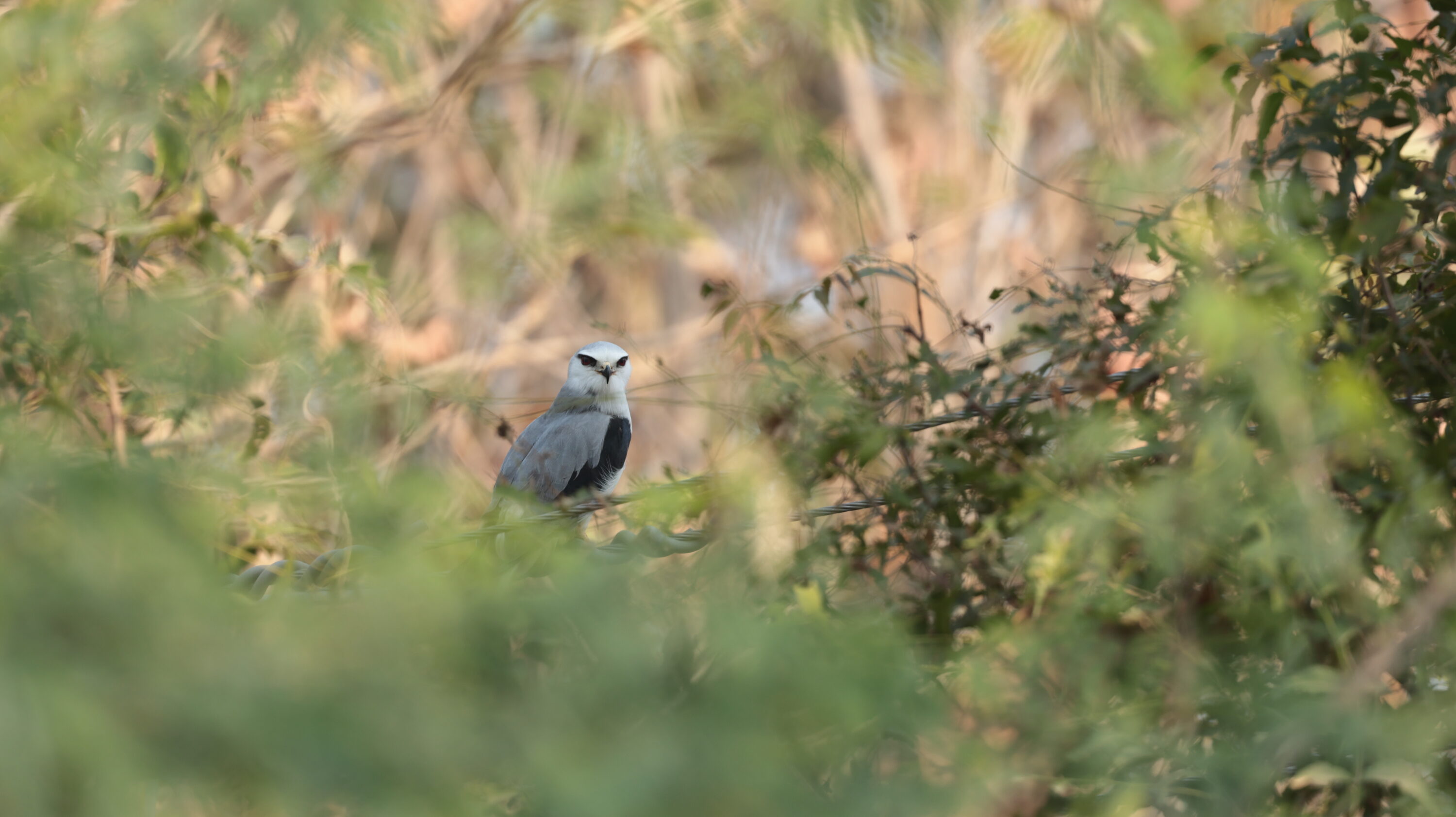
Black-winged Kite Index Showed Clear Declines on Both Time Scales in India
The 2025 State of India’s Birds update estimated a −48% long-term trend and a −3.9% current annual trend…
Read story →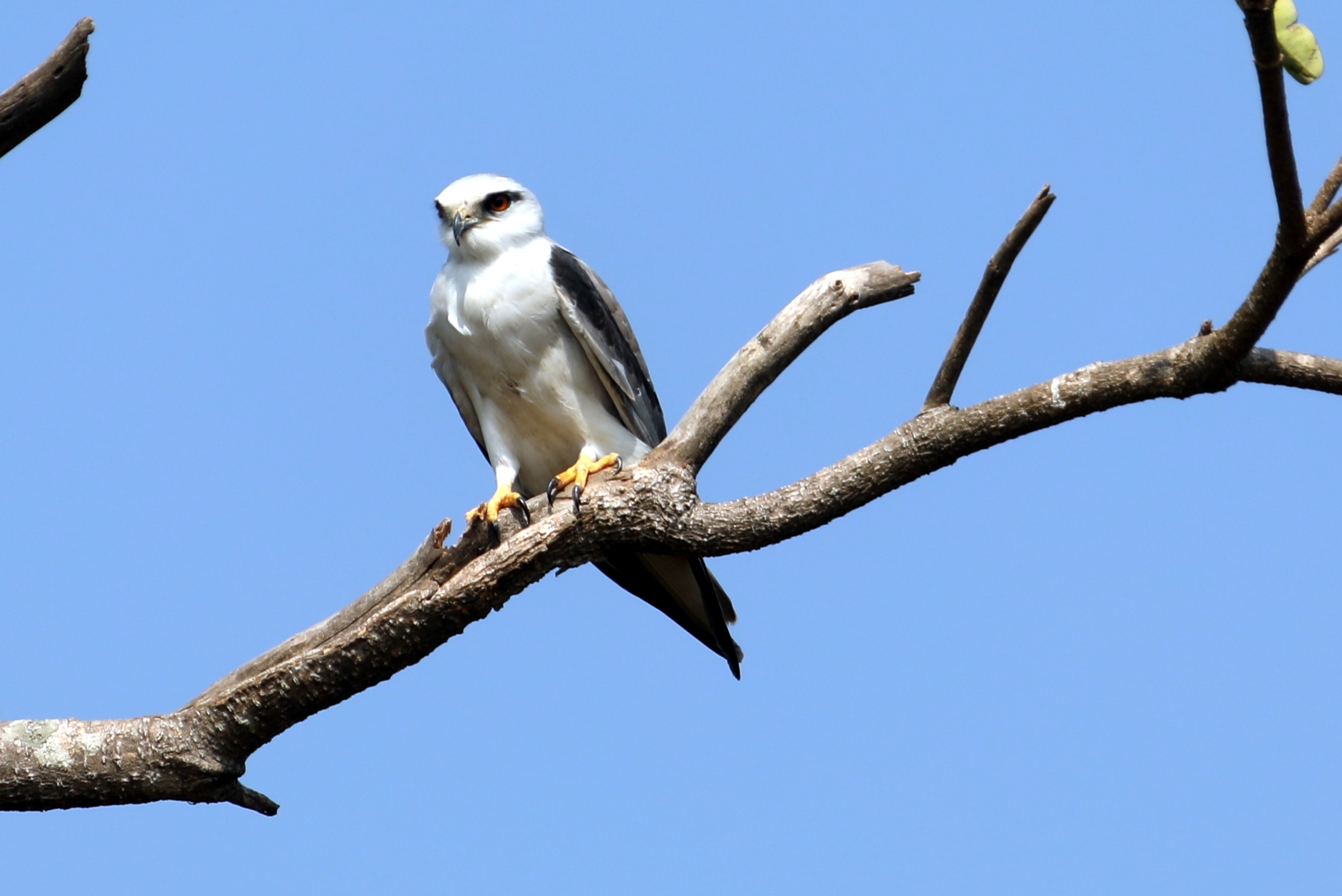
Black-winged Kites Bred Successfully in Germany for the First Time
A pair of black-winged kites raised three fledglings in Lower Saxony in 2025, providing Germany’s first confirmed successful…
Read story →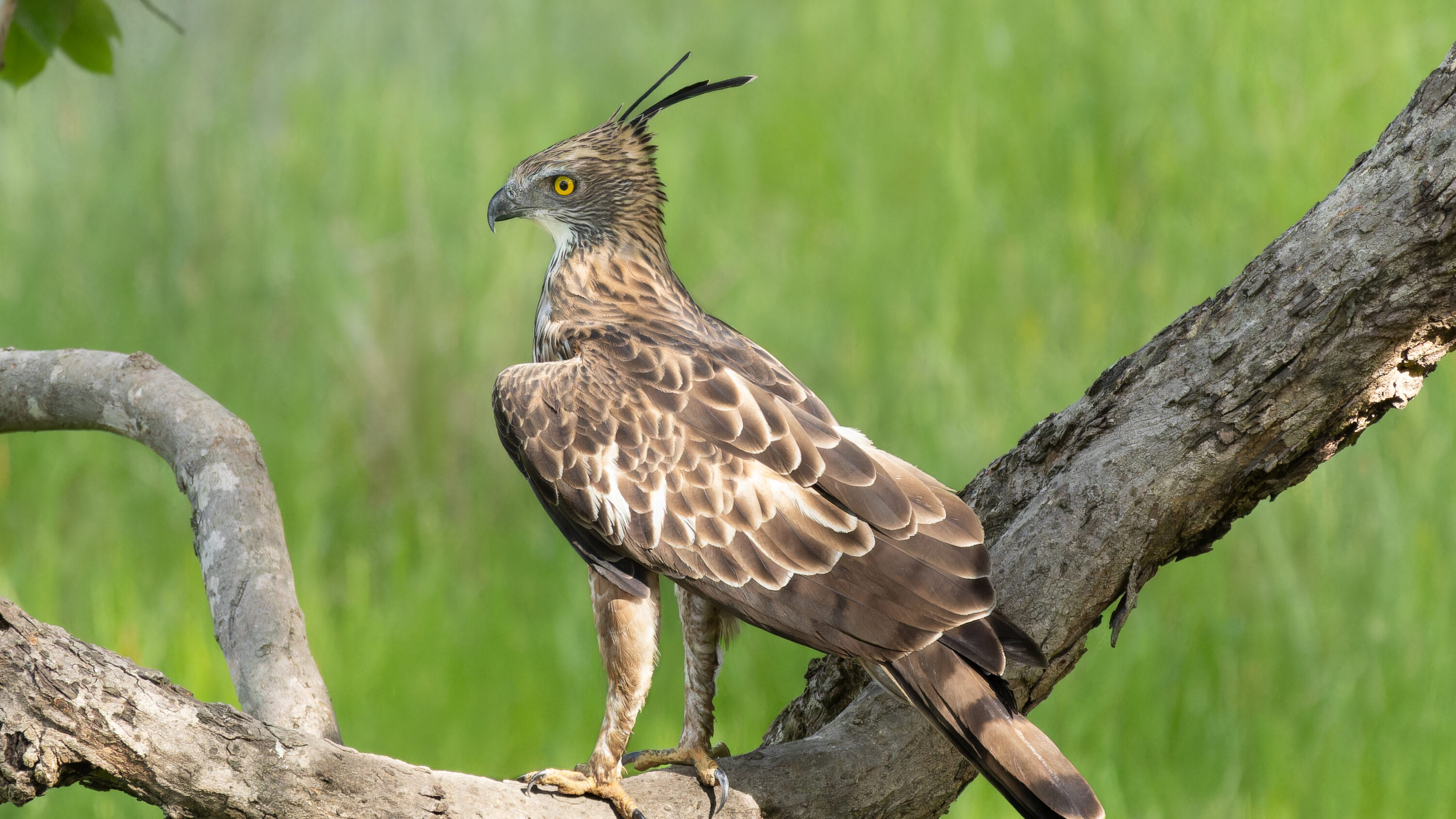
Indian Raptors Separated Across Forest, Water, Cropland and Human-Dominated Landscapes
Surveys at 445 points across seven Indian localities found distinct raptor associations with water, forest, cropland and human-dominated…
Read story →SPECIES IN THIS STORY
Species in this story
Independent research and conservation news archive
Did you find this information useful?
Wildlife Vagabond is independently built and maintained. Voluntary support helps cover source verification, hosting and continued work on research and conservation news.
Support Wildlife VagabondThe news archive will remain freely available.