
Three Osprey Chicks Hatched on Artificial Platform at English RSPB Reserve
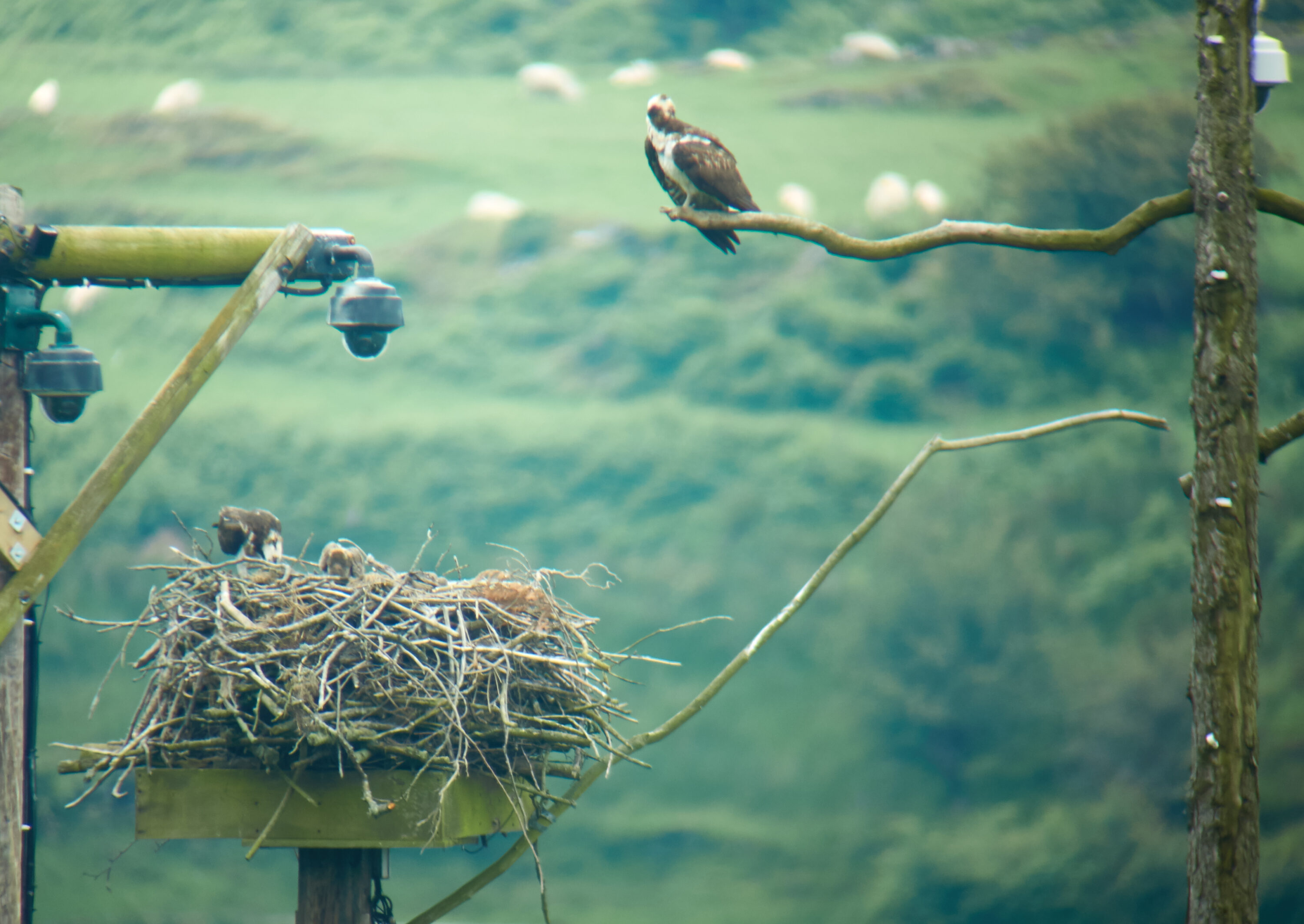
Three osprey (Pandion haliaetus) chicks hatched on an artificial nest platform at RSPB Campfield Marsh in Cumbria in June 2026. Announced by the RSPB on 10 August, this was the first successful osprey breeding on one of the organisation’s nature reserves in England since the Victorian period.
The pair arrived at Campfield Marsh in April and settled on a platform installed to attract nesting ospreys. The male, Blue 571, was ringed in Dumfries in 2021, while the unringed female is of unknown age and origin. The RSPB believes both were first-time parents. Three eggs were laid between 30 April and 6 May, and the chicks hatched between 7 and 14 June.
Campfield Marsh lies on the southern shore of the Solway Firth and contains saltmarsh, peat bog, farmland and wet grassland. The reserve is managed with ditches, drains and high water levels that support wintering waders and wildfowl, while the osprey platform was specifically designed and positioned for the fish-eating raptors. It can be viewed from a nearby hide.
Ospreys were persecuted to extinction as a breeding bird in the UK in the early 20th century, but returned to Scotland in the 1950s and have since recolonised other parts of the country. The RSPB now estimates about 316 breeding pairs in the UK, with Scotland still the main stronghold.
The three Campfield Marsh chicks were ringed in July so later sightings can help track their movements. When the RSPB announced the breeding success on 10 August, the young had not yet fledged; they were expected to do so during August, remain locally while learning to fish, and begin their southward migration from September. The RSPB says that migration to Africa takes about four to six weeks.
Management
Related news
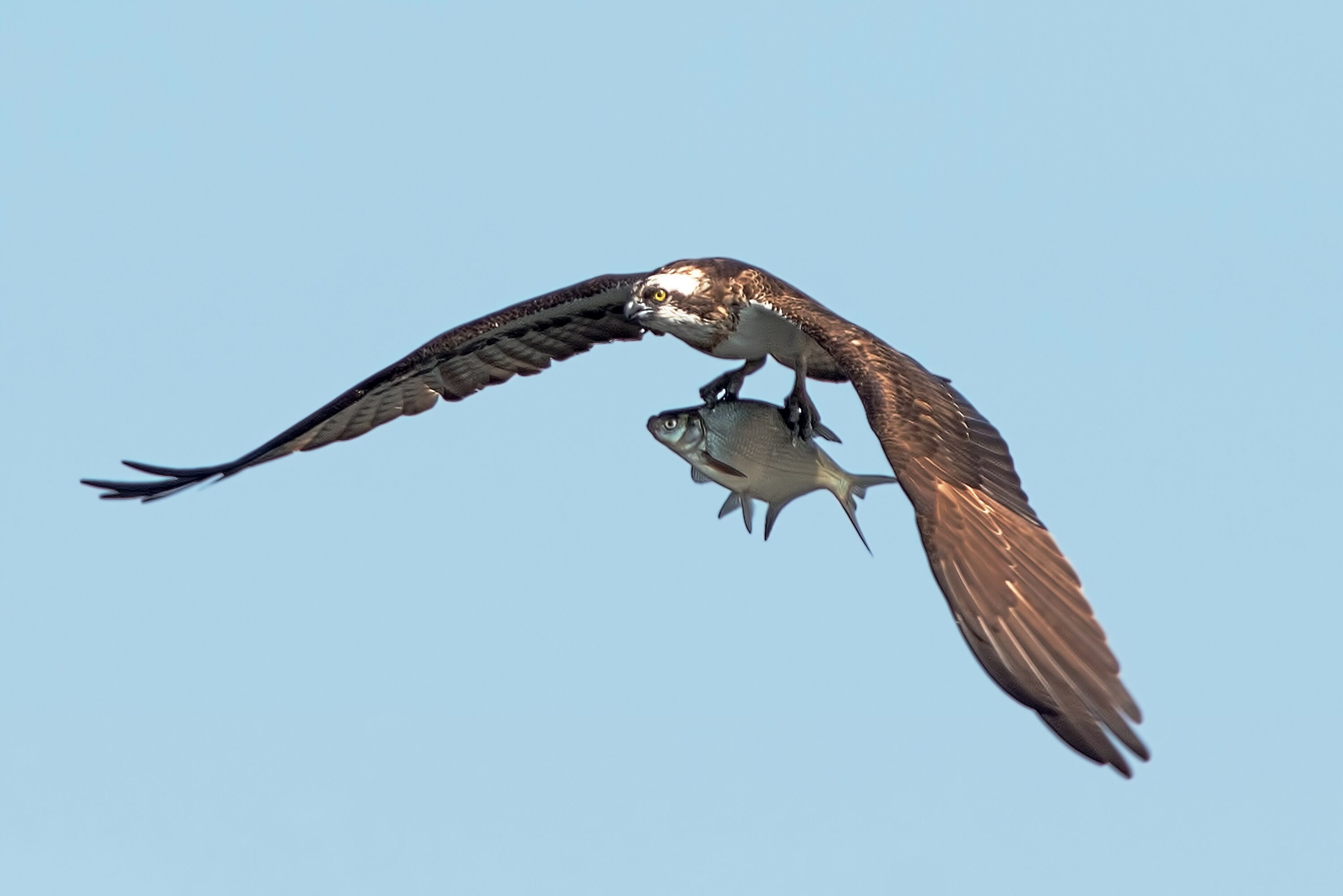
VKM: Exporting Up to 26 Osprey Young to Ireland Would Not Harm Conservation Status in Norway
VKM concluded that exporting up to 26 wild young ospreys from two Norwegian donor areas to Ireland would…
Read story →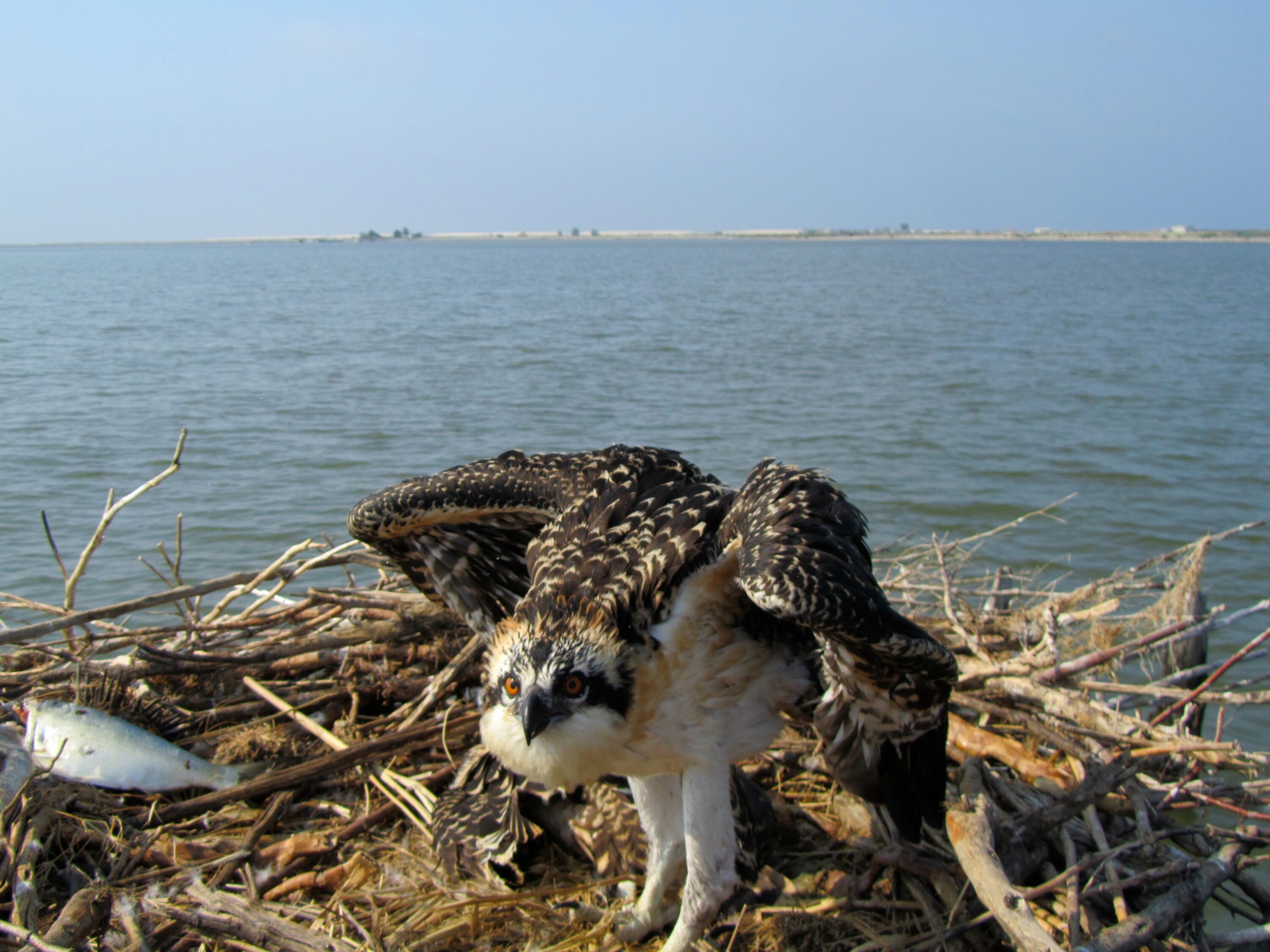
24 Osprey Chicks Fledged From 12 Rutland Nests
Rutland Osprey Project reported 24 chicks fledged from 12 nests in 2026. The season produced 14 chicks assessed…
Read story →
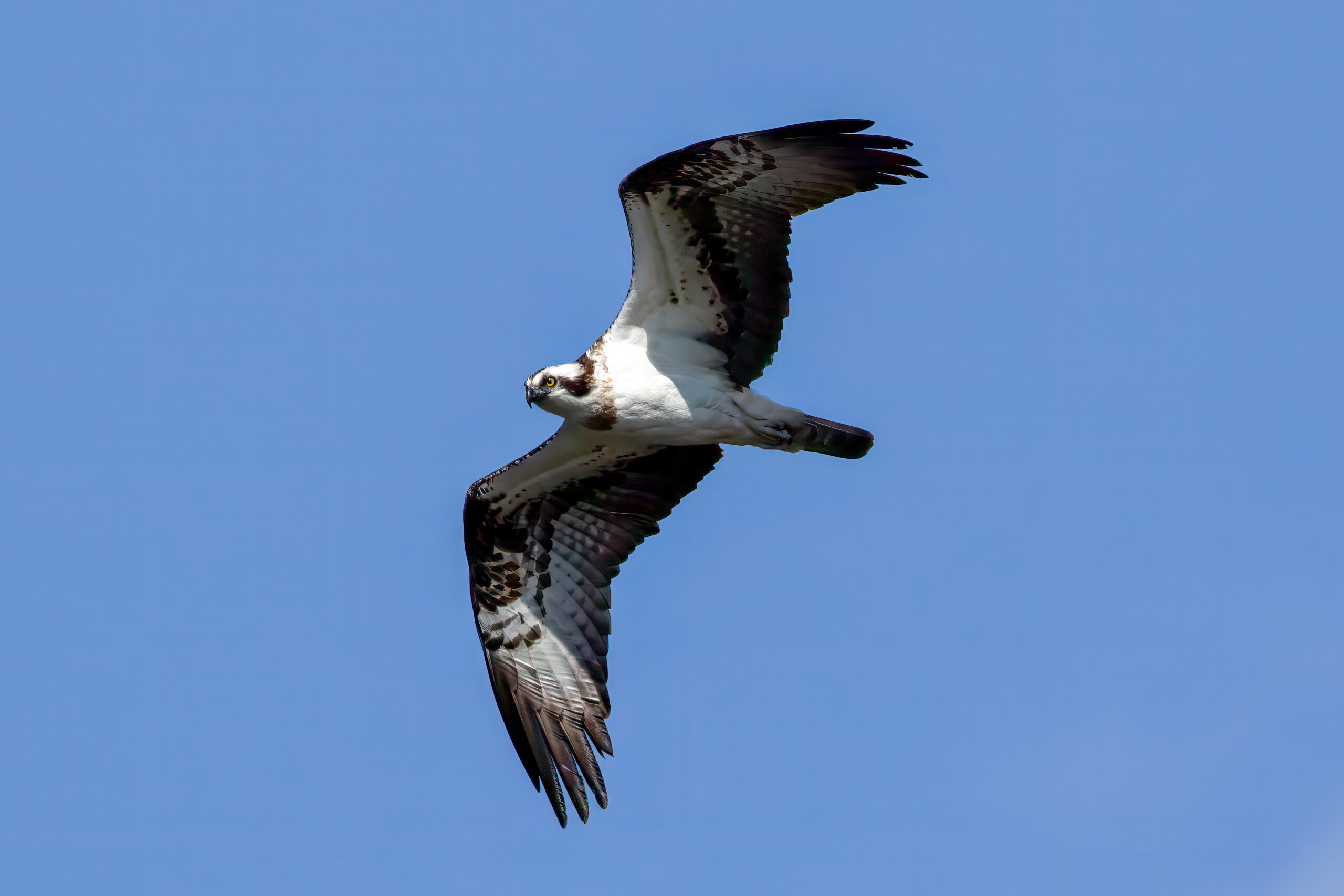
Ospreys Raised Three Chicks in Switzerland’s First Breeding in 112 Years
A male released by the Swiss reintroduction project and an unringed female of unknown origin raised three chicks…
Read story →SPECIES IN THIS STORY
Species in this story
Independent research and conservation news archive
Did you find this information useful?
Wildlife Vagabond is independently built and maintained. Voluntary support helps cover source verification, hosting and continued work on research and conservation news.
Support Wildlife VagabondThe news archive will remain freely available.