
Zoonotic Echinococcus Tapeworms Found in Coyotes and Gray Foxes Across Five Pennsylvania Counties
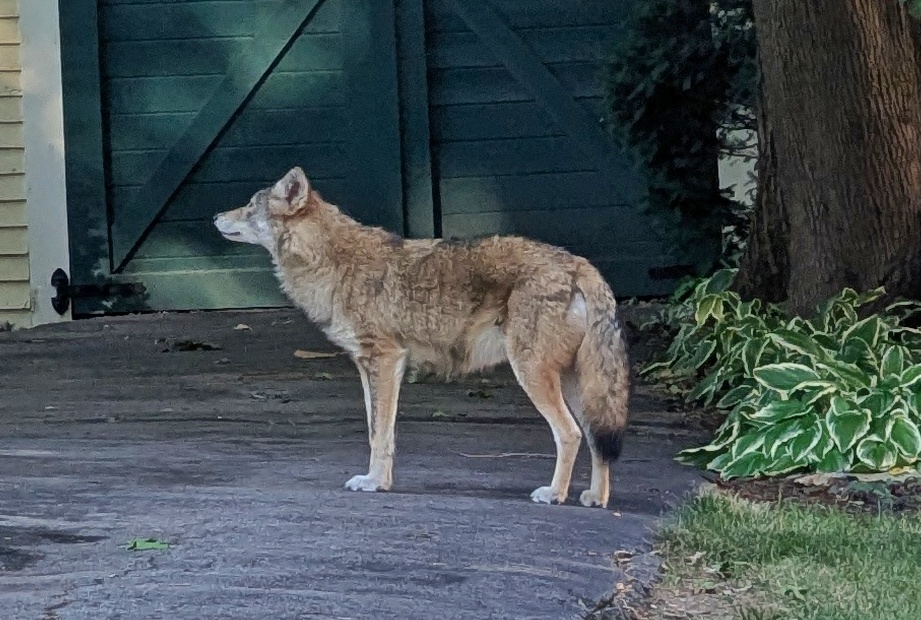
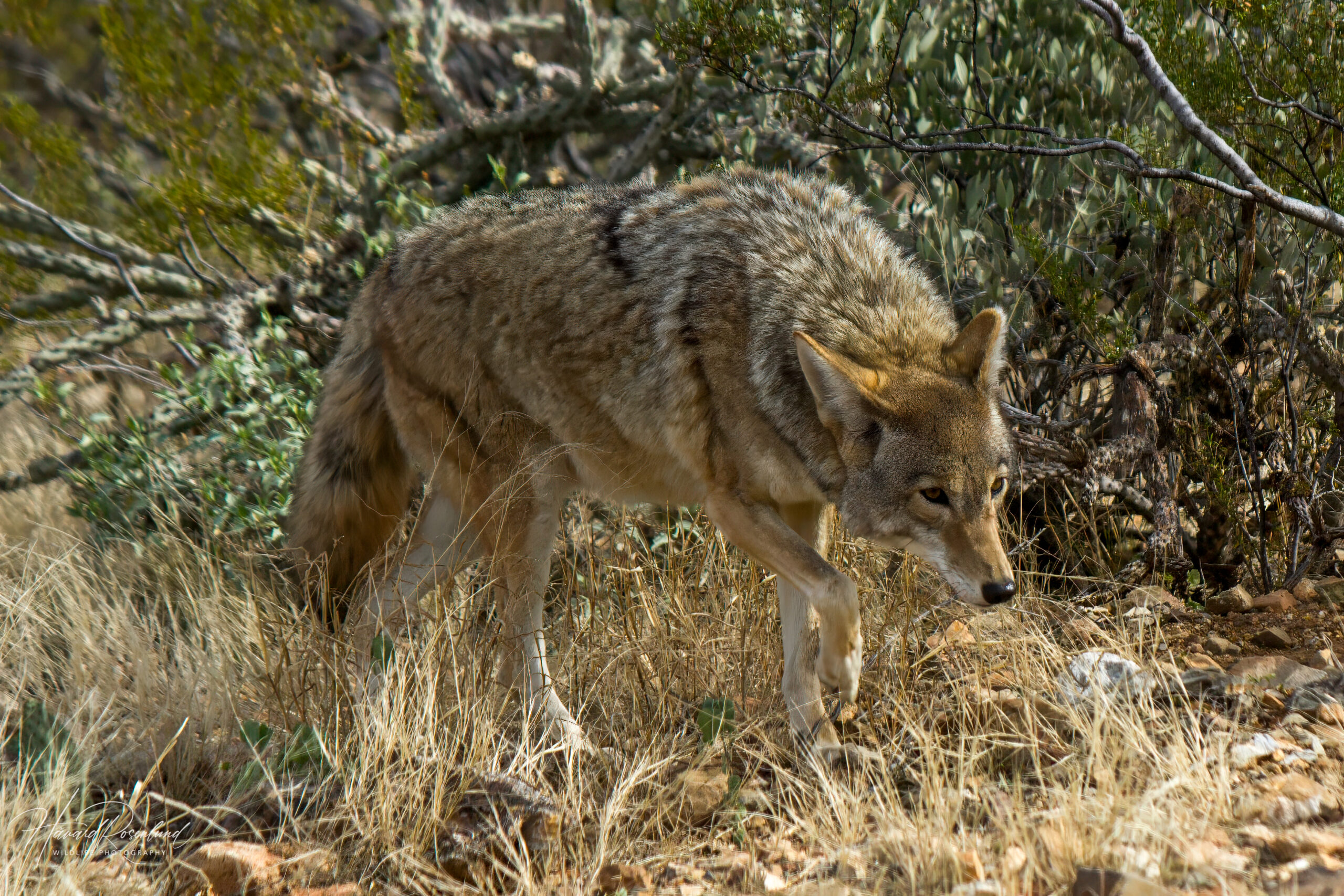
A statewide parasite survey in Pennsylvania, USA detected zoonotic Echinococcus tapeworms in five wild canids: three coyotes (Canis latrans) and two gray foxes (Urocyon cinereoargenteus). The study, published on 6 January 2026, screened 27,293 fecal samples from pet dogs, hunting dogs and wild canids across all but six counties in the state.
Five Wild Canids Were Positive
Echinococcus multilocularis was detected in two coyotes from Lackawanna and Susquehanna counties and two gray foxes from Erie and Clearfield counties. A third coyote, from Wyoming County, carried Echinococcus canadensis genotype G8. The four E. multilocularis detections added new county records; Wyoming County had already produced an Echinococcus-positive coyote in an earlier Pennsylvania study.
None of the 34 red foxes (Vulpes vulpes), 26,979 pet dogs or 52 hunting dogs tested positive for either Echinococcus species. In this dataset, the parasites were detected only in wild canids.
Canids are definitive hosts for these tapeworms: adult worms live in the intestine and eggs are shed in feces. E. multilocularis normally cycles through rodents as intermediate hosts, while E. canadensis G8 is associated with wild cervids. Humans can also become accidental intermediate hosts, which makes both parasites important from a zoonotic-disease perspective.
The Findings Extend the Documented Range in Pennsylvania
The authors interpret the new detections as further evidence that Echinococcus species are more broadly distributed in the eastern United States than previously recognised. At the time of publication, infected intermediate hosts had not yet been documented in Pennsylvania, leaving important gaps in understanding how the parasites are being maintained and transmitted locally. The authors therefore call for surveillance of rodents and cervids as well as canids.
Researchers could determine the haplotype — a particular genetic sequence variant — for two of the four E. multilocularis detections. The sequence from the Lackawanna coyote matched the European E5 haplotype, while the Erie gray fox was almost identical to it; the other two detections could not be typed. The authors note that continued detection of this variant is also a veterinary concern because it has been associated with fatal alveolar echinococcosis in dogs.
Disease, parasites & microbiology
Related news
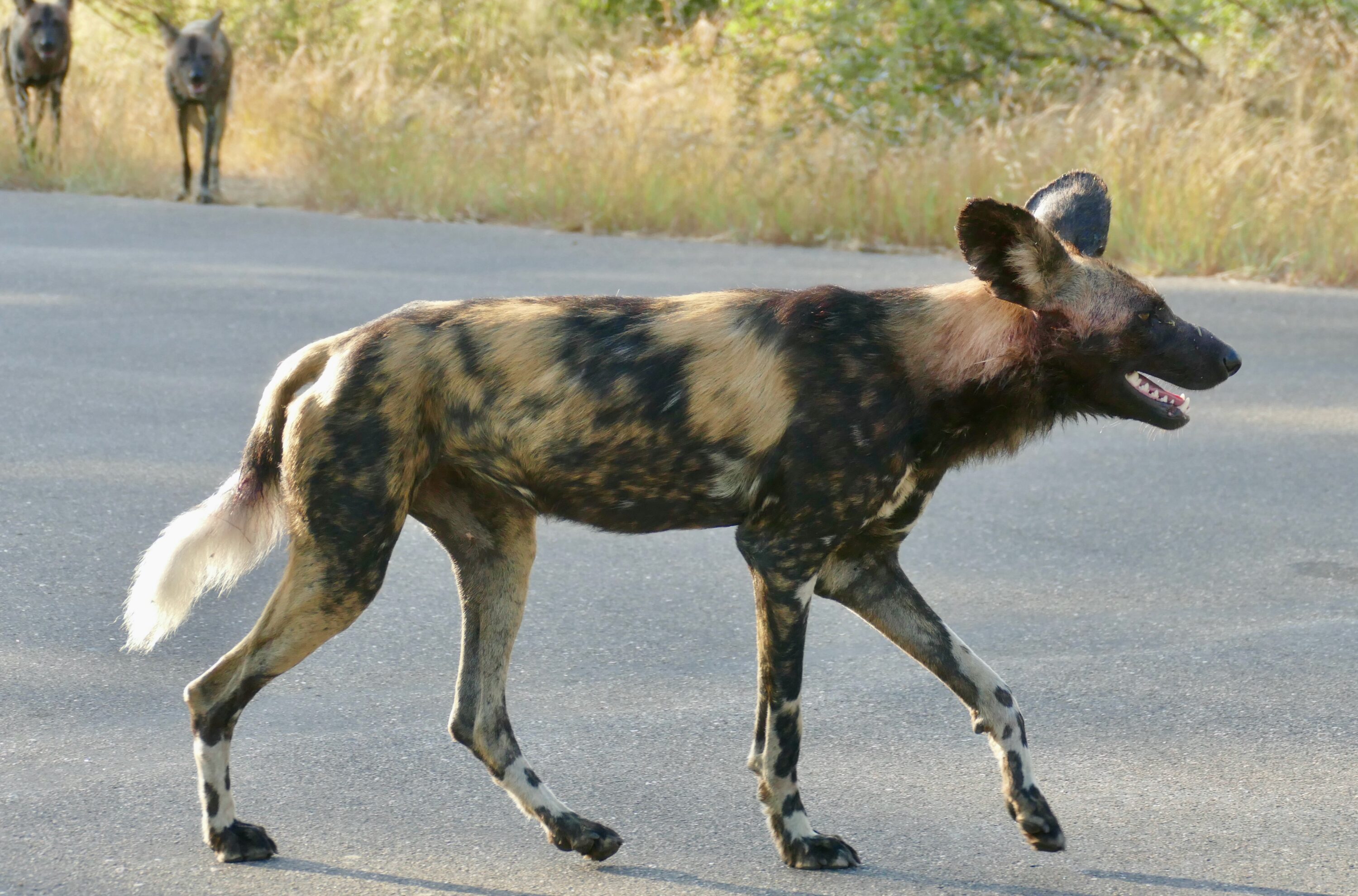
Gut Microbiomes Across Nine Kruger Mammals Clustered More Strongly by Dietary Group Than Species
A study of 89 quality-filtered faecal samples from nine wild mammals in Kruger National Park found that carnivores,…
Read story →
Nearly Three-quarters of Migrating Redwings Carried Ticks During Two Mild Belgian Autumns
Ticks were found on 72.9% of 284 redwings sampled during late-autumn migration in Belgium; 12.9% of 698 screened…
Read story →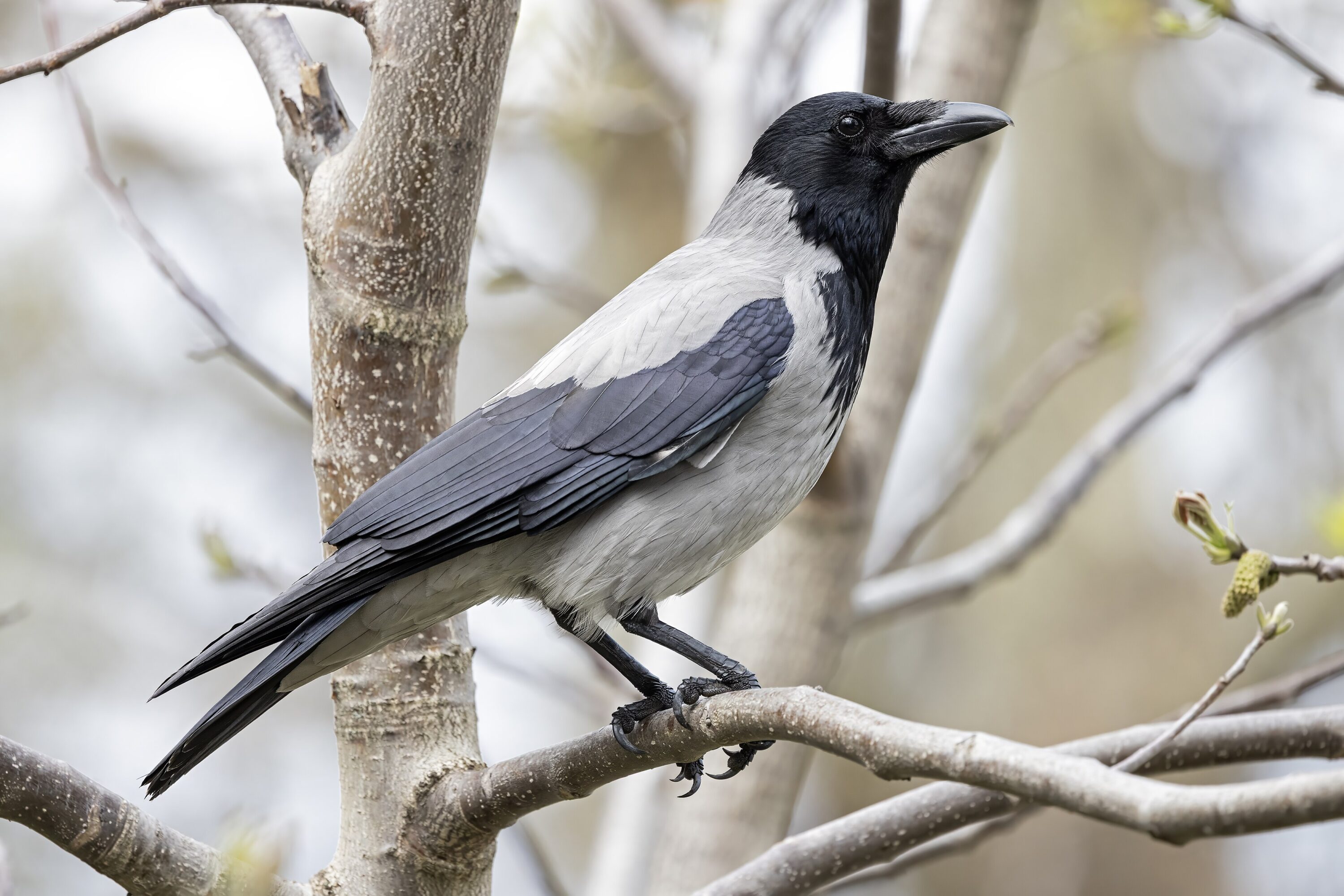
Hooded Crows Were Linked to 87 Reported West Nile Virus Bird Outbreaks in Europe
The September ECDC–EFSA report linked hooded crows to 87 reported West Nile virus bird outbreaks, Eurasian magpies to…
Read story →SPECIES IN THIS STORY
Species in this story
Independent research and conservation news archive
Did you find this information useful?
Wildlife Vagabond is independently built and maintained. Voluntary support helps cover source verification, hosting and continued work on research and conservation news.
Support Wildlife VagabondThe news archive will remain freely available.