
Hooded Crows Were Linked to 87 Reported West Nile Virus Bird Outbreaks in Europe
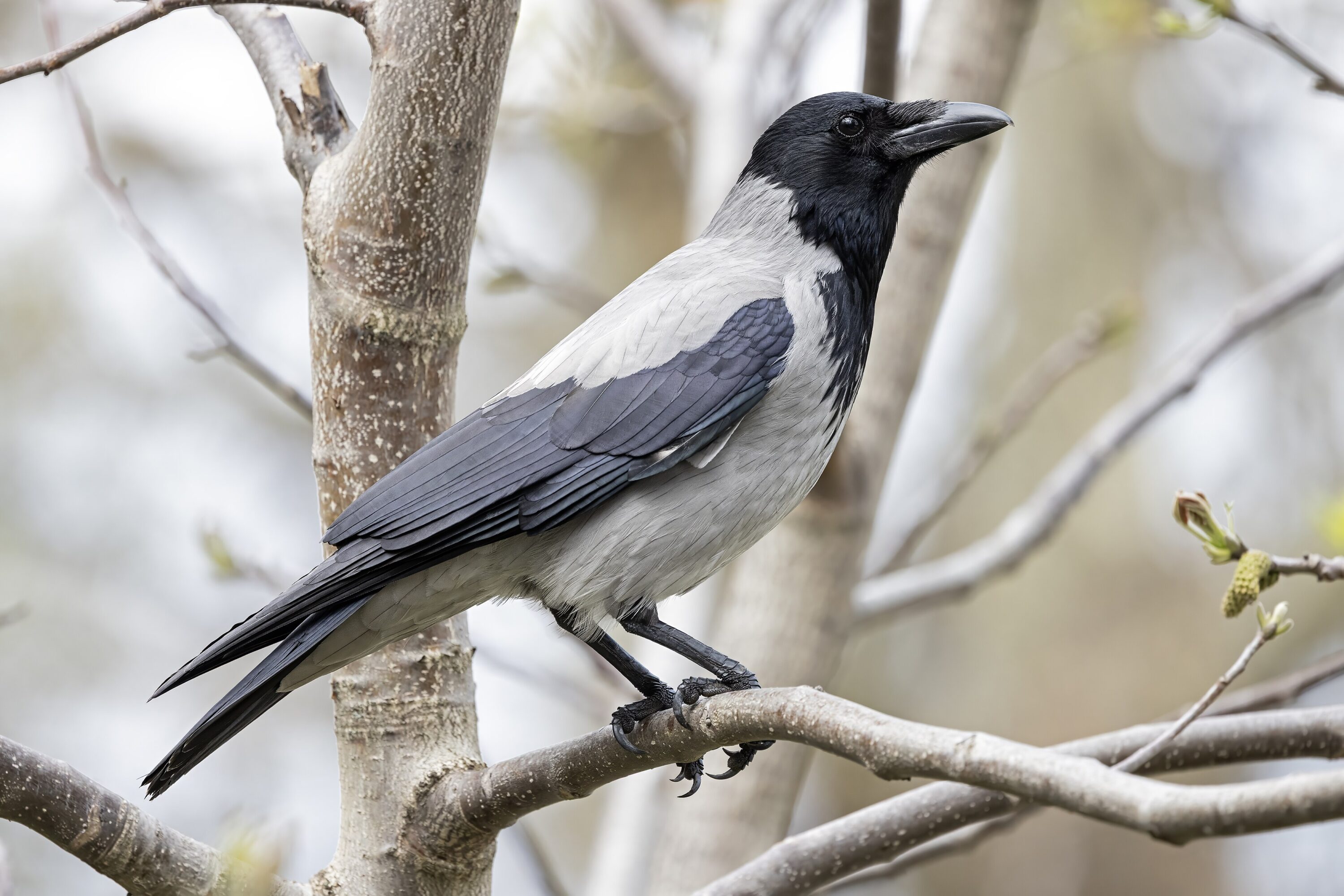
A joint ECDC–EFSA surveillance report shows intense West Nile virus activity among European birds in 2026. Published on 9 September from data submitted through 3 September, the report recorded 280 avian outbreaks in its main European total. West Nile virus is maintained primarily in a mosquito–bird transmission cycle, and EFSA notes that corvids and raptors are among the bird groups that often develop clinical disease.
Corvids dominated the reported species list
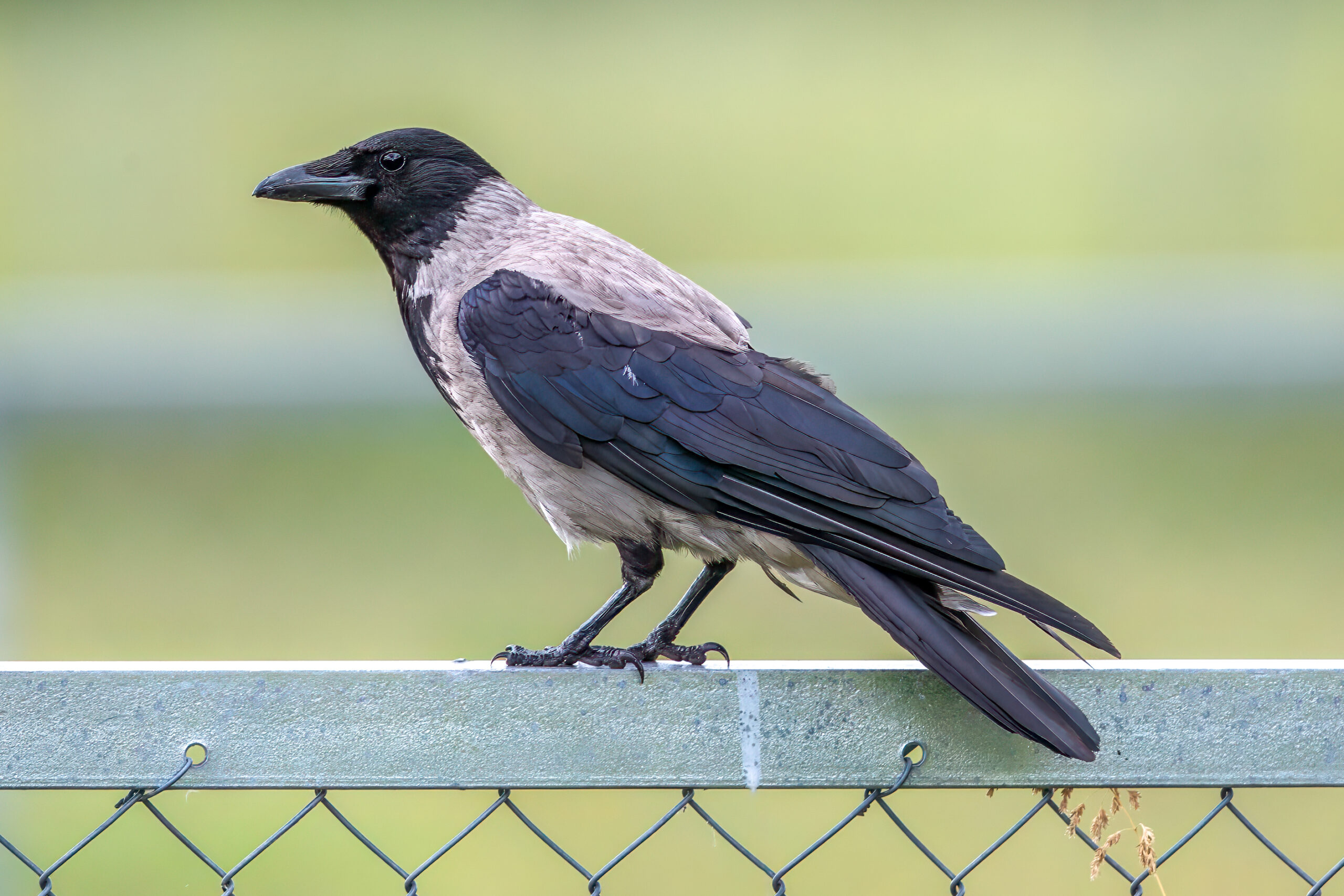
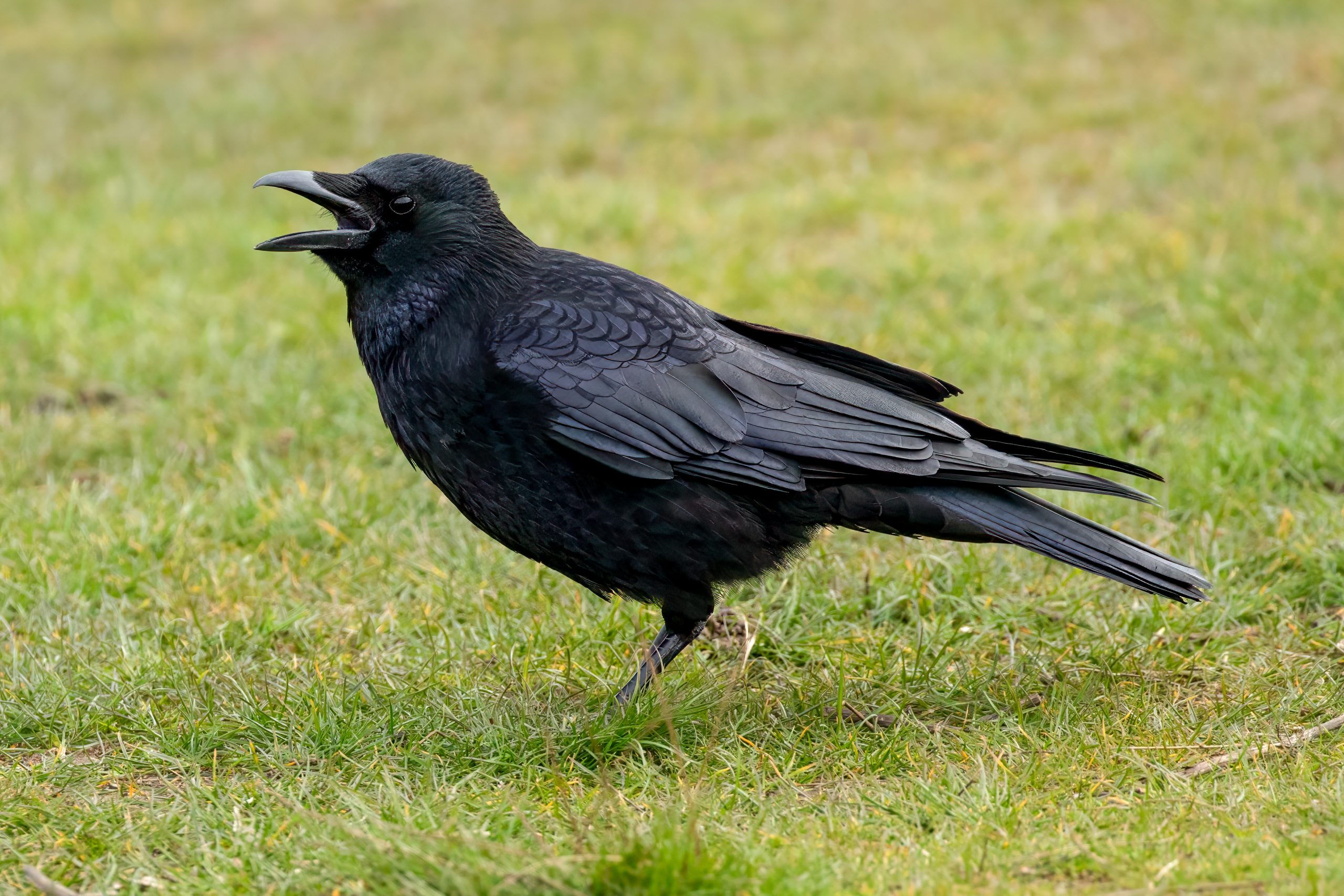
Hooded crow (Corvus corone cornix) was associated with 87 reported outbreaks and Eurasian magpie (Pica pica) with 70. Western carrion crow (Corvus corone corone) was linked to 18 outbreaks, followed by Eurasian blackbird with 13 and common kestrel and little owl with 10 each.
These numbers are counts of reported outbreaks associated with each taxon, not counts of individual infected birds and not direct estimates of infection prevalence or biological susceptibility. Differences among species can also be influenced by surveillance intensity, the likelihood that sick or dead birds are detected, and the probability that a species develops conspicuous disease. The report therefore documents which taxa were most often associated with reported outbreaks, rather than establishing a simple ranking of which species are most susceptible.
Italy accounted for most reported bird outbreaks
Italy accounted for 218 of the reported bird outbreaks, followed by Belgium with 26, Croatia with nine, Spain with eight, Austria with seven, France with five, Germany and North Macedonia with three each, and the Netherlands with one. Switzerland separately submitted one avian outbreak to the Animal Disease Information System for the first time in 2026.
Outbreaks in birds and equids increased markedly during July and August and exceeded the recent historical monthly averages used in the report, indicating intense West Nile virus circulation among animals. The August figures remain provisional because reporting delays can add outbreaks later.
Disease, parasites & microbiology
Related news
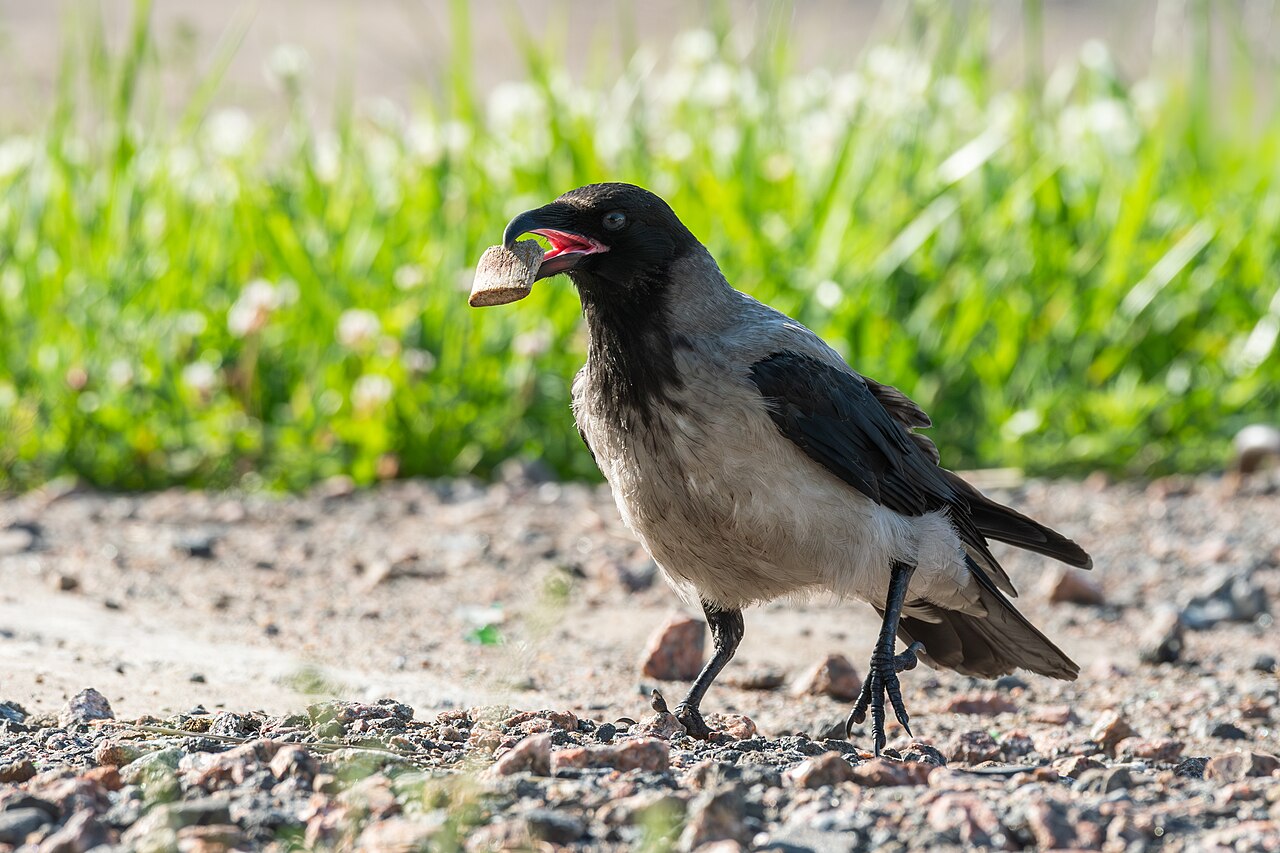
Hooded Crow Nestlings Had Low Levels of Cadmium, Lead and Arsenic in a Polish Wetland
Blood and feather samples from 29 hooded crow nestlings in Warta Mouth National Park showed low concentrations of…
Read story →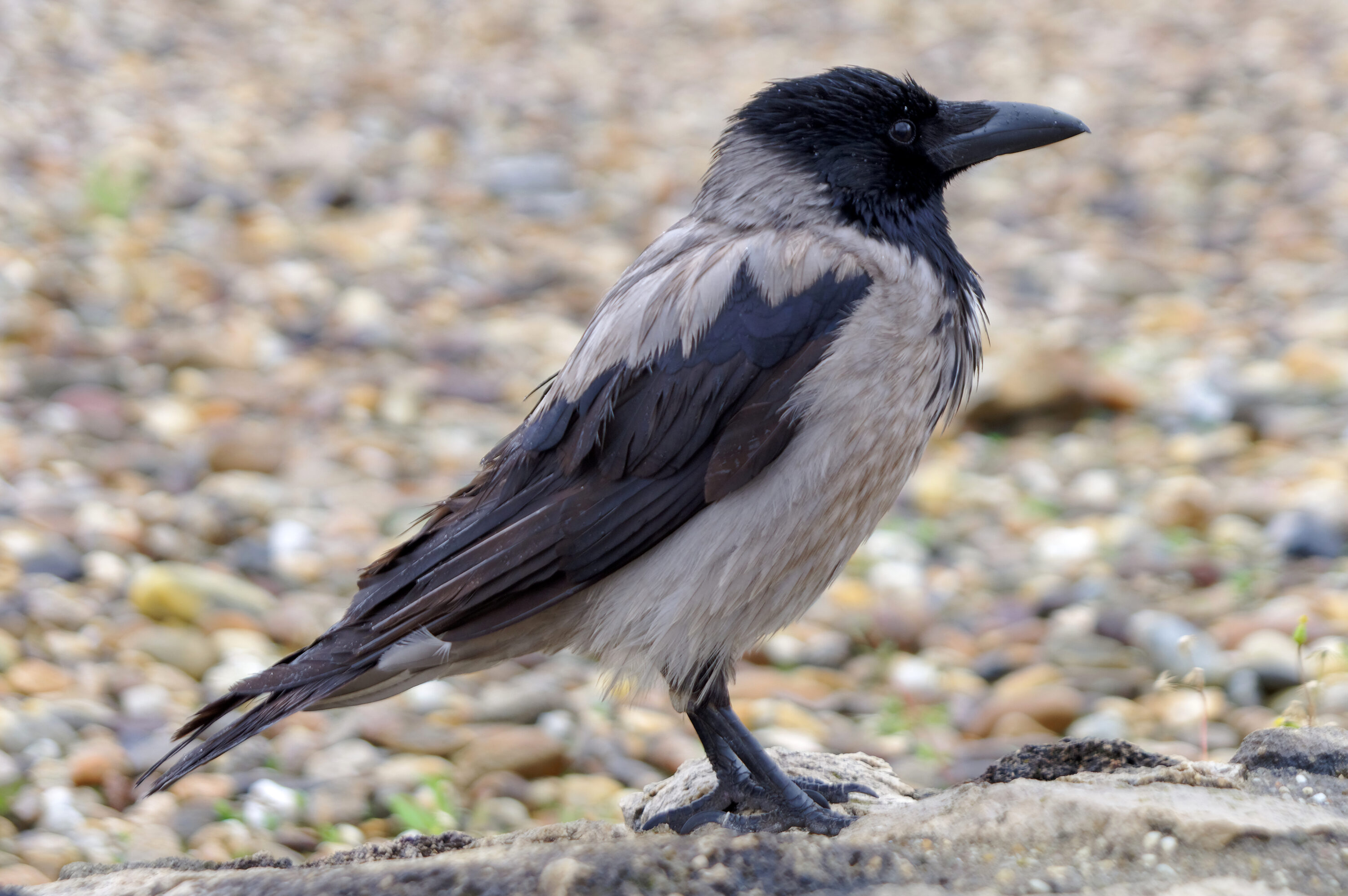
ESBL-Producing Bacteria Found in 61% of Sampled Urban Hooded Crows in Hungary
A Hungarian study found ESBL-producing bacteria in 61% of 212 urban hooded crows but only 7.7% of 52…
Read story →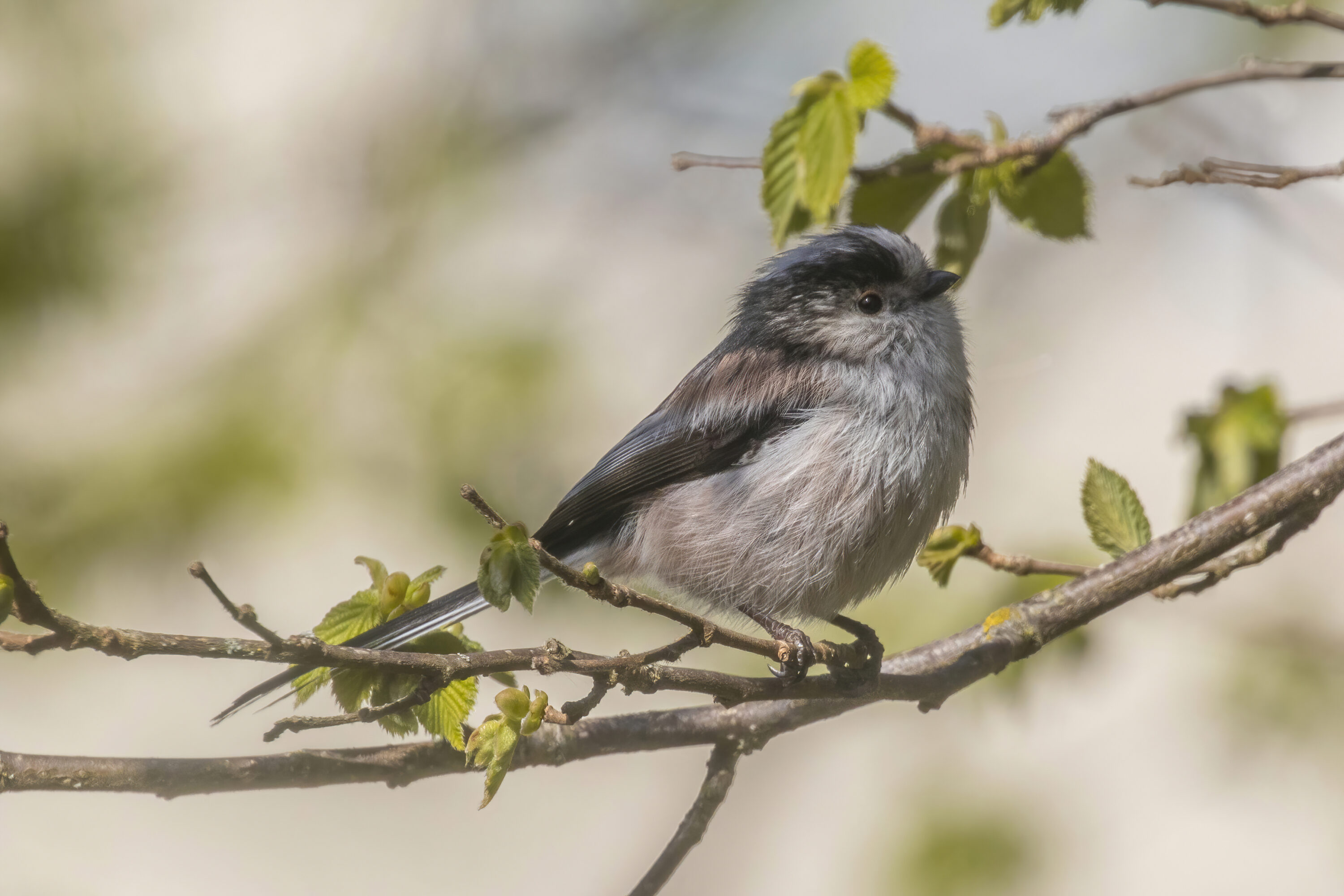
Long-tailed Tits and Common Firecrests Were Detected More Often Where More Time Had Passed Since Fire
Passive acoustic monitoring in northern Greece found long-tailed tits and common firecrests more likely to be detected in…
Read story →SPECIES IN THIS STORY
Species in this story

Independent research and conservation news archive
Did you find this information useful?
Wildlife Vagabond is independently built and maintained. Voluntary support helps cover source verification, hosting and continued work on research and conservation news.
Support Wildlife VagabondThe news archive will remain freely available.