
Crows find it harder to switch to vocalizing than to pecking
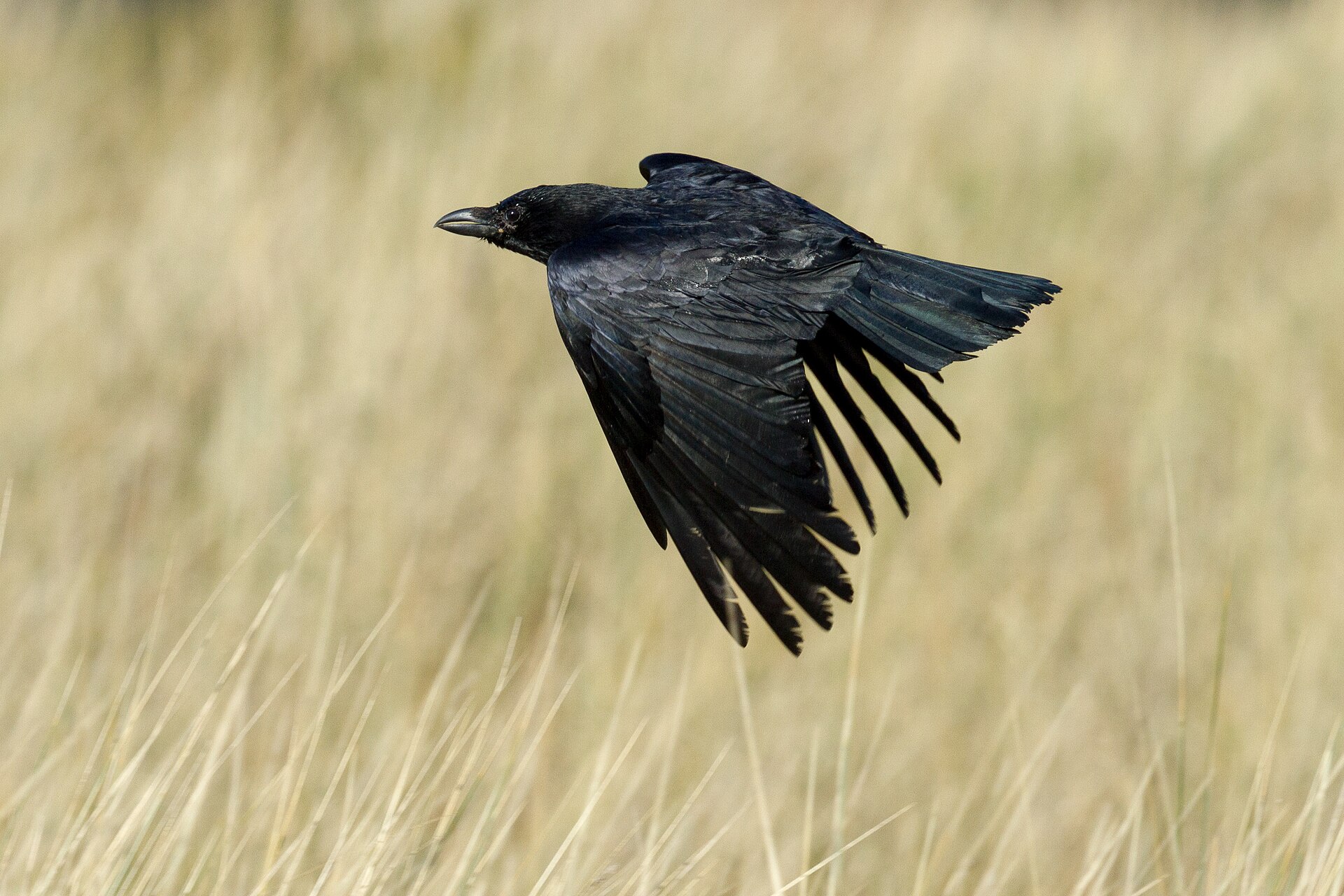
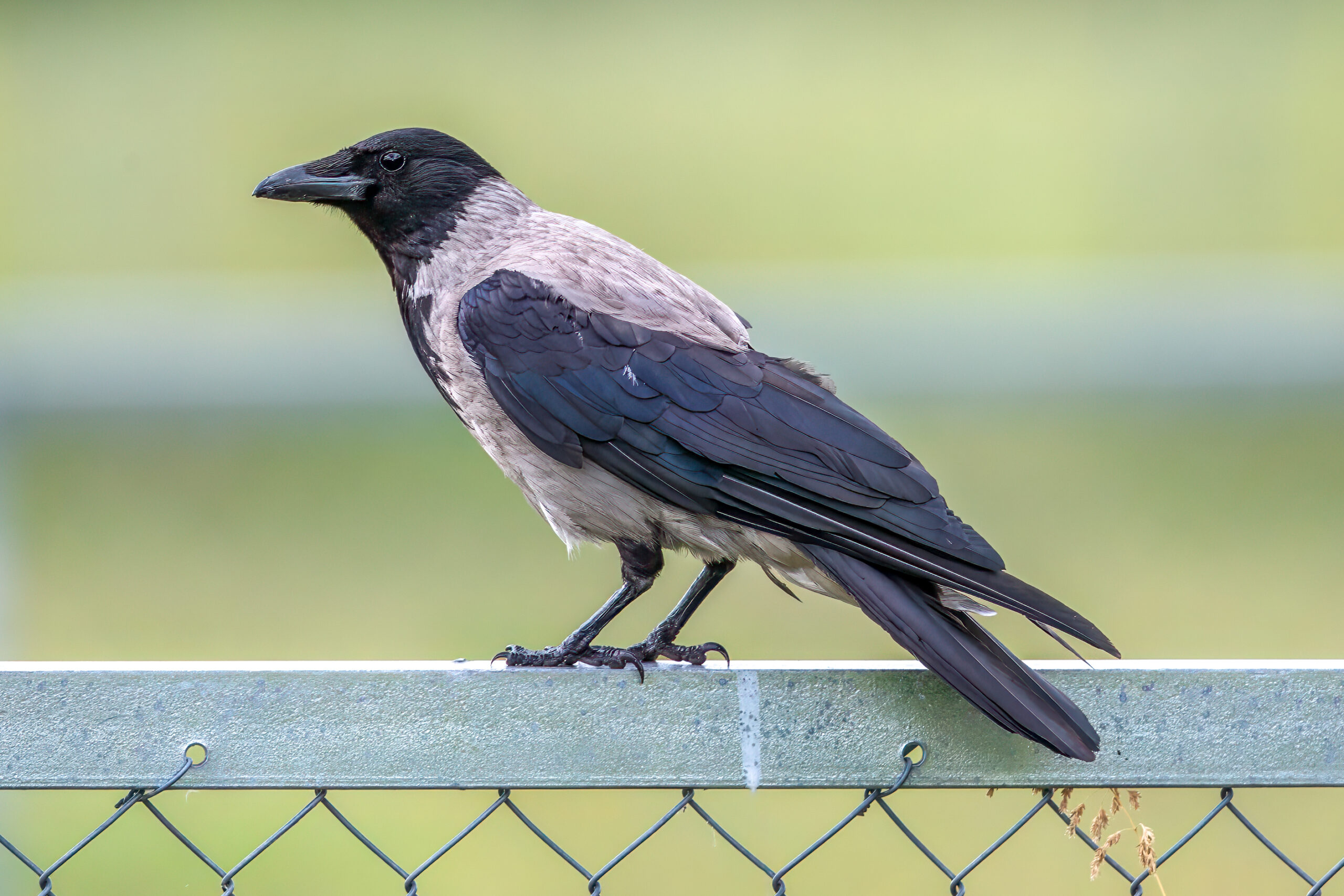
Choosing between actions can place different demands on the brain. In a task with carrion crows (Corvus corone), researchers found that switching to a vocal response was harder for the birds than switching to a peck.
A choice between calling and pecking
The researchers trained the crows to respond to arbitrary visual cues by either vocalizing or pecking. The cues appeared in sequences that differed in how often the required response changed. This let the researchers compare how the birds performed when they had to switch between making a sound and pecking.
The crows were accurate with both kinds of response. Their vocal responses were slower and more variable than their pecks. When the required response switched to a vocal one, reaction times increased and the birds sometimes made errors. Switching to pecking, by contrast, had little effect on their performance.
The pattern suggests that choosing and carrying out a vocal response can place a distinctive demand on cognitive control: the ability to select an action and switch when a cue calls for a different one. The authors interpret the results as evidence that voluntary vocalization in crows involves a form of executive control not seen to the same extent in pecking. The finding comes from this trained task; it does not show that every kind of crow vocalization has the same cost.
Behaviour
Related news
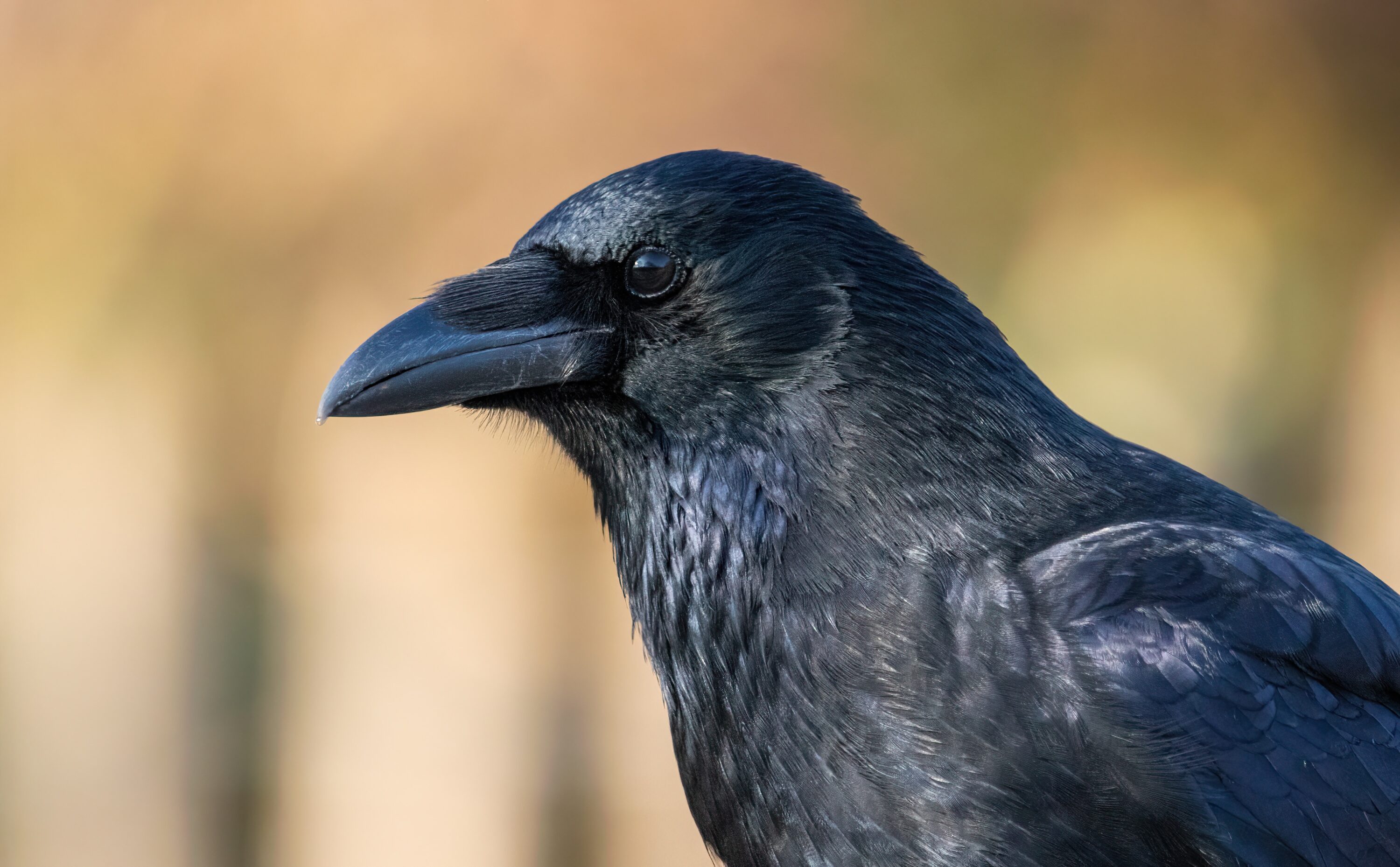
Darwin Tree of Life Added Two Haplotype Genome Assemblies for Carrion Crow
Two Darwin Tree of Life genome projects registered on 26 July 2026 represent haplotype 1 and haplotype 2…
Read story →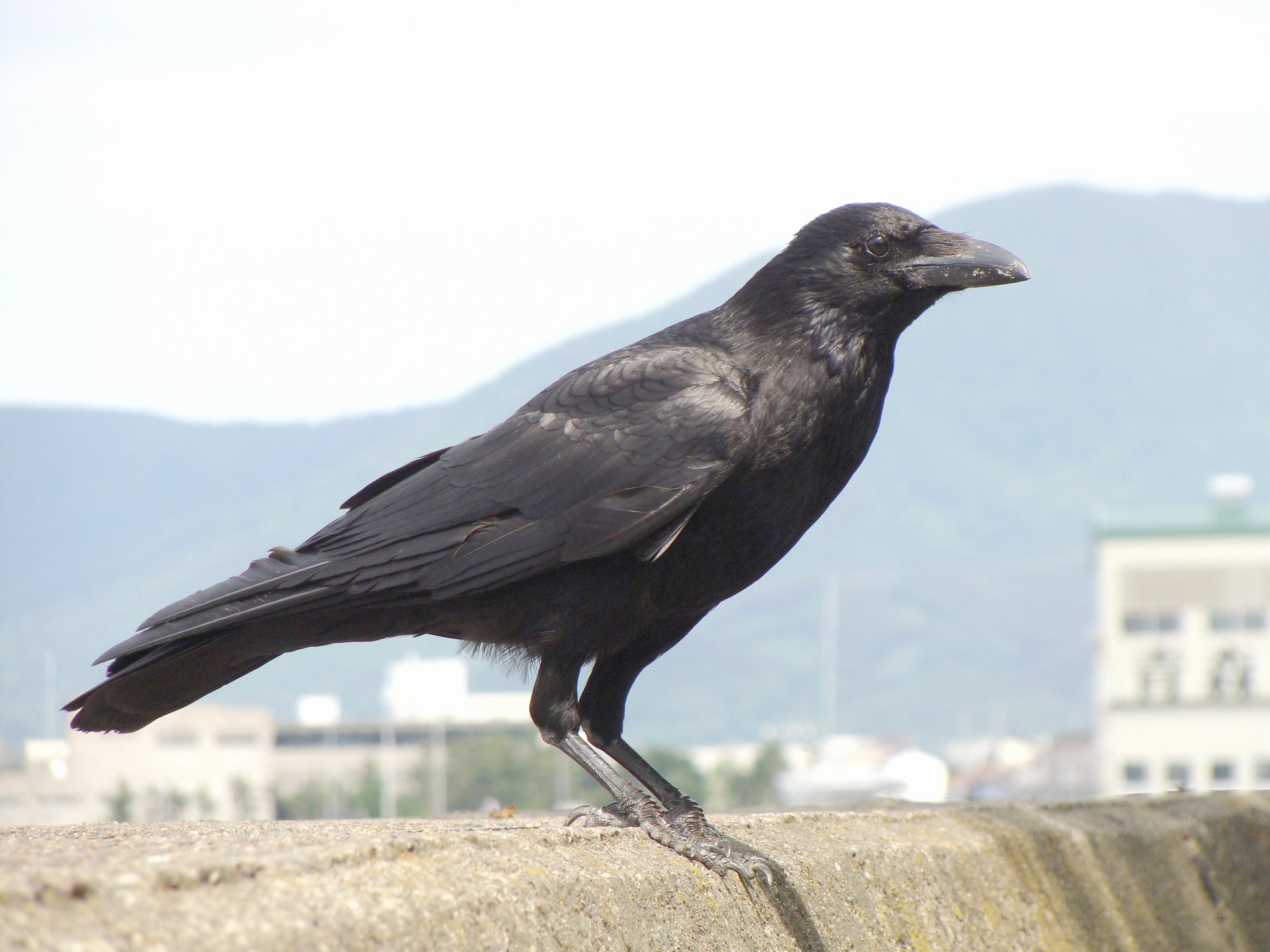
Carrion and Large-billed Crows Used Different Foods Until Winter Snow Narrowed Their Options
GPS tracking and year-round field observations in northern Japan found that non-breeding carrion crows mainly used farmland, large-billed…
Read story →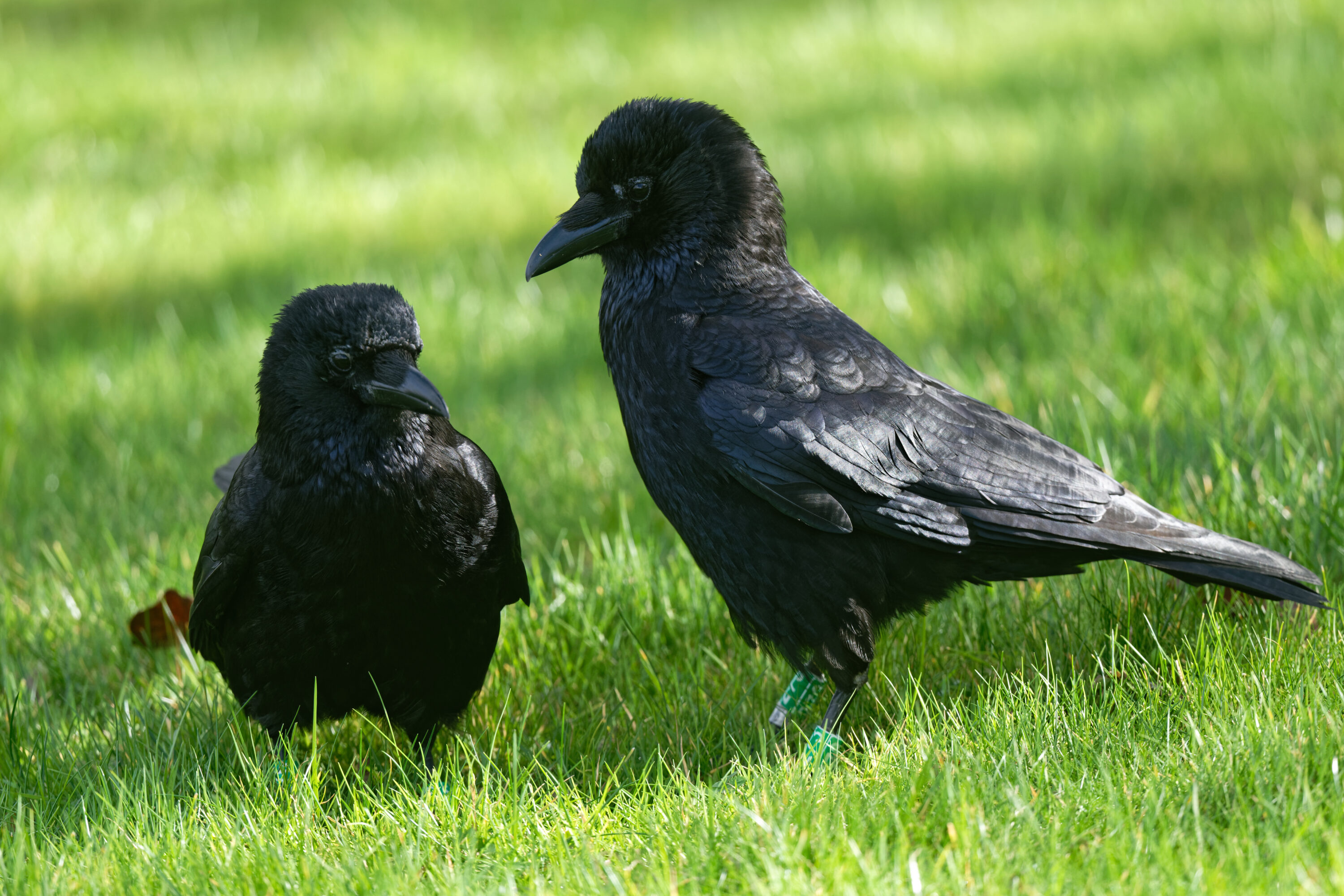
Adult Western Carrion Crows Reduced Vigilance With More Adults, but Not More Yearlings
In northern Spain, yearlings spent only 43.9% as much time vigilant as adults. Each additional adult group member…
Read story →SPECIES IN THIS STORY
Species in this story
Independent research and conservation news archive
Did you find this information useful?
Wildlife Vagabond is independently built and maintained. Voluntary support helps cover source verification, hosting and continued work on research and conservation news.
Support Wildlife VagabondThe news archive will remain freely available.