
Adult Western Carrion Crows Reduced Vigilance With More Adults, but Not More Yearlings
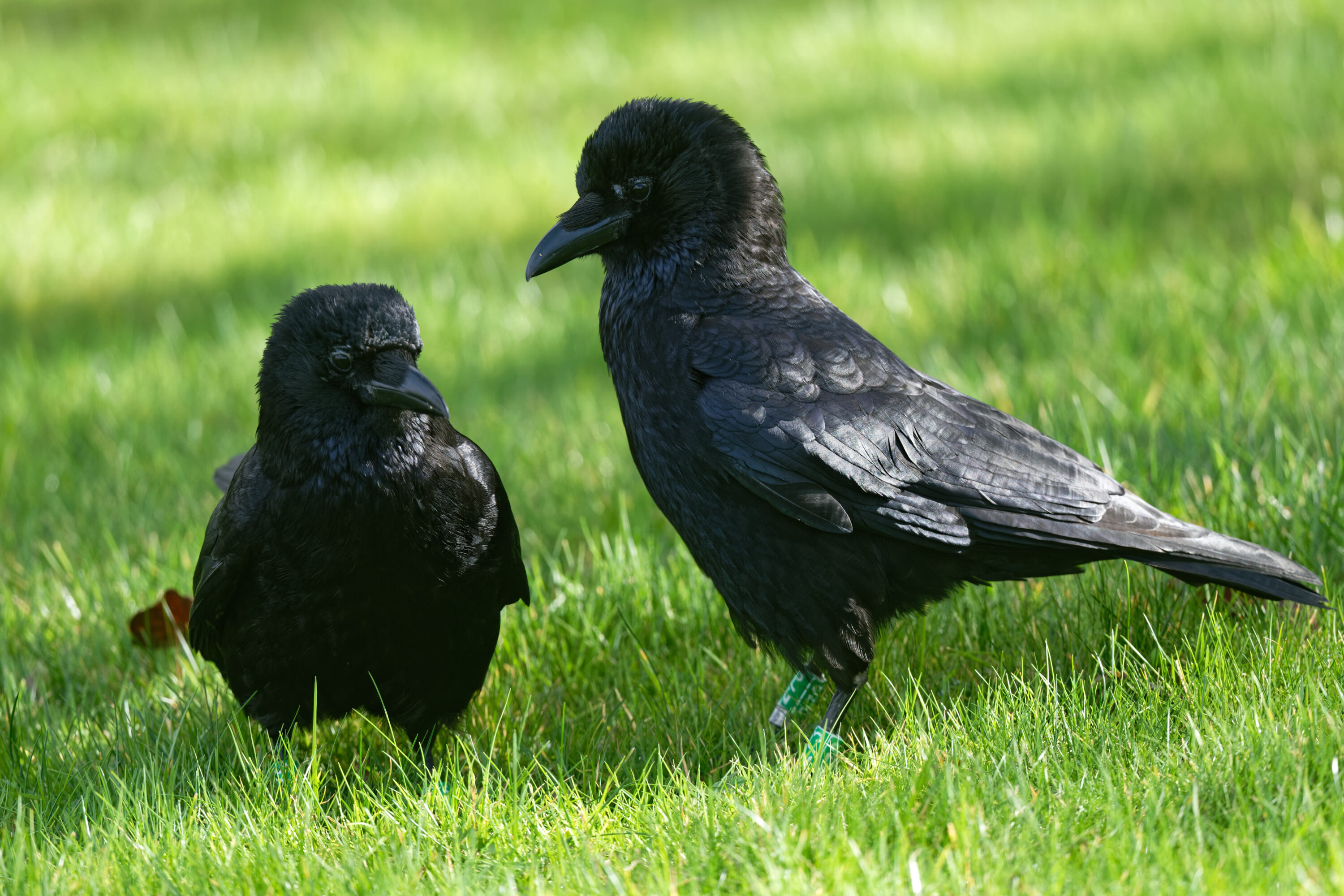
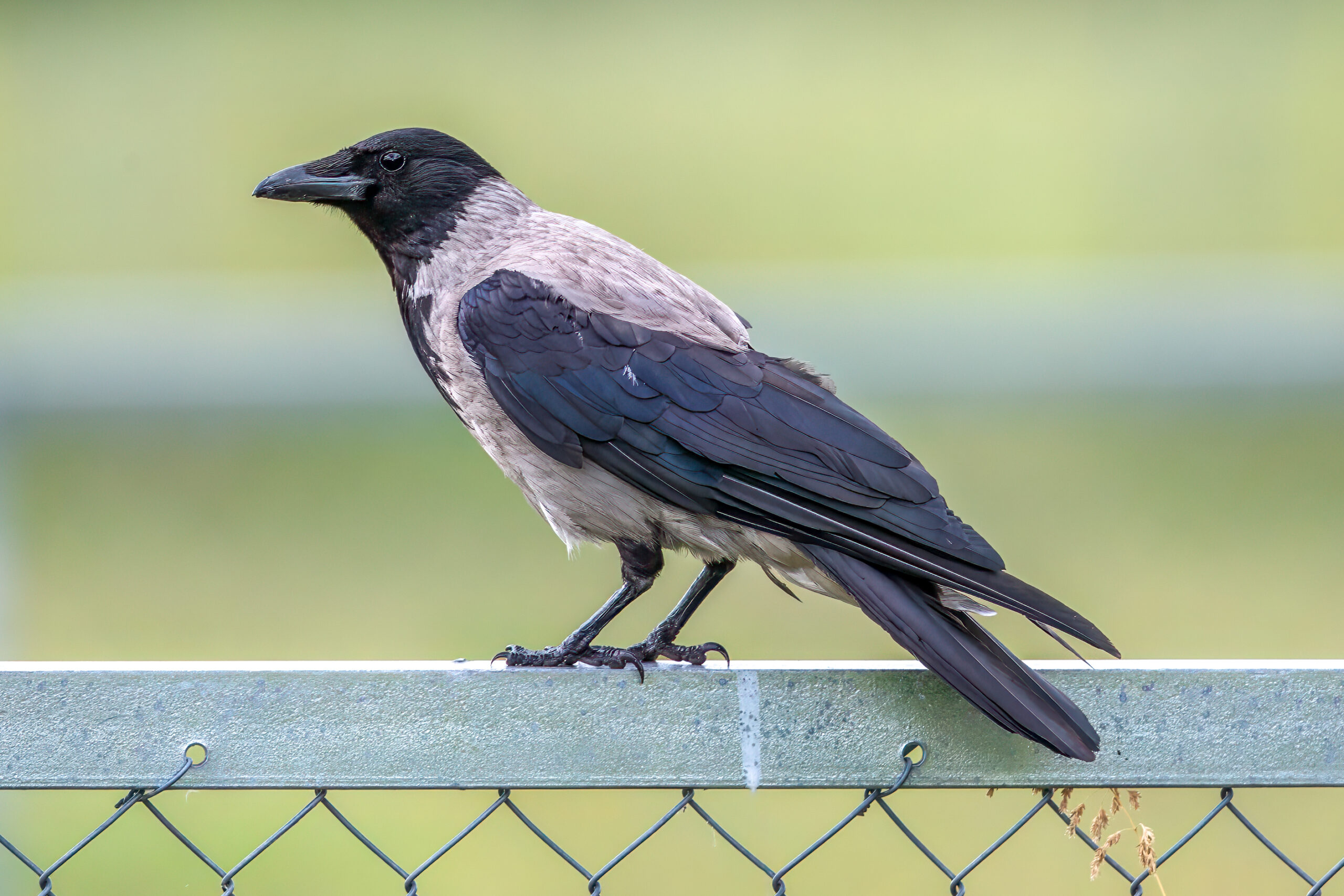
Adult western carrion crows (Corvus corone corone) in northern Spain reduced their antipredator vigilance when more adult group members were present, but not when additional yearlings joined the group. The birds belong to the all-black western subspecies of carrion crow (Corvus corone) and live in stable, cooperatively breeding family groups.
The study followed 40 social groups on 31 territories in La Sobarriba, a 45 km² rural landscape. Behavioural data covered 112 adults and 11 yearlings, with 255 focal observations totalling 1,071 minutes while birds foraged on the ground during two winters.
Vigilance was measured from head-up scanning behaviour
Researchers scored a crow as vigilant when it stood still with its head raised and bill held horizontally. A similar posture with the bill pointing downward was classified as foraging. From the video recordings they calculated two measures: the proportion of observation time spent vigilant and the rate at which vigilance episodes occurred.
This distinction matters because vigilance competes with feeding time. The “many eyes” hypothesis predicts that animals in a group can rely partly on other group members to detect threats, allowing each individual to spend less time scanning as the number of useful observers increases.
Yearlings were much less vigilant than adults
Yearlings spent, on average, only 43.9% as much time vigilant as adults, and their vigilance-event rate was 48.6% of the adult rate. The difference remained when adults and yearlings from the same social groups were compared.
The authors suggest that younger birds may devote less time to vigilance because they are less experienced at assessing danger and have greater nutritional demands, which favour continued feeding. These explanations were not measured directly in the present study.
Adults reduced vigilance when more adults were present
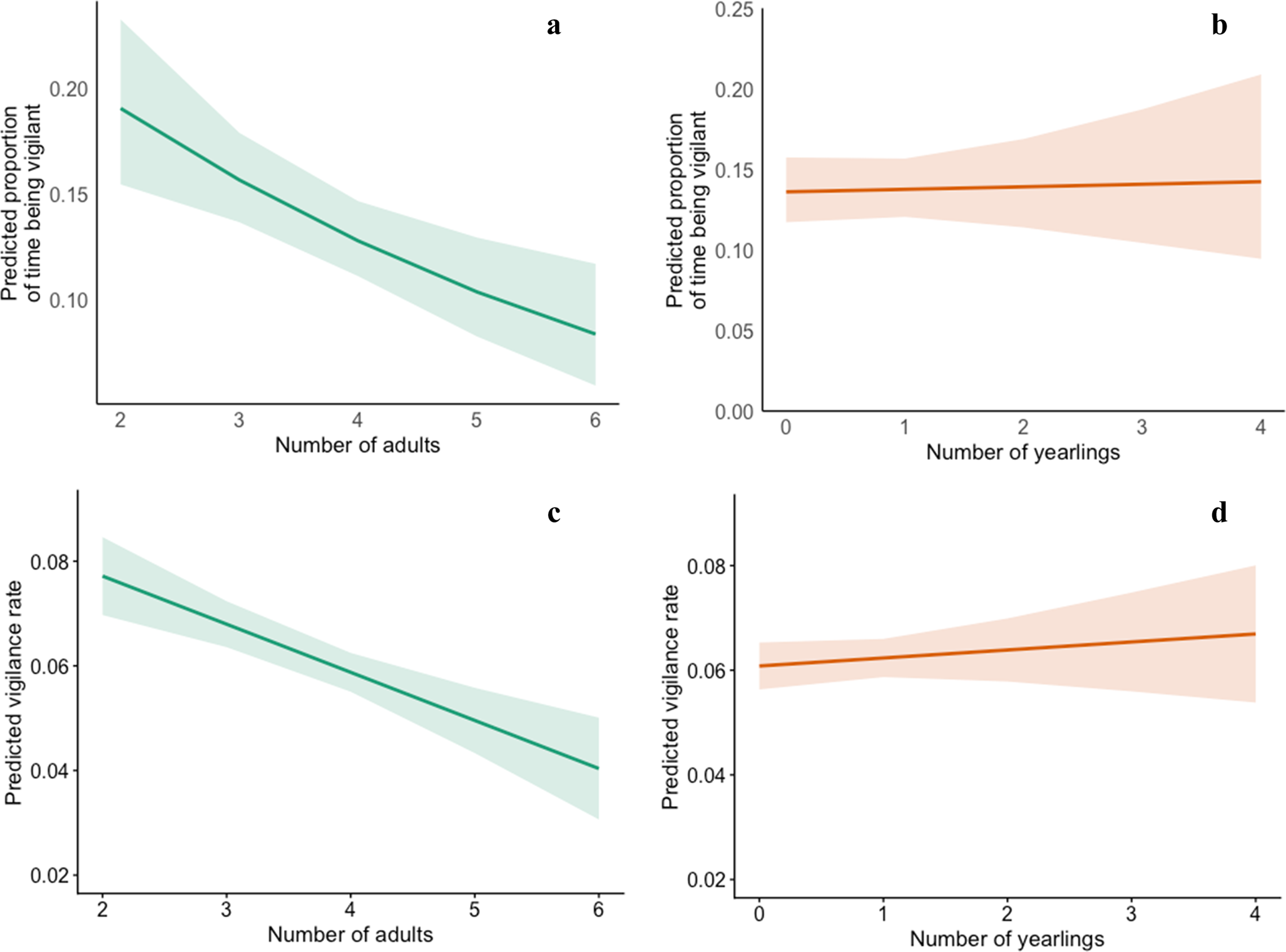
Group composition mattered more than total group size alone. Each additional adult group member was associated with an average reduction of about 2.67 percentage points in the proportion of time an adult spent vigilant. Adults also reduced the frequency of vigilance bouts as the number of adults increased.
Additional yearlings did not produce a statistically detectable reduction in either measure of adult vigilance. The adults therefore adjusted their own scanning much more strongly to the number of adult companions than to the number of younger birds.
“Reliable eyes” is an interpretation, not a direct detection test
The authors interpret the pattern as adults discounting the contribution of less vigilant yearlings when deciding how much to scan for danger. In this sense, experienced adults act as more “reliable eyes” within the group. The study did not, however, experimentally test how accurately adults and yearlings detected approaching predators, so reliability was inferred from vigilance behaviour rather than measured directly.
The authors also discuss another possible explanation. Because these groups are strongly kin-based, adults may maintain extra vigilance when yearlings are present partly to protect vulnerable relatives. Such juvenile-directed vigilance could offset whatever contribution yearlings make to collective detection. Distinguishing this from simple discounting would require comparing adults accompanied by related and unrelated yearlings, which was not feasible in this population.
Young birds may still benefit from staying with adults
Yearlings can therefore receive antipredator benefits even though they contribute less to the group’s observed vigilance. By foraging near tolerant adult relatives, they may spend more time feeding while still benefiting from the adults’ scanning.
The authors suggest that this asymmetry may help make delayed dispersal worthwhile for young crows and thereby contribute to the cooperative family structure of the population. With only 11 yearlings in the behavioural sample, however, the study provides evidence for this mechanism in one long-studied population rather than a universal rule for carrion crows.
Behaviour
Related news
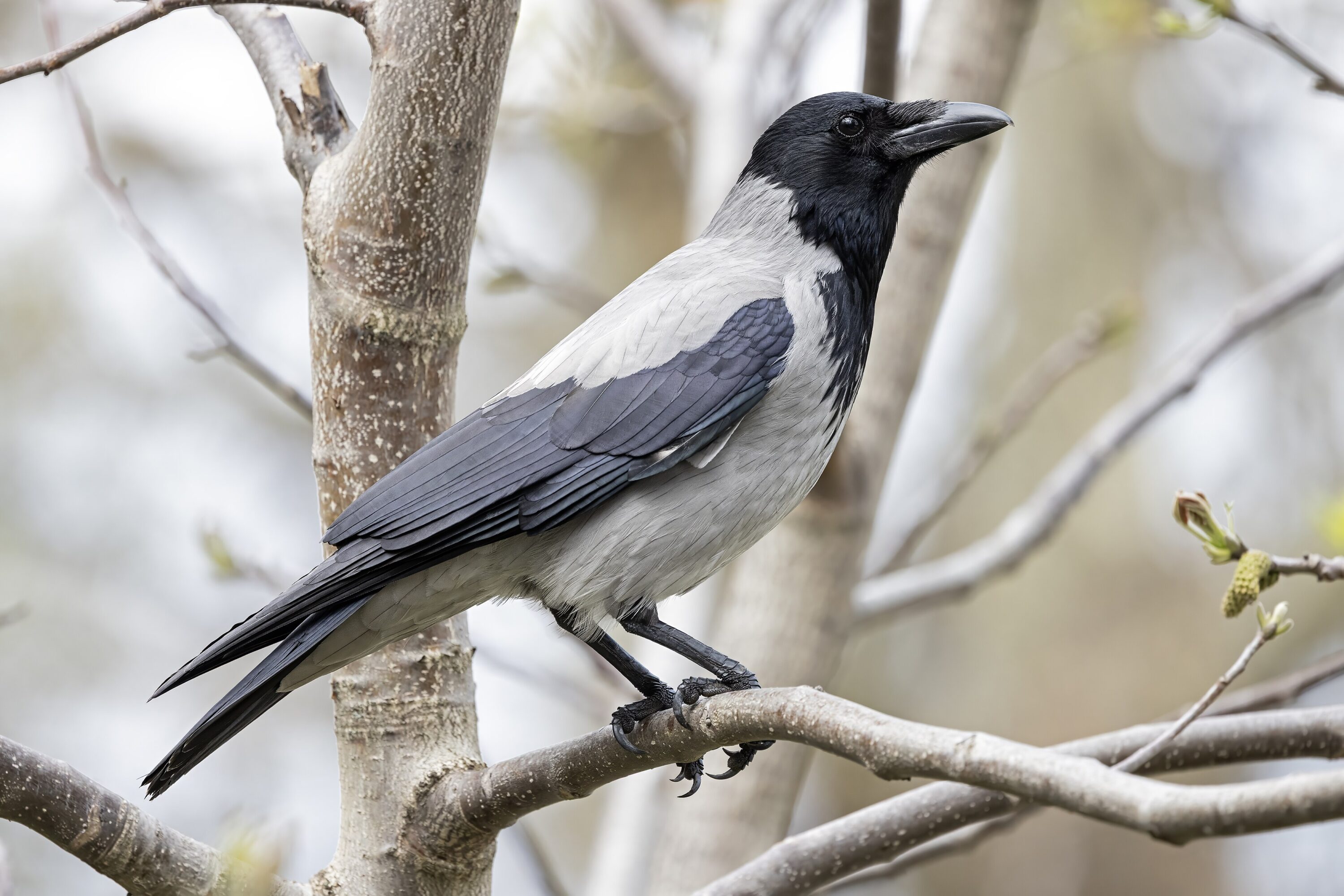
Hooded Crows Were Linked to 87 Reported West Nile Virus Bird Outbreaks in Europe
The September ECDC–EFSA report linked hooded crows to 87 reported West Nile virus bird outbreaks, Eurasian magpies to…
Read story →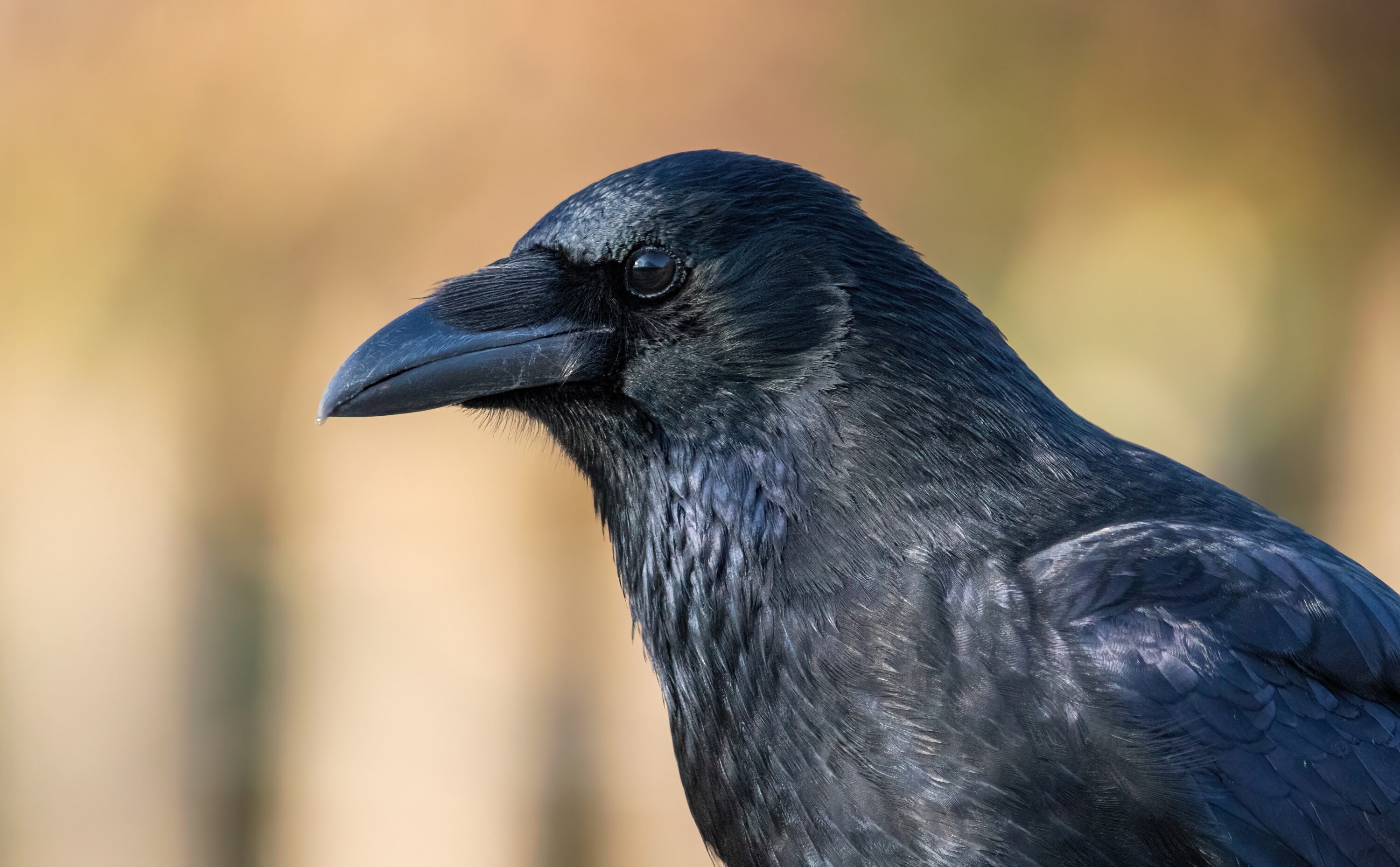
Darwin Tree of Life Added Two Haplotype Genome Assemblies for Carrion Crow
Two Darwin Tree of Life genome projects registered on 26 July 2026 represent haplotype 1 and haplotype 2…
Read story →
Carrion and Large-billed Crows Used Different Foods Until Winter Snow Narrowed Their Options
GPS tracking and year-round field observations in northern Japan found that non-breeding carrion crows mainly used farmland, large-billed…
Read story →SPECIES IN THIS STORY
Species in this story
Independent research and conservation news archive
Did you find this information useful?
Wildlife Vagabond is independently built and maintained. Voluntary support helps cover source verification, hosting and continued work on research and conservation news.
Support Wildlife VagabondThe news archive will remain freely available.