
Fishing Nets Were the Most Abundant Visible Human-made Material in Six Osprey Nests in Mexico
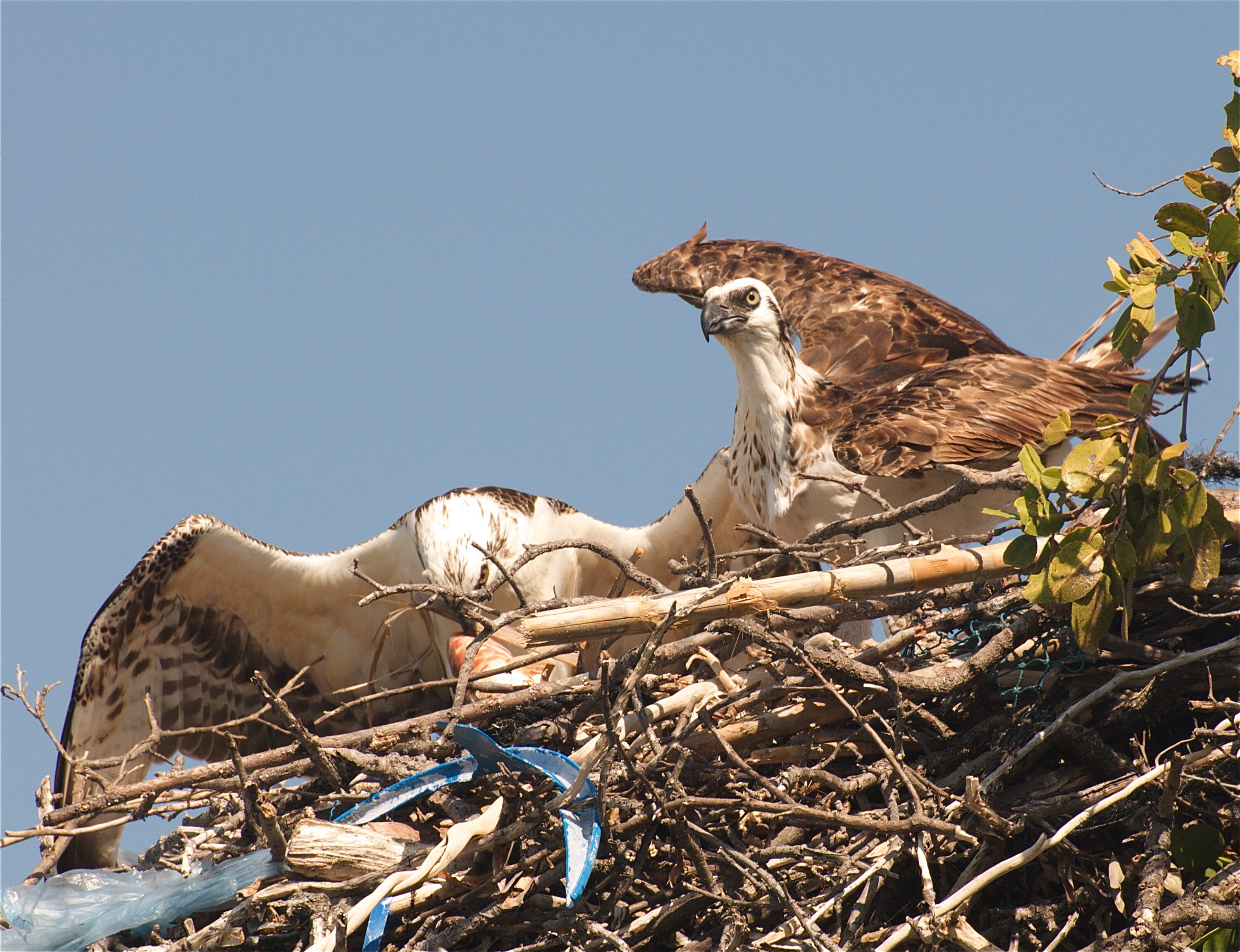
Fishing nets were the most abundant visible human-made material in six osprey (Pandion haliaetus) nests studied around Todos Los Santos Bay in Ensenada, Baja California, Mexico. Rope or cloth was the next most common category, while plastic was also present.
The researchers tested a non-invasive way to estimate visible material from drone images. Seven videos were recorded outside the nesting season between August 2023 and January 2024, only when ospreys were absent from the nests, and the authors reported no disturbance incidents during the flights. From the videos, 160 still images were selected for automated analysis.
Drone images showed where human-made material accumulated
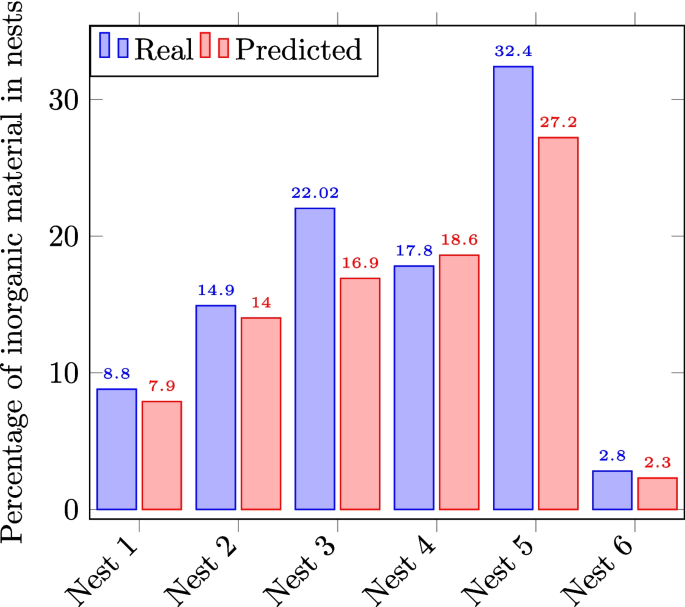
The deep-learning system separated the visible nest surface into natural nest material, fishing nets, rope or cloth and plastic. Fishing nets were the hardest material category for the model to outline accurately, even though they were the most abundant human-made material in the manually labelled images.
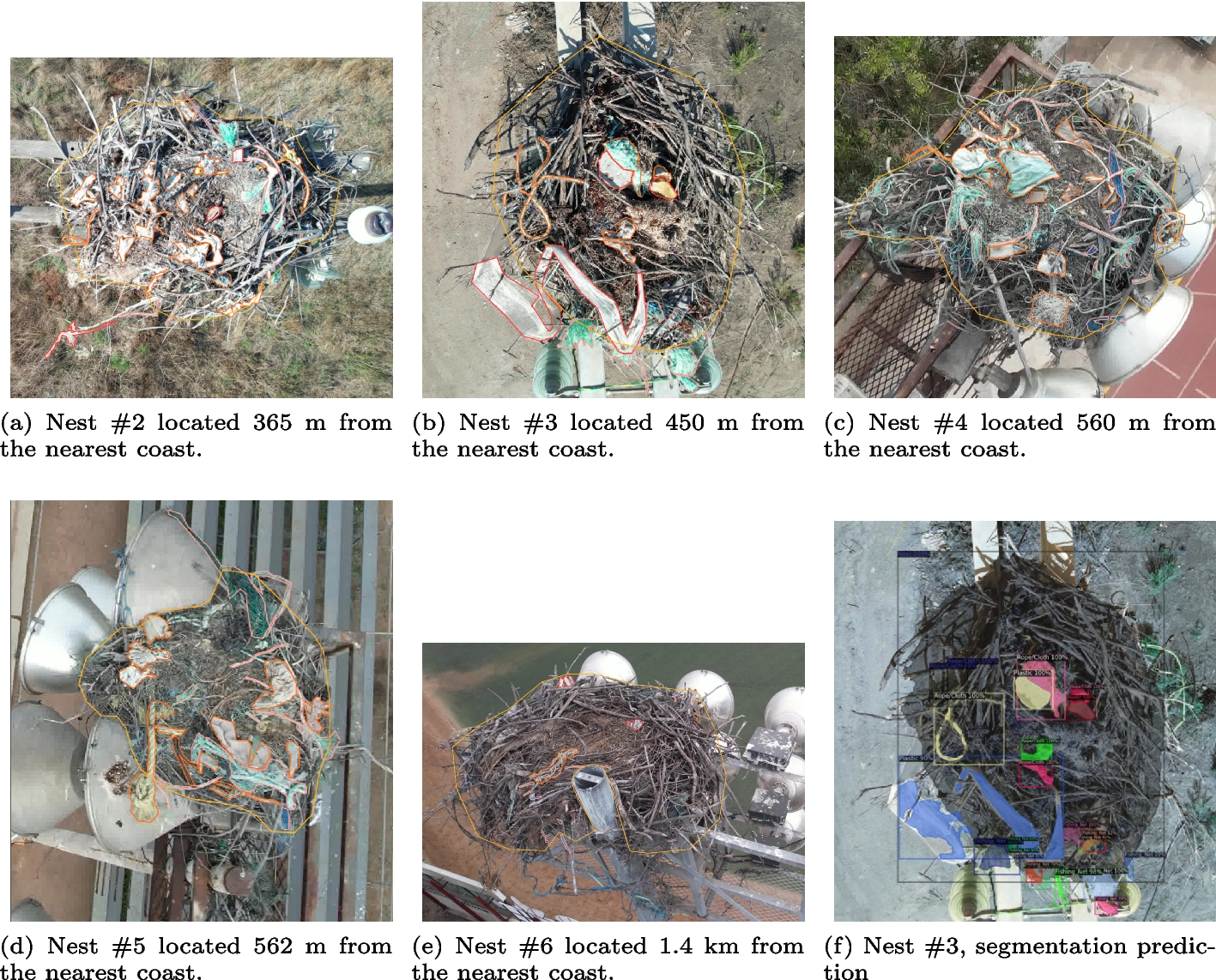
The five nests closer to the coast contained more fishing nets and rope or cloth than the nest farthest inland.
Transparent debris remained difficult to measure
Transparent and semi-transparent plastics were especially difficult for the automated system because their boundaries had little contrast and were further obscured by shadows and overlapping nest material. The model could often detect that debris was present without mapping its full visible extent accurately.
The study did not test whether debris reduced breeding success
Earlier monitoring of the six nests from 2018 to 2020 recorded an average of 1.5 chicks per nest per year, but the 2026 study did not test whether nests with more debris produced fewer young. The authors instead present the method as a rapid way to identify nests that may need closer inspection.
They propose using more than 50% visible human-made material as a practical trigger for possible nest cleaning and follow-up. That threshold is a management criterion, not a demonstrated biological limit at which osprey breeding success declines.
Threats
Related news
VKM: Exporting Up to 26 Osprey Young to Ireland Would Not Harm Conservation Status in Norway
VKM concluded that exporting up to 26 wild young ospreys from two Norwegian donor areas to Ireland would…
Read story →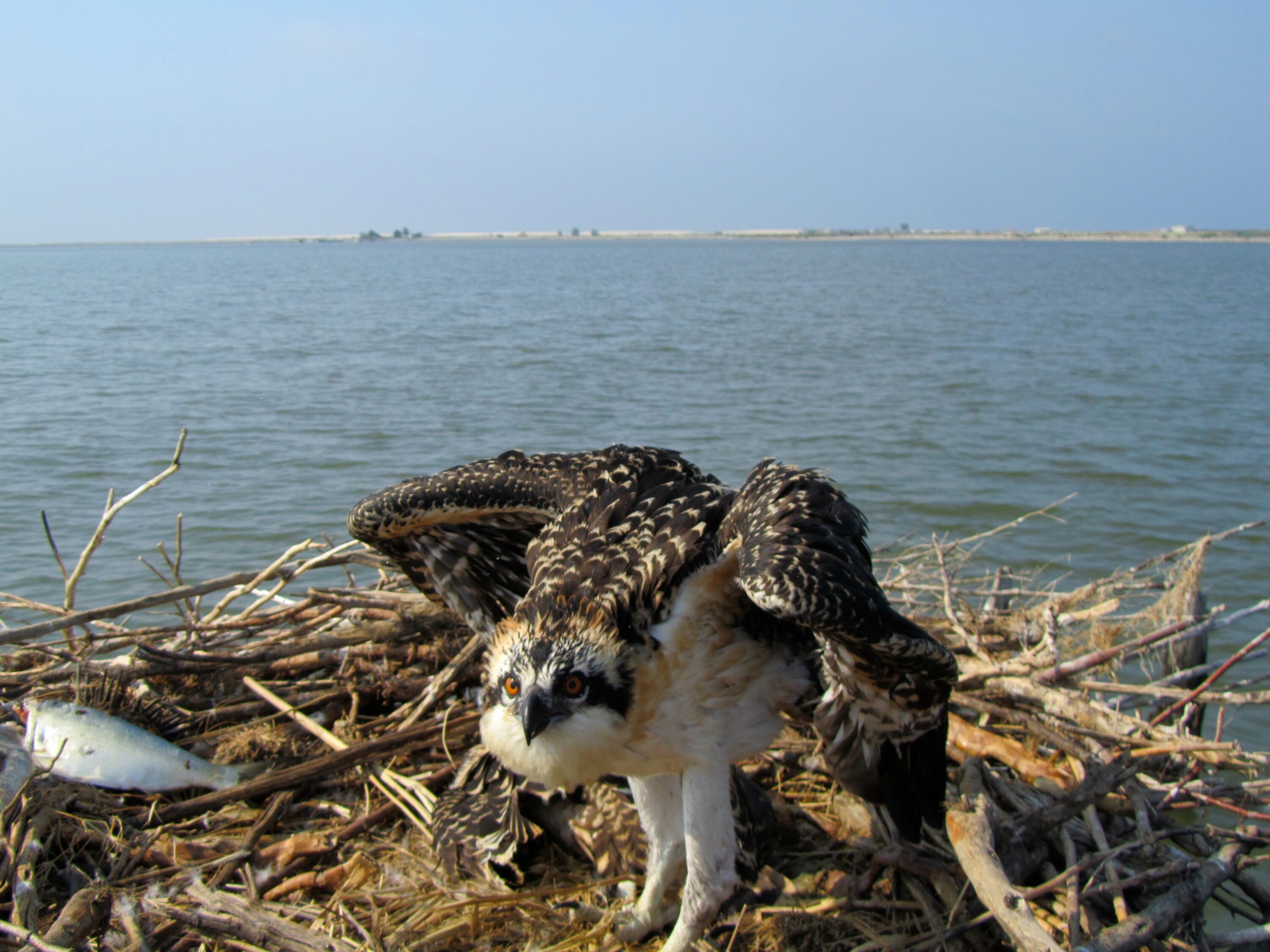
24 Osprey Chicks Fledged From 12 Rutland Nests
Rutland Osprey Project reported 24 chicks fledged from 12 nests in 2026. The season produced 14 chicks assessed…
Read story →
Ospreys Raised Three Chicks in Switzerland’s First Breeding in 112 Years
A male released by the Swiss reintroduction project and an unringed female of unknown origin raised three chicks…
Read story →SPECIES IN THIS STORY
Species in this story
Independent research and conservation news archive
Did you find this information useful?
Wildlife Vagabond is independently built and maintained. Voluntary support helps cover source verification, hosting and continued work on research and conservation news.
Support Wildlife VagabondThe news archive will remain freely available.