
Egypt Details Coordinated Measures to Curb Common Myna Spread
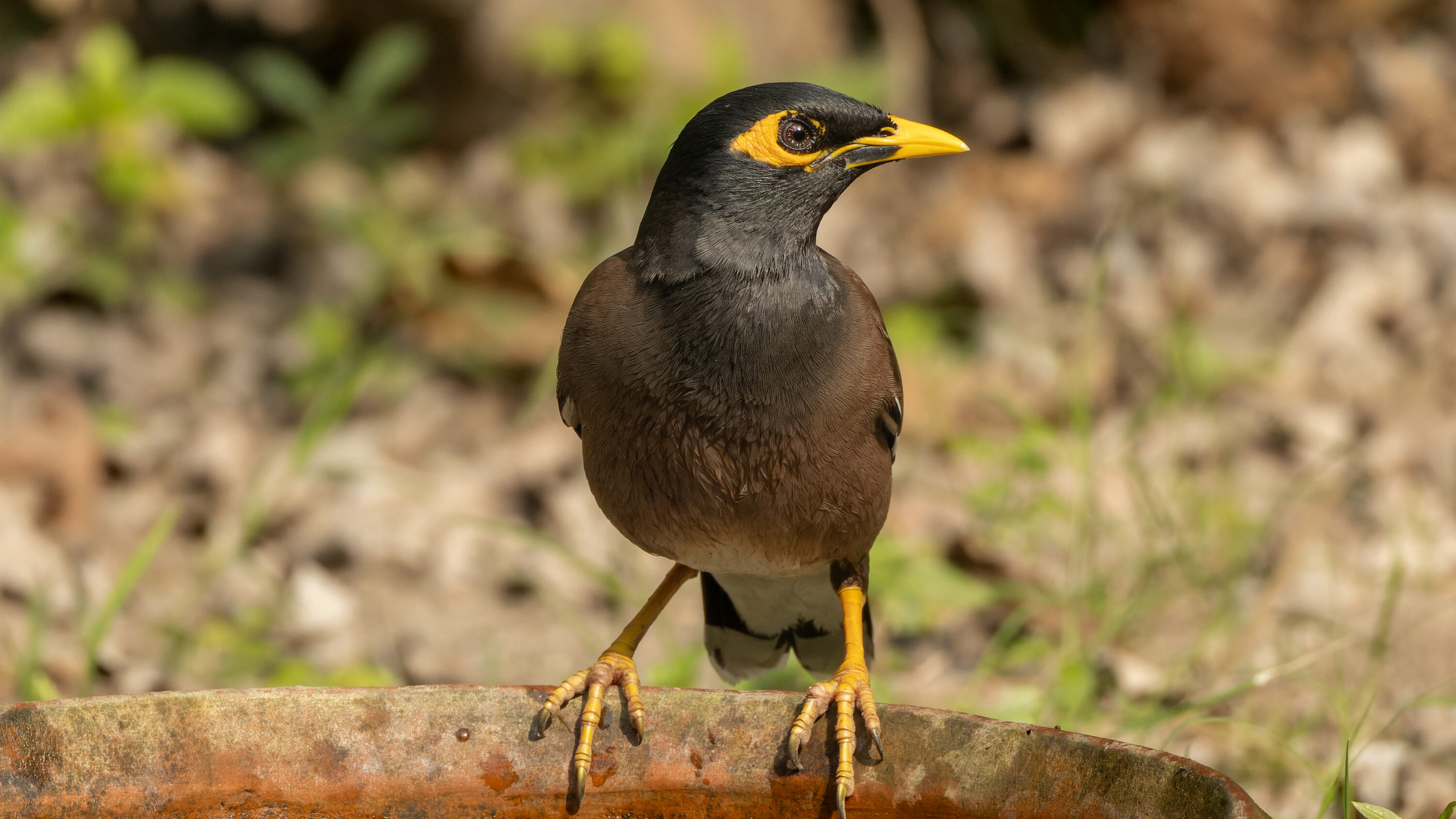
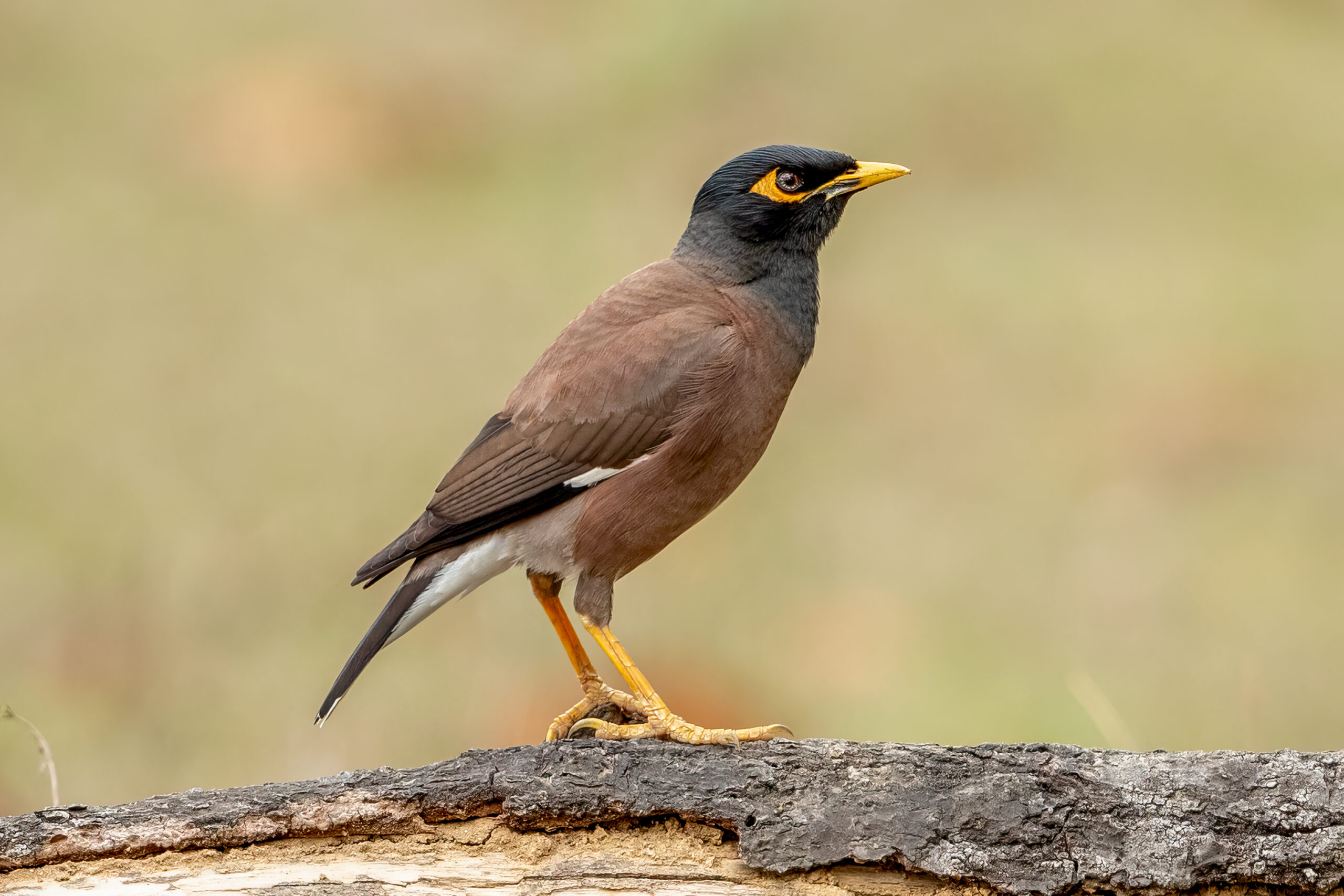
Egyptian authorities are continuing a coordinated programme to monitor and limit the spread of the common myna (Acridotheres tristis). The Ministry of Local Development and Environment described the measures in a statement reported on 11 June 2026, and the Egyptian Environmental Affairs Agency published the official details the following day.
Sources differ on the earliest Egyptian record
The official 2026 notice says the species was first recorded in Egypt in 1999 on the Sinai Peninsula. A 2024 peer-reviewed distribution study instead cites an earlier 1998 record at Ain Sukhna on the Gulf of Suez. The sources therefore differ on the earliest documented occurrence, but both show that the species subsequently spread widely. The official notice now lists the Suez Canal cities, Greater Cairo, the Nile Delta, parts of Upper Egypt and coastal areas among the regions reached. The ministry links this expansion to rapid reproduction, broad food use, tolerance of urban and agricultural environments and the ability to nest in both buildings and trees.
A 2024 field and distribution-modelling study provides additional context for that expansion. Surveys from February to December 2023 documented 117 occurrence sites across Egypt. The researchers then used a MaxEnt species-distribution model, which compares environmental conditions at known occurrence sites with conditions across the wider landscape to map relative habitat suitability. The model classified about 8,240 km², or 0.8% of Egypt, as highly suitable under current conditions. This is modelled potential habitat, not 8,240 km² in which common mynas were confirmed present. The study also projected an expansion of suitable habitat under future warming scenarios.
Management combines monitoring, nest control and food reduction
The ministry’s current management approach combines repeated monitoring with direct measures at breeding and feeding sites. Teams are to map distribution, record observations and count birds over time. Management measures include removing nests, sealing potential nesting sites in buildings at appropriate times, monitoring major aggregation sites, covering rubbish bins, preventing exposed food waste, cleaning markets and ports, and improving agricultural-waste management.
Measures aimed at native birds include nest boxes with entrances designed to exclude the larger common myna while remaining accessible to smaller local species. The ministry also asks residents not to keep or release invasive birds and to report large concentrations. The official notice states that common mynas are included among birds permitted for annual hunting as part of efforts to limit their numbers and spread.
The ministry says monitoring will continue alongside studies of the species’ effects on native birds and Egyptian biodiversity. Its stated approach is integrated management and containment rather than an attempt at complete eradication, with future action guided by distribution maps, repeated counts and field results.
Management
Related news
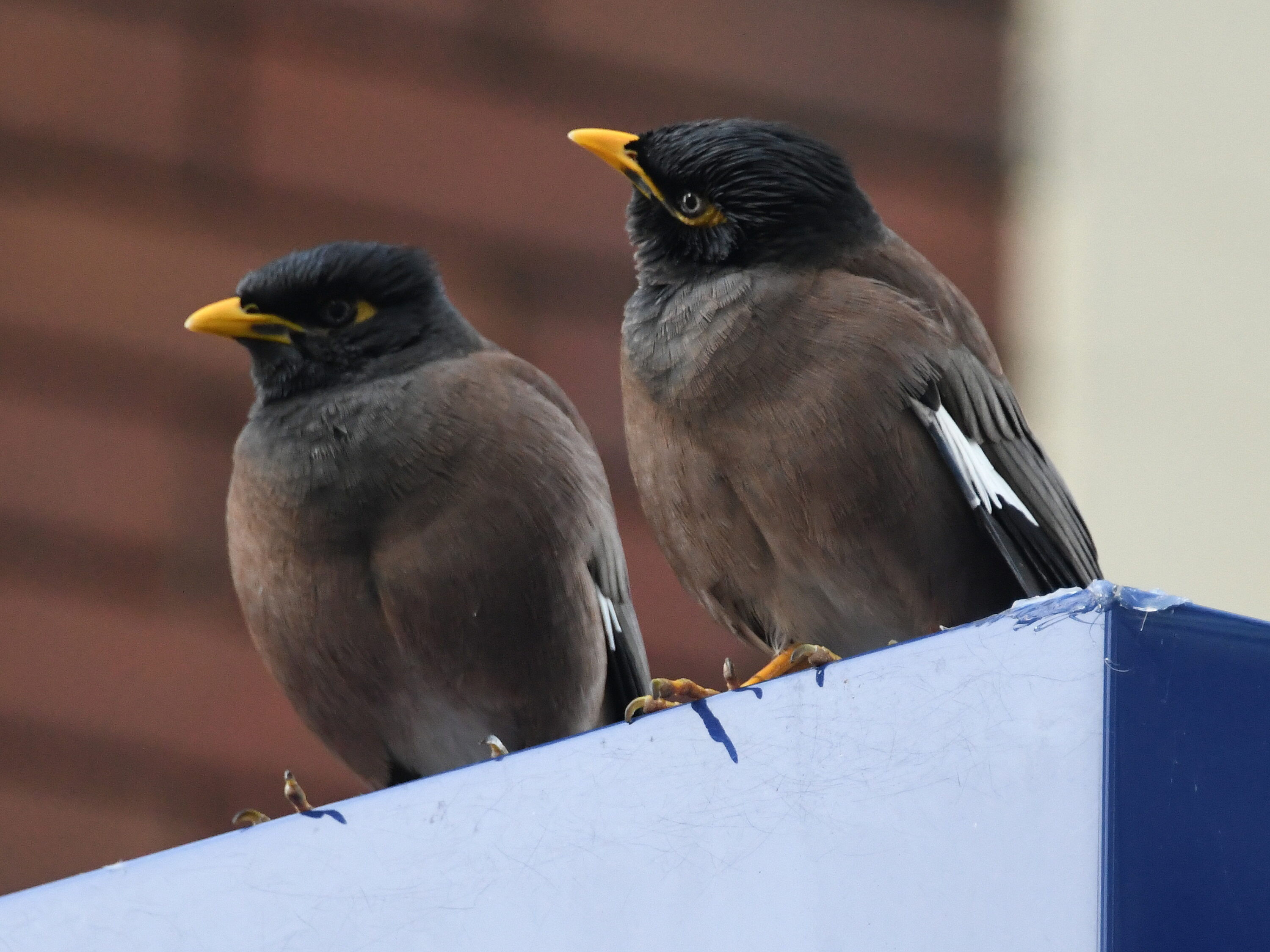
Rail Staff Say Two Common Mynas Regularly Ride Sydney Trains
Two common mynas were filmed sitting calmly inside a Sydney train, while a guard said staff know them…
Read story →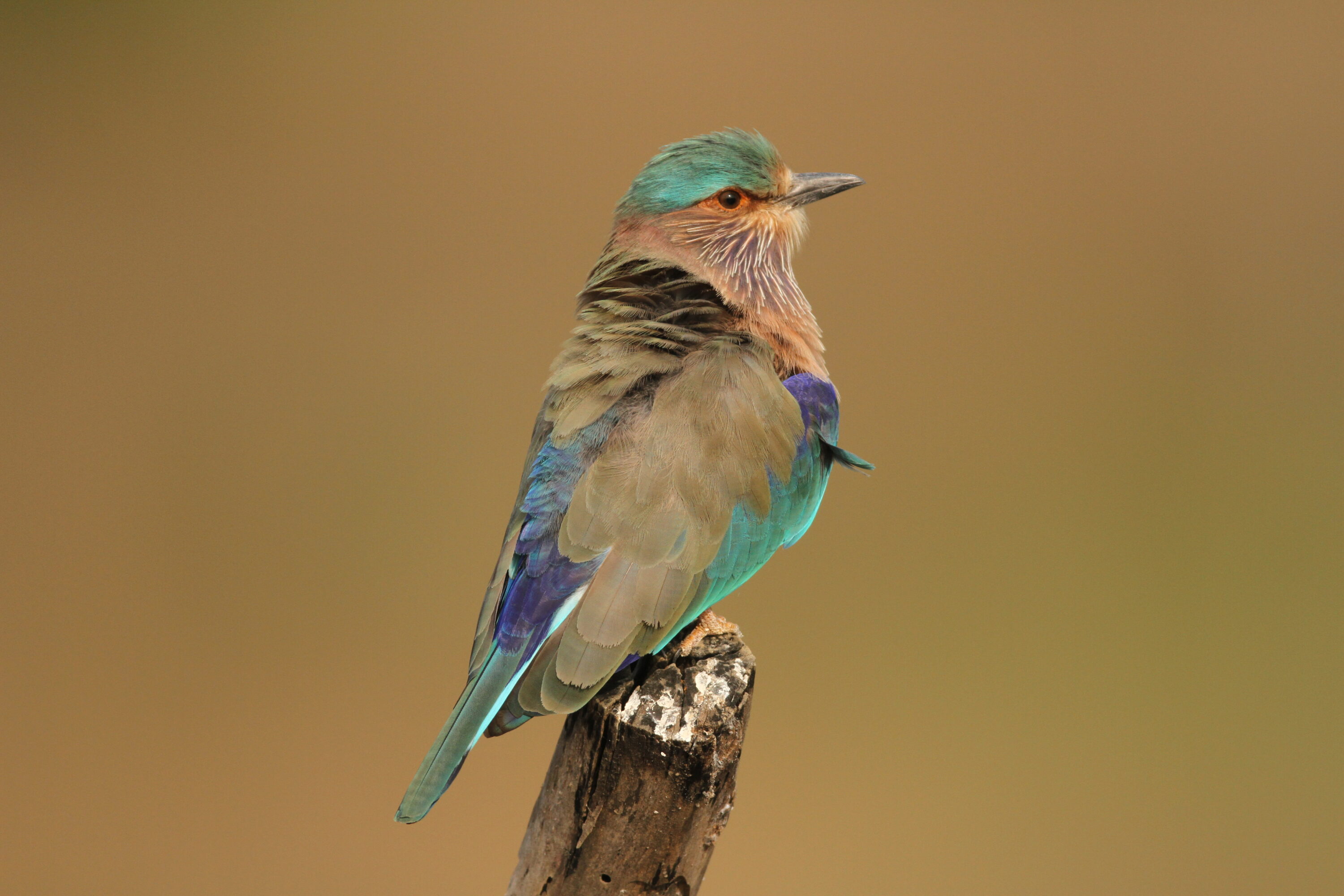
Six Cavity-Nesting Bird Species Bred Successfully in Artificial Nests in Punjab
Punjab Agricultural University reported successful breeding in artificial nests by six cavity-nesting species, including Indian roller, spotted owlet…
Read story →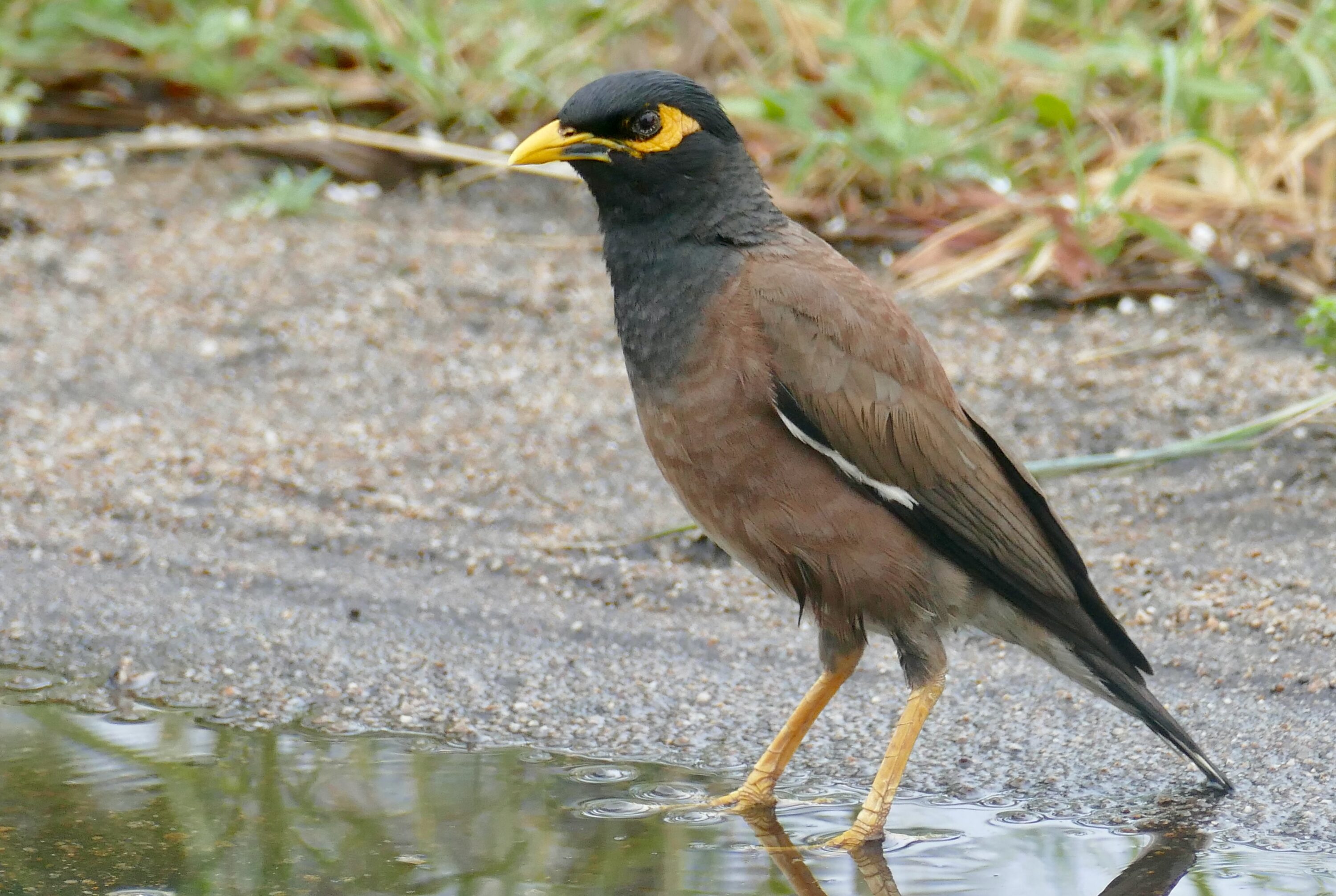
Qatar Captured 12,844 Invasive Common Mynas From January to July
Qatar reported 12,844 common mynas captured from January through July 2026, bringing the project total to 61,999. Control…
Read story →SPECIES IN THIS STORY
Species in this story
Independent research and conservation news archive
Did you find this information useful?
Wildlife Vagabond is independently built and maintained. Voluntary support helps cover source verification, hosting and continued work on research and conservation news.
Support Wildlife VagabondThe news archive will remain freely available.