
Female Amur Tigers Detected Mostly in Protected Areas Had 90% Estimated Annual Survival, Versus 51% in Hunting Leases
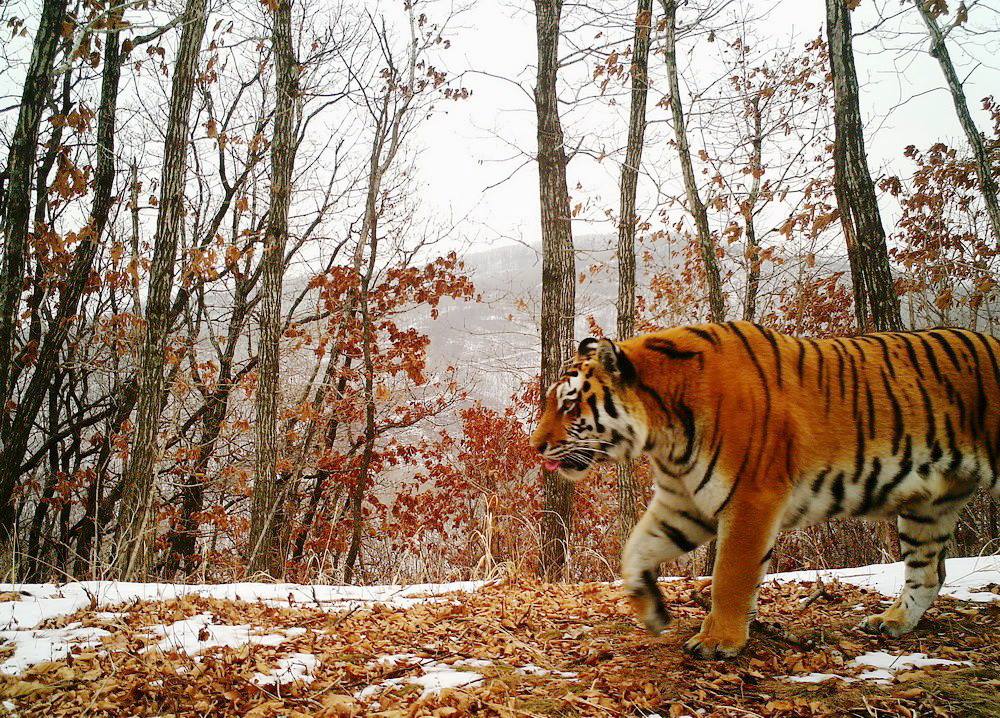
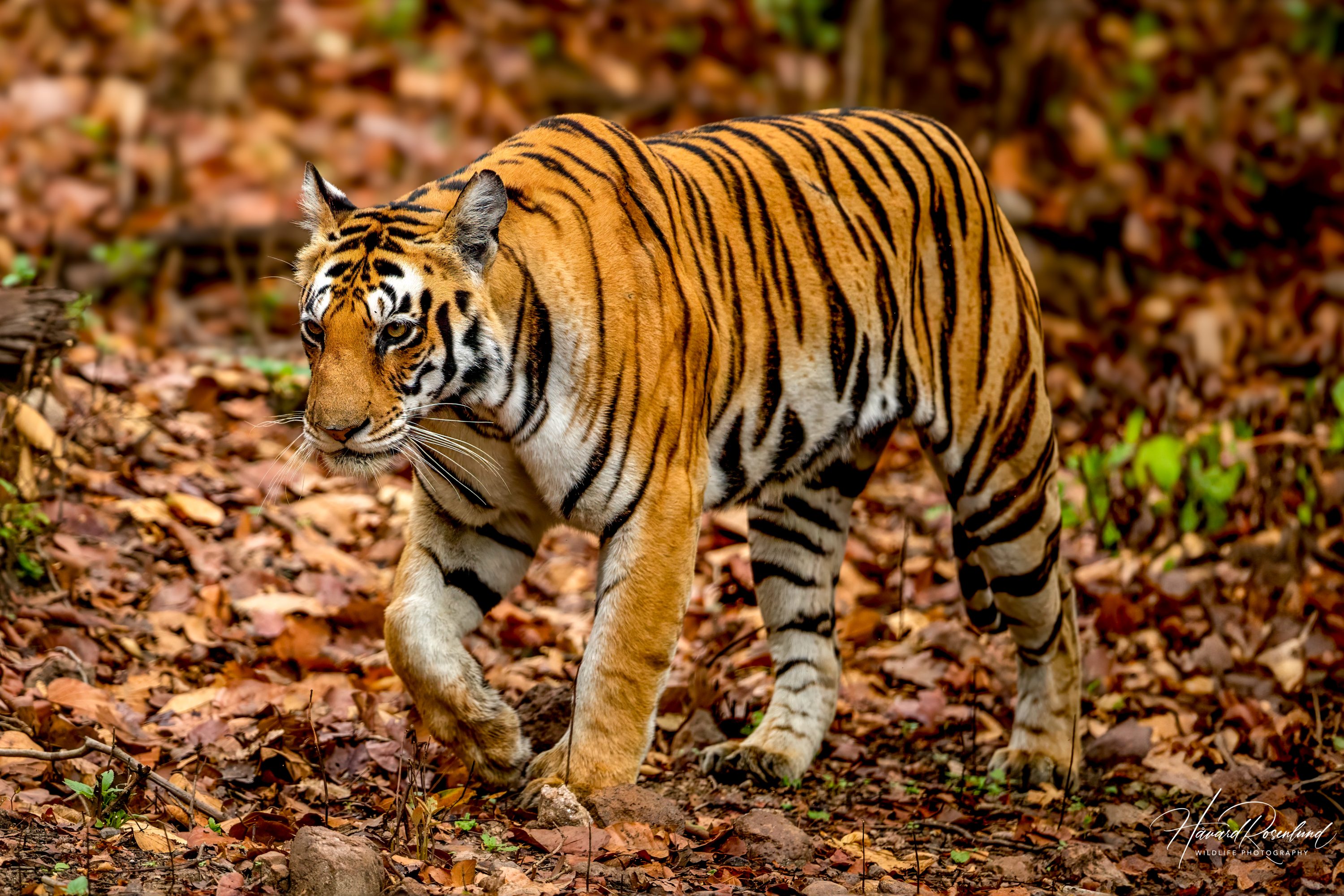
A four-year camera-trap study in the Central Sikhote-Alin Mountains of the Russian Far East estimated much higher annual survival for female Amur tigers (Panthera tigris altaica) detected mostly in protected areas than for females detected mostly in hunting leases. Estimated annual survival was 90% for females centred on Sikhote-Alin Biosphere Reserve and Udege Legend National Park, compared with 51% for females centred on surrounding multiple-use lands where hunting and selective logging were permitted.
The researchers monitored 504 camera-trap sites across an 8,322 km² landscape during four consecutive autumn–winter seasons from 2018–2019 to 2021–2022. They identified 69 adult tigers and used the repeated detections to estimate survival, recruitment and population density.
Protected areas were linked to much higher female survival
The female survival contrast was the clearest demographic difference between land-management types. Females detected mostly inside protected areas had an estimated 90% probability of surviving from one year to the next, compared with 51% for females detected mostly in hunting leases.
Females with cubs were also recorded more often relative to females without cubs in protected areas: the ratio was 9:23 inside protected areas and 4:24 in hunting leases, a 2.3-fold difference. Cub detection with camera traps is difficult, however, and this difference was not statistically clear.
Male tigers showed a different pattern. Their overall estimated annual survival was about 54%, and the study found no clear survival advantage for males detected mostly inside protected areas. The authors suggest that males’ larger movements may expose them more often to risks beyond reserve boundaries.
The population persisted, but remained far below recovery targets
Tiger density remained stable and low. In high-quality habitat away from main roads, the study estimated about 0.27 tigers per 100 km², still far below the recovery target of at least 0.63 tigers per 100 km² cited for the study area.
The authors describe the landscape as showing source–sink characteristics. Protected areas provided enough refuge for females to survive and reproduce at rates that helped retain a low-density tiger population across the wider landscape, while tigers using surrounding multiple-use lands faced much greater mortality risk. The protected areas therefore supported persistence, but were not sufficient to drive population recovery.
Human access outside reserves remained a major concern
The researchers mapped 7,828 km of roads, most of them forest roads outside protected areas. Tigers exposed to more intense logging traffic were less likely to be detected again in later years, although this relationship was imprecise. The authors interpret logging activity as a threat mainly because roads and concentrated human activity can increase opportunities for poaching.
The study could not estimate prey abundance accurately enough to separate the effects of prey availability from differences in human-caused mortality between protected and multiple-use lands. The authors therefore conclude that stronger law enforcement outside protected areas is needed alongside protection inside reserve boundaries if the Central Sikhote-Alin population is to recover rather than merely persist.
Habitat protection
Related news
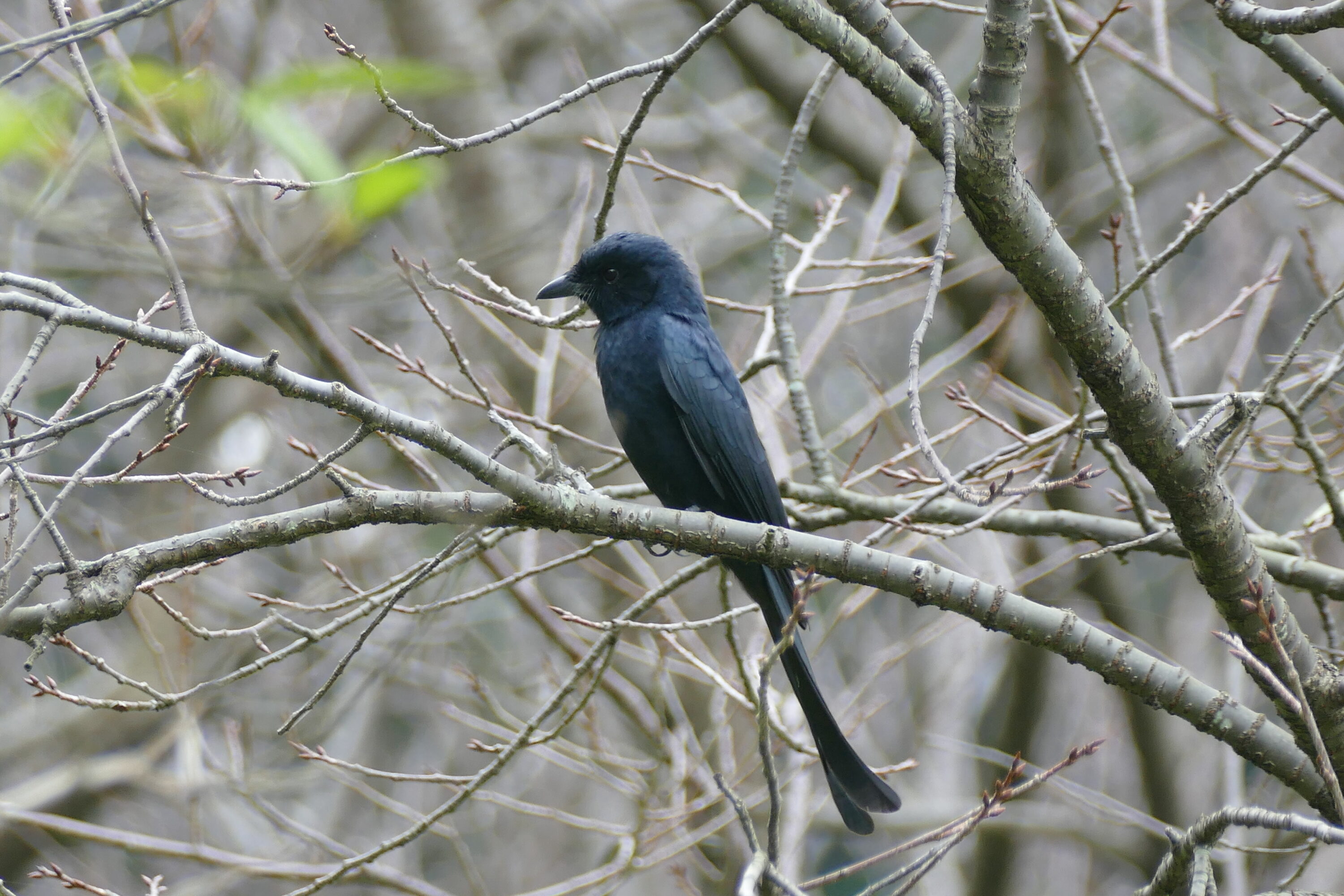
114,357 ha of Taiwan Farmland Was Modelled as Suitable for Four Bird Species
Suitable habitat for black drongo, common moorhen, zitting cisticola and scaly-breasted munia overlapped across 114,357 hectares of Taiwan…
Read story →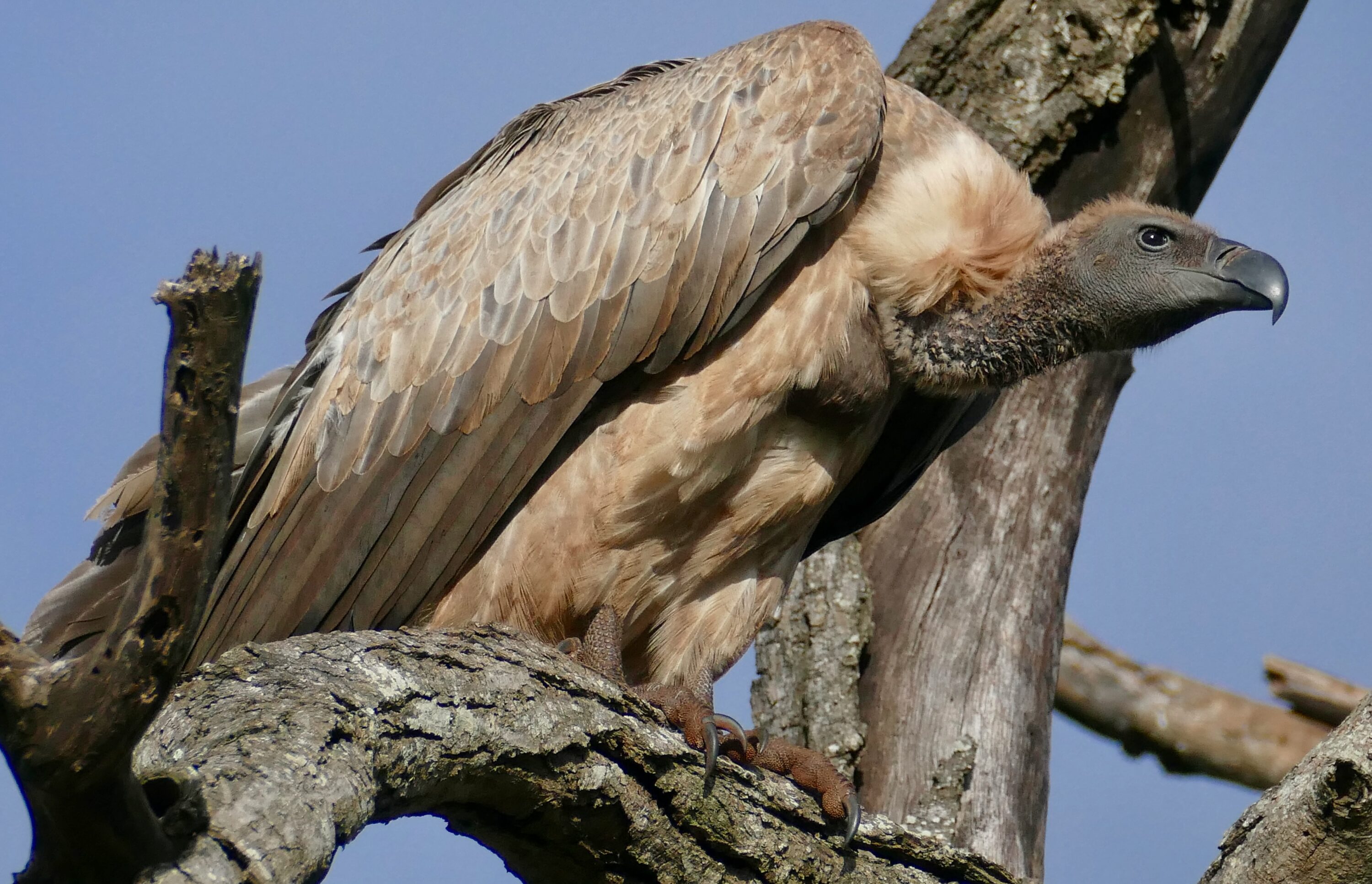
Two new studies sharpen the conservation map for white-backed vultures in Ethiopia
New surveys and habitat modelling from southwest Ethiopia identify important breeding, roosting and foraging areas for the critically…
Read story →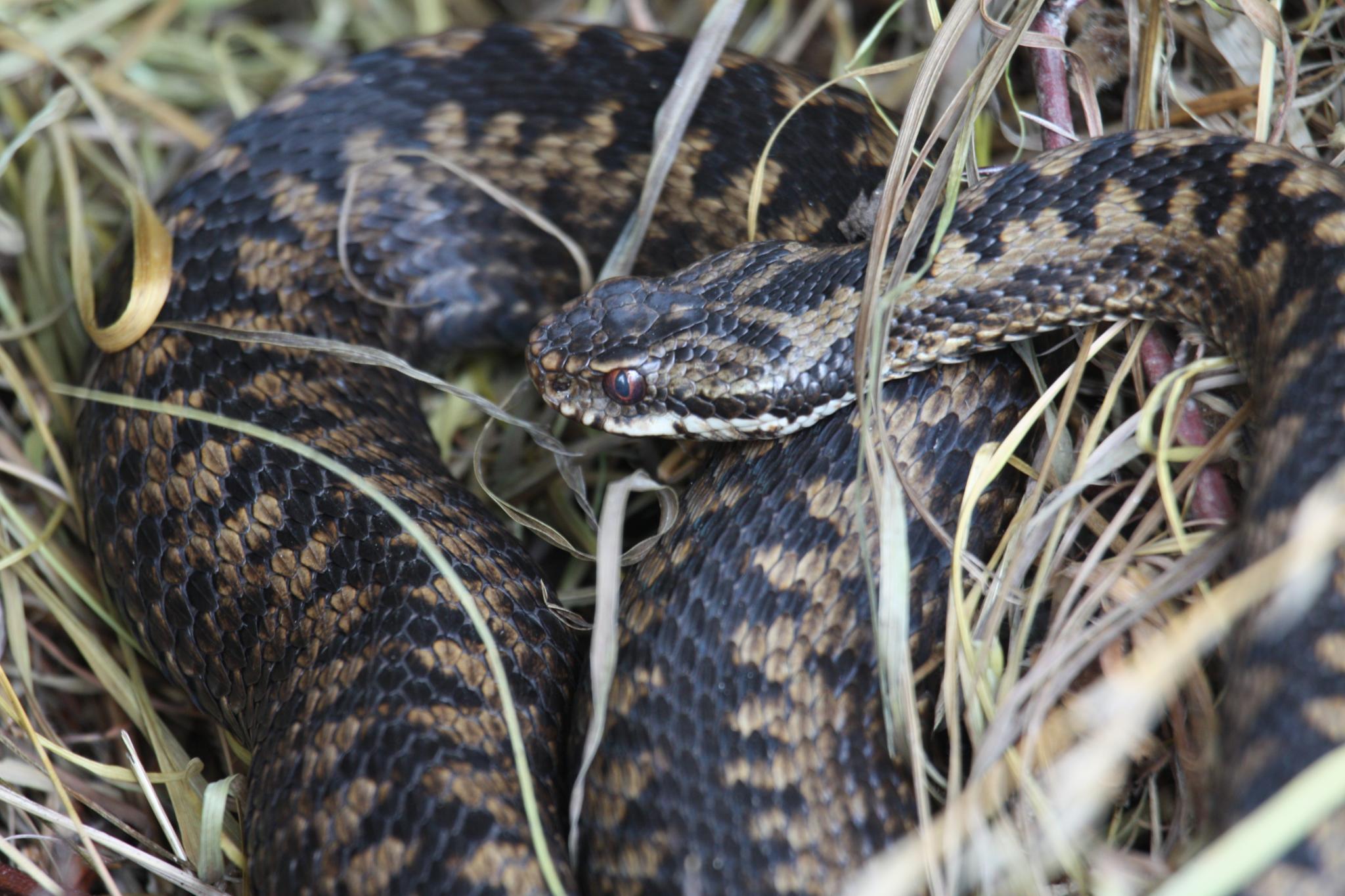
Cornwall Project Will Examine How Roads, Rivers and Habitat Fragmentation Affect Adders
A new Cornwall project will investigate how roads, rivers and fragmented habitats affect adder populations and their movement…
Read story →SPECIES IN THIS STORY
Species in this story
Independent research and conservation news archive
Did you find this information useful?
Wildlife Vagabond is independently built and maintained. Voluntary support helps cover source verification, hosting and continued work on research and conservation news.
Support Wildlife VagabondThe news archive will remain freely available.