
114,357 ha of Taiwan Farmland Was Modelled as Suitable for Four Bird Species
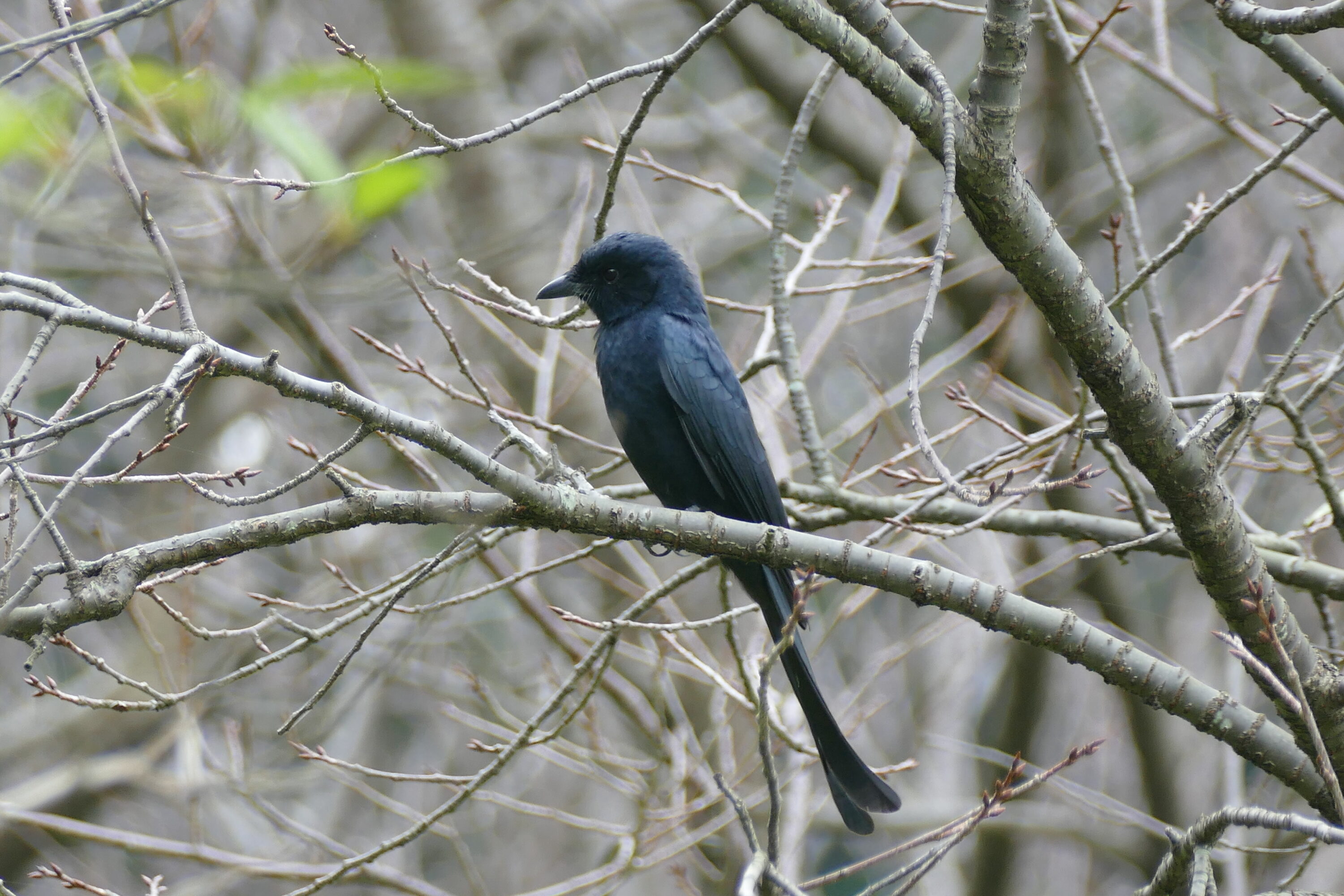
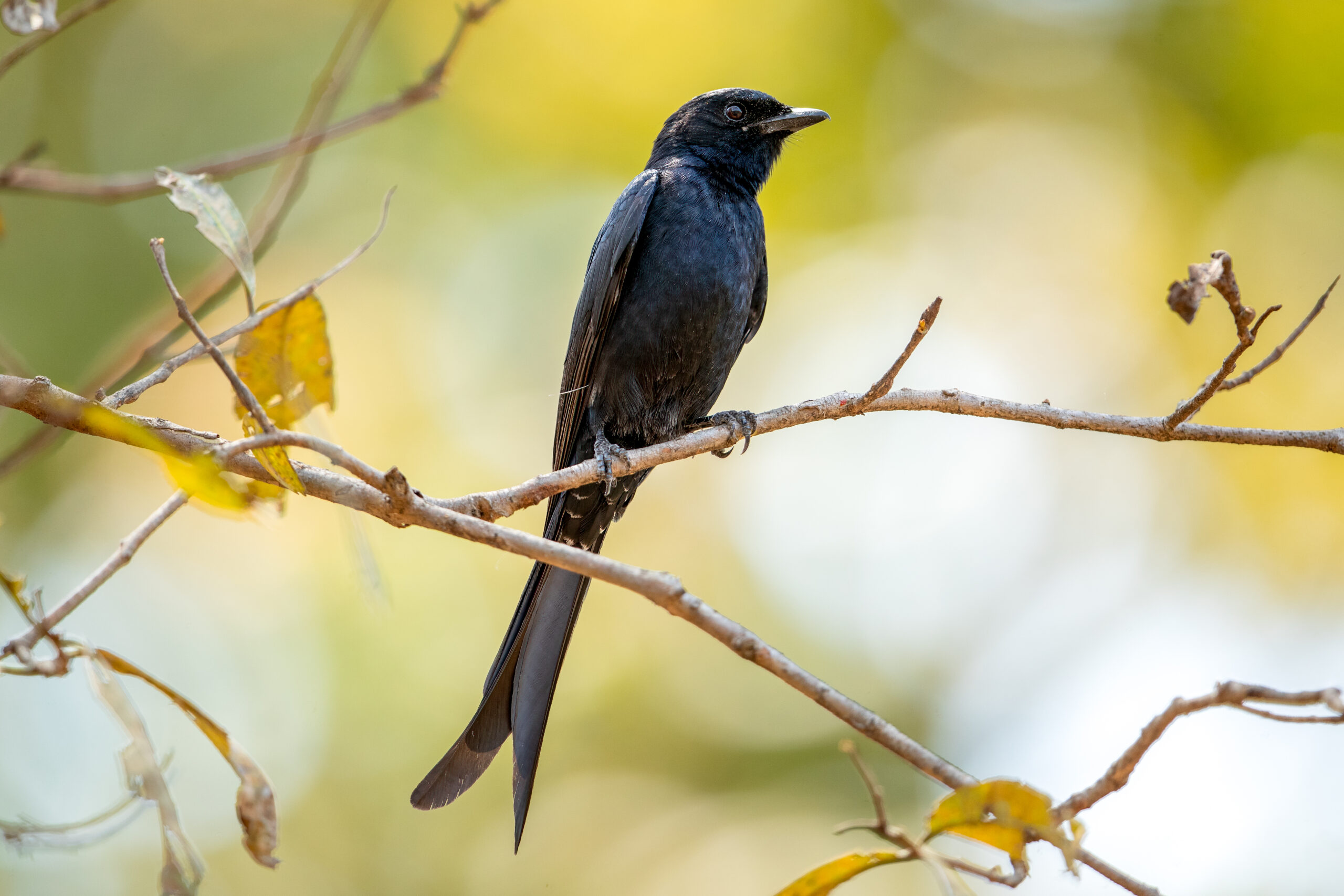
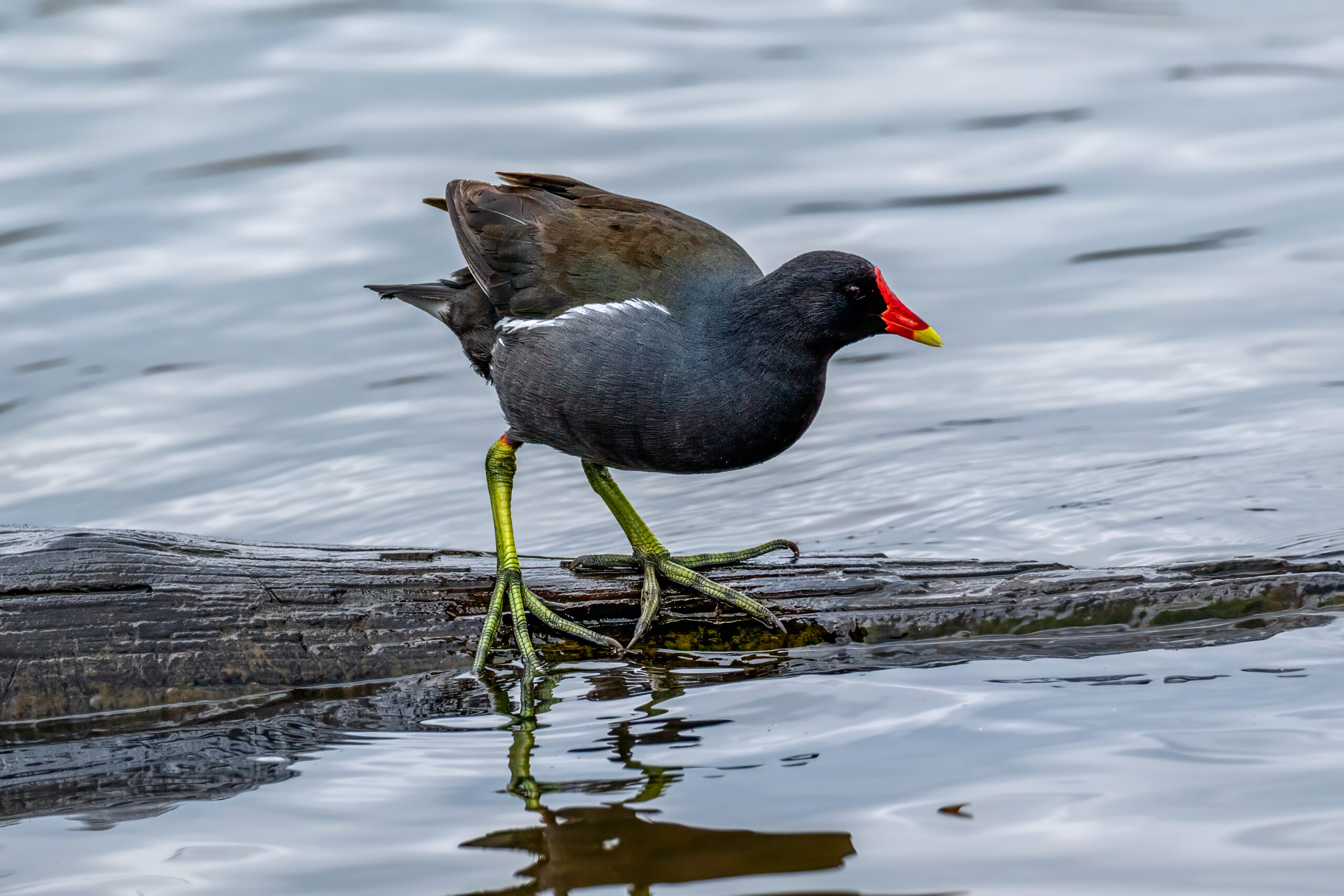
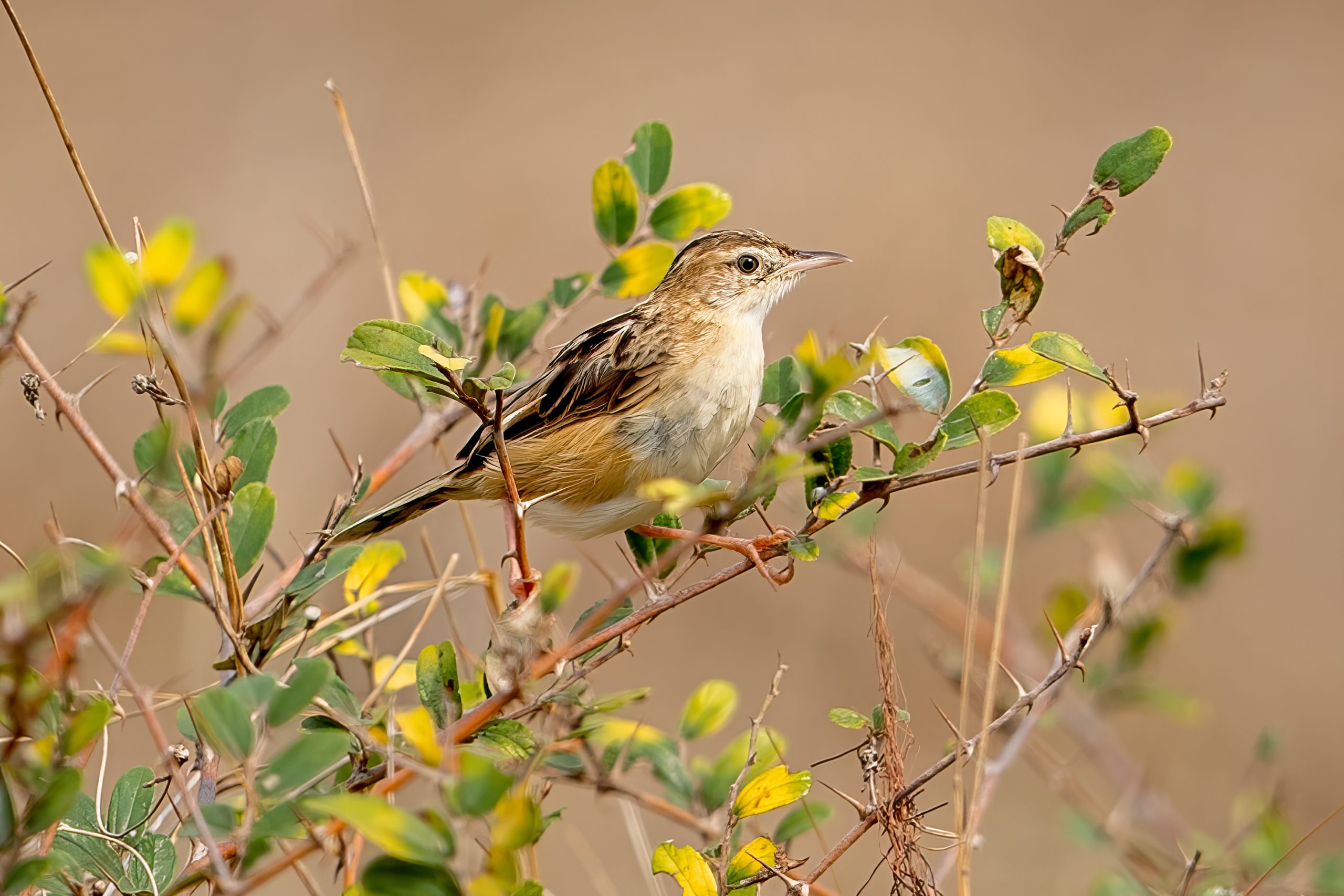
A modelling study of Taiwan’s agricultural landscape identified 114,357 hectares of farmland where suitable habitat overlapped for four focal birds: black drongo (Dicrurus macrocercus), common moorhen (Gallinula chloropus), zitting cisticola (Cisticola juncidis) and scaly-breasted munia (Lonchura punctulata). The authors highlighted these overlapping areas as candidate OECMs—land outside formal protected areas that could still contribute to long-term biodiversity conservation while remaining in other uses.
Suitable habitat overlapped across 114,357 hectares
The analysis covered 747,226 hectares of farmland on Taiwan’s main island. Researchers combined species-distribution models with land-use simulations to map present-day habitat suitability and project changes to 2050 under four climate pathways ranging from low to very high emissions, together with two land-use scenarios.
All four species had extensive areas of modelled suitable farmland in 2020. Black drongo had the largest suitable area, followed by zitting cisticola, common moorhen and scaly-breasted munia. Monthly precipitation was generally the strongest habitat predictor across the species, while slope and temperature also mattered, with their importance differing among species.
Future changes differed among species and scenarios
The future projections did not show one uniform response. Built-up land expanded substantially in the land-use simulations, while total farmland declined more modestly, and suitable habitat shifted differently among species and climate pathways. Scenarios that restricted land conversion within the candidate OECM areas generally retained more suitable habitat and reduced habitat loss for several of the focal species, although the size of the benefit varied.
The 114,357 hectares are therefore model-based conservation priorities, not areas that have already received formal OECM recognition. The authors present the approach as a way to include working farmland in long-term conservation planning where expansion of conventional protected areas is difficult.
Habitat protection
Related news

Zitting Cisticolas With Categorical Egg Signatures Made Fewer Recognition Errors
Field experiments in Zambia found that Zitting Cisticolas with categorically patterned egg signatures were less likely to accept…
Read story →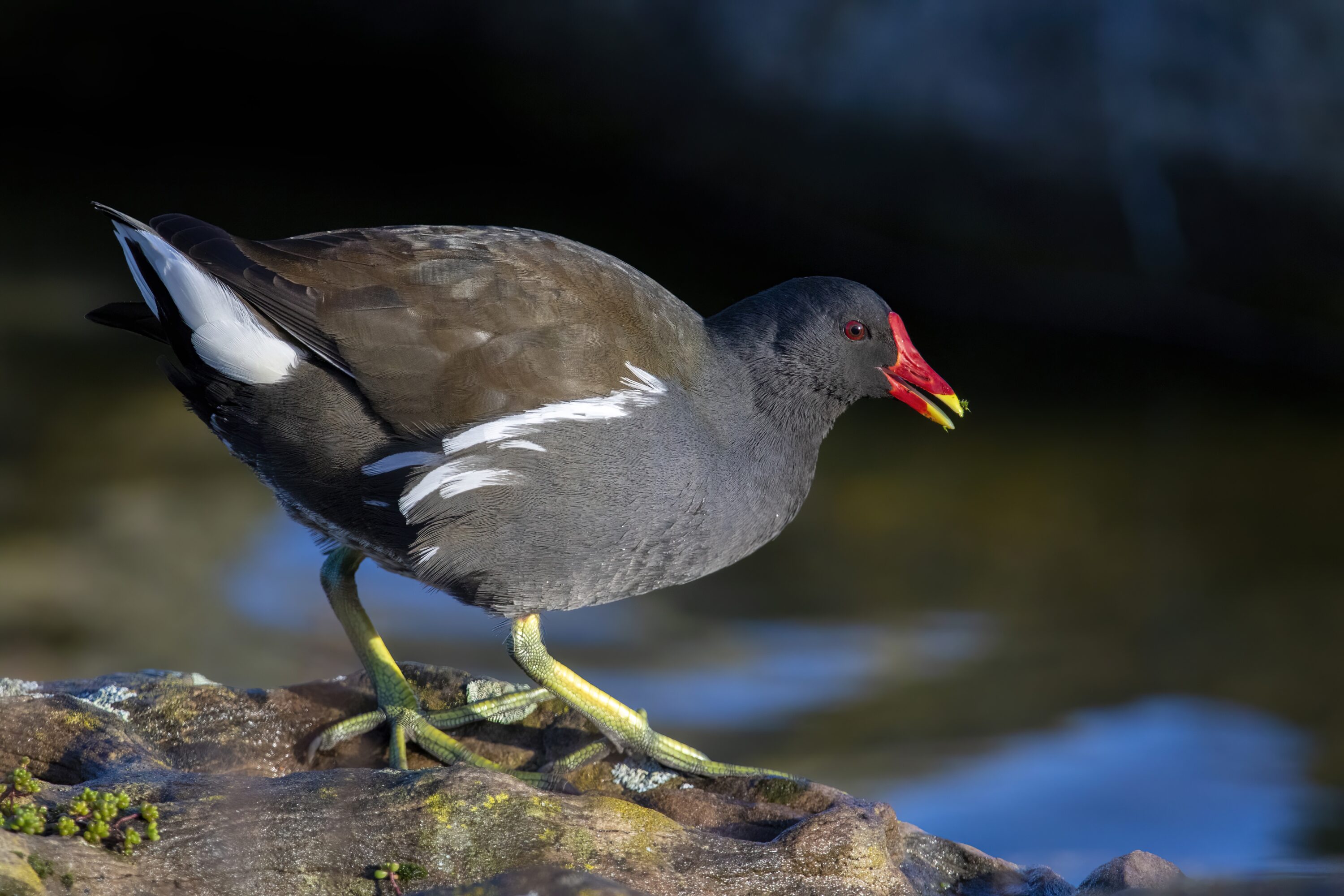
Common Moorhens See Nearly 300 Degrees Around Them Despite a Narrow Binocular Field
Common moorhens have a binocular field only about 34° wide at its maximum, but nearly 300° of combined…
Read story →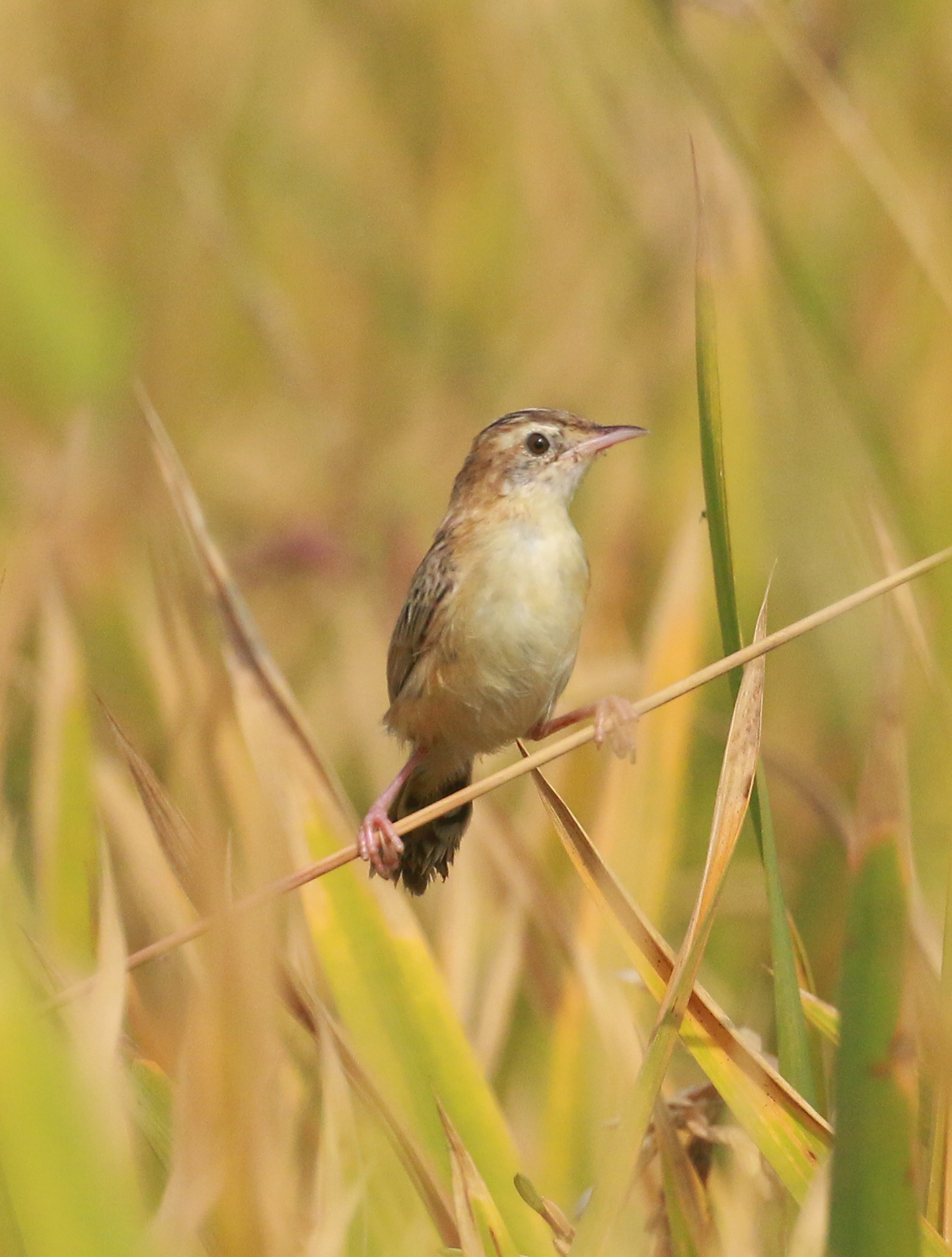
Zitting Cisticolas Raised at Least Seven Juveniles from Three Broods in Suffolk
At least 11 Zitting Cisticolas were present at Corporation Marsh in Suffolk on 6 August 2026, including up…
Read story →SPECIES IN THIS STORY
Species in this story
Independent research and conservation news archive
Did you find this information useful?
Wildlife Vagabond is independently built and maintained. Voluntary support helps cover source verification, hosting and continued work on research and conservation news.
Support Wildlife VagabondThe news archive will remain freely available.