
Invasive Florida Nile Monitors Had Narrower, More Laterally Compressed Skulls
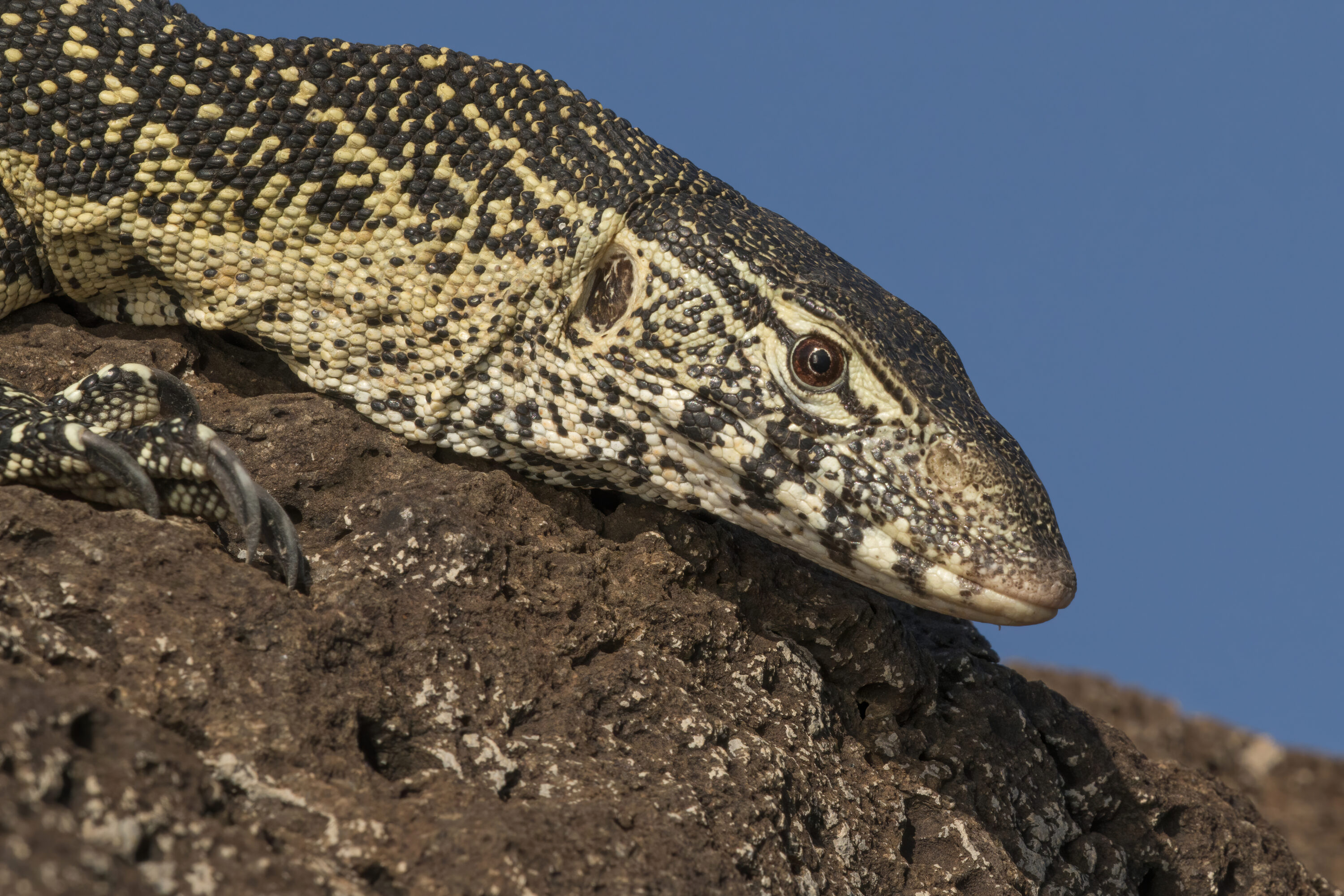
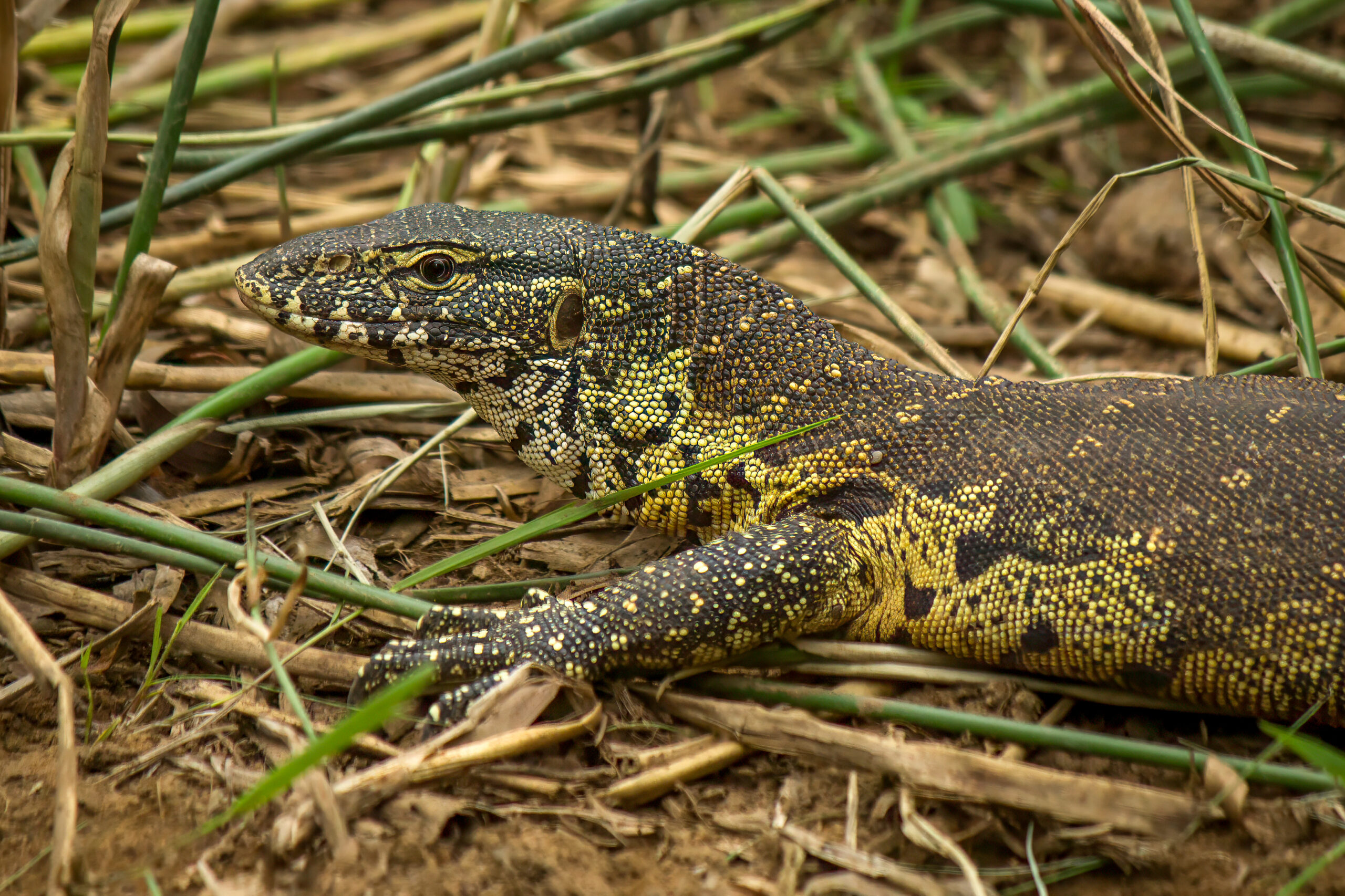
Invasive Nile monitors (Varanus niloticus) from Florida, USA showed measurable differences in skull shape compared with wild African animals in a study presented at the Florida Academy of Sciences annual meeting on 20 March 2026. The researchers used geometric morphometrics, a method that compares shape quantitatively from the positions of anatomical landmarks.
Researchers collected three-dimensional landmark data from Nile monitor skulls and compared the invasive Florida sample with a wild African reference group. The Florida animals showed clear lateral compression of the rostrum — the snout region of the skull — a narrower skull and reduced muscular volume, along with other areas where skull form had either diverged or remained similar.
The authors do not attribute these differences to a single mechanism. They identify several possible evolutionary and non-evolutionary influences, including development, nutrition and biomechanics, all of which may differ in the introduced Florida environment.
The study found clear cranial differences between the invasive Florida population and the wild African comparison material. The authors frame the combination of morphological and ecological analyses as an opportunity to examine rapid evolutionary change in a species established in a novel environment.
Anatomy & morphology
Related news
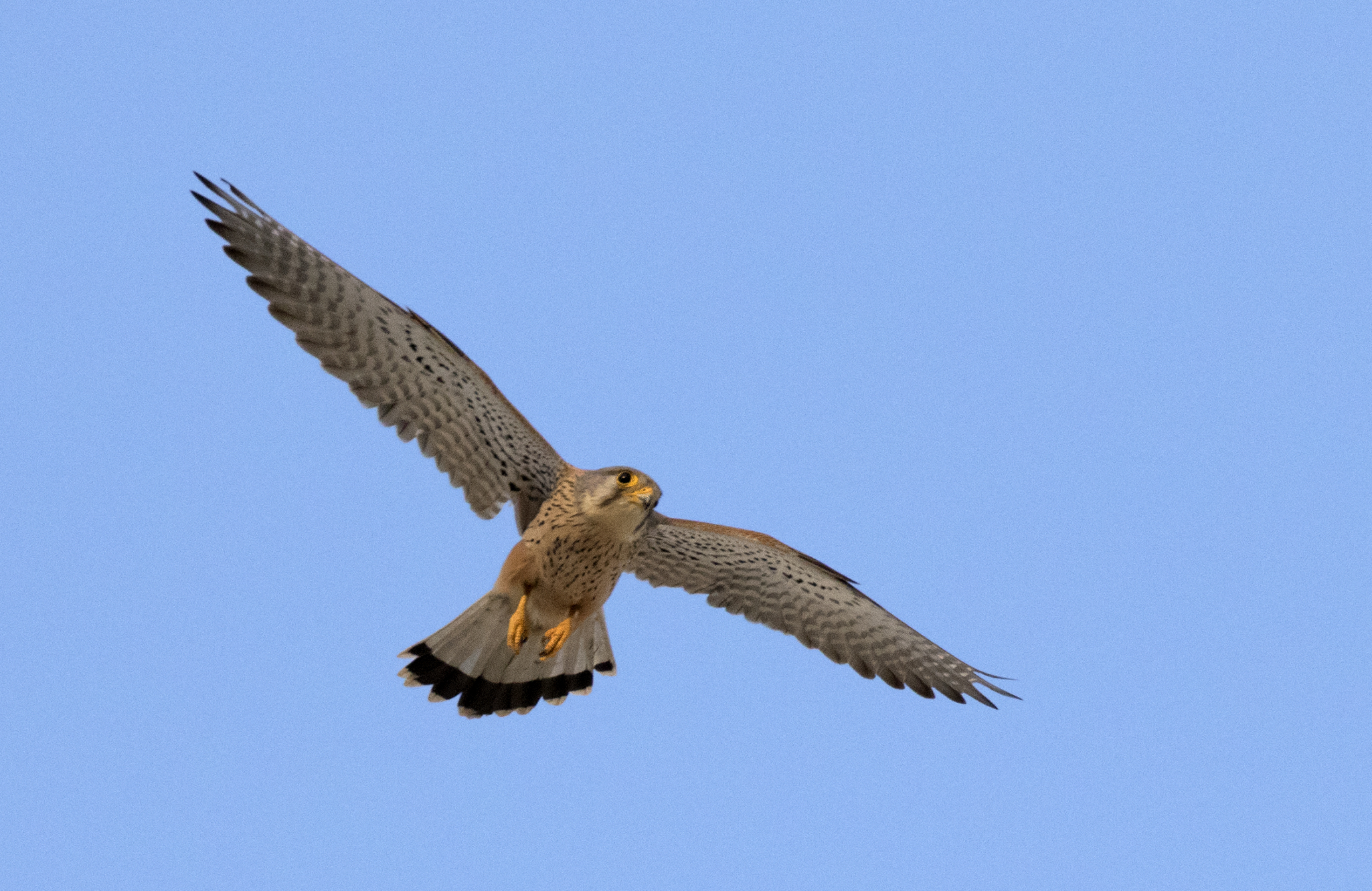
Common Kestrels Had About Twice the Tracheal Mucous-Gland Density of White Storks
A comparative study of three adult males from each of three bird species found 11.32 tracheal mucous glands…
Read story →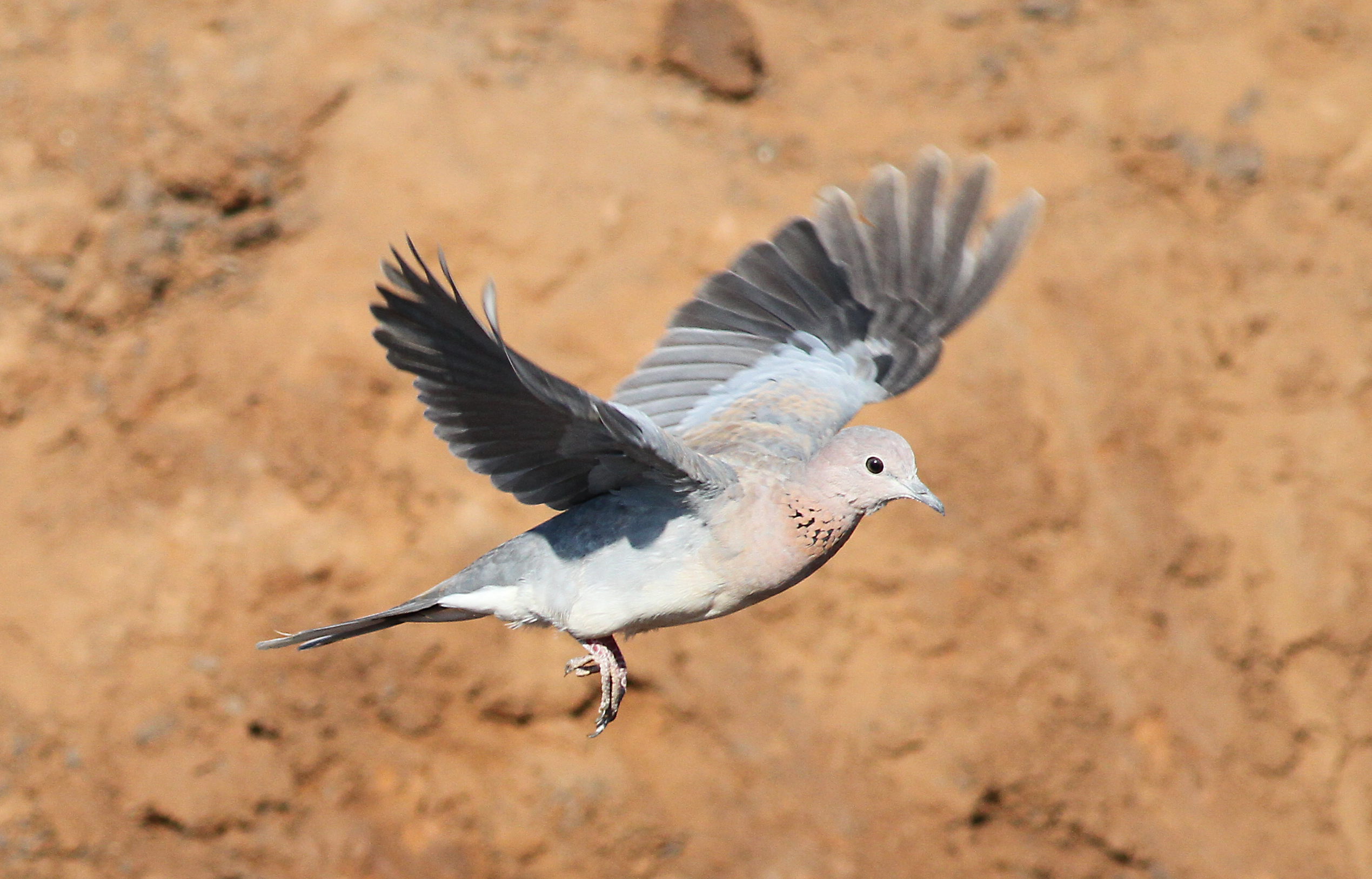
Laughing Dove Eye Pecten Mapped From 12–13 Pleats to Cell Markers
Researchers mapped the pecten oculi, a vascular structure unique to bird eyes, in the laughing dove. Its 12–13…
Read story →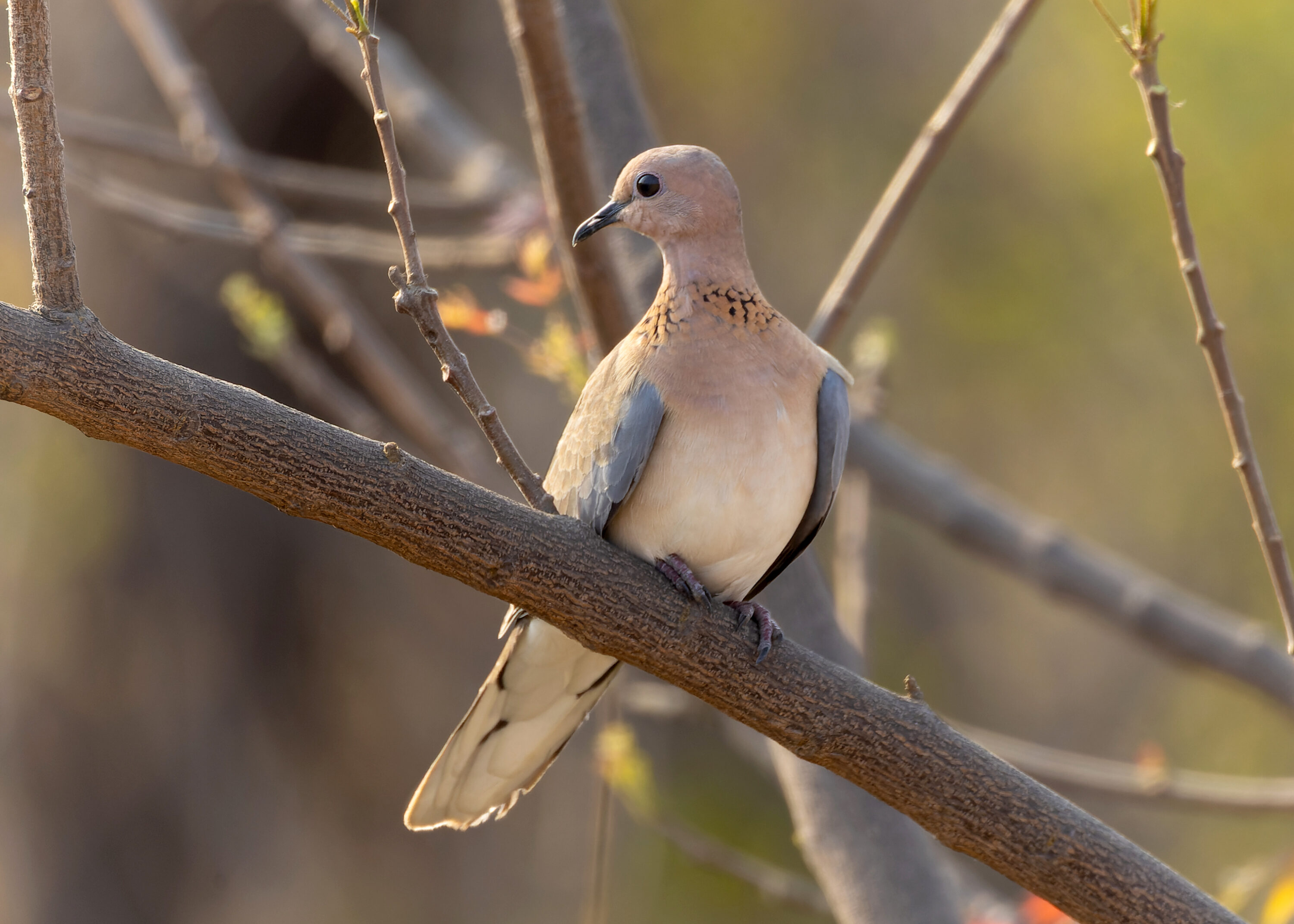
Progressive Greying Recorded in a Laughing Dove in Asia for the First Time
An adult laughing dove photographed in Karnataka, India, had localised white feathers on the head and shoulder region.…
Read story →SPECIES IN THIS STORY
Species in this story
Independent research and conservation news archive
Did you find this information useful?
Wildlife Vagabond is independently built and maintained. Voluntary support helps cover source verification, hosting and continued work on research and conservation news.
Support Wildlife VagabondThe news archive will remain freely available.