
HEV-3m Was Detected for the First Time in Portuguese Wild Boar
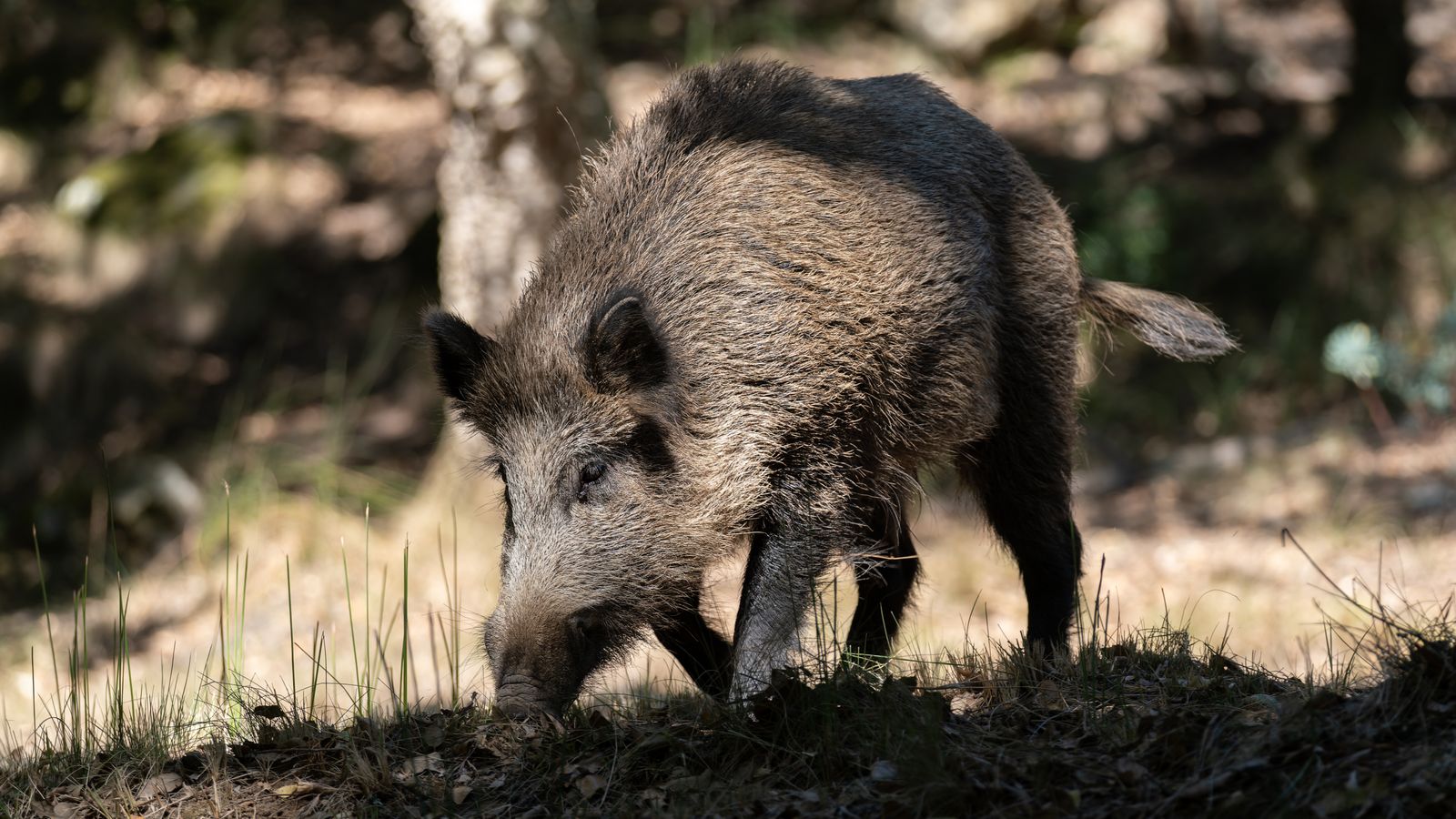
Hepatitis E virus (HEV) is an RNA virus that can circulate between domestic pigs, wild boar and humans. In Europe, genotype 3 is maintained in swine populations and can reach people through routes including undercooked pork or direct contact with infected animals. Human infection is often asymptomatic, but it can cause acute hepatitis and may become chronic in immunocompromised people.
A study of wild boar (Sus scrofa) from mainland Portugal found HEV RNA in four of 120 animals, a detection rate of 3.3%. Detection of viral RNA shows that HEV genetic material was present in the sampled tissues; by itself it does not demonstrate infectious virus or disease in the animal. The animals were sampled between October 2023 and February 2025 across seven mainland districts. All four positives came from Évora near the Spanish border: three from Reguengos de Monsaraz and one from Mourão.
The researchers tested organ samples from wild boar collected in seven Portuguese districts. One of the four positive samples yielded a complete viral genome. Phylogenetic analysis placed this sequence within subtype HEV-3m, providing the first molecular evidence that this subtype circulates in Portuguese wild boar.
HEV-3m grouped with human-derived European sequences
The HEV-3m sequence clustered with a group dominated by human-derived sequences from Spain and France. A second analysis that included partial HEV sequences from Portuguese domestic pigs showed that subtypes 3e, 3f and 3m were circulating without a clear spatial or temporal pattern. No recombination was detected in the complete wild-boar genome obtained in this study. The authors describe the overlap among viral lineages from wild boar, domestic pigs and humans as relevant to the zoonotic potential of HEV genotype 3, but the sequence relationships do not by themselves demonstrate direct transmission between the sampled boar and people.
Spain was the most likely source in the analysis
A phylogeographic analysis, which combined genetic relationships among viral sequences with where they had been sampled, indicated that the sequenced HEV-3m strain was most likely introduced from Spain. Together with the concentration of all four positive wild boar in southeastern Portugal and known HEV hotspots across the border, the researchers consider cross-border movement of wild boar a plausible route for virus circulation between the two countries. This remains a sequence-based inference rather than direct evidence of the route taken by the virus, and the authors note that phylogeographic conclusions depend on which sequences are available from each country. Only one complete HEV-3m genome was obtained from the Portuguese wild-boar samples.
Disease, parasites & microbiology
Related news
Gut Microbiomes Across Nine Kruger Mammals Clustered More Strongly by Dietary Group Than Species
A study of 89 quality-filtered faecal samples from nine wild mammals in Kruger National Park found that carnivores,…
Read story →
Nearly Three-quarters of Migrating Redwings Carried Ticks During Two Mild Belgian Autumns
Ticks were found on 72.9% of 284 redwings sampled during late-autumn migration in Belgium; 12.9% of 698 screened…
Read story →
mFISH Mapped 16 of 22 Rhesus Macaque Chromosome Types to a Single Human Chromosome
Human chromosome-painting probes showed one-to-one homology for 16 of 22 rhesus macaque chromosome types, while three macaque chromosomes…
Read story →SPECIES IN THIS STORY
Species in this story
Independent research and conservation news archive
Did you find this information useful?
Wildlife Vagabond is independently built and maintained. Voluntary support helps cover source verification, hosting and continued work on research and conservation news.
Support Wildlife VagabondThe news archive will remain freely available.