
Review Linked Indian Roller Breeding Displays With Seasonal Changes in Brain Plasticity
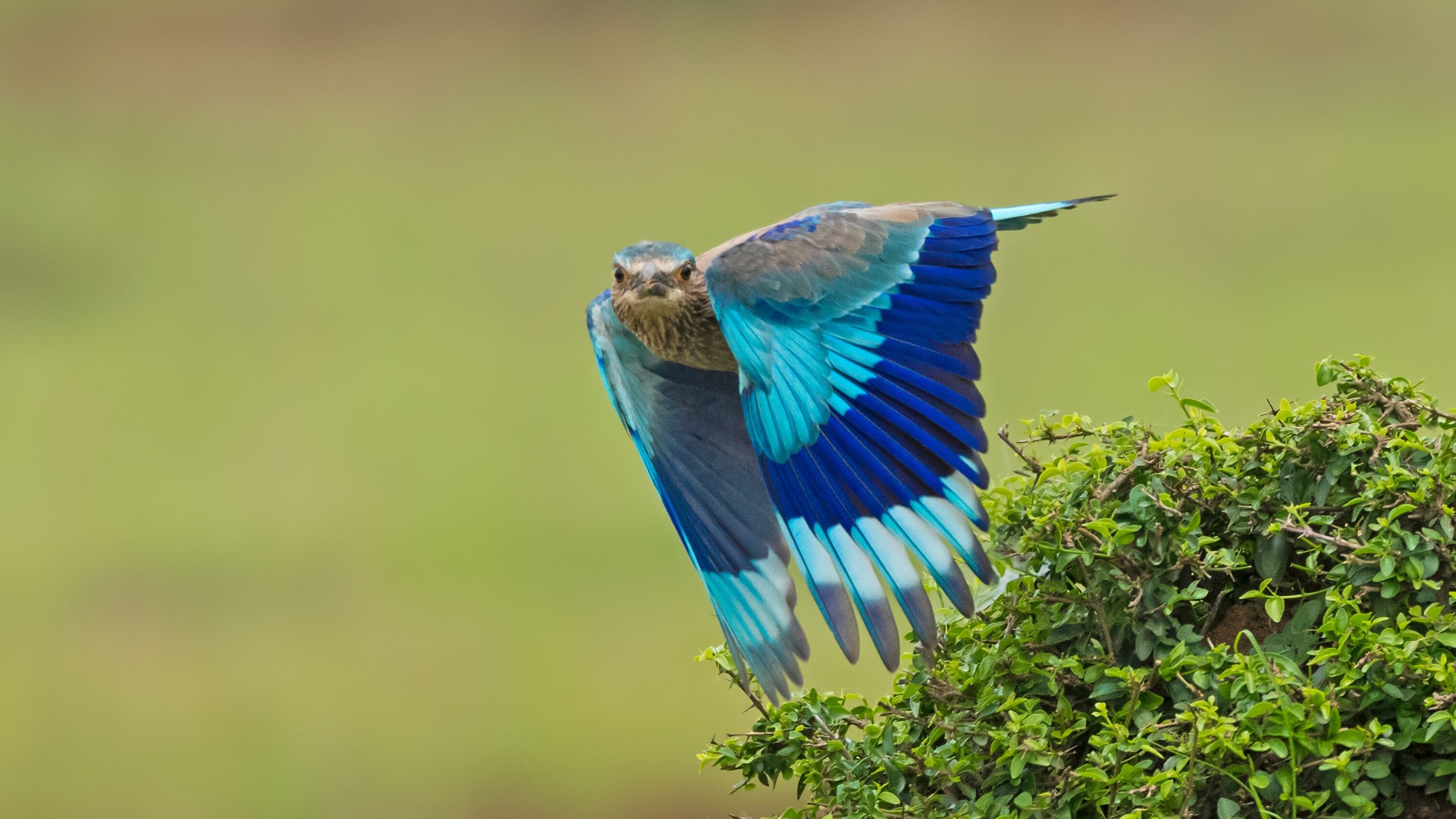
A review published on 30 April 2026 brought together research on the neurobiology, behaviour and ecology of Indian roller (Coracias benghalensis), with particular emphasis on how seasonal changes in the brain coincide with the species’ reproductive cycle.
The authors synthesised peer-reviewed work on the hippocampal complex, breeding behaviour, population density, foraging and ecological role. Rather than presenting a new experiment, the article integrates findings that had previously been scattered across several studies.
Breeding Displays
The review organises seasonal changes into four reproductive phases: pre-breeding, breeding, regression, when reproductive activity declines, and quiescence, the reproductively inactive phase.
Male Indian rollers perform the aerial rolling displays for which the species is named most prominently around the breeding season. Earlier studies summarised in the review associate these displays with courtship, territorial behaviour and readiness around nesting sites.
Seasonal Changes in Brain Structure
The review highlights work on the avian hippocampal complex, a brain region associated with learning, memory and spatial processing. Studies of Indian rollers have distinguished dorsomedial, dorsolateral and ventral hippocampal regions and described unipolar, bipolar, pyramidal and multipolar neurons within the complex.
Across seasonal studies, measurements including cell-body size, dendritic dimensions and dendritic-spine density changed between reproductive phases. Dendritic spines are small projections on neuronal branches where many synaptic connections form, so changes in their density are used as a structural indicator of synaptic plasticity. The review emphasises that spine density was higher during the breeding period, when males also showed their greatest reproductive and display activity.
The authors note, however, that direct experimental evidence linking these neural changes to particular behavioural responses remains limited.
Hunting in Agricultural Landscapes
The authors also synthesise ecological studies showing that Indian rollers use open habitats including farmland, riverbanks and lightly wooded landscapes. Field work in Nagapattinam district, Tamil Nadu, India, reviewed in the paper recorded comparatively high densities in agricultural areas and described a sit-and-wait hunting strategy dominated by scanning from exposed perches.
Insects form a major part of the diet, including many agricultural pest species. The review therefore discusses Indian roller as a predator that can contribute to insect control in farmed landscapes.
Other research
Related news
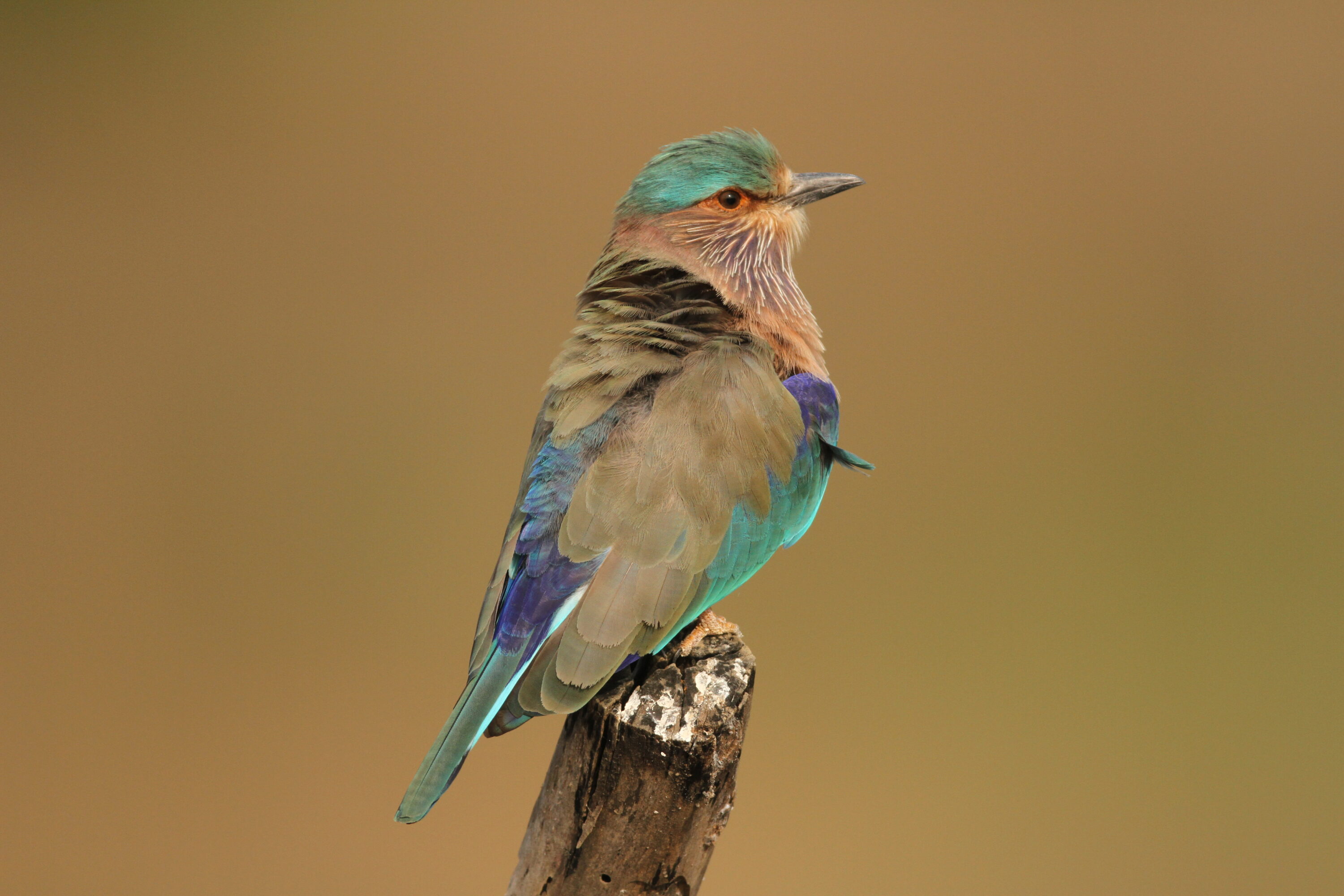
Six Cavity-Nesting Bird Species Bred Successfully in Artificial Nests in Punjab
Punjab Agricultural University reported successful breeding in artificial nests by six cavity-nesting species, including Indian roller, spotted owlet…
Read story →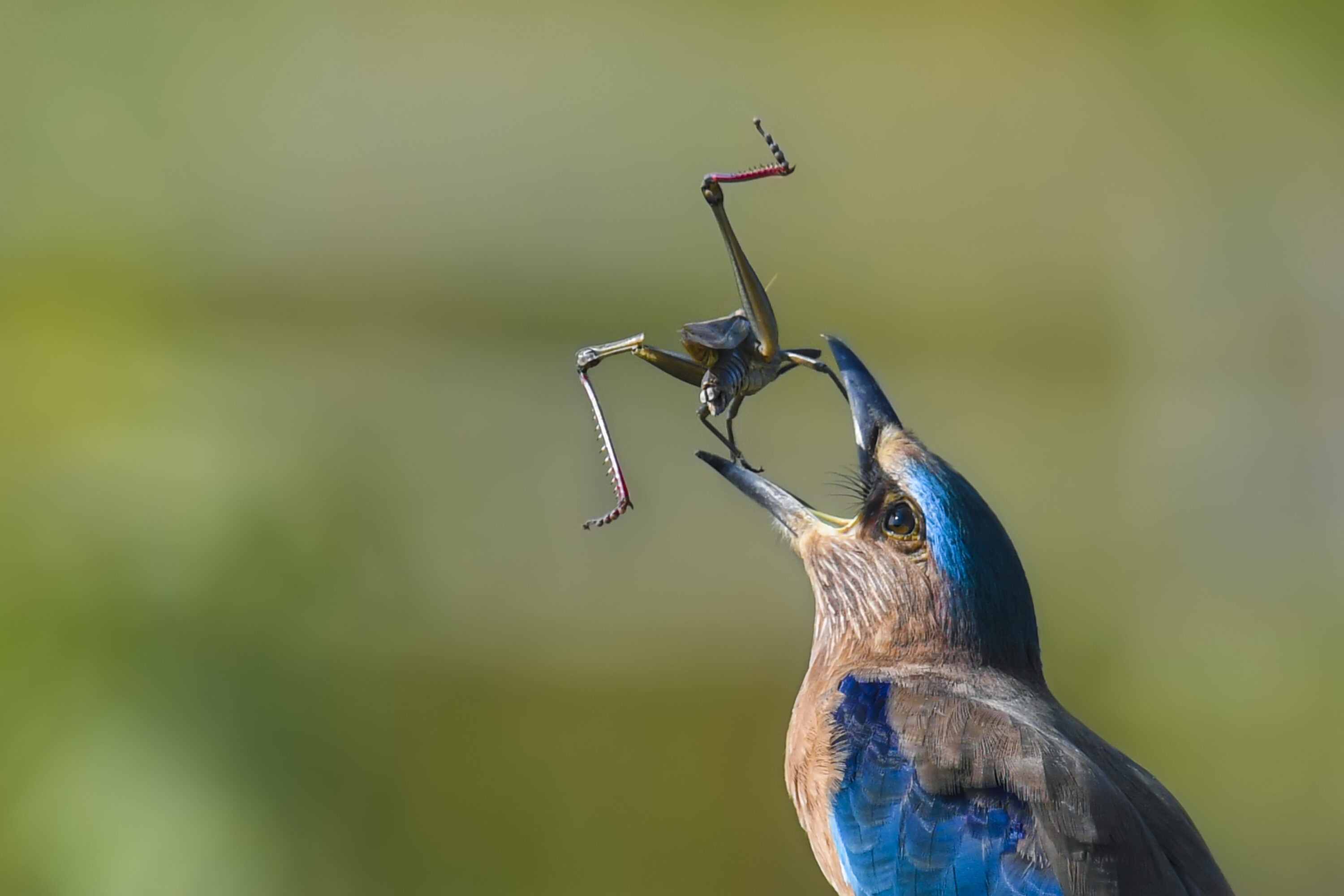
Indian Roller Was Documented in Chail Wildlife Sanctuary for the First Time
Wildlife monitoring documented an Indian roller in Chail Wildlife Sanctuary for the first time, adding the species to…
Read story →
Telangana Asked WII to Design an Indian Roller Conservation-breeding Project
Telangana decided to pursue conservation breeding for its state bird, the Indian Roller, and asked the Wildlife Institute…
Read story →SPECIES IN THIS STORY
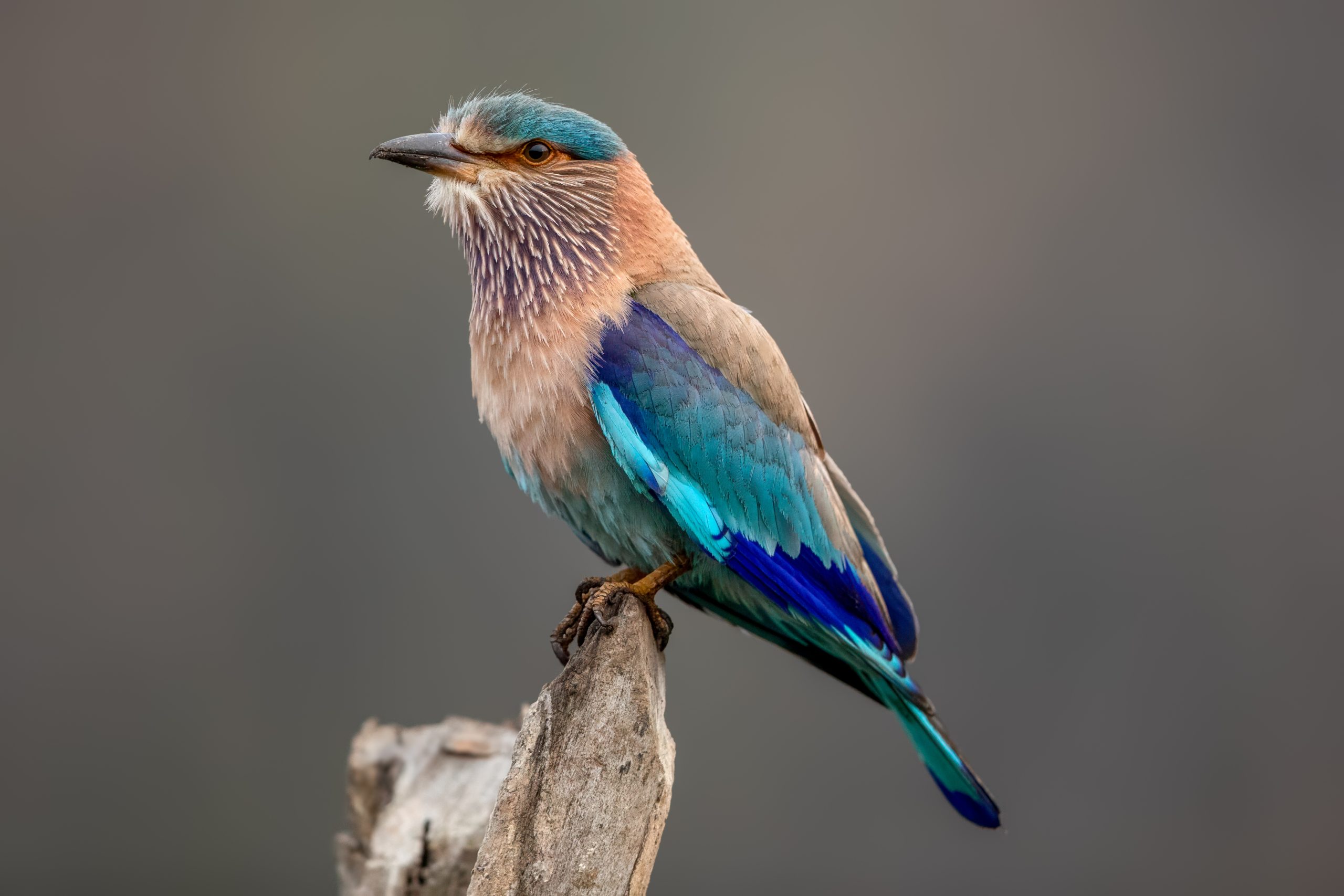
Species in this story
Independent research and conservation news archive
Did you find this information useful?
Wildlife Vagabond is independently built and maintained. Voluntary support helps cover source verification, hosting and continued work on research and conservation news.
Support Wildlife VagabondThe news archive will remain freely available.