
Inside the great egret’s eye: a detailed anatomical portrait

What does a great egret’s eye look like in detail? Researchers examined six great egrets (Ardea alba) and described the structure of their eyes and the glands around them. The study offers a detailed anatomical portrait, rather than a test of how each feature affects vision.
The right and left eyes had similar measurements. The eyeballs accounted for about 11.2% of head mass. The eyes were flat, with yellow irises and circular pupils. The authors note that flat eye morphology has previously been associated with daytime-active birds.
The study also describes structures within and around the eye. A ring of 14 small bones, or ossicles, was associated with hyaline cartilage in the sclera, the outer supporting layer of the eyeball. The cornea had a distinct Bowman’s membrane, and the retina had 10 identifiable layers. A pleated structure called the pecten extended from the optic nerve towards the vitreous body, the gel-like material inside the eye.
Three accessory glands had different shapes. The Harderian gland was the largest; the lacrimal gland, which produces tears, was shaped like a hockey stick; and the supraorbital nasal, or salt, gland was pyramidal.
Detailed anatomical descriptions provide a basis for comparing the eyes of different bird species. This study documents features of the great egret’s eye and surrounding glands, but its observations come from six specimens and do not establish how much those features vary across the species.
Anatomy & morphology
Related news
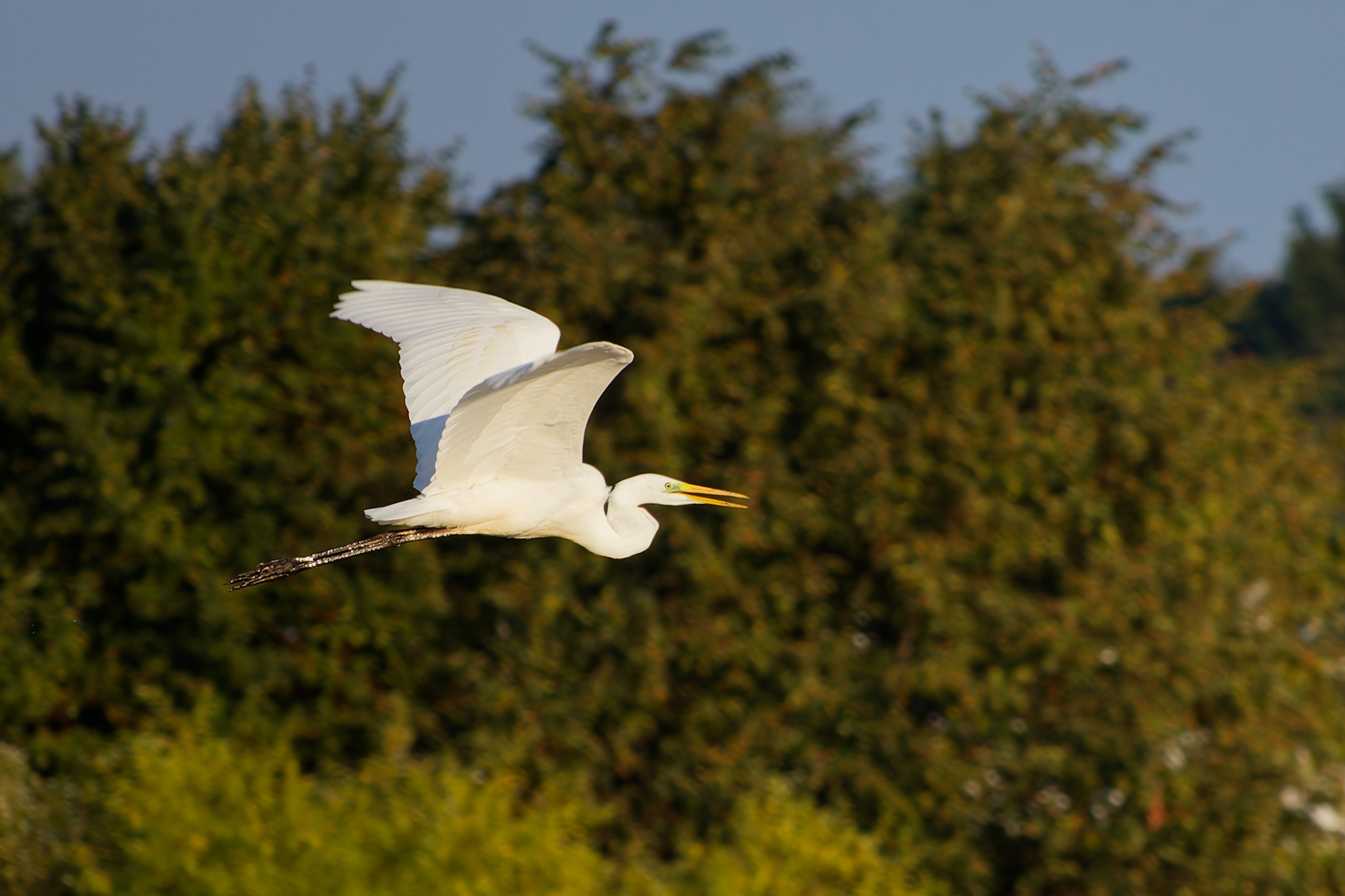
Six of Seven GPS-Tracked Great Egrets Returned to the Same Wintering Grounds
Six of seven great egrets tracked across at least two complete winters returned to the same wintering grounds;…
Read story →
Poland’s Breeding Great Egret Population Reached 1,150–1,250 Pairs
Poland’s breeding great egret population increased by 84% from 2013 to 2025. Breeding was documented at 31 sites,…
Read story →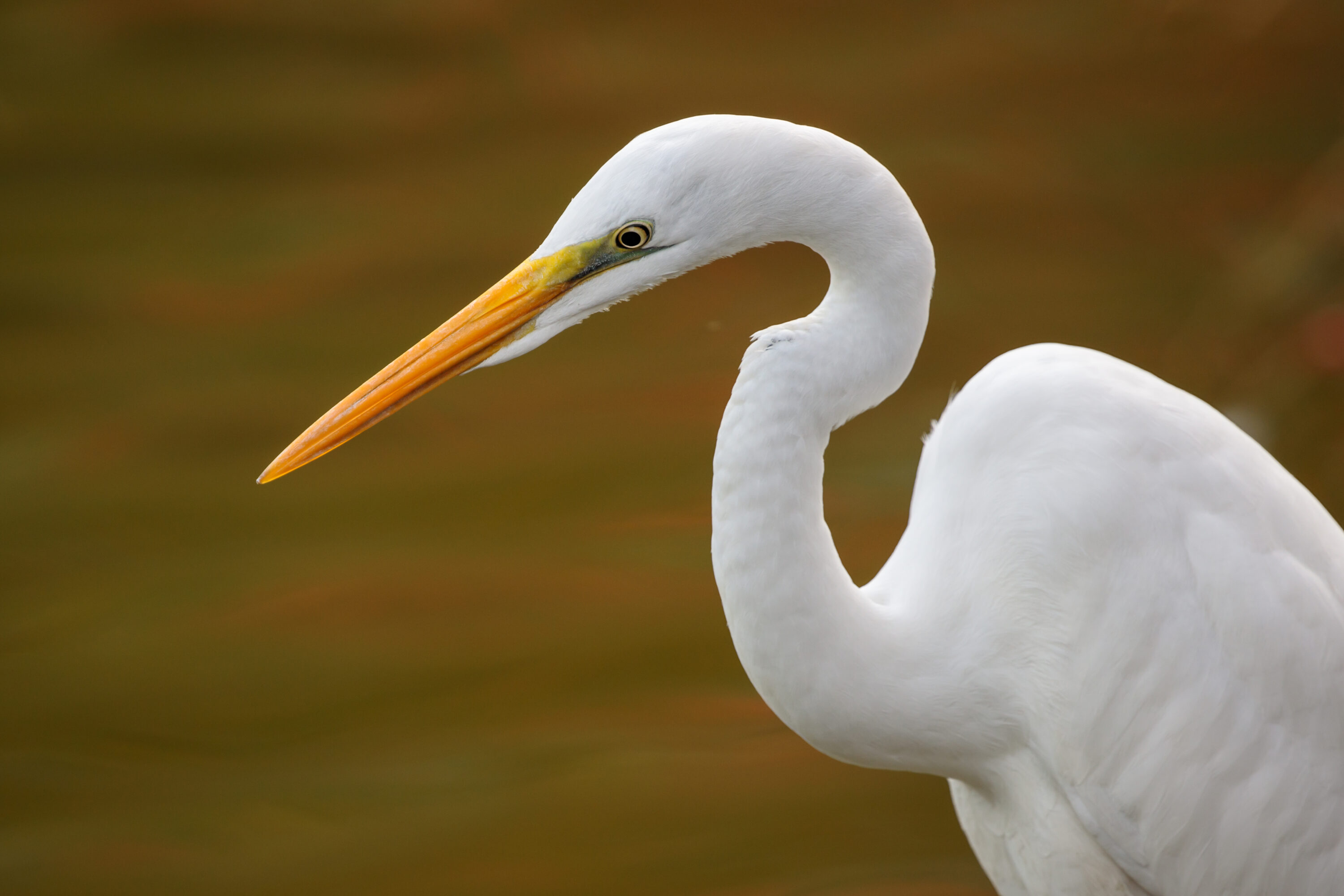
Bile-Duct Trematodes Found in the Lungs and Body Cavity of a Great Egret
A case report from South Korea found the bile-duct trematode Pegosomum bubulcum on the liver surface, in the…
Read story →SPECIES IN THIS STORY
Species in this story
Independent research and conservation news archive
Did you find this information useful?
Wildlife Vagabond is independently built and maintained. Voluntary support helps cover source verification, hosting and continued work on research and conservation news.
Support Wildlife VagabondThe news archive will remain freely available.