
Six of Seven GPS-Tracked Great Egrets Returned to the Same Wintering Grounds
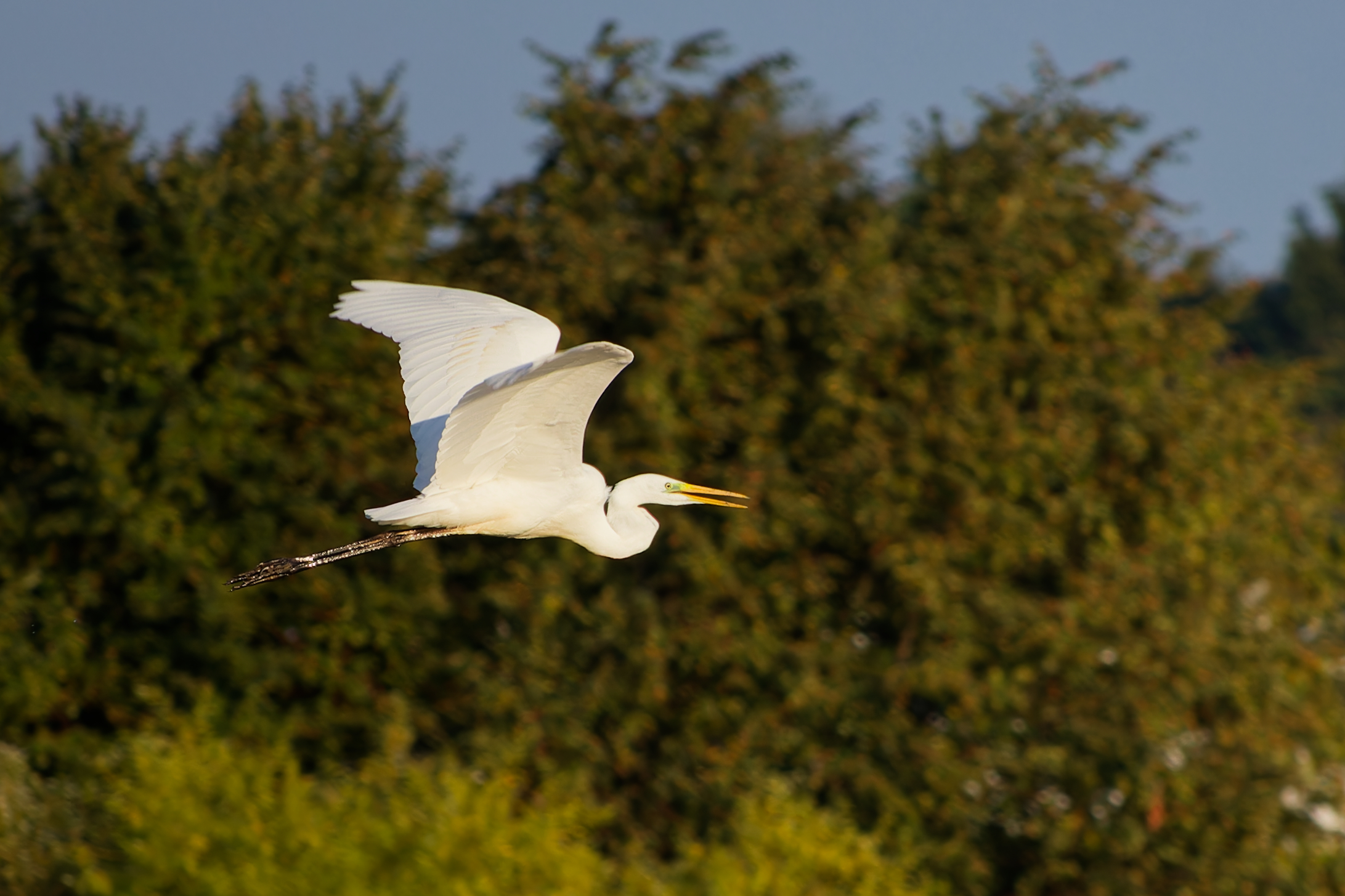
Six of seven great egrets (Ardea alba) with GPS data from at least two complete winters returned to the same wintering grounds in subsequent years. The birds were part of a group of 15 egrets captured during autumn migration at Lake Druzno in northern Poland and tracked between 2015 and 2023.
The winter-site fidelity was strong even at a fine spatial scale: the centres of consecutive winter ranges for the returning birds were only 0.03–2.7 km apart. The tracked egrets wintered mainly west of their breeding areas, from western Poland through Germany and the Netherlands to France.
The GPS data also showed a clear seasonal difference in migration strategy. Autumn migration lasted longer than spring migration and included more frequent and longer stopovers, while the birds travelled roughly similar distances in the two seasons. Post-breeding dispersal was also recorded in four of seven birds with sufficiently long tracks before they began autumn migration.
Outside the breeding season, aquatic habitats accounted for 33% of recorded habitat use, followed by farmland at 25% and forest at 22%. During parts of the annual cycle, the birds used wetlands, aquatic habitats, pastures and farmland more than their availability alone would predict, while urban areas made up less than 1% of records and were generally avoided. The authors describe the study as the first multi-individual GPS analysis in Europe to combine great egret movement, habitat use, habitat selection and site fidelity across the non-breeding period.
Ecology
Related news

Poland’s Breeding Great Egret Population Reached 1,150–1,250 Pairs
Poland’s breeding great egret population increased by 84% from 2013 to 2025. Breeding was documented at 31 sites,…
Read story →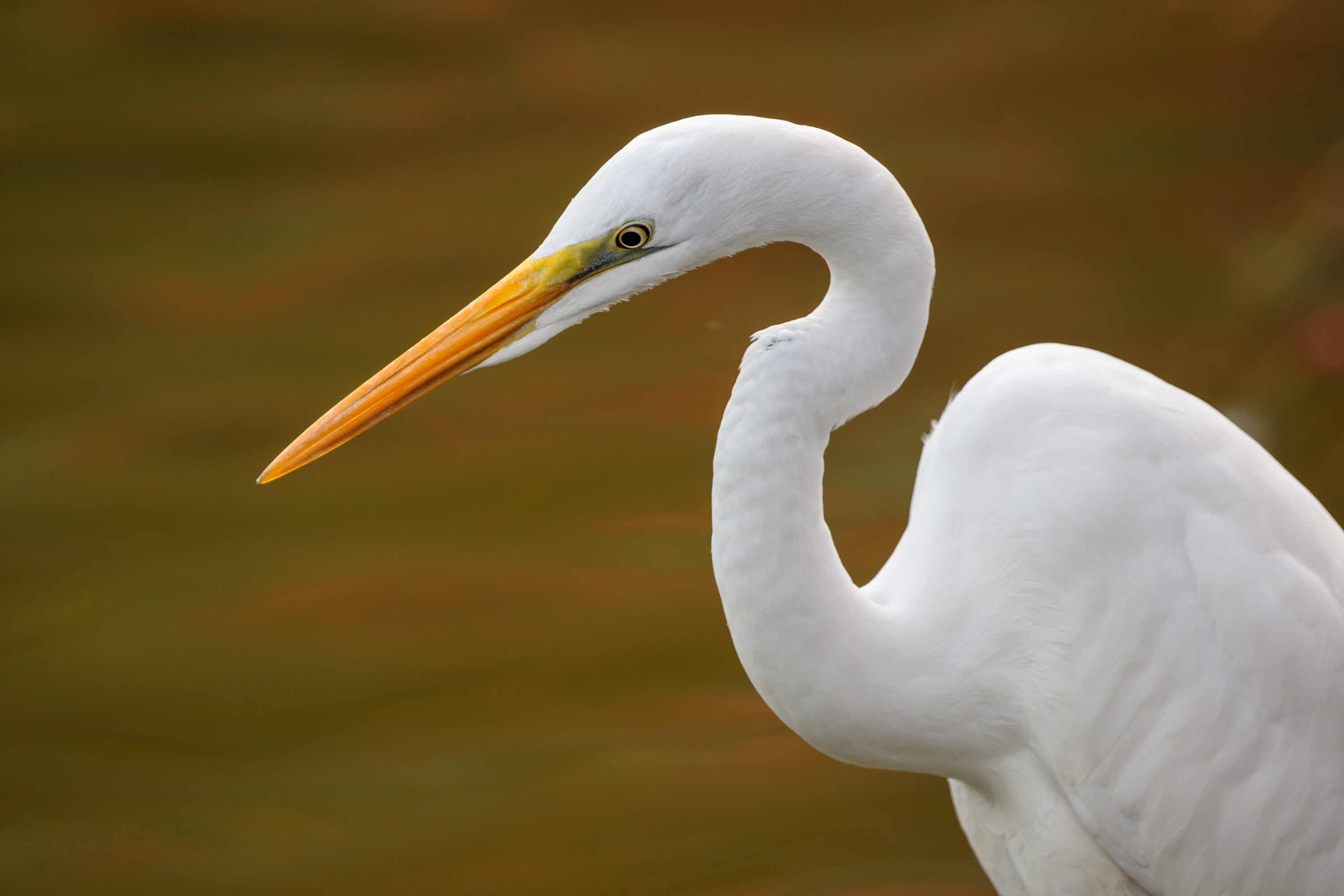
Bile-Duct Trematodes Found in the Lungs and Body Cavity of a Great Egret
A case report from South Korea found the bile-duct trematode Pegosomum bubulcum on the liver surface, in the…
Read story →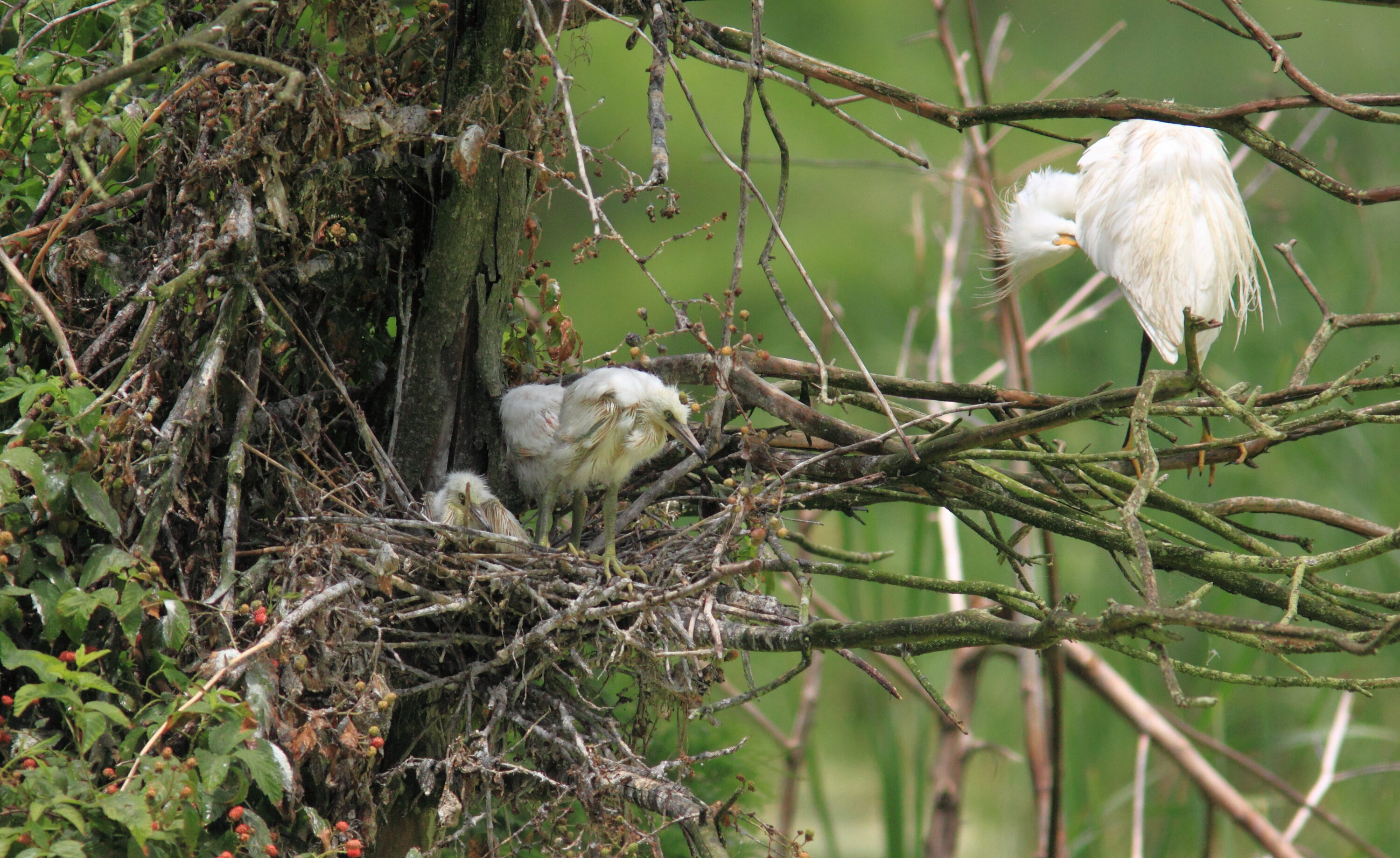
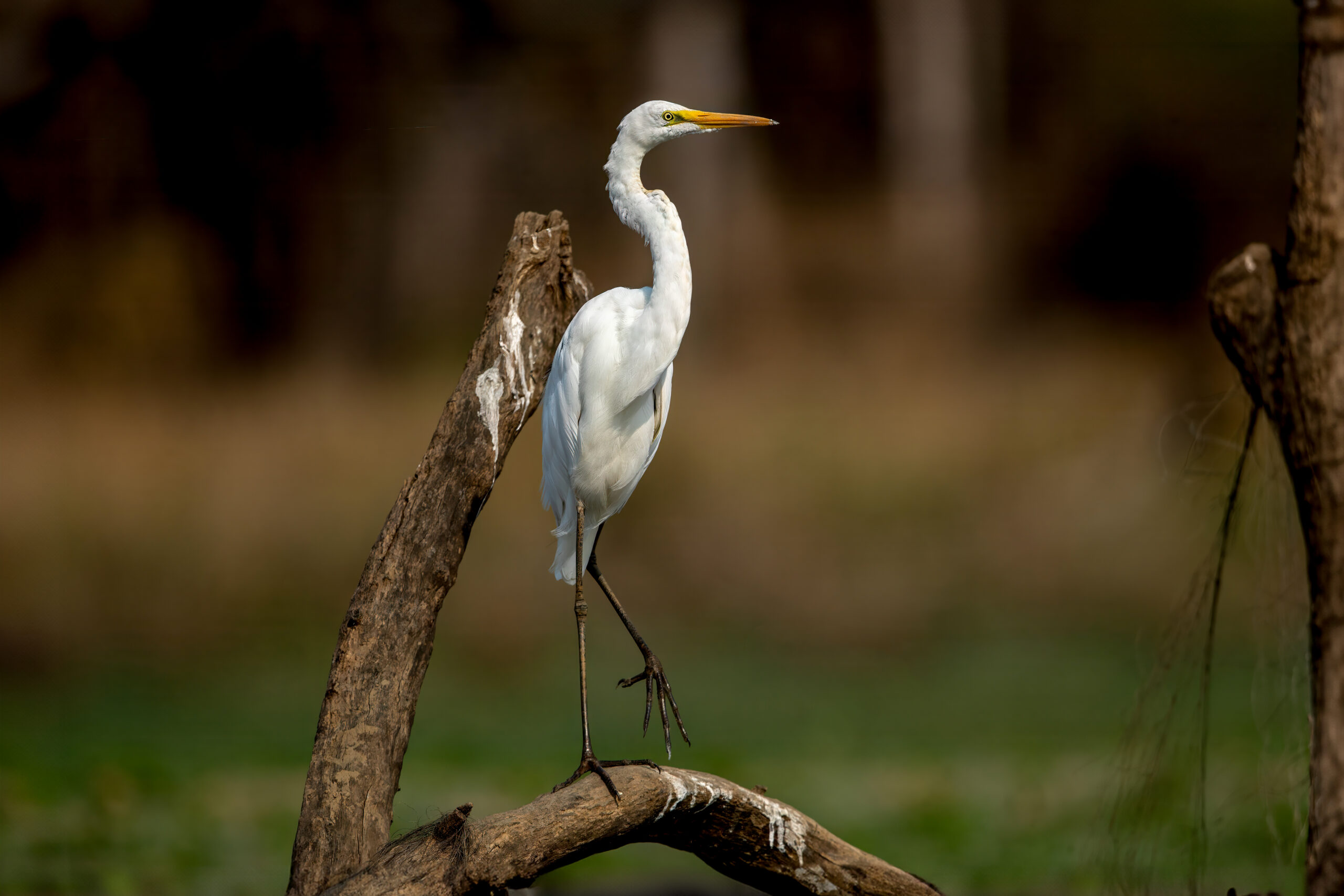
Drone Surveys Produced Similar Nest Survival Estimates to Ground Surveys for Florida Waterbirds
At four Lake Okeechobee colonies in Florida, drone imagery tracked 510 waterbird nests and produced nest survival estimates…
Read story →SPECIES IN THIS STORY
Species in this story
Independent research and conservation news archive
Did you find this information useful?
Wildlife Vagabond is independently built and maintained. Voluntary support helps cover source verification, hosting and continued work on research and conservation news.
Support Wildlife VagabondThe news archive will remain freely available.