
Jungle Cats and Leopard Cats Overlapped Strongly at Night but Differed in Habitat Use in Bardia
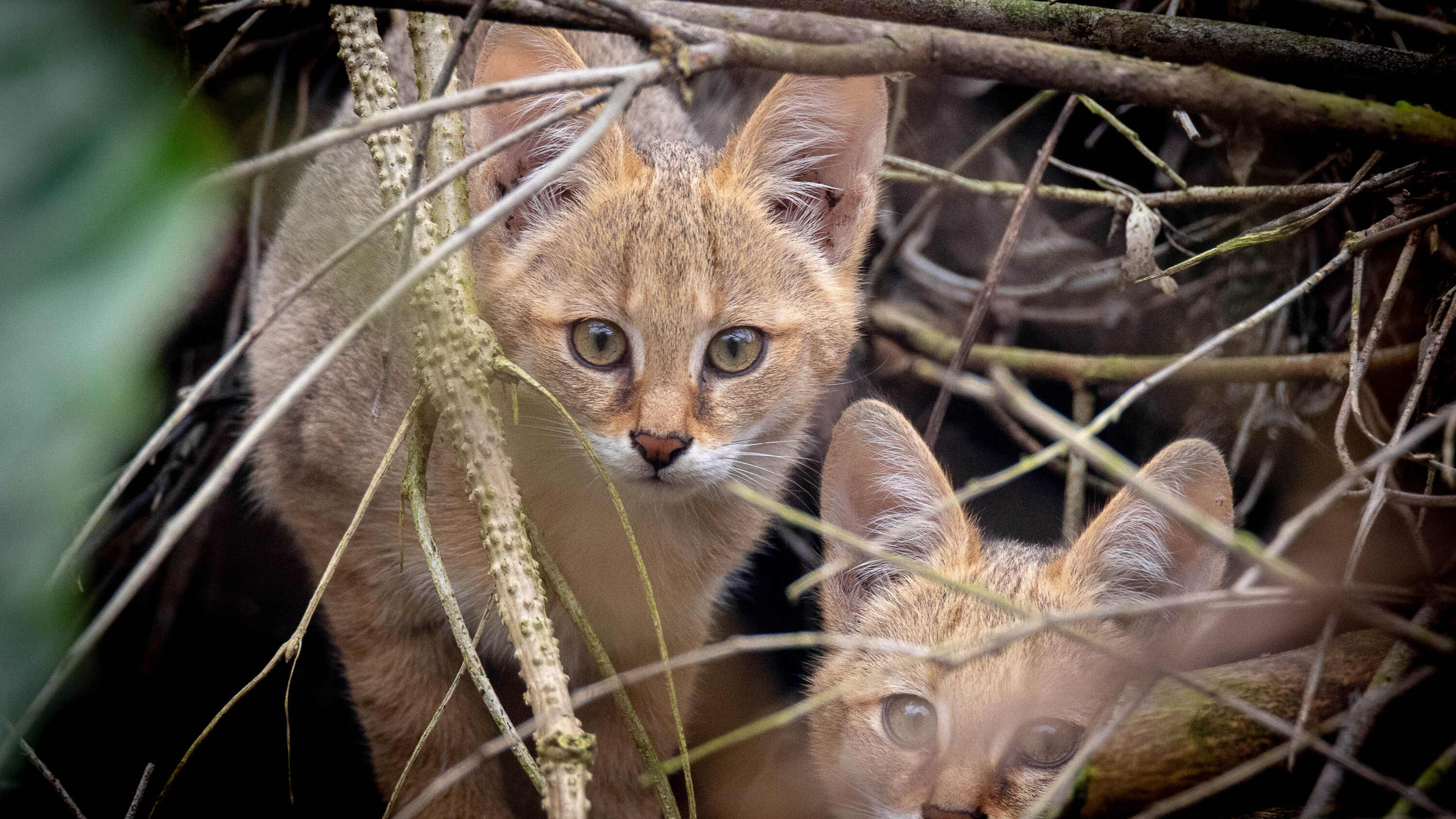
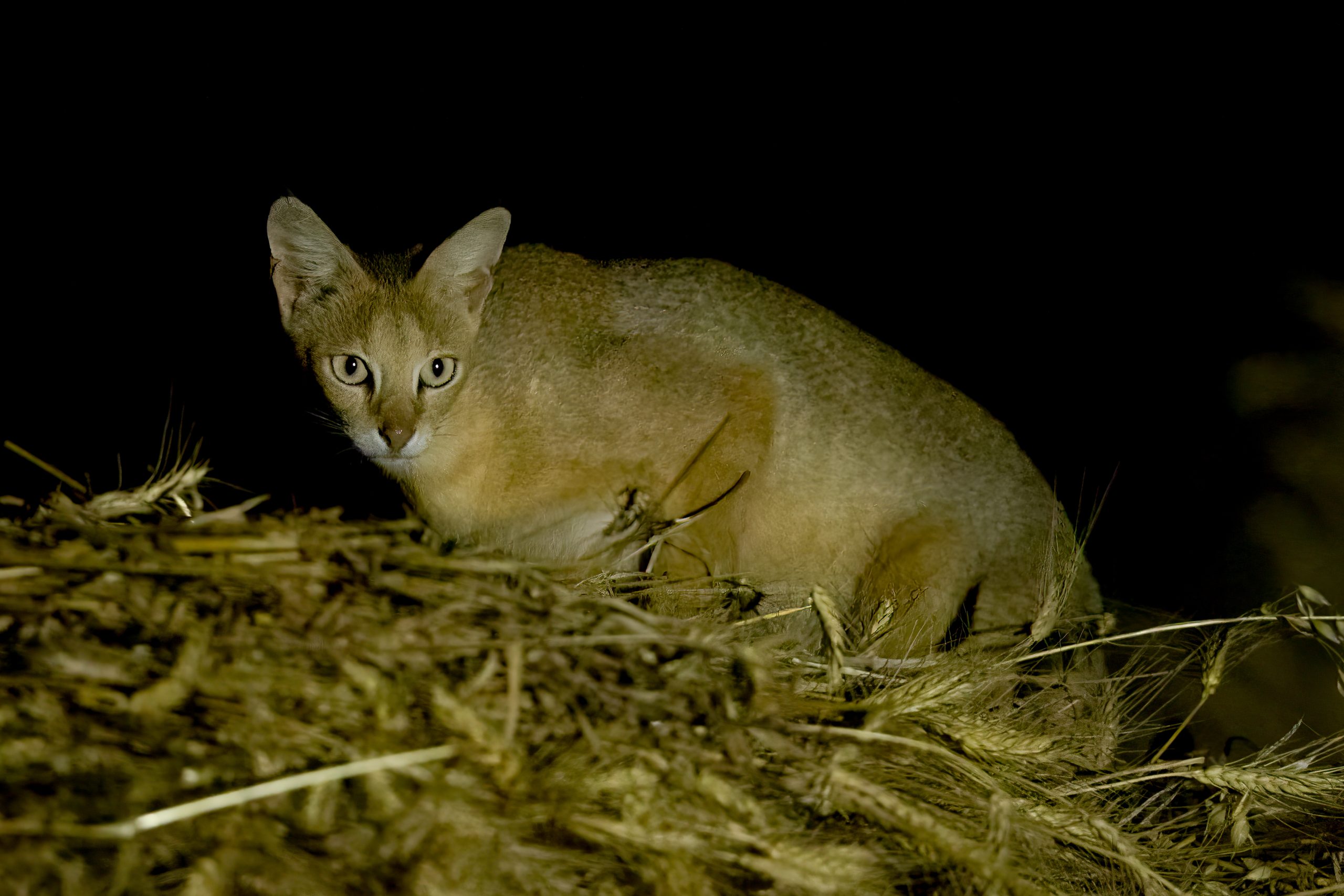
Jungle cats (Felis chaus) and leopard cats (Prionailurus bengalensis) in Bardia National Park, Nepal, were active at very similar times but showed different patterns of habitat use. The study, published on 26 March 2026 in Ecology and Evolution, provides one of the first detailed assessments of the two small cats in and around the park.
The researchers used camera-trap data from Nepal’s 2022 national tiger survey. Bardia National Park and associated forest were divided into 344 grids measuring 2 × 2 km, with cameras operating for a total of 6,307 trap nights. The dataset contained 151 independent detections of jungle cats and 126 of leopard cats. Jungle cats were detected in 49 camera-trap grids and leopard cats in 46.
After accounting for animals that may have been present without being detected, the researchers estimated occupancy at 17% for jungle cats and 19% for leopard cats. The authors note that the relatively low estimates may partly reflect the survey design because the cameras had originally been positioned to maximise detection of tigers rather than small felids.
Jungle cats favoured flatter areas closer to roads
For jungle cats, occurrence was associated with habitat type, terrain ruggedness, tiger activity and distance to roads. Occupancy declined with increasing terrain ruggedness and with increasing distance from roads, while it increased where tiger activity was higher. The authors suggest scavenging on kills made by larger predators as one possible explanation for the positive association with tiger activity.
Leopard cats were more strongly associated with riverine forest and rugged terrain
Leopard cats showed a different pattern. Habitat was the main factor associated with occupancy, with riverine forest showing the strongest positive association, and occupancy also increased with terrain ruggedness. Separately, the probability that a camera detected a leopard cat was higher closer to waterholes. Across the wider landscape, the authors describe jungle cats as more associated with open, riverine and grassland habitats, while leopard cats were more strongly associated with forested and semi-forested areas. They interpret these differences as spatial segregation that may help the two similarly sized predators coexist.
Daily activity overlapped by 90%
Their daily activity, however, was strikingly similar. Both species were mainly nocturnal to crepuscular, with activity rising from late afternoon and peaking at around 20:00. Their estimated daily-activity overlap was about 90%. Just under two-fifths of jungle cat activity and a little over one-third of leopard cat activity occurred during daylight.
The authors conclude that conservation of small cats in Bardia should maintain a mosaic of riverine and sal forests together with functional waterholes. They also recommend monitoring designed specifically for small carnivores and further studies of diet to clarify how jungle cats and leopard cats divide resources while occupying the same landscape.
Ecology
Related news
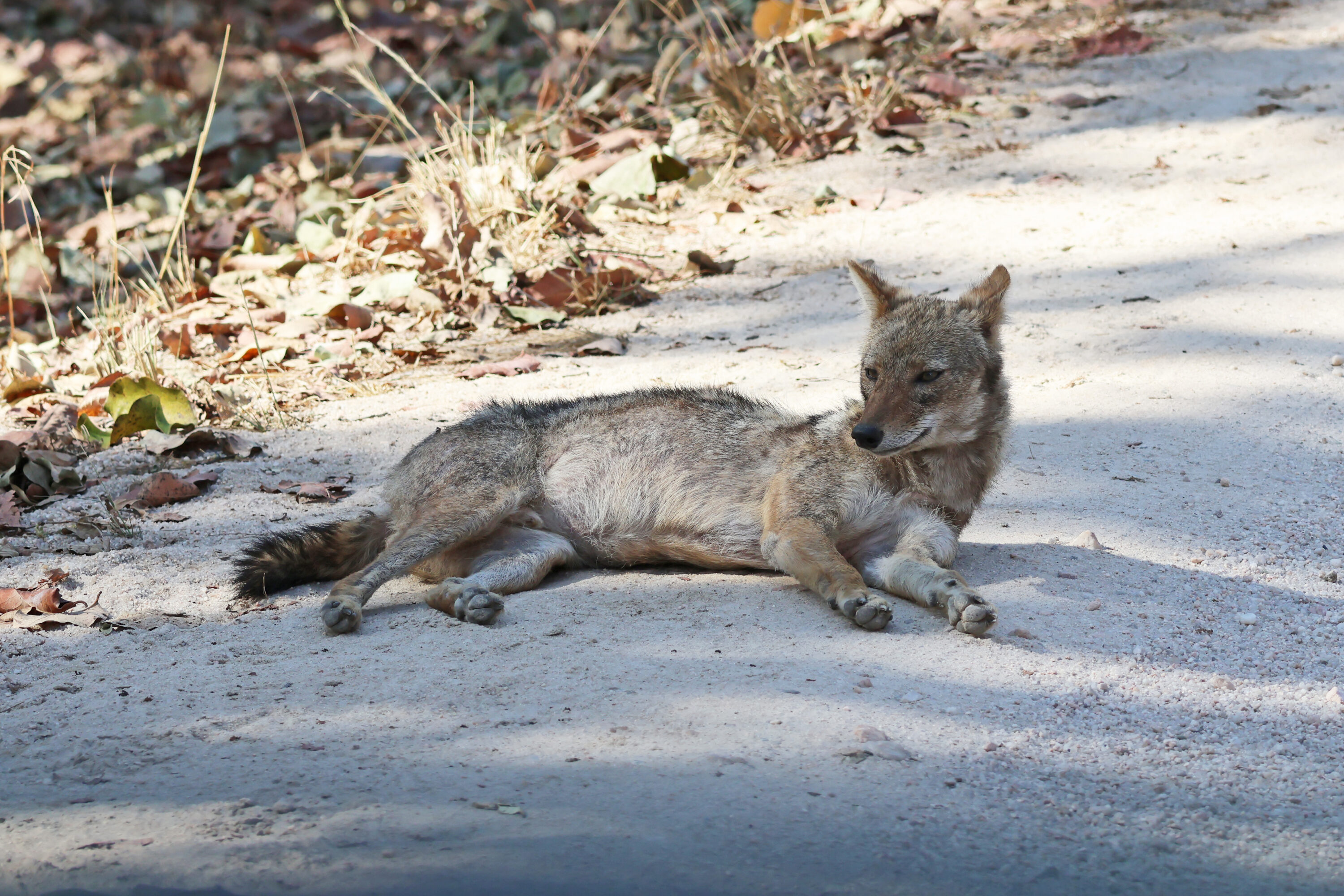
Golden Jackal Diet Was Dominated by Livestock Carrion, While Jungle Cats Focused on Small Mammals
Scat analysis in Madhya Pradesh found livestock carrion contributed about 80% of estimated prey biomass in golden jackals,…
Read story →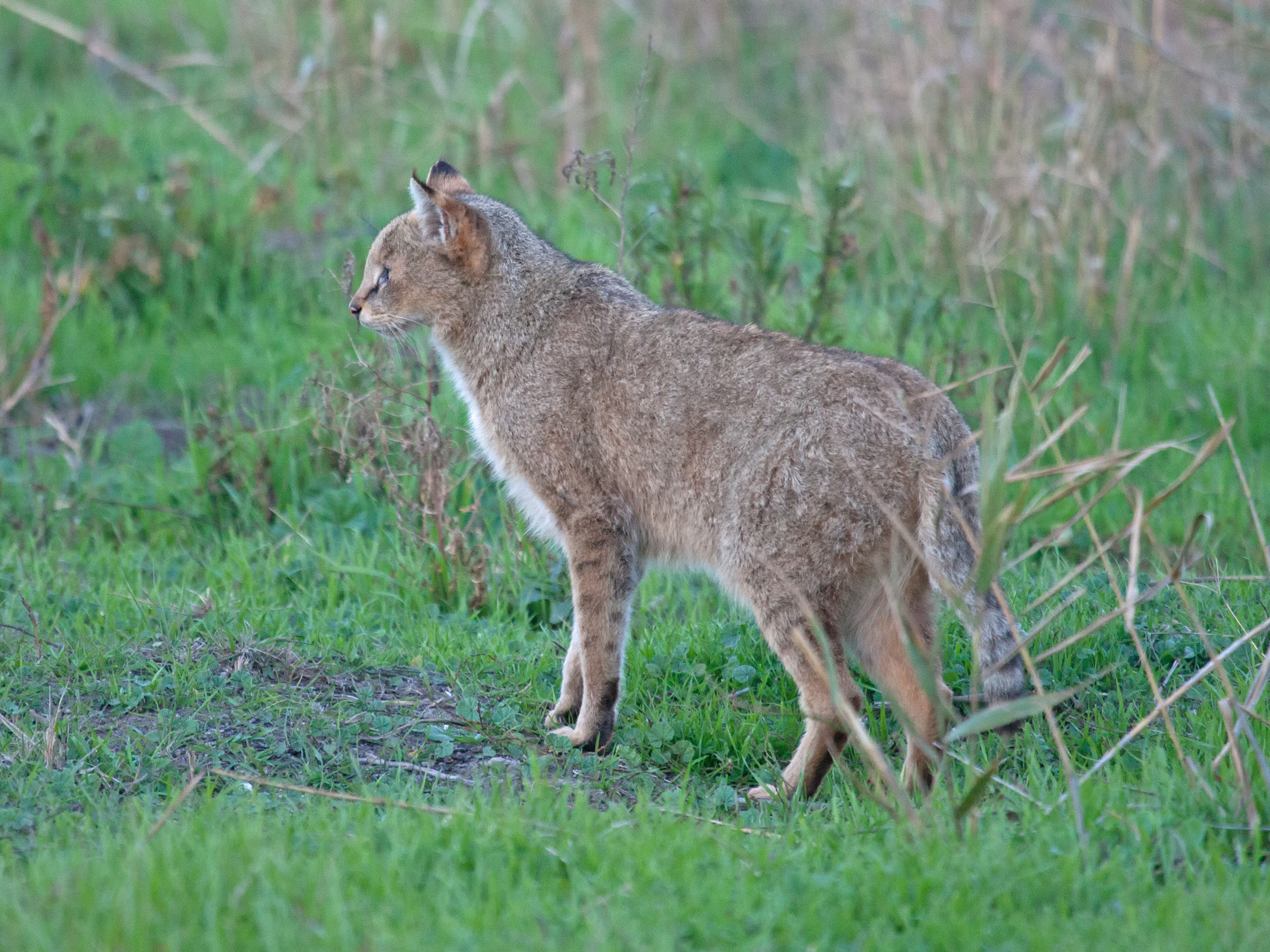
Only 1.5% of Modelled High Collision-risk Area for Jungle Cats in Northern Iran Overlapped Protected Areas
A MaxEnt model built from 30 confirmed jungle-cat road mortalities classified 13,878 km² of northern Iran as high…
Read story →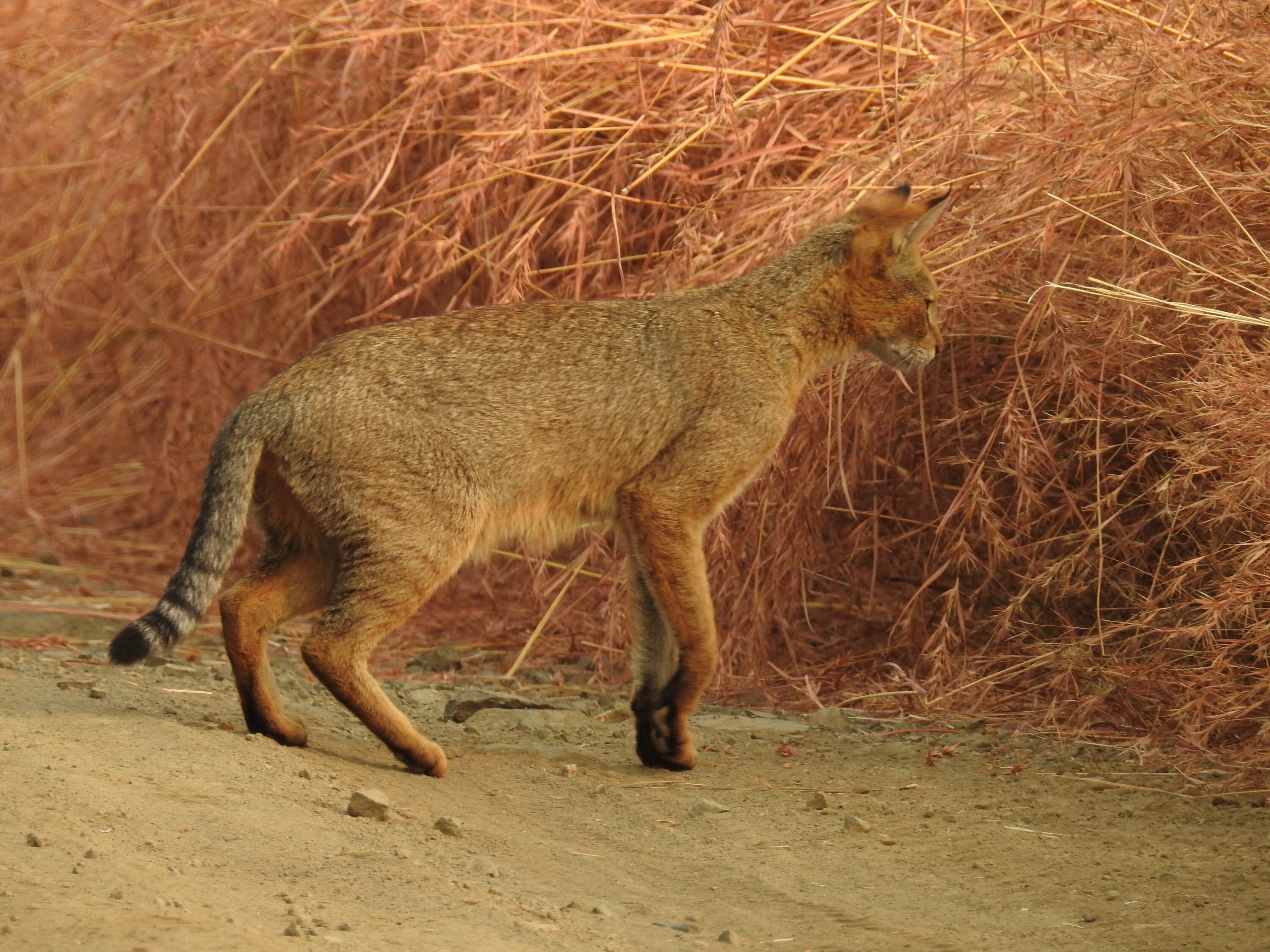
Endogenous Feline Leukemia Virus Entered the Jungle Cat Genome Hundreds of Thousands of Years Ago
A 2026 genomic study dated integration of endogenous feline leukemia virus in the jungle cat lineage to roughly…
Read story →SPECIES IN THIS STORY
Species in this story
Independent research and conservation news archive
Did you find this information useful?
Wildlife Vagabond is independently built and maintained. Voluntary support helps cover source verification, hosting and continued work on research and conservation news.
Support Wildlife VagabondThe news archive will remain freely available.