
Golden Jackal Diet Was Dominated by Livestock Carrion, While Jungle Cats Focused on Small Mammals
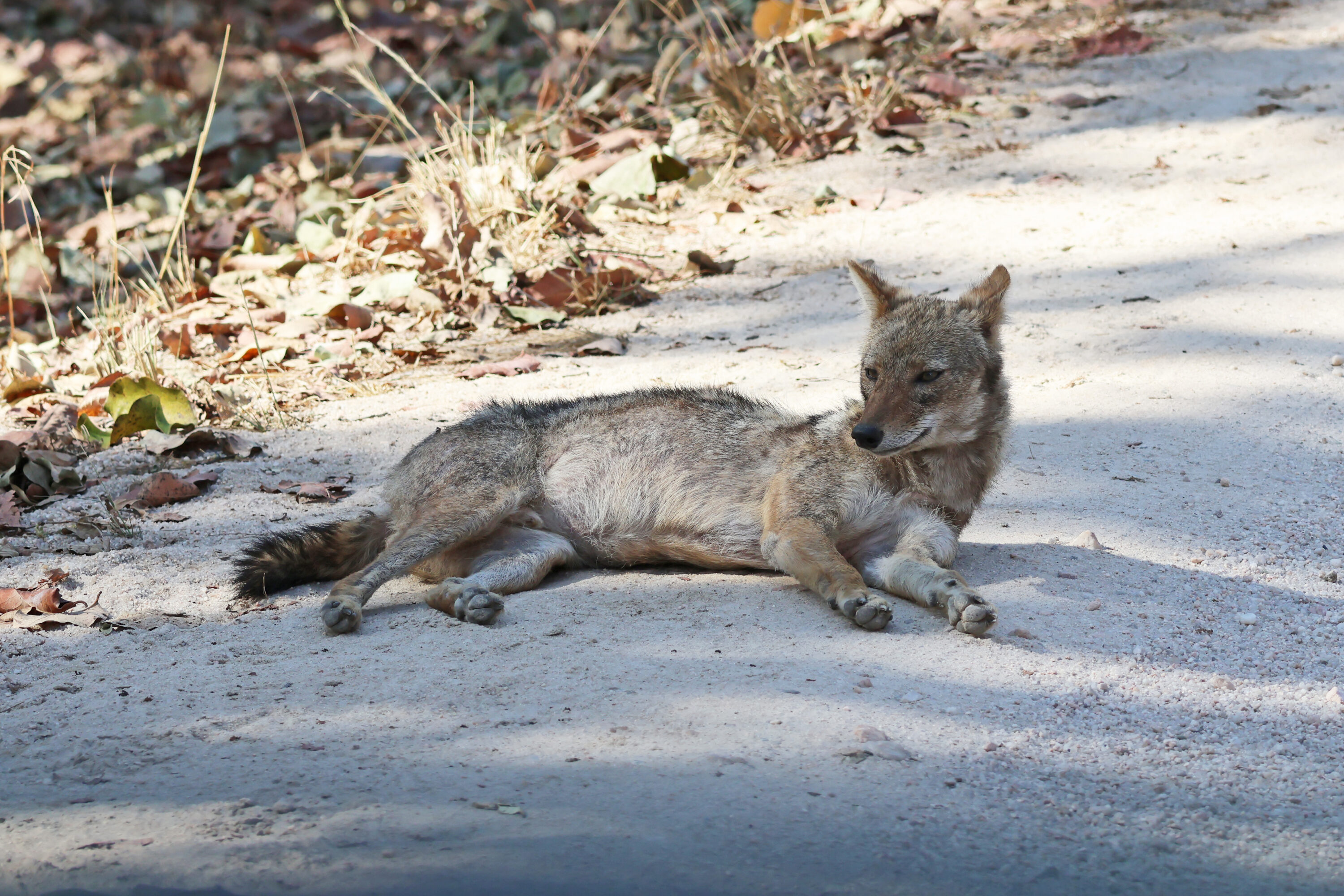
A study published on 15 June 2026 found clear dietary differences between golden jackals (Canis aureus) and jungle cats (Felis chaus) in the human-dominated Kuno–Chambal ravine landscape of Madhya Pradesh, India. Researchers analysed 117 scat samples collected during similar seasonal periods in 2024 and 2025: 96 from golden jackals and 21 from jungle cats. The scats were examined microscopically for remains such as hairs and plant material.
Occurrence and biomass describe different parts of the diet
The researchers used two complementary measures. Frequency of occurrence describes how often a food item appeared in the scats. Because one scat can contain several food items, occurrence percentages across items do not have to add up to 100%. Estimated relative biomass instead uses correction equations to approximate how much of the consumed prey biomass each item represented. Because different correction equations were used for the two predators, the authors caution that absolute biomass estimates are not strictly comparable between golden jackals and jungle cats. The values are most useful for ranking foods within each species and for comparing the broader dietary strategies.
Livestock carrion dominated jackal biomass
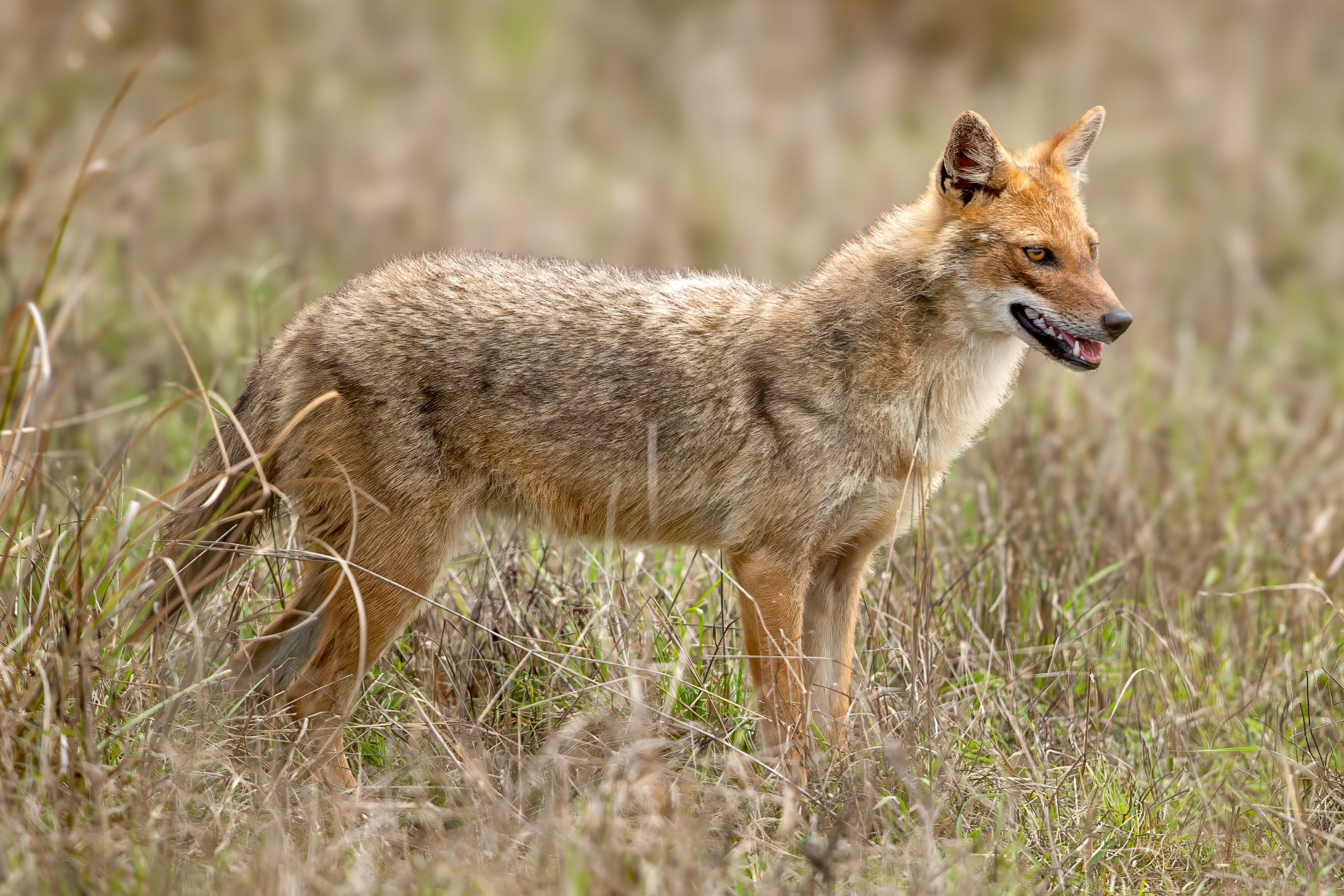
Golden jackals relied heavily on livestock carrion. When livestock items were combined as a dietary category, their cumulative occurrence exceeded 90%, and they contributed about 80% of the estimated prey biomass. The detailed results show why frequency and biomass should not be confused: plant matter was the most frequent single food category, occurring in 63.5% of jackal scats, while cattle and buffalo each occurred in 45.8%, sheep in 39.6% and goats in 17.7%. The authors link the high biomass contribution from livestock to open carcass disposal in the agro-pastoral landscape, which provides a predictable food subsidy for scavengers.
Jungle cats concentrated on the small-mammal size class
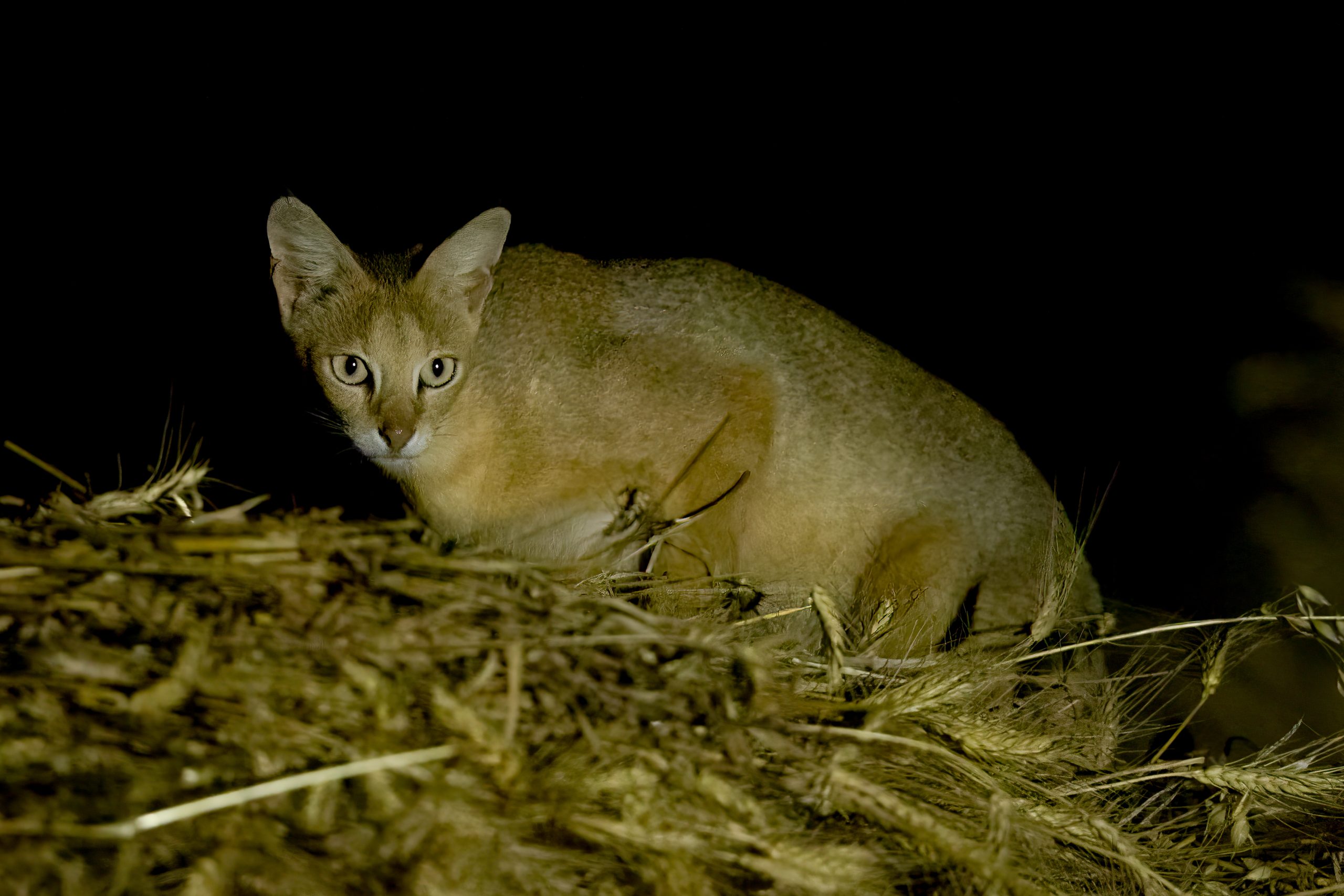
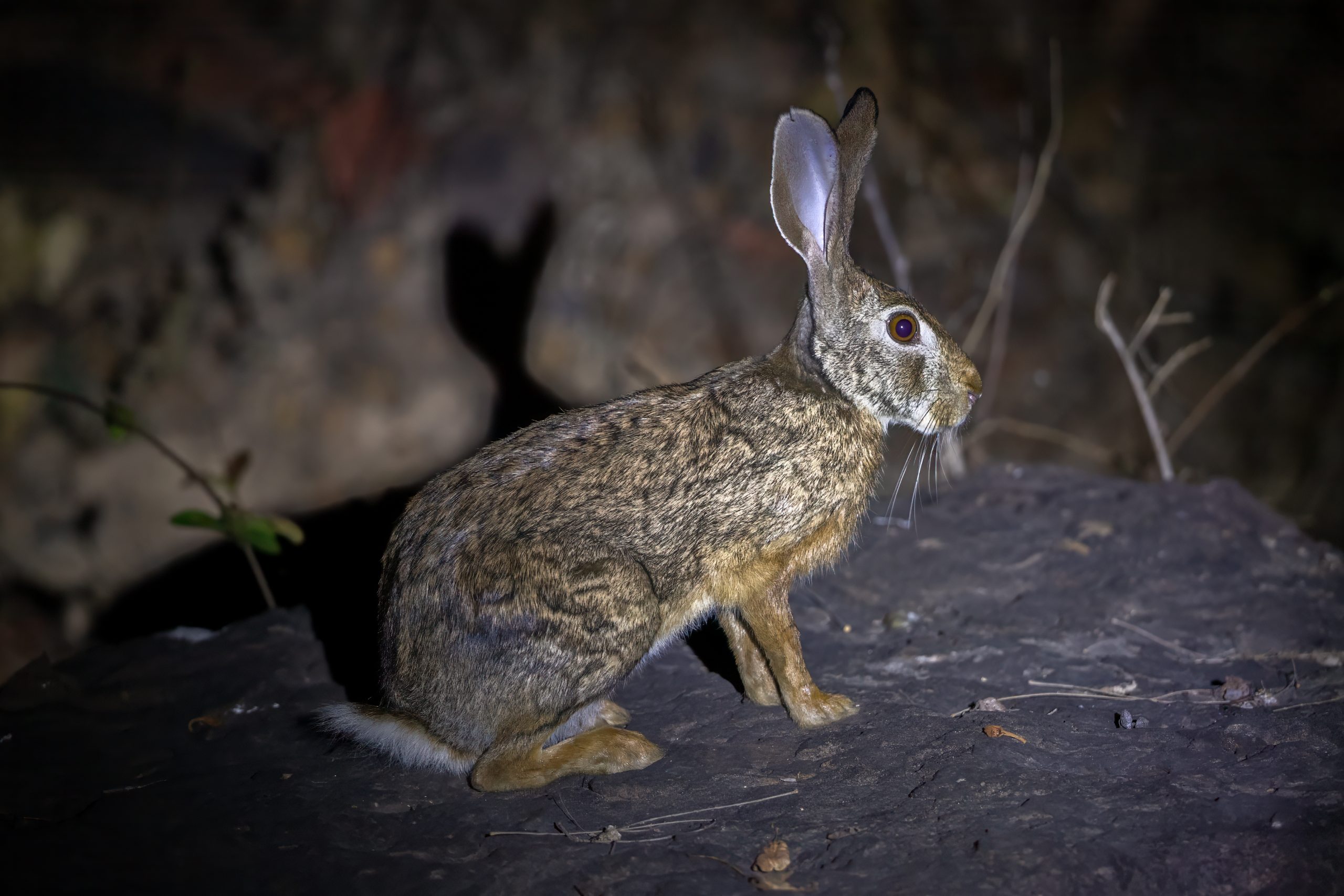
Jungle cats showed a contrasting diet. Rodents occurred in about 95% of their scats and contributed 48.5% of estimated prey biomass. Indian hare (Lepus nigricollis) contributed another 28.9%, so these small mammals together accounted for about 77% of the estimated biomass within the jungle-cat diet. The cat was therefore a prey-size specialist: it concentrated strongly on small mammals while still using many different species within that size class.
This distinction helps explain a seemingly counterintuitive result. Standardised niche breadth — a 0–1 measure in which higher values indicate resource use spread more broadly or evenly across categories — was higher in jungle cats (0.60) than in golden jackals (0.37). The jackal was more opportunistic in the types of food it could use, but its diet was uneven because a few high-biomass resources, especially livestock carrion, dominated. The jungle cat used a narrower prey-size class but spread its feeding more evenly across several small-mammal species.
Dietary overlap between the two carnivores was moderate, with a Pianka index of 0.45. The index runs from 0 for no shared resource use to 1 for identical use. A null-model test showed that the observed overlap was not greater than expected by chance, supporting dietary partitioning rather than unusually strong sharing of the same foods.
The study did not measure prey abundance directly, compare seasons, or test spatial and temporal segregation between the species. The authors therefore caution that the data describe dietary use but cannot by themselves establish active prey selection or all mechanisms that allow the two mesocarnivores to coexist.
Ecology
Related news
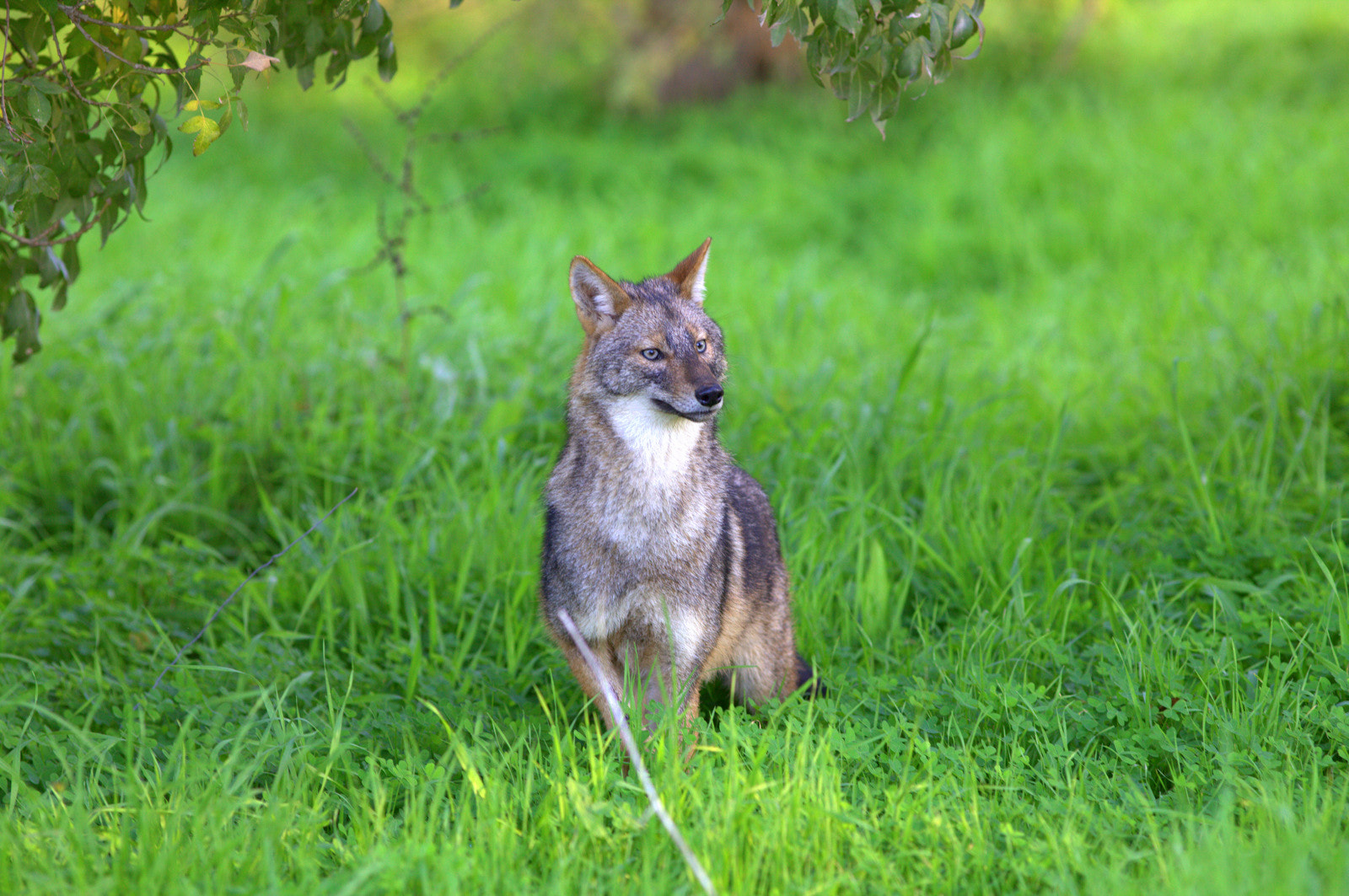
Similar Mammal Diversity, Different Activity Patterns in Grazed and Ungrazed Areas
Camera traps in four northern Israeli reserves found similar numbers of mammal species with and without livestock grazing.…
Read story →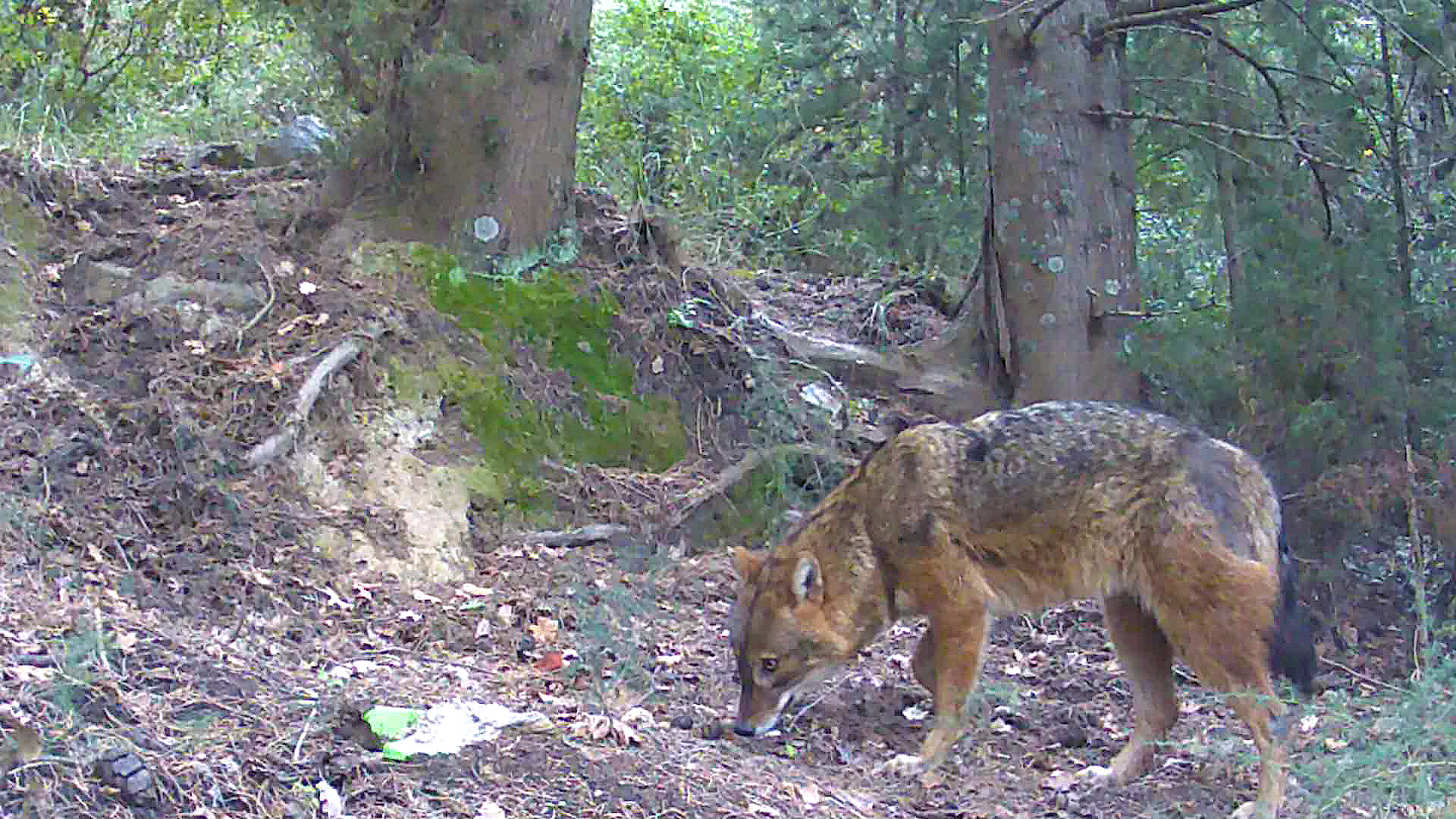
Climate Best Explained Fine-Scale Genetic Connectivity in Expanding Golden Jackals
A Eurasian landscape-genomics study of 363 golden jackals found that geography dominated genetic structure at continental scale, while…
Read story →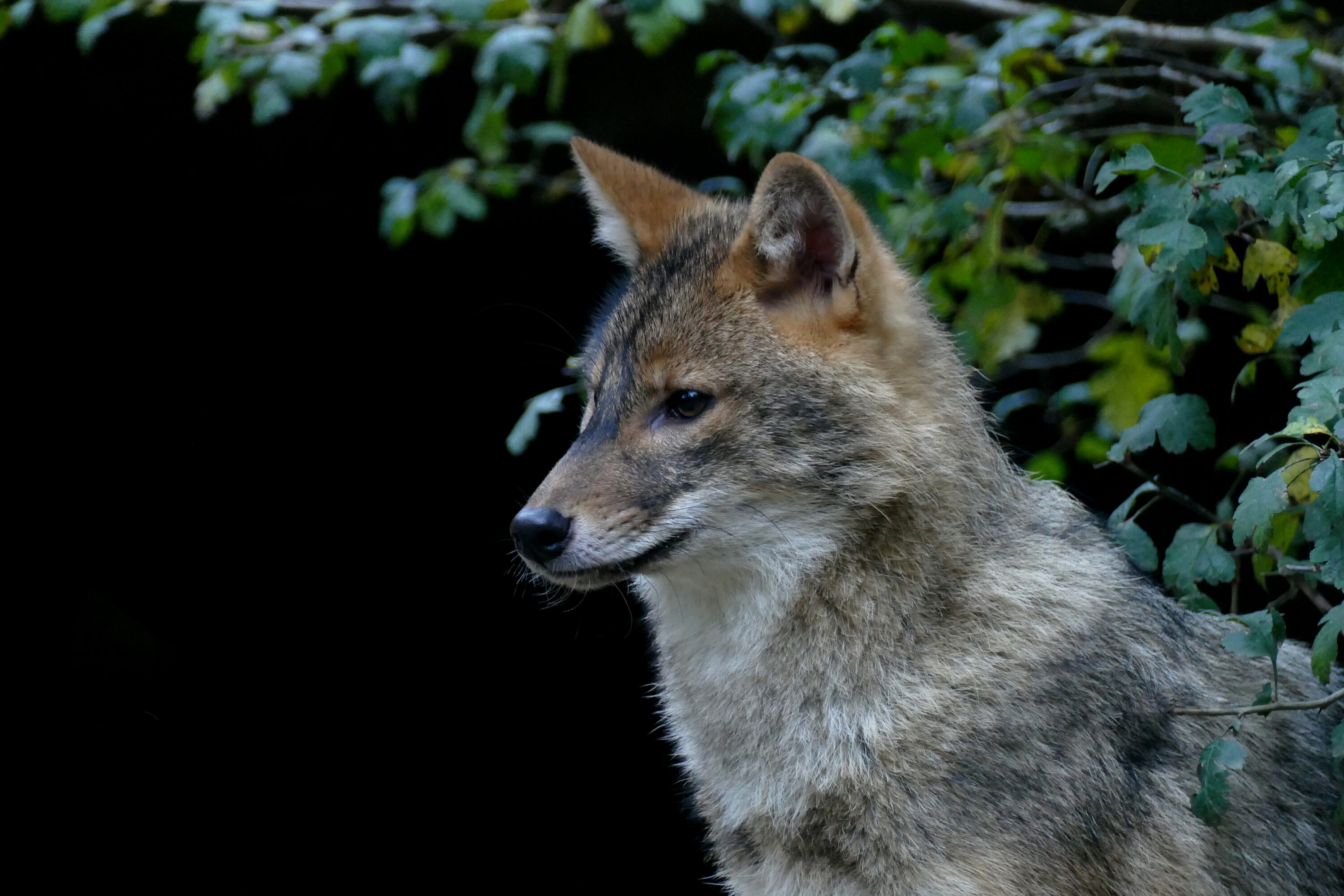
Most New Golden Jackal Samples Around the Adriatic Matched the Pannonian Genetic Cluster
Microsatellite analysis of 27 new golden jackal samples from Croatia, Italy, Austria and Greece assigned most animals to…
Read story →SPECIES IN THIS STORY
Species in this story
Independent research and conservation news archive
Did you find this information useful?
Wildlife Vagabond is independently built and maintained. Voluntary support helps cover source verification, hosting and continued work on research and conservation news.
Support Wildlife VagabondThe news archive will remain freely available.