
Libyan Society for Birds Calls for Early Action as Common Mynas Spread
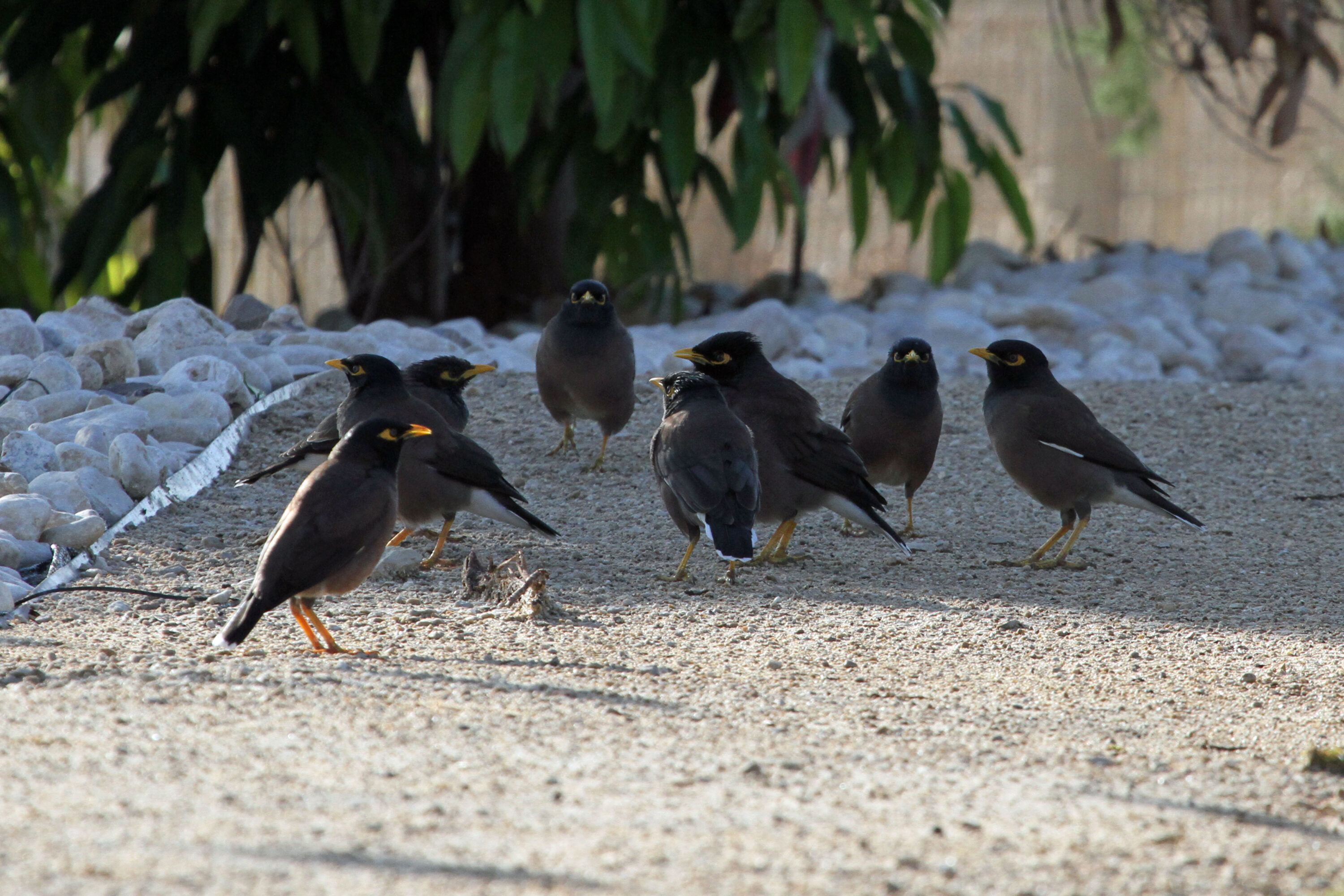
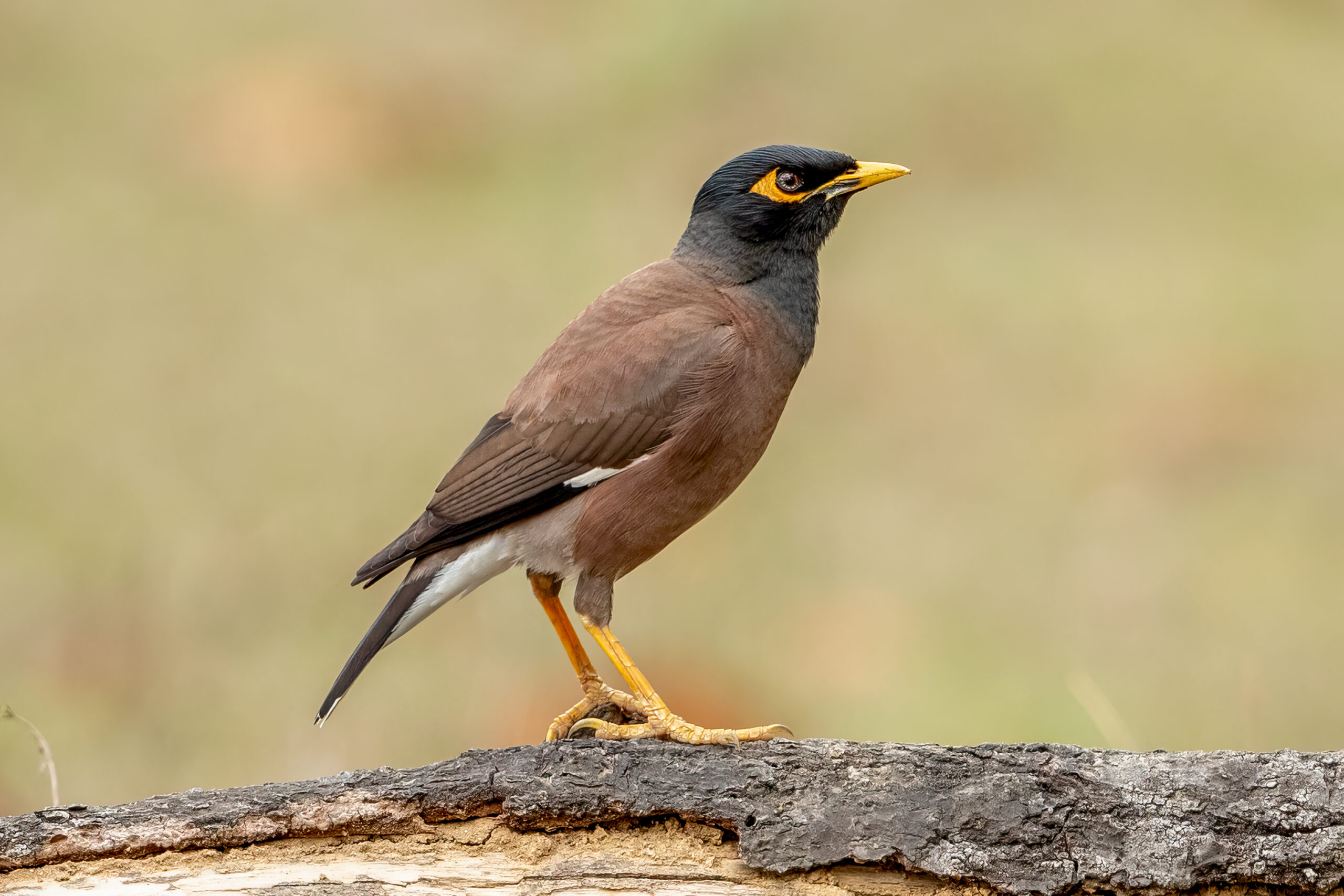
The Libyan Society for Birds has called for an early national response to the spread of common myna (Acridotheres tristis) after breeding was confirmed in widely separated parts of Libya. Its statement, published on 18 June 2026, argues that monitoring and prevention should be strengthened before the introduced species becomes harder to manage.
Breeding has been confirmed in eastern and western Libya
The call is based on a short but rapidly developing scientific record. The first published report documented a pair in Ain Zara, Tripoli, on 19 June 2024; local residents also told the researchers that several birds sometimes gathered at a nearby rubbish site. A second paper, published online in November 2025, documented nests, breeding pairs and juveniles in Musaid, Tobruk and Benghazi in the east and Tripoli in the west. Those records showed that at least some common mynas were reproducing in the wild rather than appearing only as isolated escaped birds.
The 2026 statement calls for early national management
The June 2026 statement is therefore a management response to existing evidence, not a new national field survey. The Libyan Society for Birds recommends stronger monitoring across cities, systematic documentation of new distribution and breeding records, greater public awareness of invasive-species impacts, tighter regulation of trade and keeping of non-native species, prevention of releases, and a national plan for early management and control.
Birdwatchers and researchers are also encouraged to report sightings with location, date and photographs. The society proposes using such records to build a national picture of the species’ spread and to assess possible effects on native birds.
Population size and local impacts remain unknown
Important uncertainties remain. The available studies do not provide a national population estimate, and the rate of spread between eastern and western Libya has not been measured. The origin of the Libyan birds is also unresolved. The first-record paper considered escape or release from the pet trade a plausible route, but this has not been demonstrated for all populations.
The society points to competition for food and nest sites, occupation of nest cavities and reduced breeding success of some native birds as impacts reported from other countries. These effects have not yet been measured in Libya, so local monitoring is needed before similar impacts can be attributed to the expanding population there.
The central argument of the 2026 appeal is that confirmed breeding changes the management problem. Libya now has evidence of a reproducing introduced population in several regions, but still lacks the national distribution and population data needed to judge its full extent. The society is therefore calling for surveillance, prevention of further releases and a coordinated management plan while the invasion may still be at an early enough stage for those measures to influence its course.
Management
Related news

Rail Staff Say Two Common Mynas Regularly Ride Sydney Trains
Two common mynas were filmed sitting calmly inside a Sydney train, while a guard said staff know them…
Read story →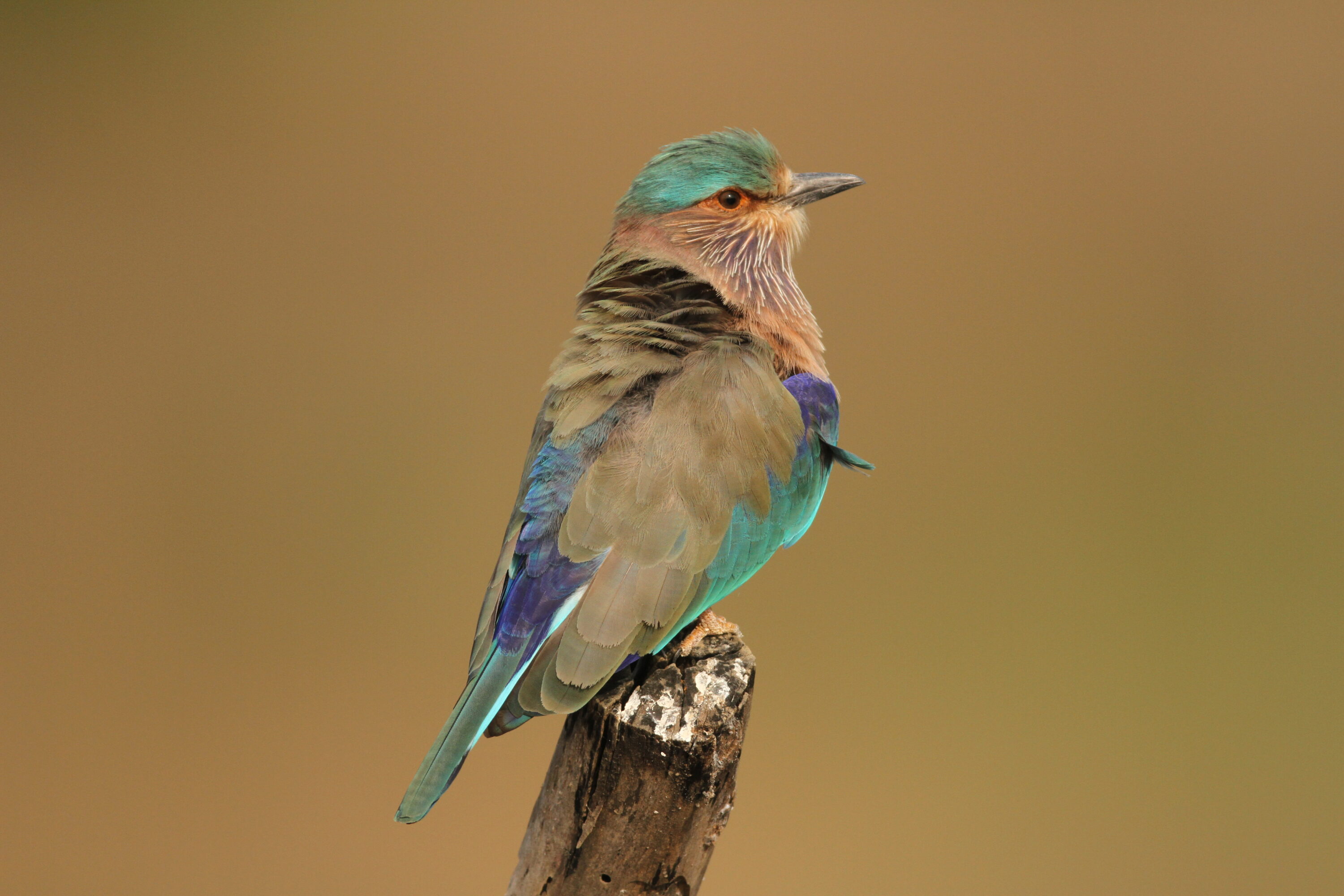
Six Cavity-Nesting Bird Species Bred Successfully in Artificial Nests in Punjab
Punjab Agricultural University reported successful breeding in artificial nests by six cavity-nesting species, including Indian roller, spotted owlet…
Read story →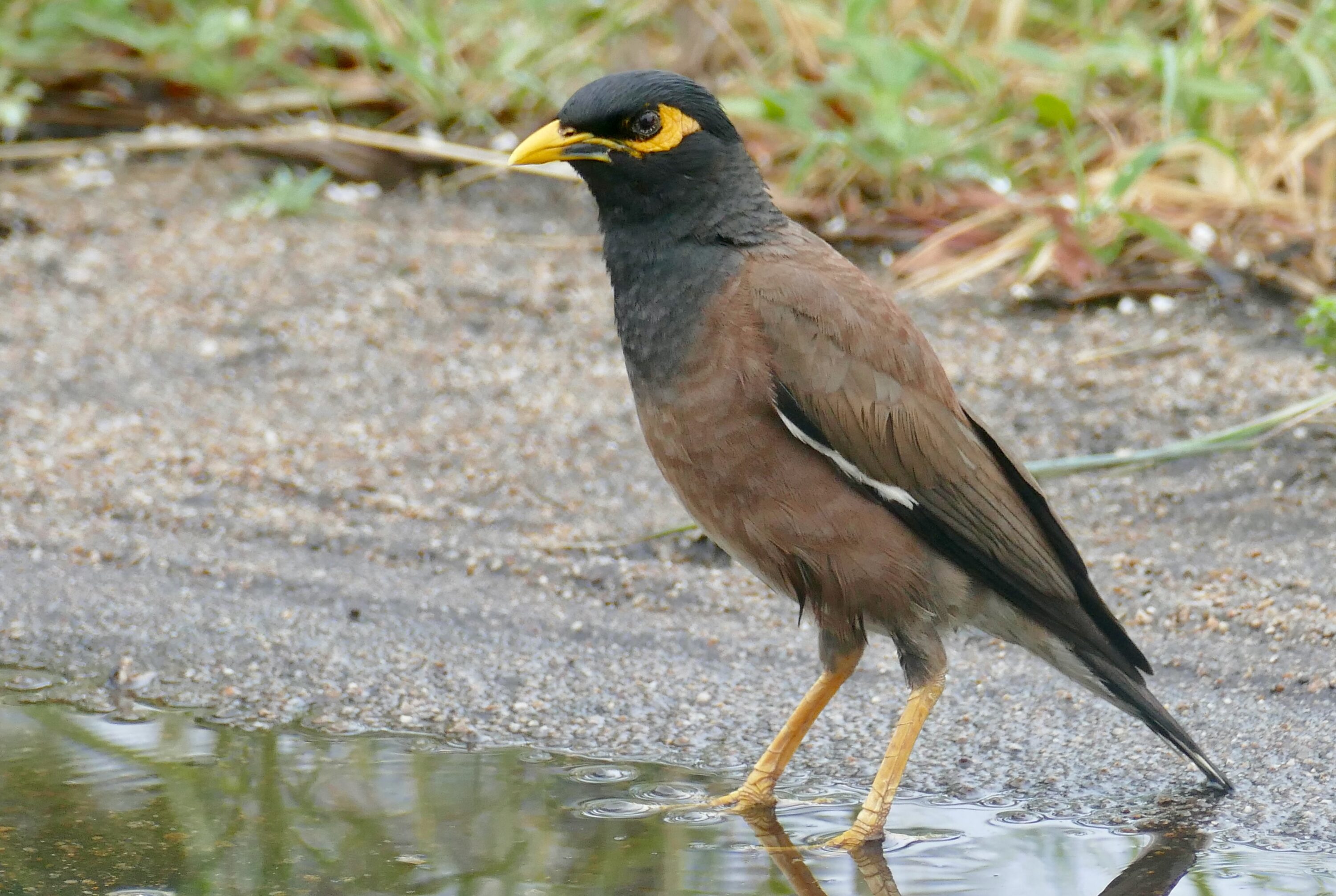
Qatar Captured 12,844 Invasive Common Mynas From January to July
Qatar reported 12,844 common mynas captured from January through July 2026, bringing the project total to 61,999. Control…
Read story →SPECIES IN THIS STORY
Species in this story
Independent research and conservation news archive
Did you find this information useful?
Wildlife Vagabond is independently built and maintained. Voluntary support helps cover source verification, hosting and continued work on research and conservation news.
Support Wildlife VagabondThe news archive will remain freely available.