
A Modelled Belt of Suitable Tiger Habitat Stretched Between Ratapani, Singhori and Kheoni
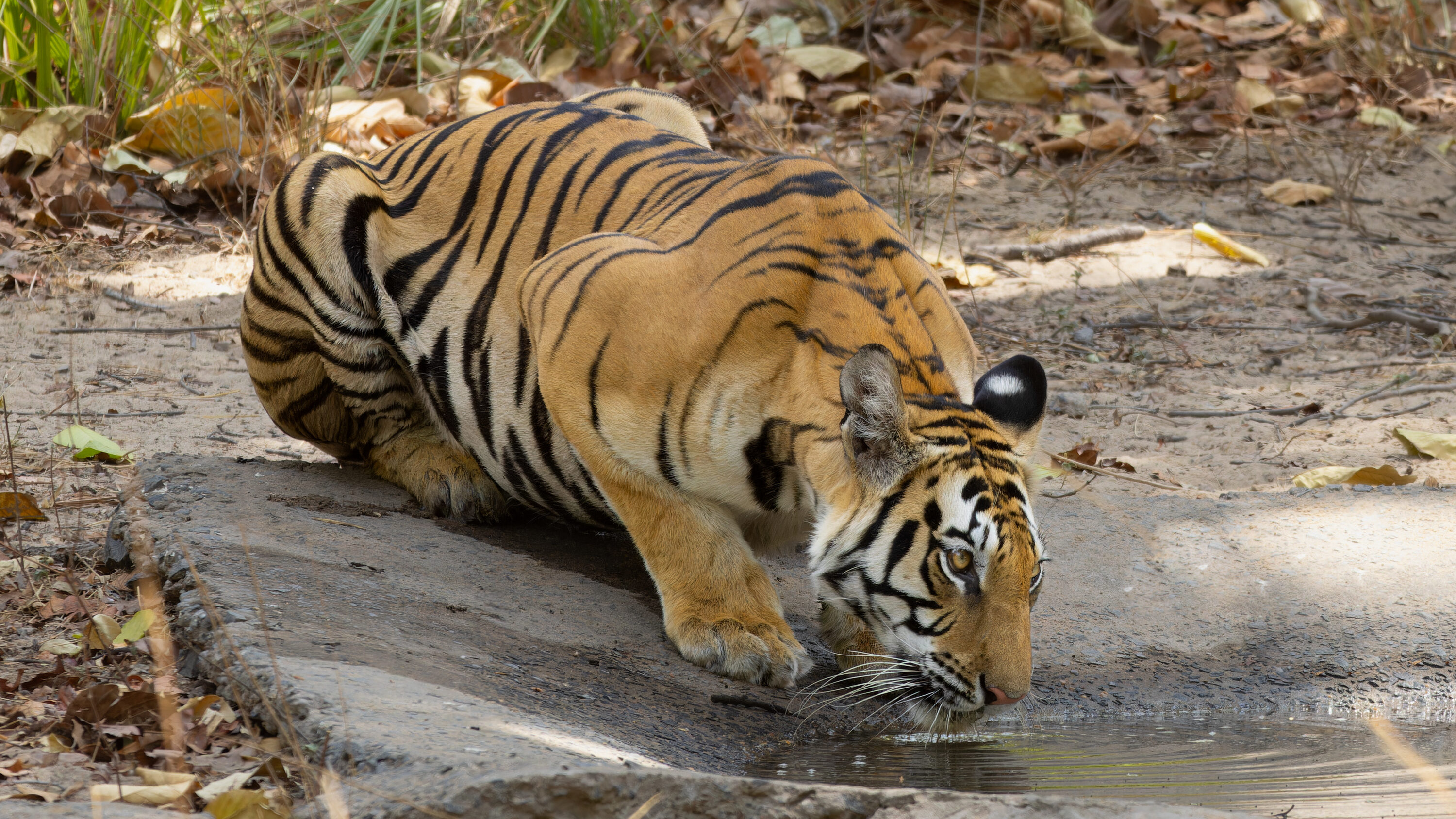
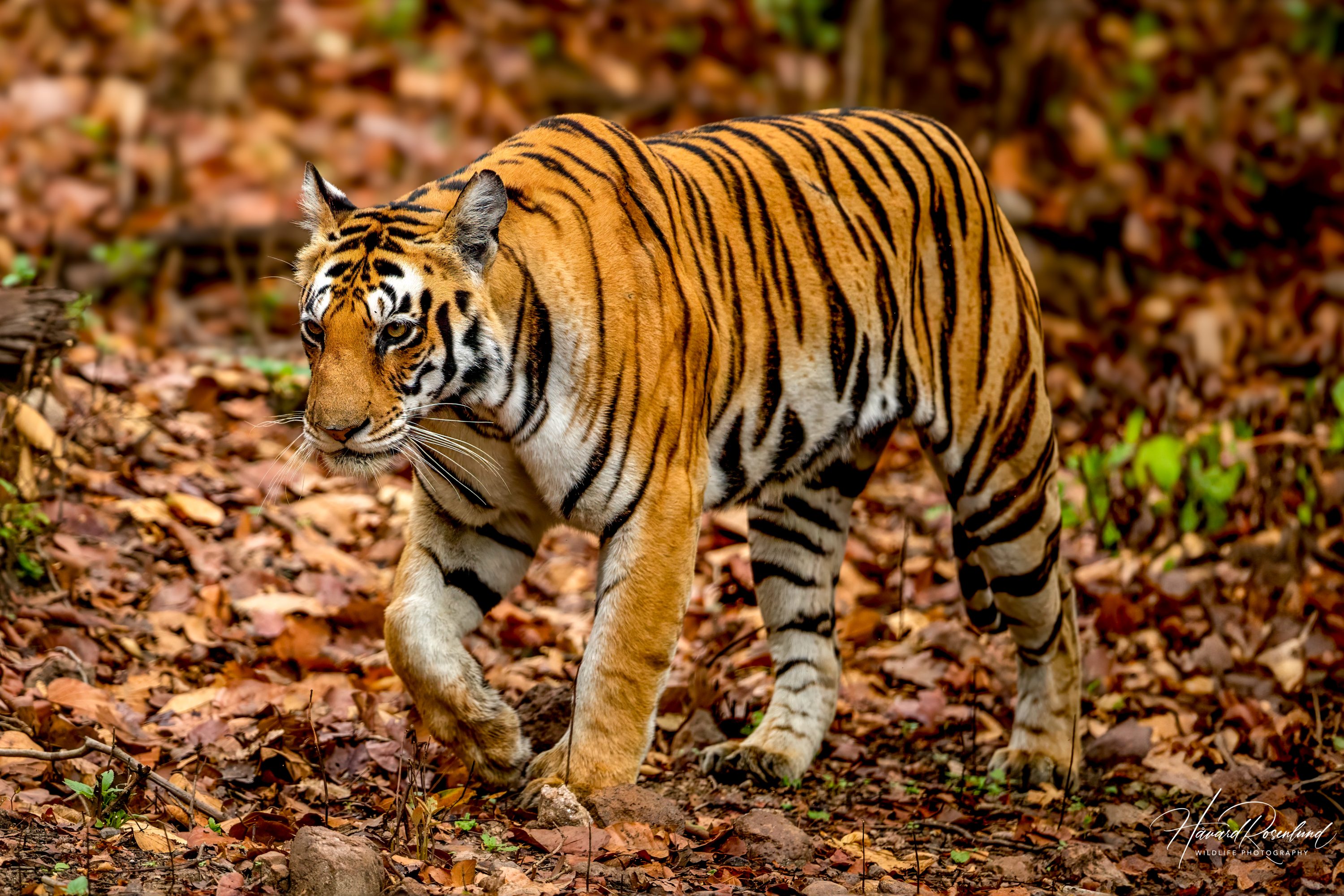
A modelled belt of suitable Bengal tiger (Panthera tigris tigris) habitat stretched between Ratapani Tiger Reserve, Singhori Wildlife Sanctuary and Kheoni Wildlife Sanctuary in Madhya Pradesh, India. Areas with high and medium suitability formed a largely continuous pattern through the forested landscape, while agriculture, quarrying, settlements and fragmented forest were generally less suitable. The ensemble model identified about 2,006 km² as suitable tiger habitat across the study landscape.
The researchers based the analysis on tiger signs recorded during intensive field surveys in 2018–2019. They combined these records with spatial data on vegetation, terrain, climate, water, prey and human disturbance, then compared five habitat-modelling approaches and combined their predictions.
Prey availability, permanent water and human disturbance were among the strongest influences on the modelled pattern. Habitat suitability for sambar deer and nilgai was especially important among the prey-related variables. Areas closer to reliable water tended to be more suitable, while higher human population and village density were repeatedly linked to lower suitability.
High-suitability areas were concentrated in forest interiors. Medium-suitability forest patches occurred between and around the larger blocks, and the authors interpret these as potential stepping stones that could help maintain permeability across the human-modified landscape.
The study maps habitat suitability rather than directly tracking tiger movements. The inferred links should therefore be read as places where landscape conditions may support movement, not as proof that every modelled connection is currently used as a corridor.
Based on the spatial pattern, the authors argue that conservation planning should treat Ratapani, Singhori and Kheoni as parts of a wider tiger landscape. They highlight maintaining forest connections, restoring degraded patches and reducing disturbance where agriculture, quarrying, settlements or infrastructure break up the forest matrix.
Habitat protection
Related news
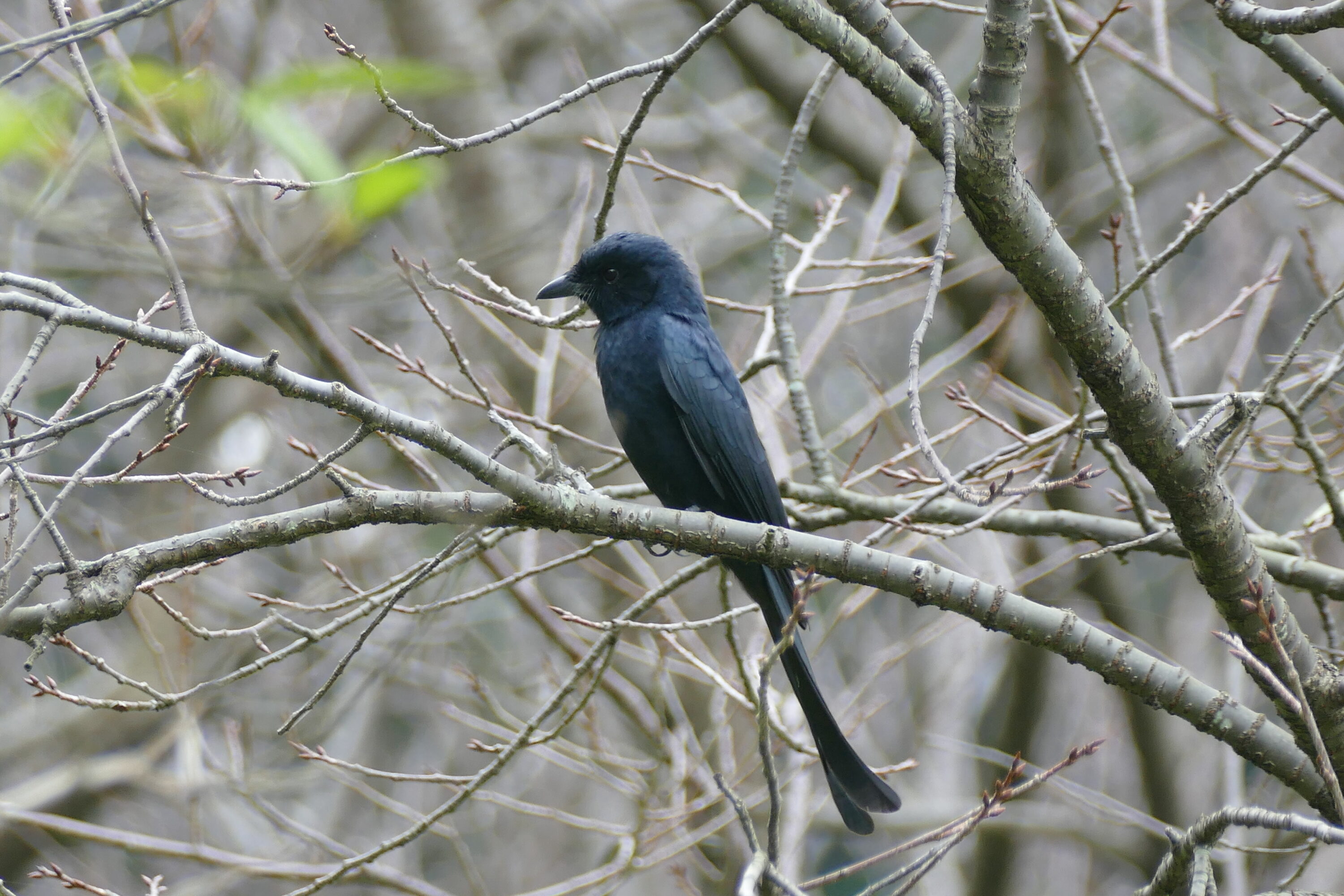
114,357 ha of Taiwan Farmland Was Modelled as Suitable for Four Bird Species
Suitable habitat for black drongo, common moorhen, zitting cisticola and scaly-breasted munia overlapped across 114,357 hectares of Taiwan…
Read story →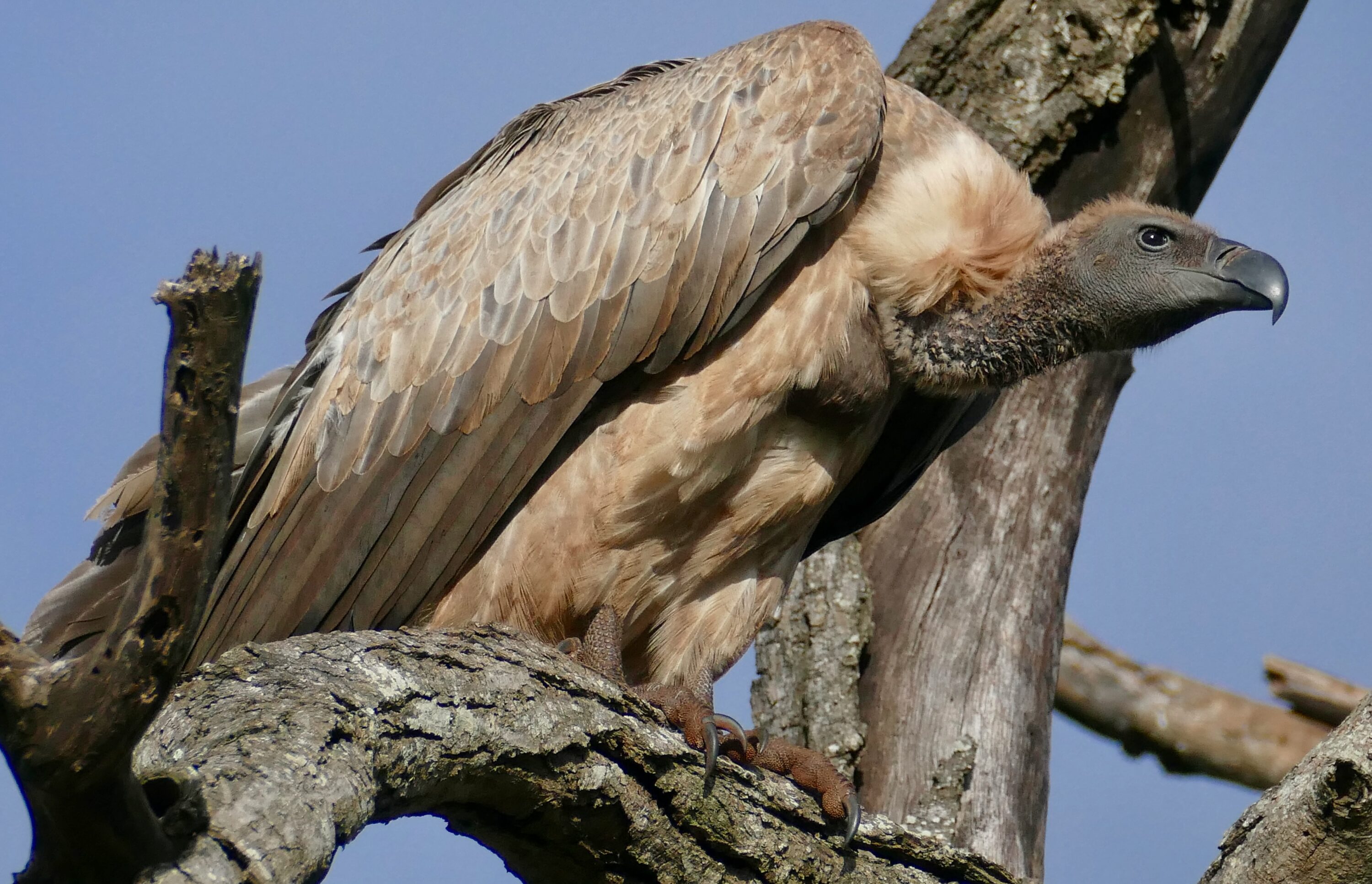
Two new studies sharpen the conservation map for white-backed vultures in Ethiopia
New surveys and habitat modelling from southwest Ethiopia identify important breeding, roosting and foraging areas for the critically…
Read story →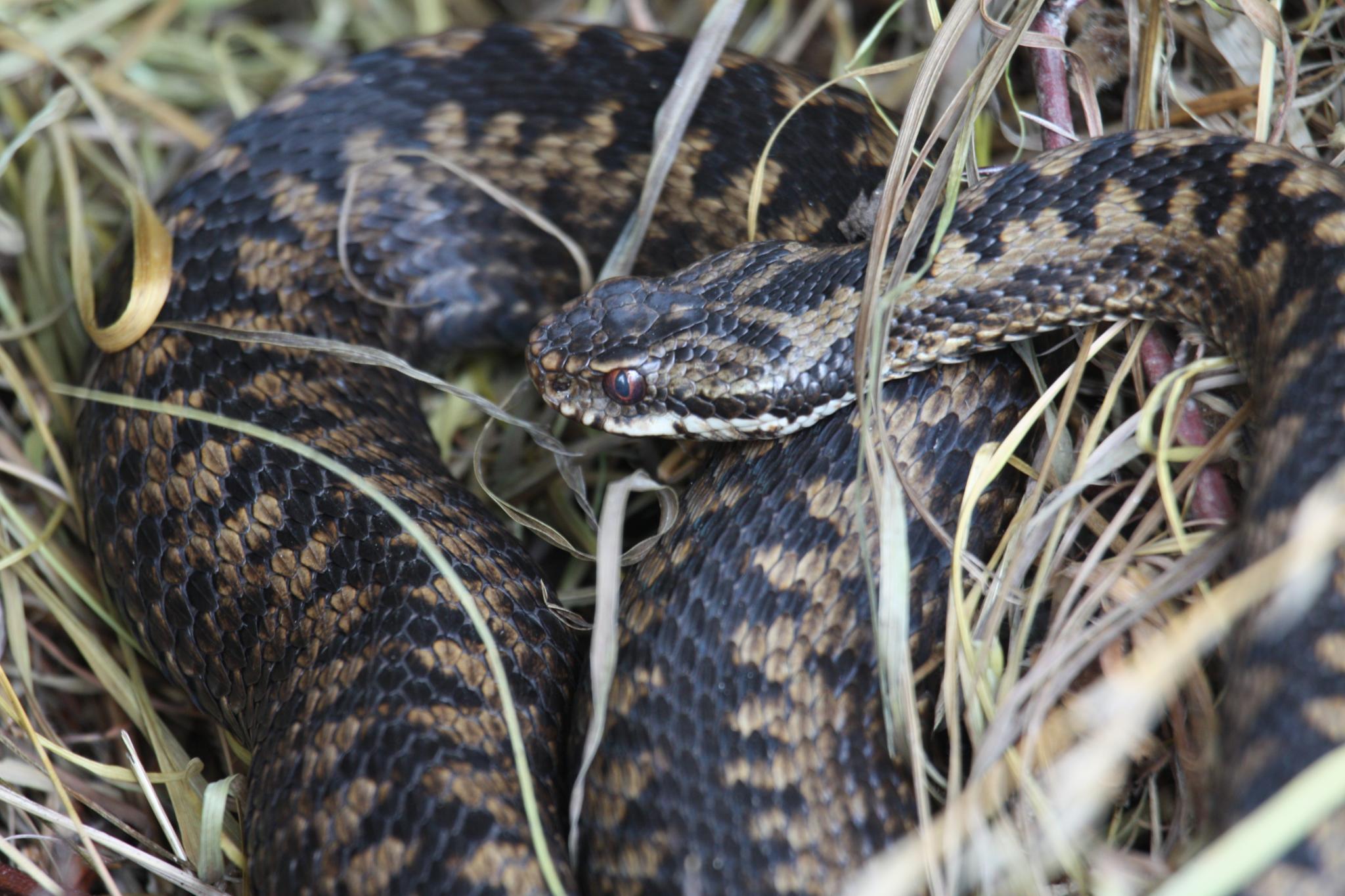
Cornwall Project Will Examine How Roads, Rivers and Habitat Fragmentation Affect Adders
A new Cornwall project will investigate how roads, rivers and fragmented habitats affect adder populations and their movement…
Read story →SPECIES IN THIS STORY
Species in this story
Independent research and conservation news archive
Did you find this information useful?
Wildlife Vagabond is independently built and maintained. Voluntary support helps cover source verification, hosting and continued work on research and conservation news.
Support Wildlife VagabondThe news archive will remain freely available.