
Tropical House Gecko May Already Be Displacing a Native Gecko on Curaçao
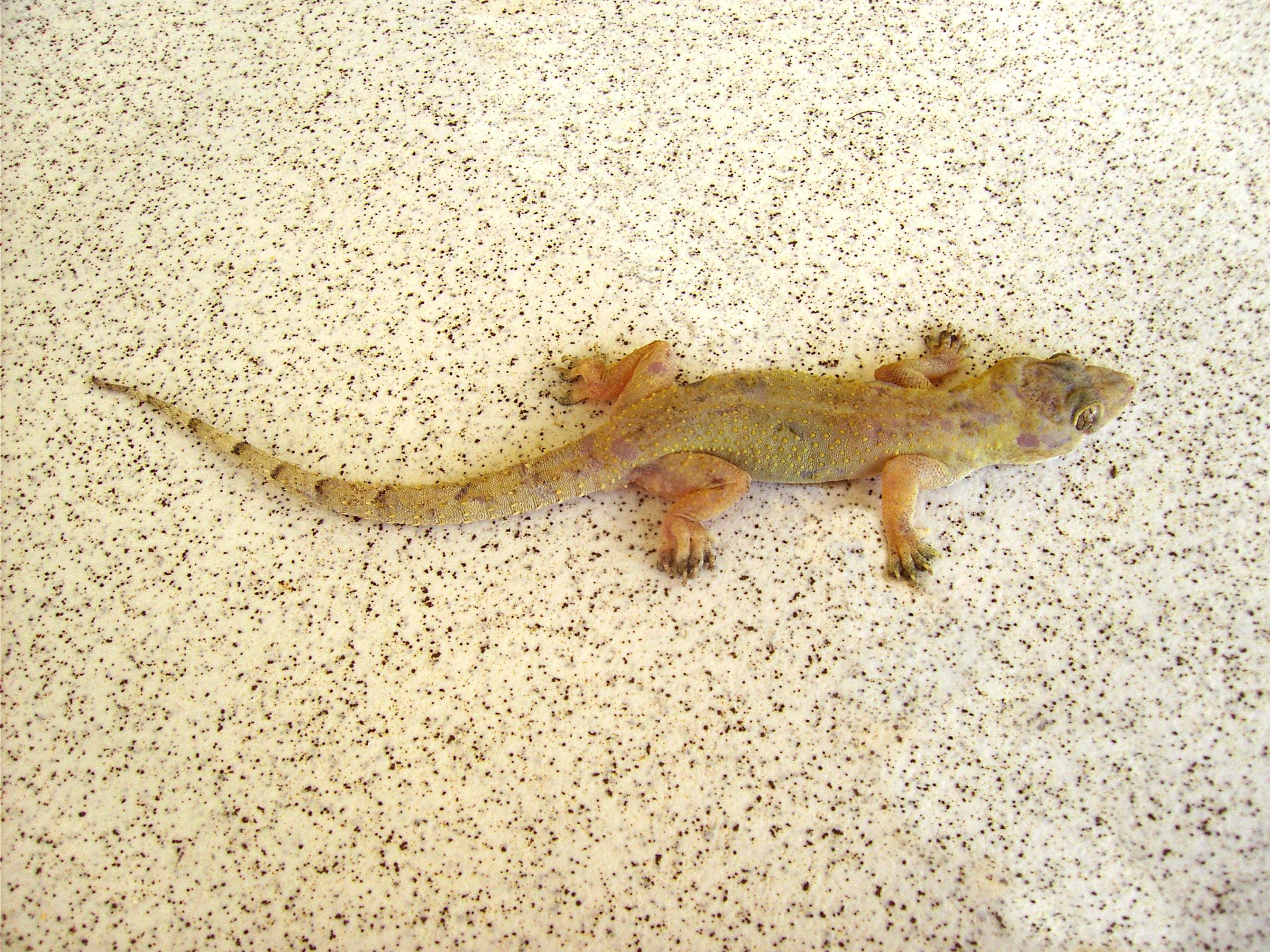
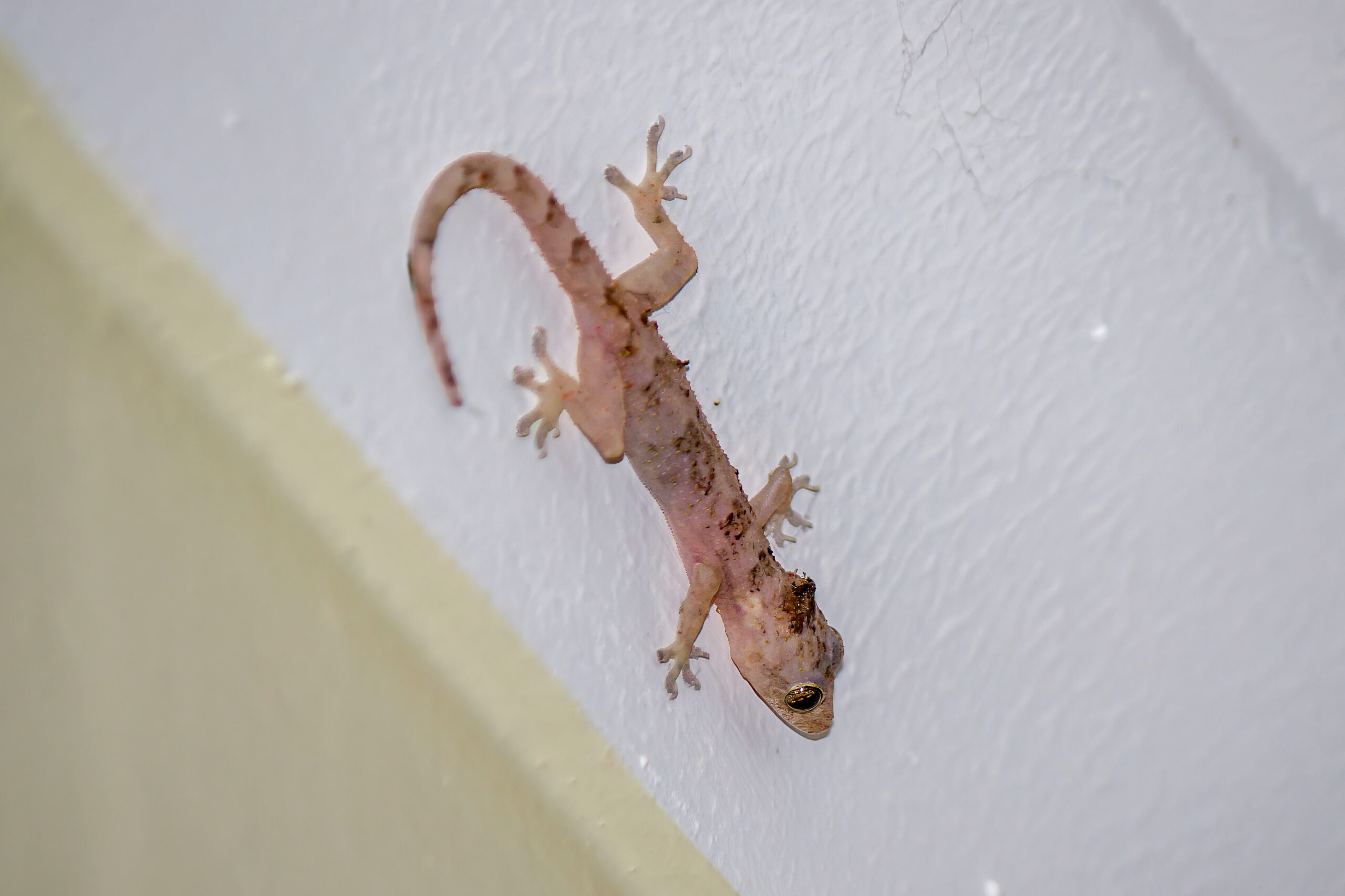
Tropical house gecko (Hemidactylus mabouia) may already be competitively displacing the native gecko Phyllodactylus martini on Curaçao. A 2026 study that combined ecological traits with species counts also found potential for introduced geckos to displace all three native gecko species on the island.
The researchers studied three native species — P. martini, Gonatodes antillensis and Thecadactylus rapicauda — together with three introduced species: tropical house gecko, Asian house gecko (H. frenatus) and mourning gecko (Lepidodactylus lugubris).
Traits identified native–introduced pairs at risk of exclusion
The first part of the study compared traits linked to how the geckos use resources and how strongly they are expected to compete. In coexistence theory, species are more likely to persist together when ecological differences reduce direct competition enough to offset differences in competitive performance.
The trait analysis identified possible competitive exclusion involving all three native species. Tropical house gecko appeared repeatedly among the introduced species with the strongest potential to exclude native geckos, including P. martini.
Counts pointed most strongly to Phyllodactylus martini
The second part of the study asked whether signs of displacement were already visible in the species’ present-day abundances. Tropical house gecko became more abundant with increasing development, while P. martini became less abundant. Even after development was taken into account, the two species remained strongly negatively related in the count data.
Combined with the trait results and earlier ecological knowledge of the two species, the authors interpret this pattern as support for displacement of P. martini already being underway. The evidence for the other native geckos was less conclusive about whether displacement is currently occurring, even though the trait analysis indicated potential future exclusion.
A negative association alone does not prove competition
The authors stress that a negative relationship in species counts cannot by itself show that one species is driving the other down, or even prove that competition is the cause. Environmental differences can also influence where species occur, and the statistical relationship itself does not establish the direction of an interaction.
The value of the framework is therefore as an early-warning tool. By combining functional traits with abundance patterns, researchers can identify native–introduced species pairs that deserve direct experiments and closer conservation attention before competitive displacement becomes more difficult to detect or reverse.
Threats
Related news
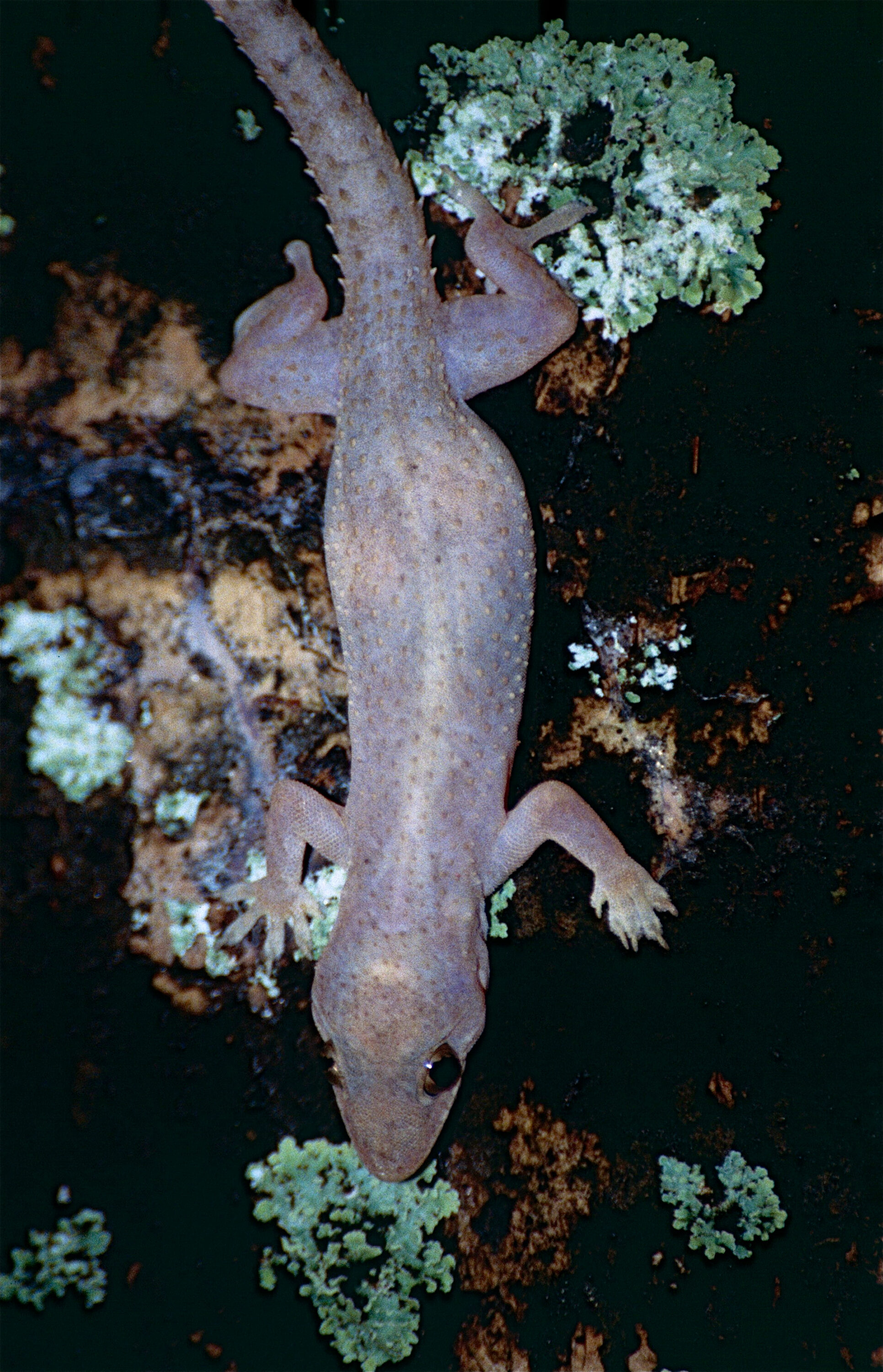
Endoparasites Infected 71.2% of Tropical House Geckos in Western Pará
In western Pará, Brazil, researchers found internal parasites in 71.2% of 156 wild Tropical House Geckos. Larger geckos…
Read story →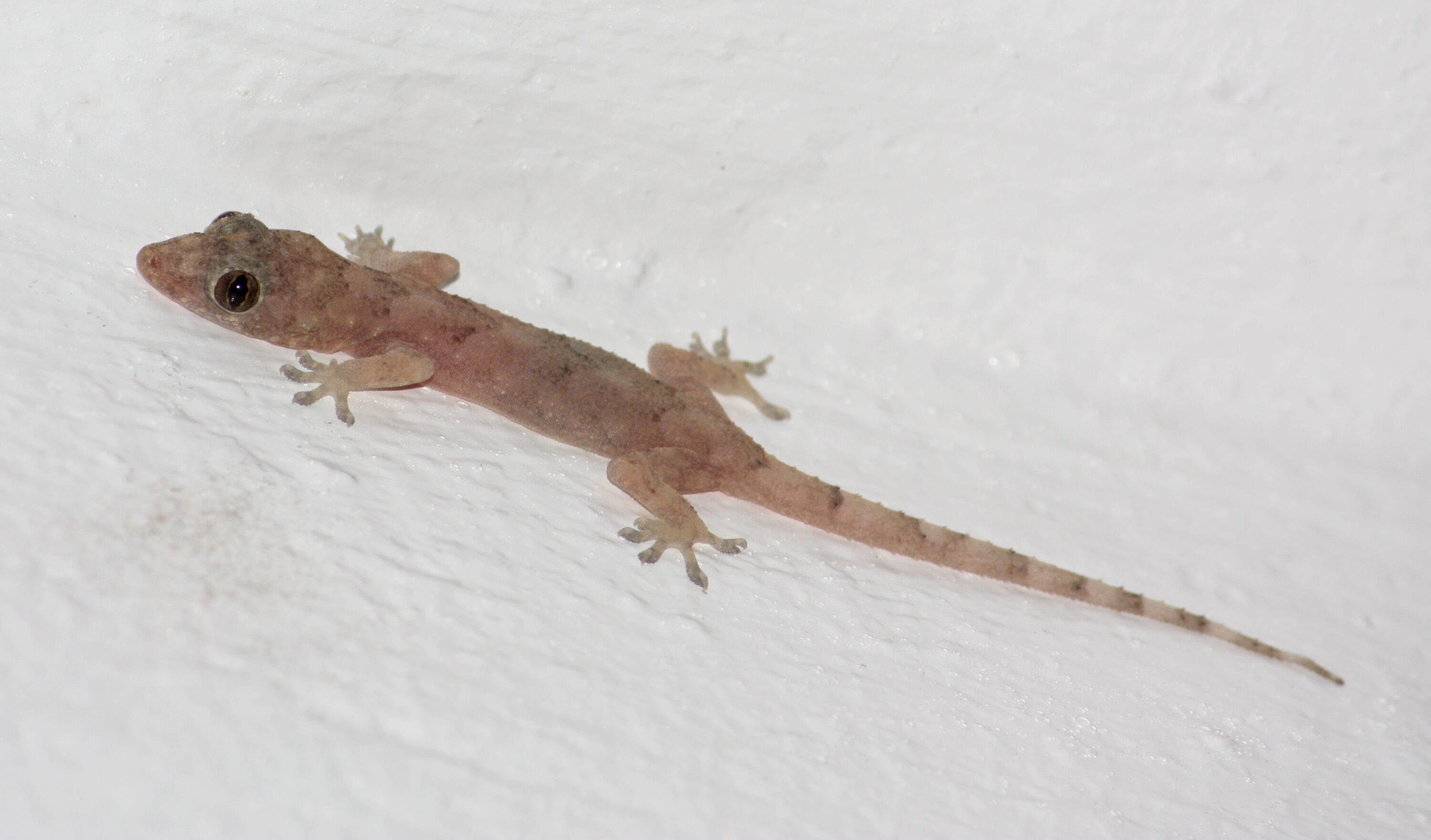
Genome Assemblies for 39 Reptile Species Released, Including a Tropical House Gecko From Ethiopia
A 2026 data release placed genome assemblies for 39 reptile species in GenBank. The tropical house gecko sample…
Read story →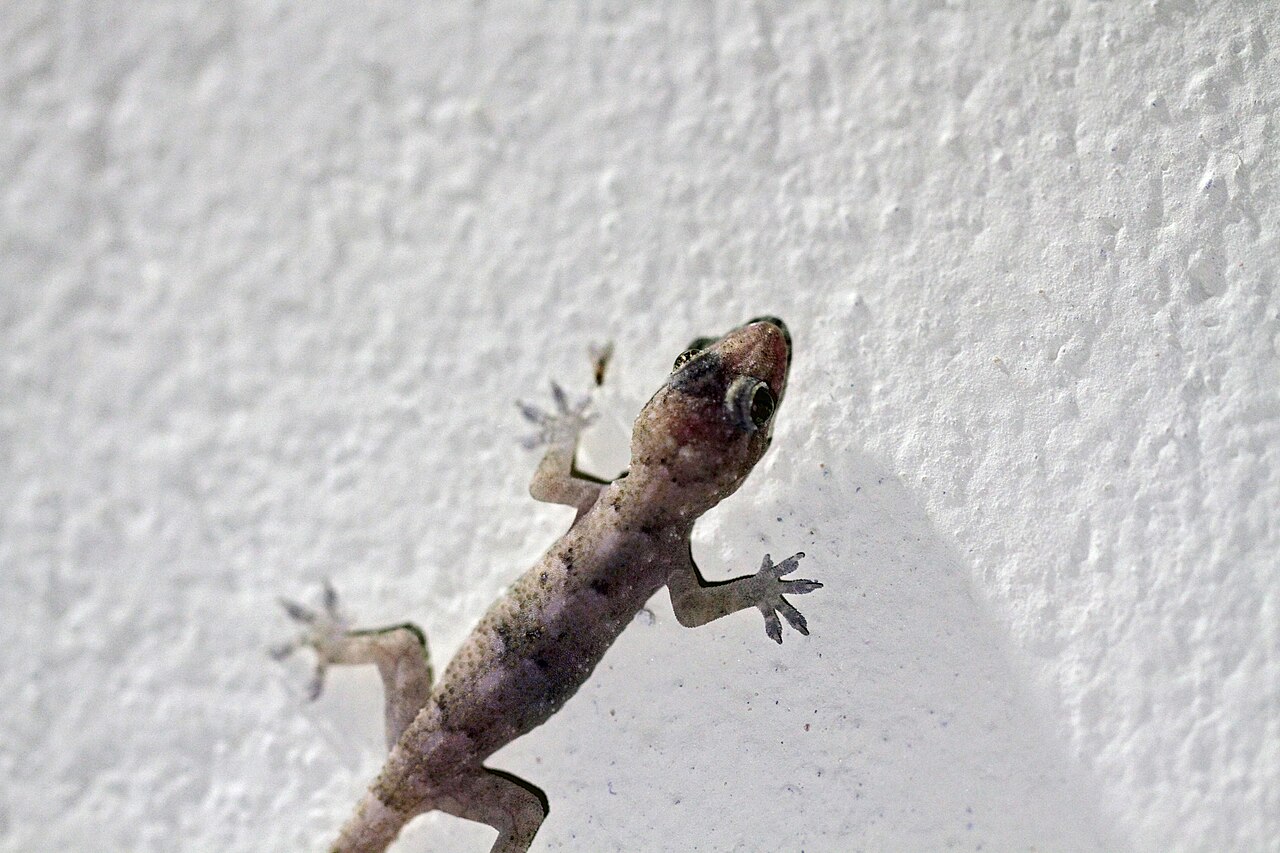
Citizen Science Expanded the Known Range of Tropical House Geckos in Argentina
Validated photographs expanded the introduced tropical house gecko’s known presence from seven to 12 Argentine jurisdictions; the southernmost…
Read story →SPECIES IN THIS STORY
Species in this story
Independent research and conservation news archive
Did you find this information useful?
Wildlife Vagabond is independently built and maintained. Voluntary support helps cover source verification, hosting and continued work on research and conservation news.
Support Wildlife VagabondThe news archive will remain freely available.