
Endoparasites Infected 71.2% of Tropical House Geckos in Western Pará
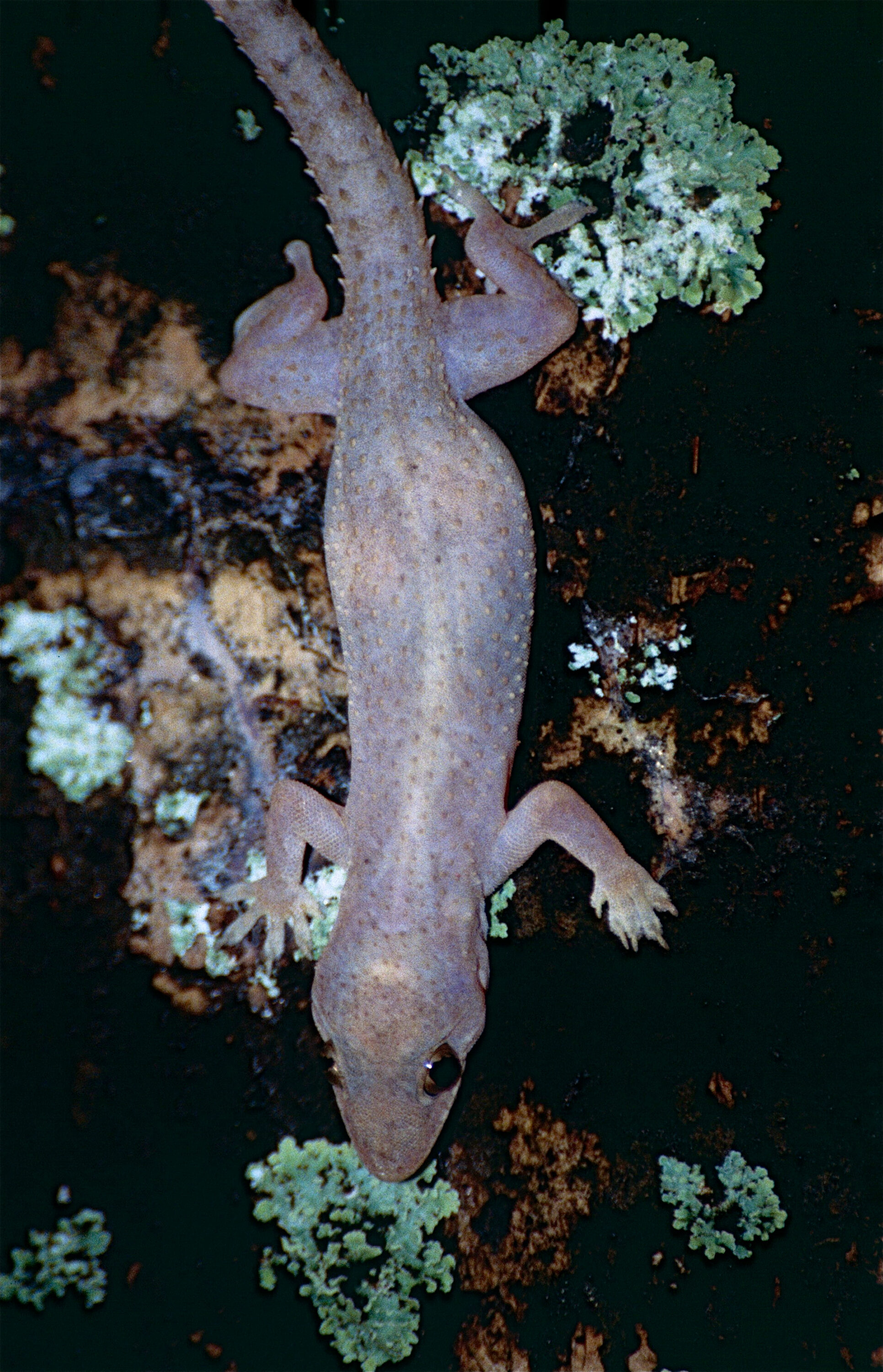
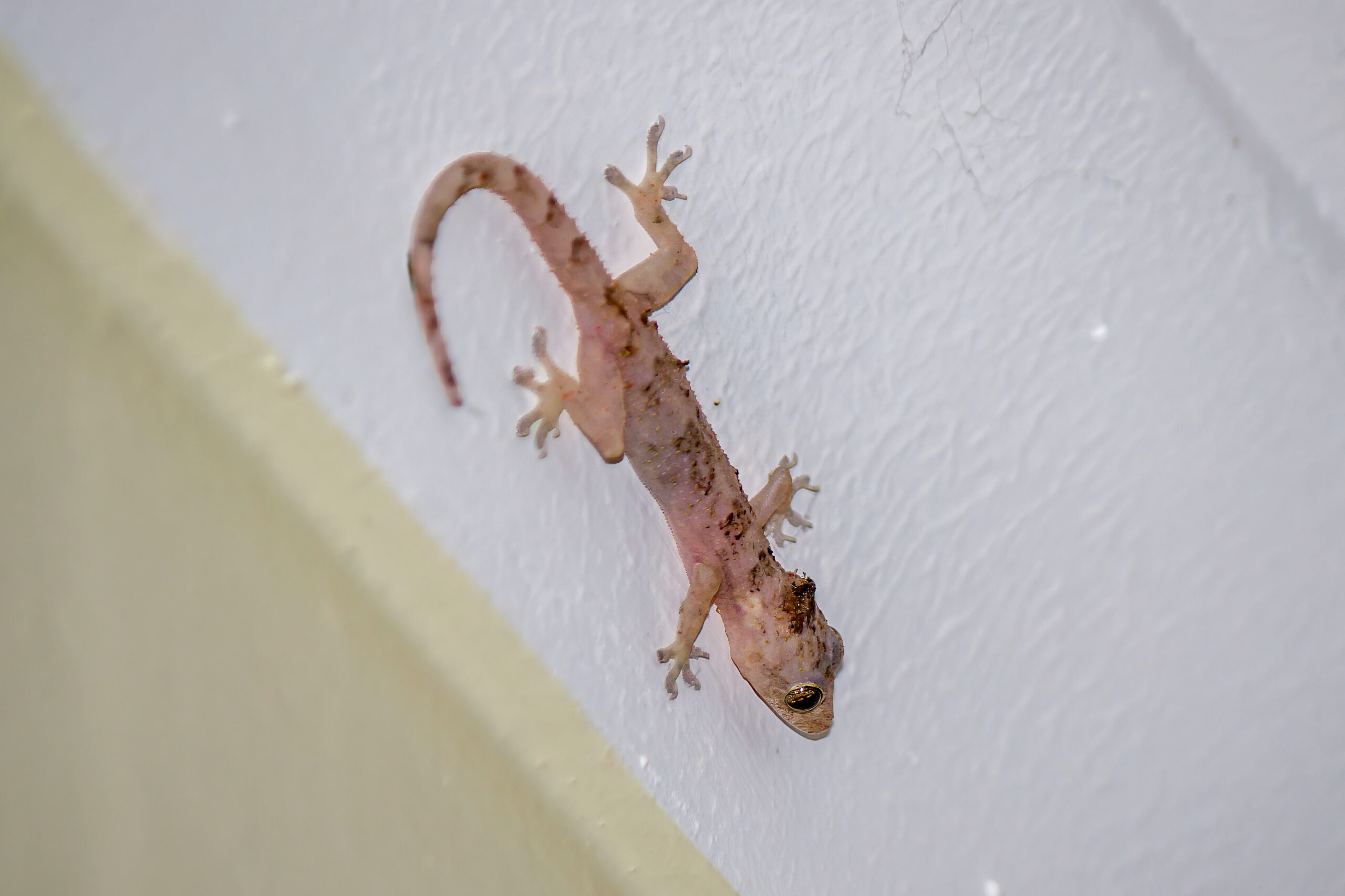
Tropical house geckos living around towns and homes in western Pará, Brazil, carried a diverse community of internal parasites. Researchers examined 156 wild tropical house geckos (Hemidactylus mabouia) from urban and peri-urban sites and found endoparasites in 111 animals, or 71.2% of the sample.
The gecko is native to sub-Saharan Africa but has become established across much of the Americas, where it commonly lives on buildings and feeds on insects and other small arthropods. That generalist diet can repeatedly expose it to parasites whose life cycles pass through invertebrate intermediate hosts.
Six parasite taxa and 1,819 individuals
The researchers collected geckos between January 2024 and November 2025 in Belterra, Mojuí dos Campos and Santarém in Pará. After measuring the animals, they examined the digestive tract, lungs, liver, gallbladder and body cavity for metazoan endoparasites.
In total they recovered 1,819 parasites belonging to six taxa spread across five major groups: nematodes, acanthocephalans, cestodes, trematodes and pentastomids. Individual geckos usually carried only a few parasite taxa at the same time. Across the sample, infections were strongly aggregated, meaning that parasites were concentrated in some hosts rather than being distributed evenly among all geckos.
The trematode Paradistomum sp. was the dominant parasite. It occurred in 37.8% of the geckos and accounted for much of the parasite abundance. It was found mainly in the gallbladder, bile duct and intestine, and heavily infected gallbladders were visibly enlarged. The study did not test what physiological effects this enlargement had on the geckos. The small intestine contained the largest number of parasites overall, followed by the gallbladder and bile duct.
Parasite patterns differed among localities
The same broad set of parasite groups occurred across the study area, but infection levels differed between sites. At the peri-urban Belterra site, Paradistomum occurred in 70.0% of geckos, compared with 9.4% at the urban Belterra site. In the urban areas of Belterra and Santarém, the pentastomid Raillietiella sp. instead reached prevalences of about 34–35%.
These contrasts show that human-modified environments did not produce one uniform parasite community. The study documented substantial local variation in which parasites were most prevalent, but did not directly test what caused those differences.
Larger geckos carried more of most parasite taxa
Body size was linked to parasite abundance. Larger geckos carried more individuals of five of the six parasite taxa tested, while Paradistomum showed no such relationship. Because snout–vent length generally increases with age in these lizards, the researchers interpret the pattern as consistent with larger and older animals accumulating exposure over time and consuming more prey.
Females had a numerically higher infection prevalence than males, 76.2% versus 60.8%, but the study did not find clear statistical support for a sex difference in the probability of infection. The result therefore does not show that females are intrinsically more susceptible.
A new host record in South America
The study also recorded cystacanths of the acanthocephalan genus Centrorhynchus in tropical house geckos for the first time in South America. Cystacanths are an infective larval stage of thorny-headed worms. Their presence shows that the invasive geckos have become incorporated into local parasite life cycles in the eastern Amazon.
Taken together, the results show that an introduced reptile closely associated with people can host a substantial and locally variable parasite community. Rather than remaining isolated from native parasite networks after its introduction, the tropical house gecko appears to have become part of them.
Disease, parasites & microbiology
Related news
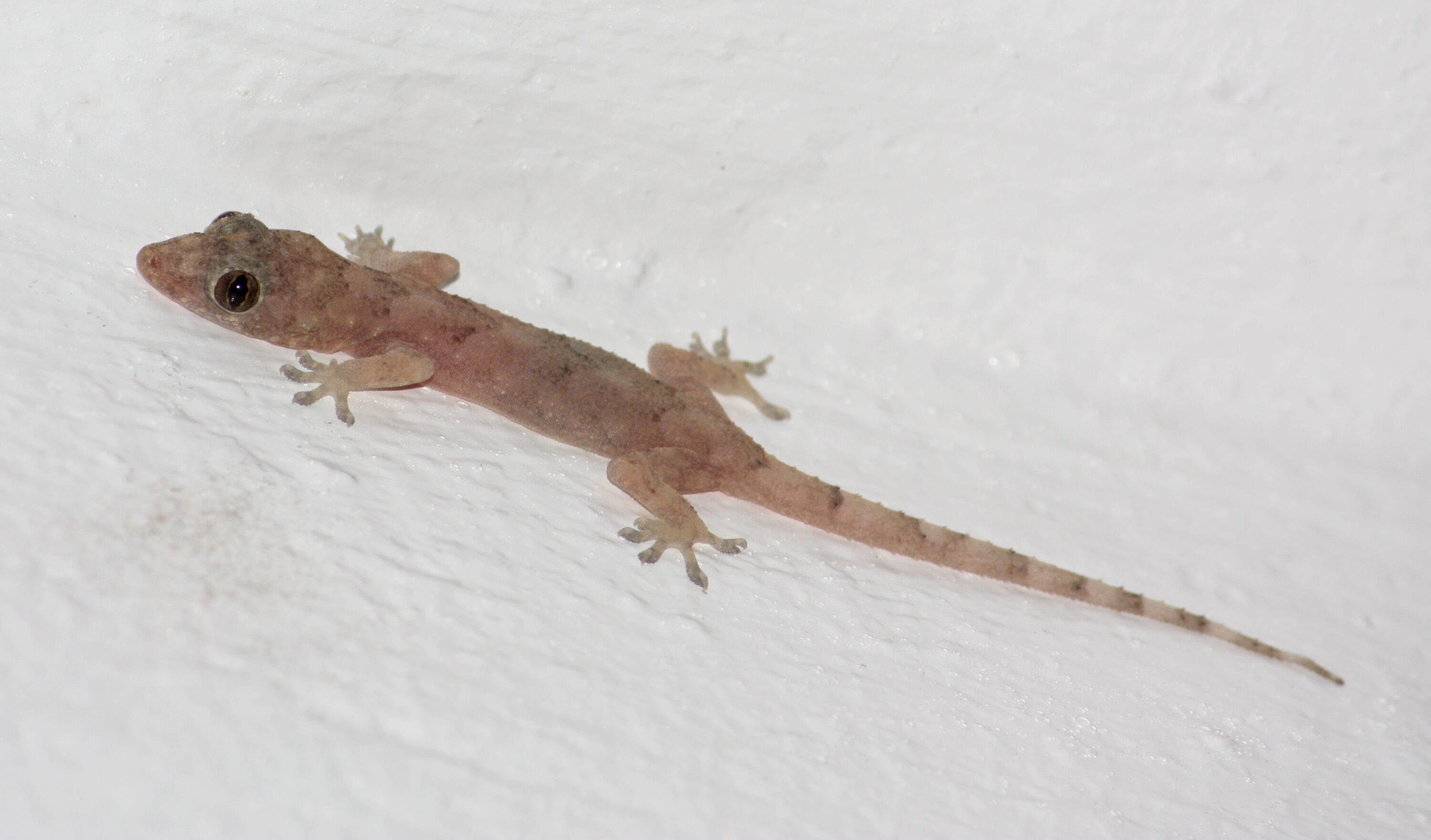
Genome Assemblies for 39 Reptile Species Released, Including a Tropical House Gecko From Ethiopia
A 2026 data release placed genome assemblies for 39 reptile species in GenBank. The tropical house gecko sample…
Read story →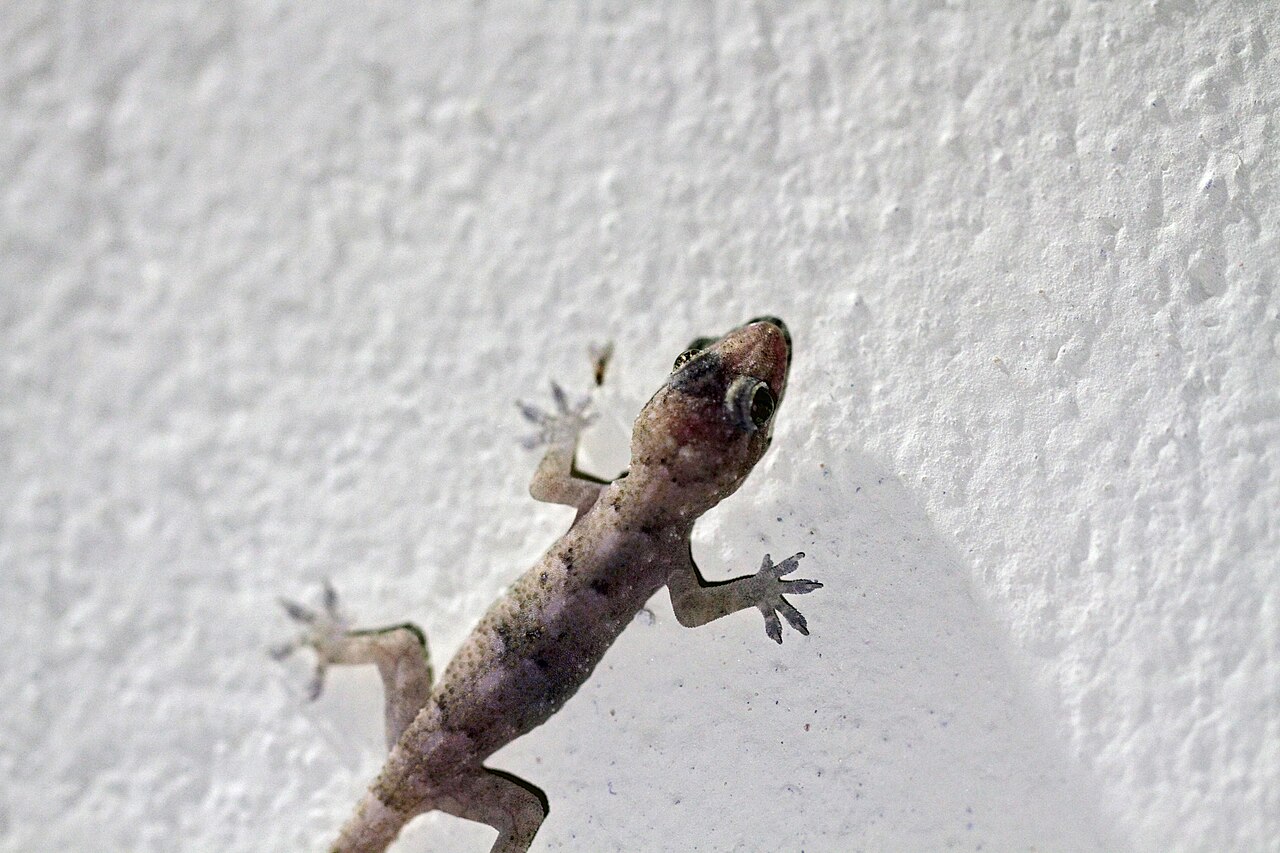
Citizen Science Expanded the Known Range of Tropical House Geckos in Argentina
Validated photographs expanded the introduced tropical house gecko’s known presence from seven to 12 Argentine jurisdictions; the southernmost…
Read story →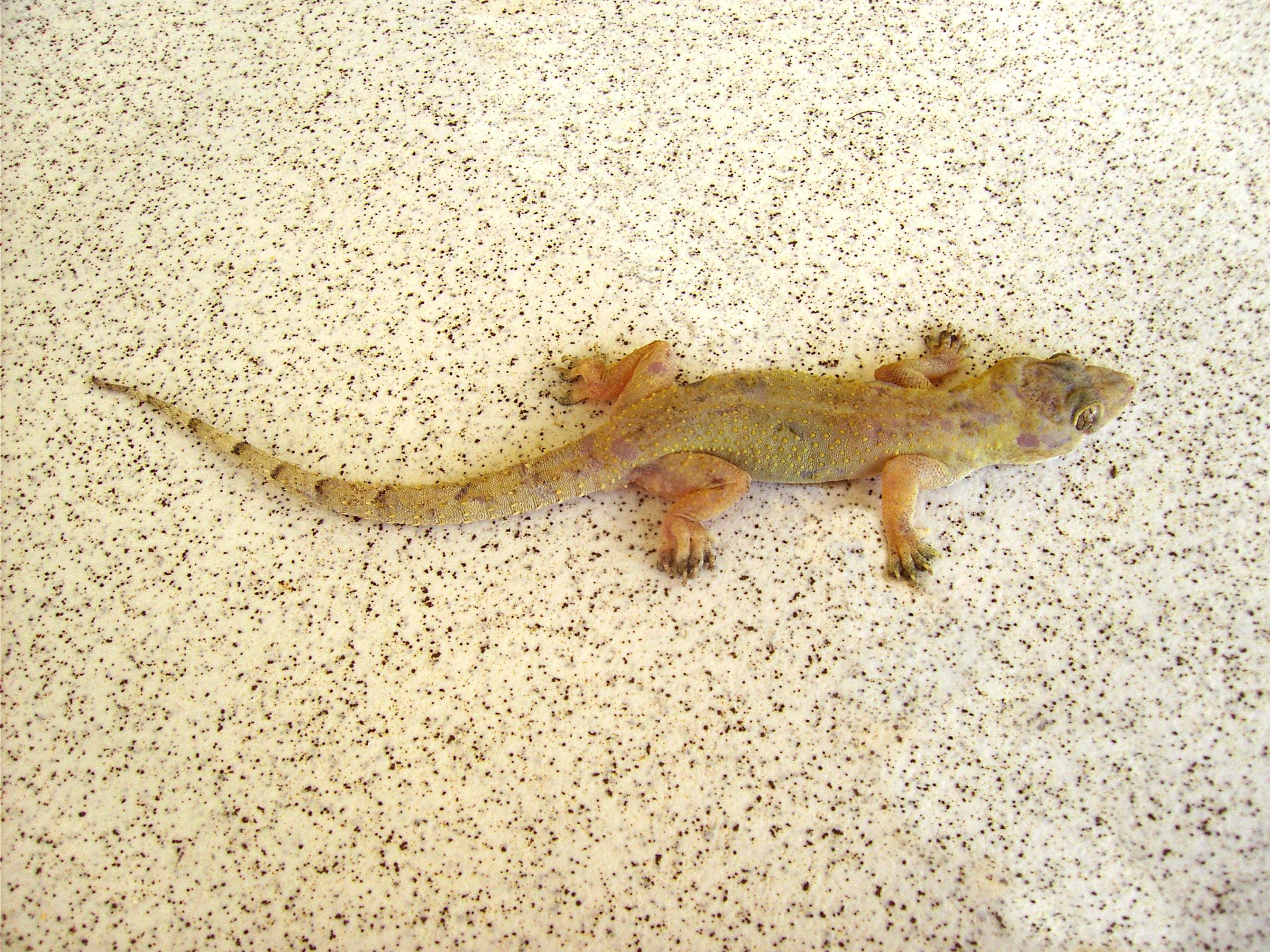
Tropical House Gecko May Already Be Displacing a Native Gecko on Curaçao
Trait and count data from three native and three introduced gecko species on Curaçao pointed to possible displacement…
Read story →SPECIES IN THIS STORY
Species in this story
Independent research and conservation news archive
Did you find this information useful?
Wildlife Vagabond is independently built and maintained. Voluntary support helps cover source verification, hosting and continued work on research and conservation news.
Support Wildlife VagabondThe news archive will remain freely available.