
More Visitors Were Linked to Less Grooming Among Female Rhesus Macaques at Pashupatinath
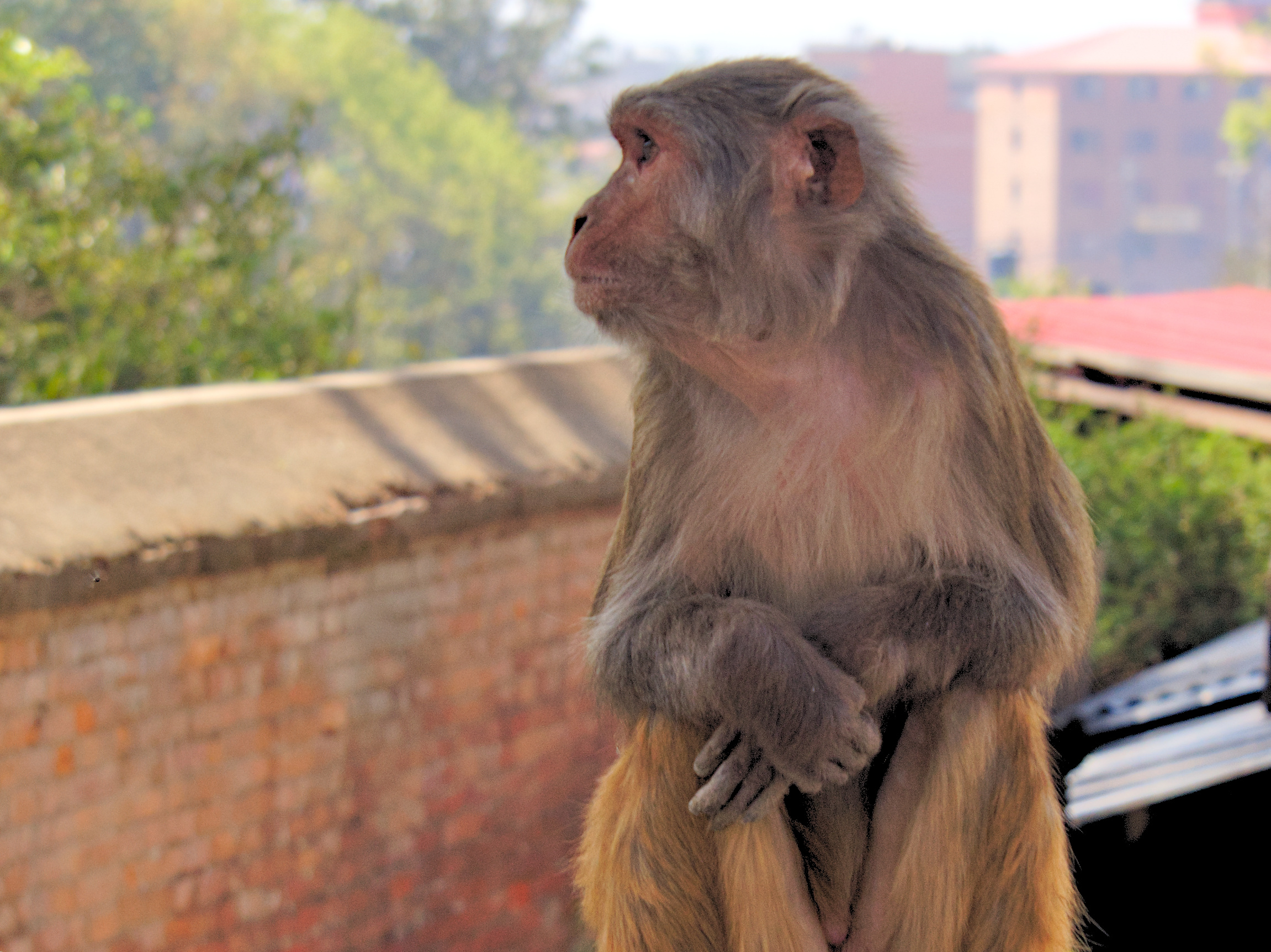
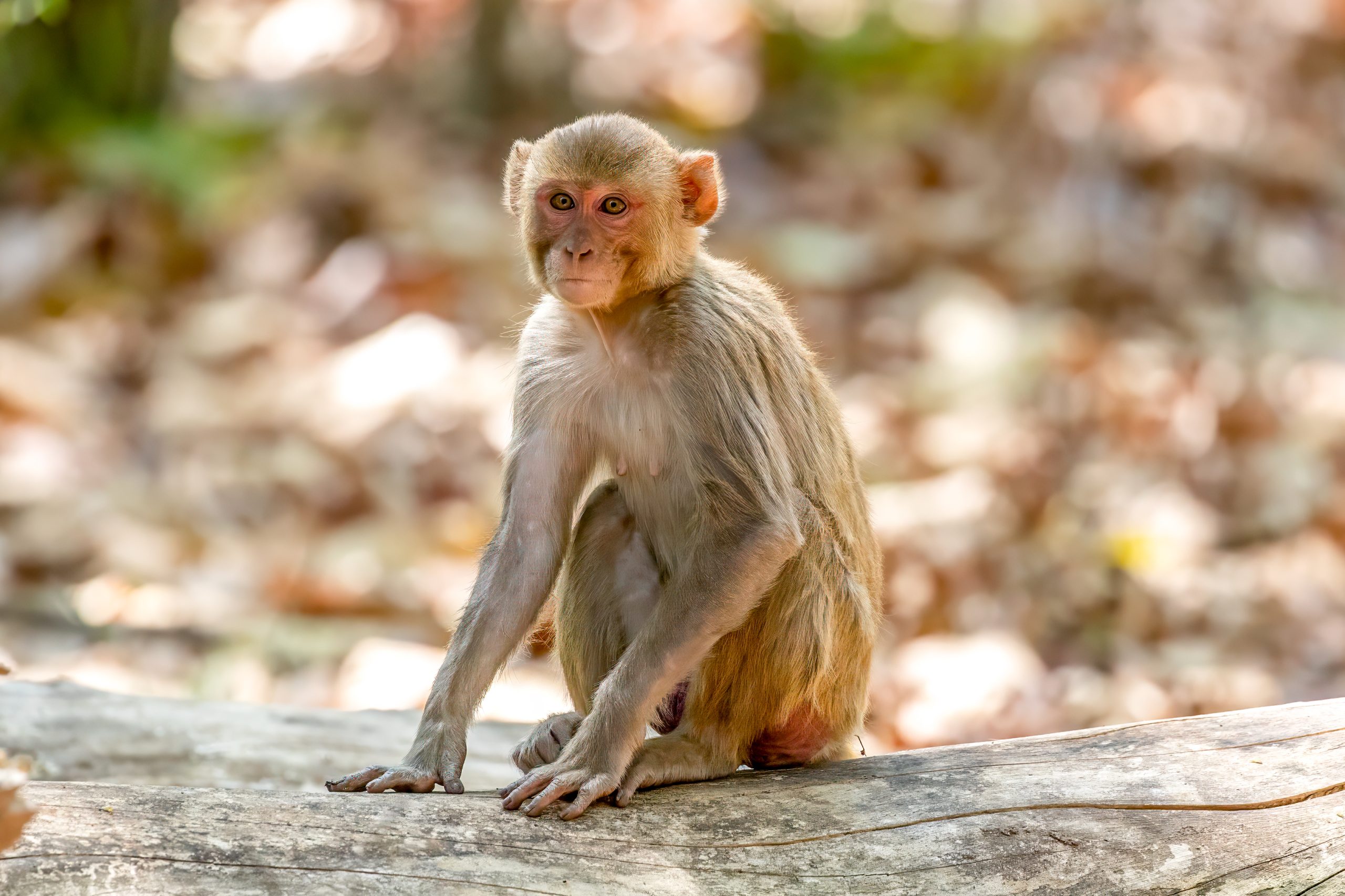
A field study at Pashupatinath Temple in Kathmandu found that human presence was associated with measurable changes in the daily behaviour of rhesus macaques (Macaca mulatta). Researchers compared two groups living in areas with high and low anthropogenic pressure and recorded behaviour using focal-animal and scan sampling.
Focal-animal sampling follows one selected animal for a defined period and records its behaviour, while scan sampling records what multiple visible animals are doing at set moments.
Across both groups, resting and sitting accounted for 41% of the combined activity budget, followed by grooming at 24.8%, movement at 17.5%, feeding and foraging at 15.9%, and aggression at 0.87%. Macaques in the high-pressure area spent more time feeding and foraging than those in the low-pressure area.
Female grooming declined as visitor numbers increased
The clearest sex-specific effect involved social grooming. Females in the low-pressure area spent more time grooming than females in the high-pressure area, and the number of visitors around focal animals was negatively associated with female grooming time. Feeding and foraging, by contrast, increased with visitor numbers. The researchers observed regular provisioning at the temple, including boiled flour dough as well as food offered by visitors.
Males spent more time resting, moving and behaving aggressively than females, while females devoted more time to grooming. The authors interpret the reduced grooming under heavier human pressure as a potential consequence of interruptions and provisioning, while noting that other factors such as nearby dogs, dominance relationships and weather may also influence grooming. They recommend visitor codes of conduct and limits on direct feeding at the temple.
Behaviour
Related news
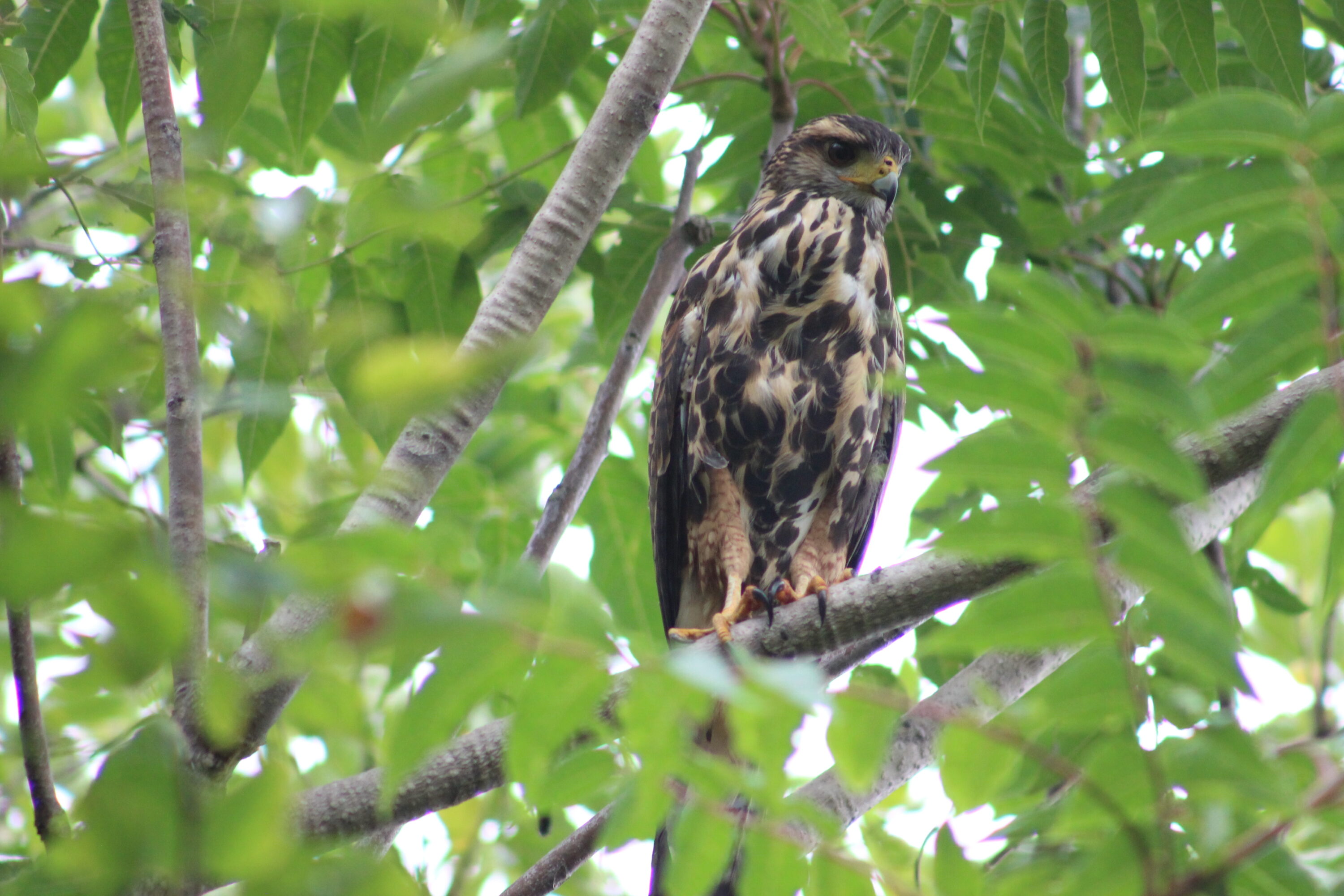
Juvenile Harris's Hawks Manipulated Pine Cones for About Five Minutes
Two juvenile Harris's hawks in Buenos Aires Province tore pine cones from trees, carried them to new perches…
Read story →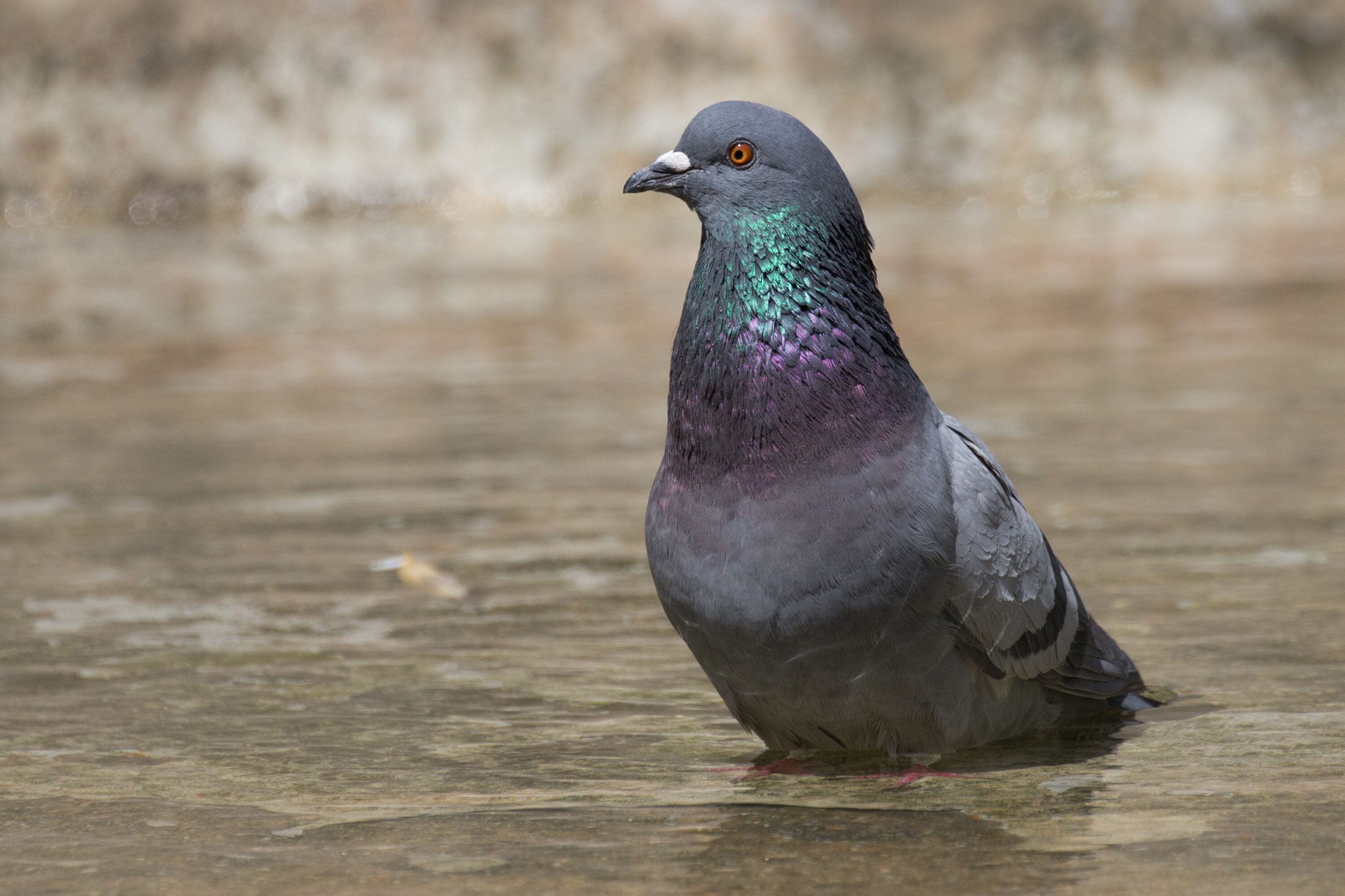
Rock Doves Preferred Predictive Information Despite a Lower Food Payoff
Seven rock doves preferred an informative option that paid on 20% of trials over a non-informative option that…
Read story →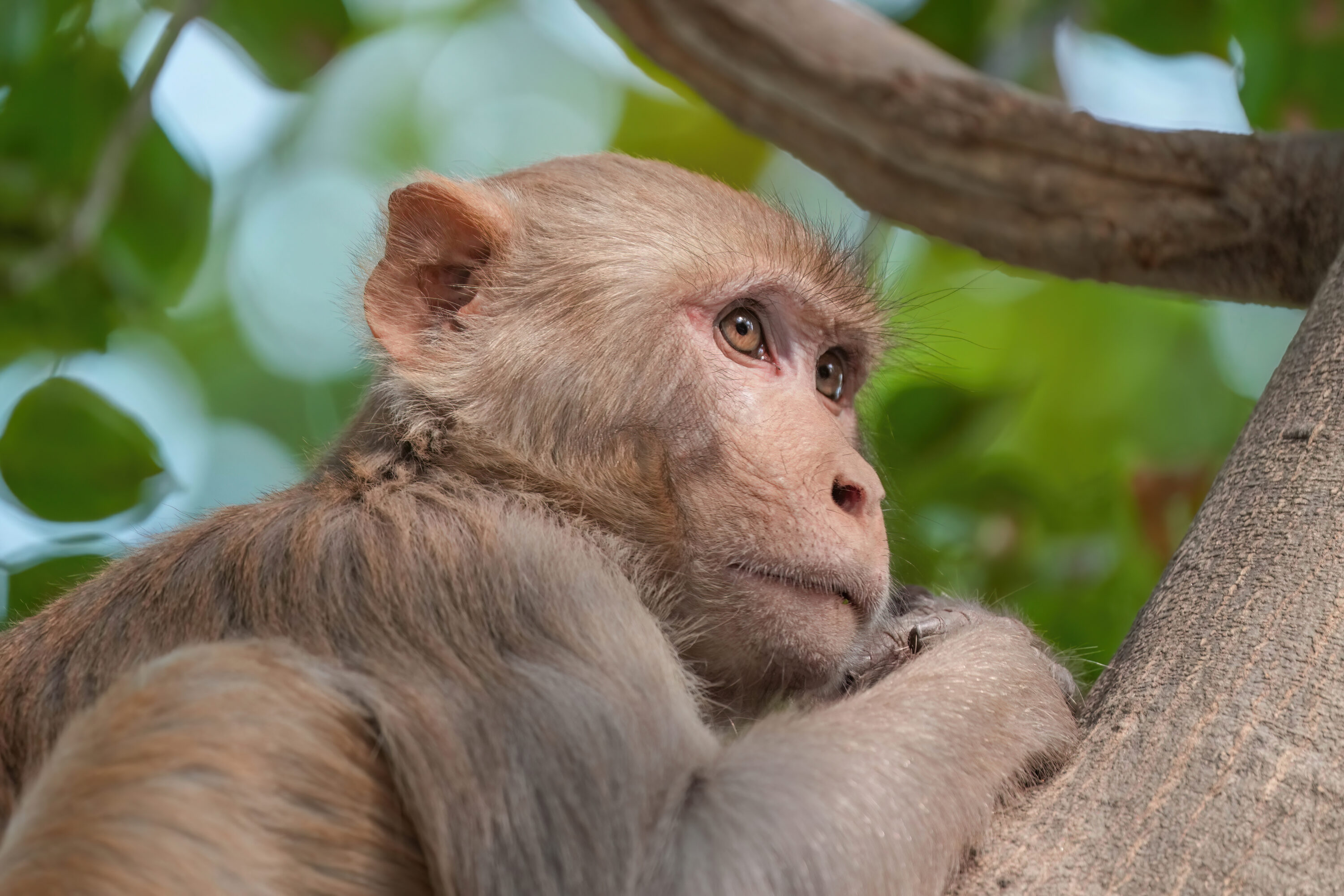
Task Uncertainty Increased Interference From Irrelevant Visual Information in Rhesus Macaque Decisions
Two rhesus macaques made less accurate visual decisions under task uncertainty; recordings and microstimulation in primary visual cortex…
Read story →SPECIES IN THIS STORY
Species in this story
Independent research and conservation news archive
Did you find this information useful?
Wildlife Vagabond is independently built and maintained. Voluntary support helps cover source verification, hosting and continued work on research and conservation news.
Support Wildlife VagabondThe news archive will remain freely available.