
Rock Doves Preferred Predictive Information Despite a Lower Food Payoff
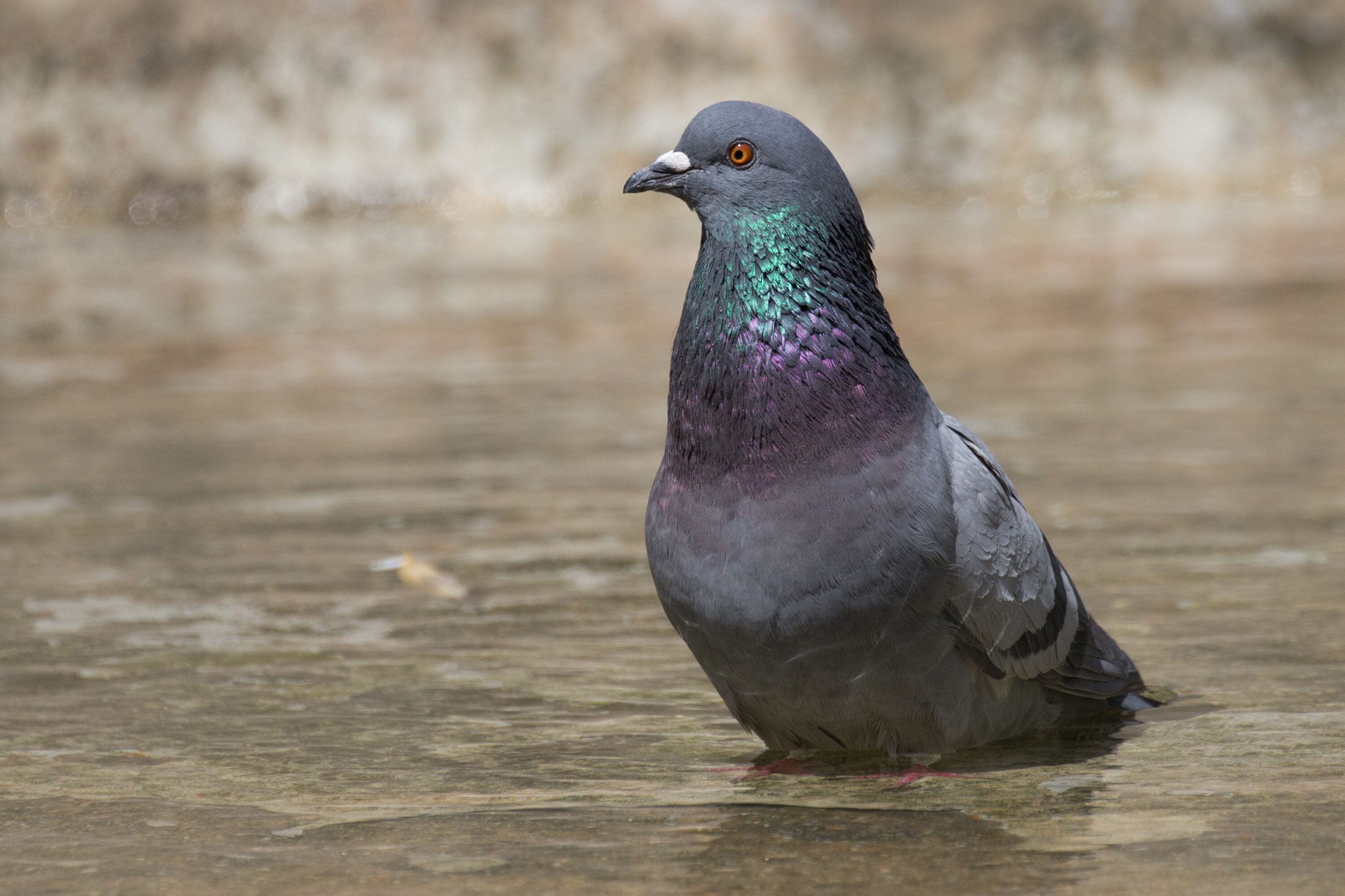
Rock doves (Columba livia) strongly preferred an option that gave perfectly predictive information about the coming outcome even though it produced food on only 20% of trials. The alternative delivered food on 50% of trials, but its cues did not tell the birds whether food was coming. In the narrow currency of food gained, this is a classic example of suboptimal choice: the animals favour the lower-payoff alternative.
Predictive information outweighed the higher food payoff
Eight pigeons entered the controlled experiment and seven remained in the main analyses after one bird was removed for a persistent side bias. During simultaneous choice training, preference for the informative option rose to an average of 98% over the final four sessions. The information could not be used to change whether food would arrive; its value lay in reliably signalling either food or no food.
The researchers then turned the same problem into a sequential accept–reject decision. Instead of seeing both options at once, a pigeon encountered one option and could either accept it or reject it to obtain the alternative. When rejection carried no extra time cost, the learned preference reappeared: over the final four sessions the informative option was rejected on only 6% of trials, whereas the higher-payoff non-informative option was rejected on 78%. A later return to the cost-free condition reproduced the same strong asymmetry.
A delay made the higher-payoff option harder to reject
When rejecting an option imposed a delay before the alternative became available, pigeons became progressively less likely to reject the non-informative option and more willing to accept the 50%-payoff option already in front of them. Rejection of the informative option remained rare and changed little with the delay. The birds therefore retained a strong valuation of predictive information while adjusting whether to continue searching when switching became costly.
The result links cognition to opportunity cost
This pattern fits the concept of opportunity cost: time spent rejecting one opportunity and waiting for another is time in which no food can be obtained. Rate-based foraging models therefore treat an option partly in terms of expected reward relative to the time needed to obtain it. In this experiment, the group-level point at which accepting and continuing to search became roughly balanced was estimated at about five seconds of post-rejection delay. The authors used the rate model as a heuristic framework rather than as a formal model test.
The study therefore extends suboptimal choice beyond the usual side-by-side task. The preference for predictive information survived when pigeons had to decide whether to accept what was currently available or continue searching, but their rejection behaviour remained sensitive to the temporal cost of moving on.
Behaviour
Related news
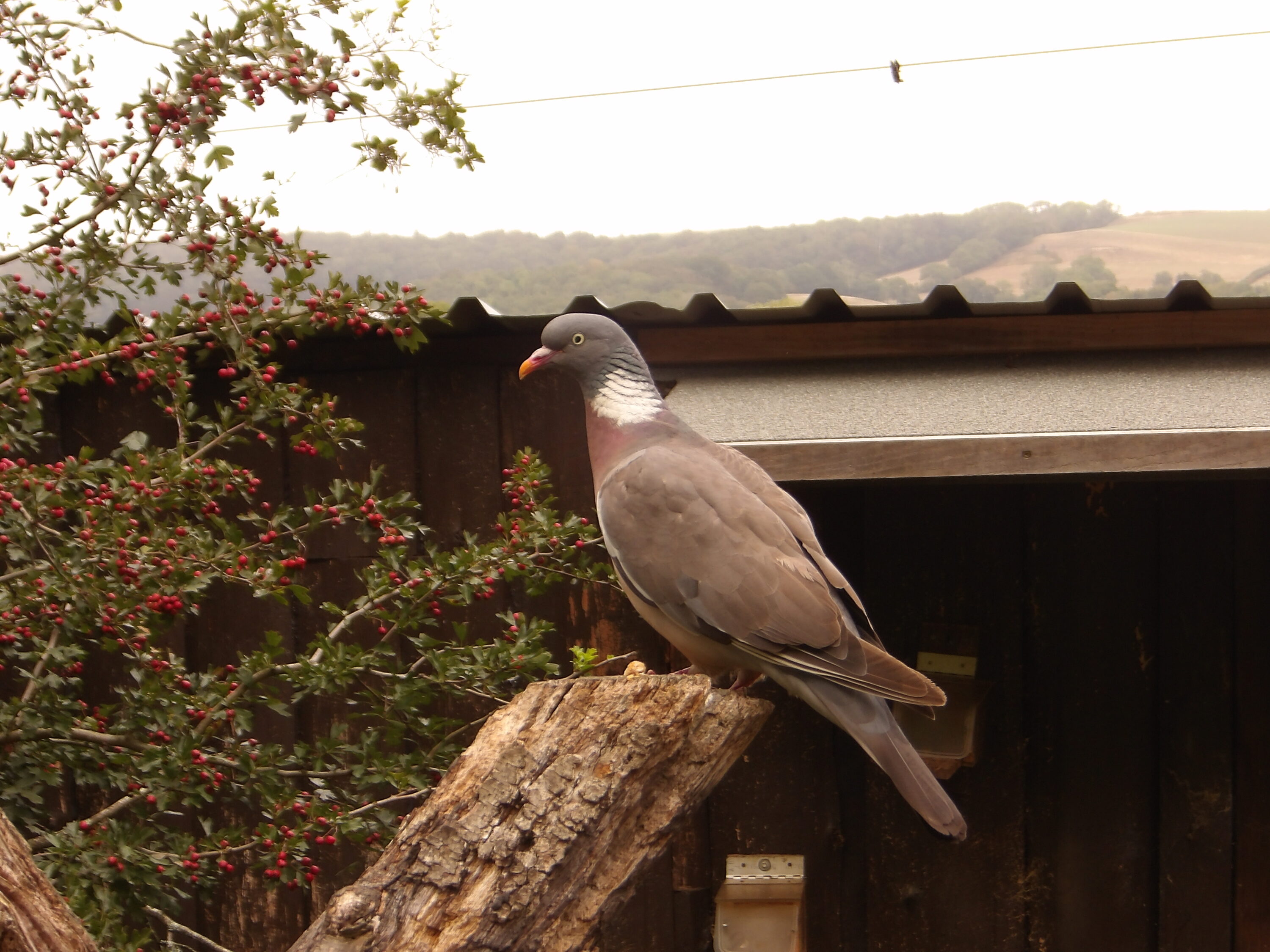
Rotavirus A Antibodies Were Common in Feral Pigeon Samples but Rare in Wood-Pigeon Samples in Germany
A German study detected rotavirus A-reactive antibodies in 79.2% of free-ranging feral pigeons and 77.0% of domestic pigeons,…
Read story →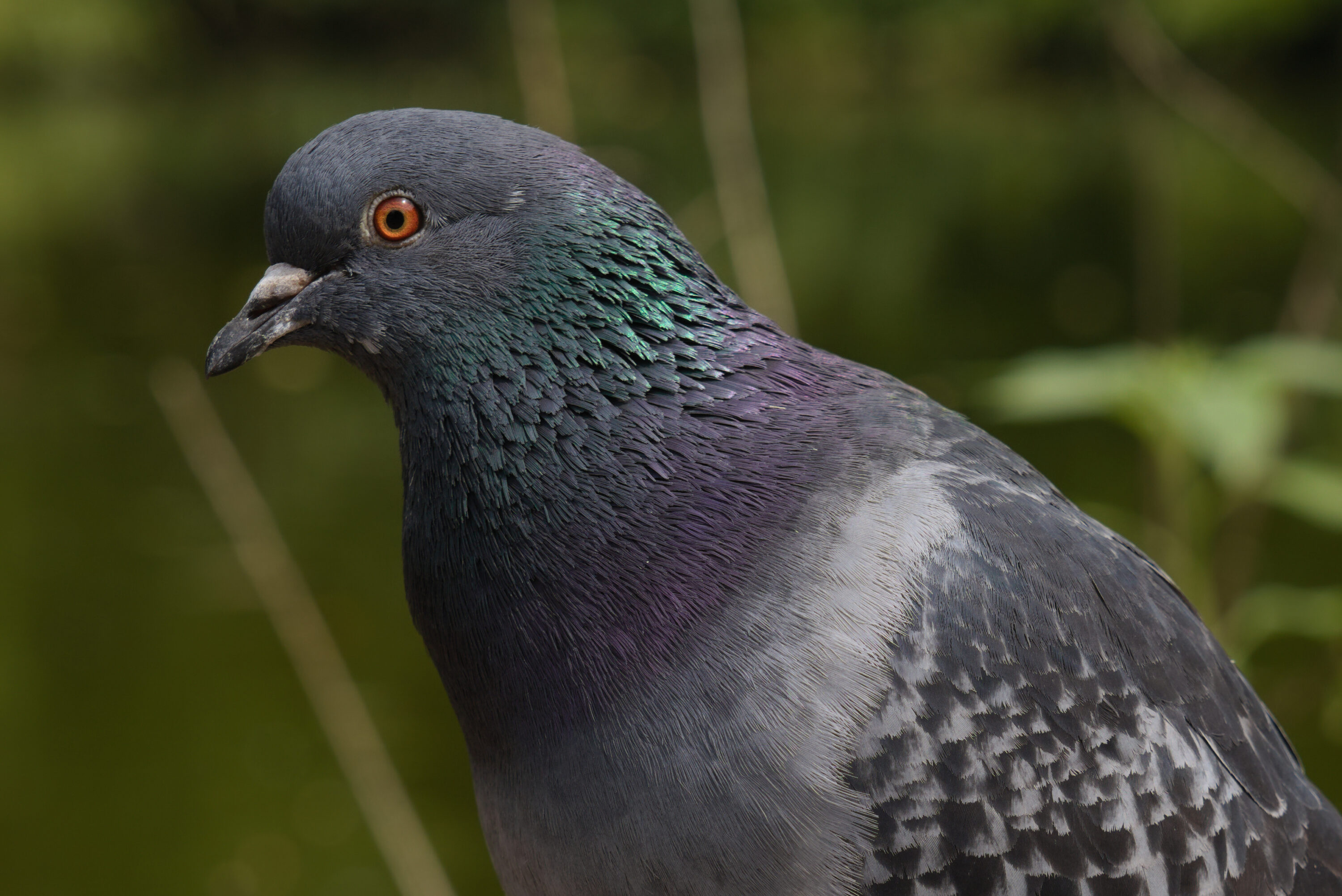
New Shiqi Pigeon Genome Placed 97.8% of Its Sequence on 41 Chromosomes
A chromosome-level genome from a female Shiqi pigeon in Zhongshan, China spans about 1.24 billion DNA bases, places…
Read story →
Pigeon Paramyxovirus-1 Was Confirmed in 10 of 39 Diseased Pigeons From Egypt
A 2026 field investigation confirmed pigeon paramyxovirus-1 RNA in 10 of 39 domestic pigeons showing neurological or gastrointestinal…
Read story →SPECIES IN THIS STORY
Species in this story
Independent research and conservation news archive
Did you find this information useful?
Wildlife Vagabond is independently built and maintained. Voluntary support helps cover source verification, hosting and continued work on research and conservation news.
Support Wildlife VagabondThe news archive will remain freely available.