
More Than Half of 245 Tiger Attacks in Nepal’s Terai Arc Landscape Were Fatal
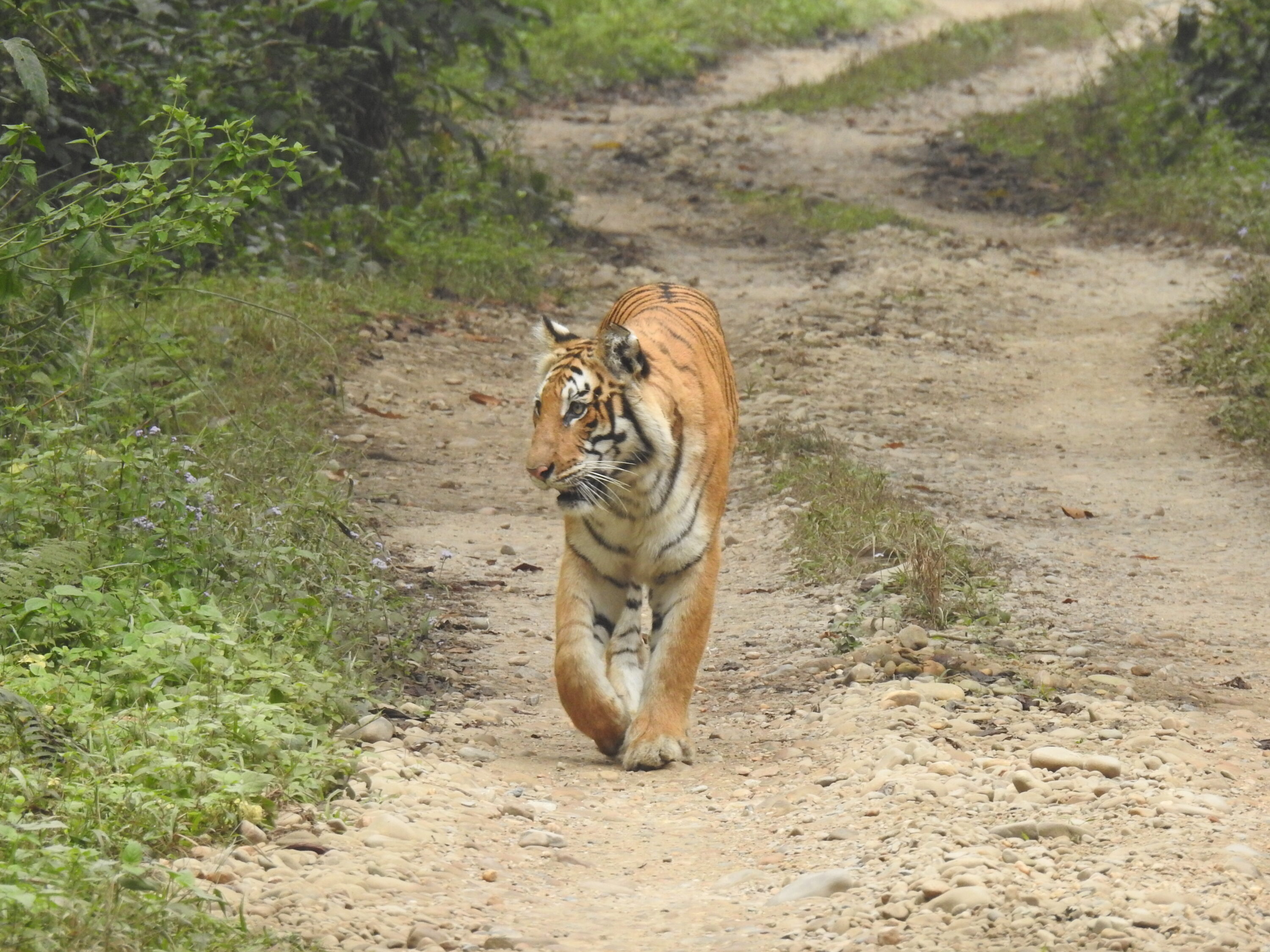
A landscape-wide study of tiger (Panthera tigris) attacks in Nepal’s Terai Arc Landscape documented 245 attacks on people between 2010 and 2024, of which 141 ended in death. The study, first published on 16 August 2026 in Ecology and Evolution, examined where and when attacks occurred and which circumstances were associated with whether an attacked person survived.
The researchers compiled registered cases from national park and division forest offices and interviewed survivors or adult family members familiar with fatal incidents.
Most attacks occurred in forests and buffer zones
More than 90% of the attacks occurred inside forests. Buffer zones around protected areas accounted for 69.4% of incidents, 24% occurred outside protected areas and 6.5% inside national parks. Nearly half of all recorded attacks occurred around Chitwan National Park.
Group size and posture were linked to fatality
Across the full study period, 57.6% of attacks were fatal. Men made up 65.3% of the people attacked, but the proportion of attacks ending in death was higher among women: 72.9% compared with 49.4% among men. The authors also found that group size, education level and the victim’s posture during an attack were associated with fatality.
People who were with at least one other person had a significantly lower risk of dying than people who were alone. Standing or walking was also associated with a lower fatality risk than bending or sitting. The study notes that many attacks occurred while people were collecting fodder, firewood or other forest products, or herding livestock—activities that bring people into tiger habitat and can involve postures close to the ground.
Attack numbers peaked in 2022
Attack frequency varied markedly among years, with the highest number recorded in 2022, during the COVID-19 pandemic and its socioeconomic aftermath. The authors suggest that increased forest use and livelihood disruptions during the pandemic period may have contributed to this pattern. There was no clear overall seasonal pattern, although total attacks showed a modest peak in March and fatalities were somewhat more frequent in August and September.
The researchers emphasize prevention in buffer-zone and corridor forests. Their recommendations include reducing dense undergrowth in heavily used areas to improve visibility, encouraging people to enter forests in groups, adapting posture and vigilance during forest-resource collection, improving communication about tiger presence and proactively managing individual tigers involved in repeated conflict. The study presents these measures as part of a broader effort to maintain coexistence as Nepal’s tiger population recovers and expands into human-used landscapes.
Human–wildlife conflict
Related news
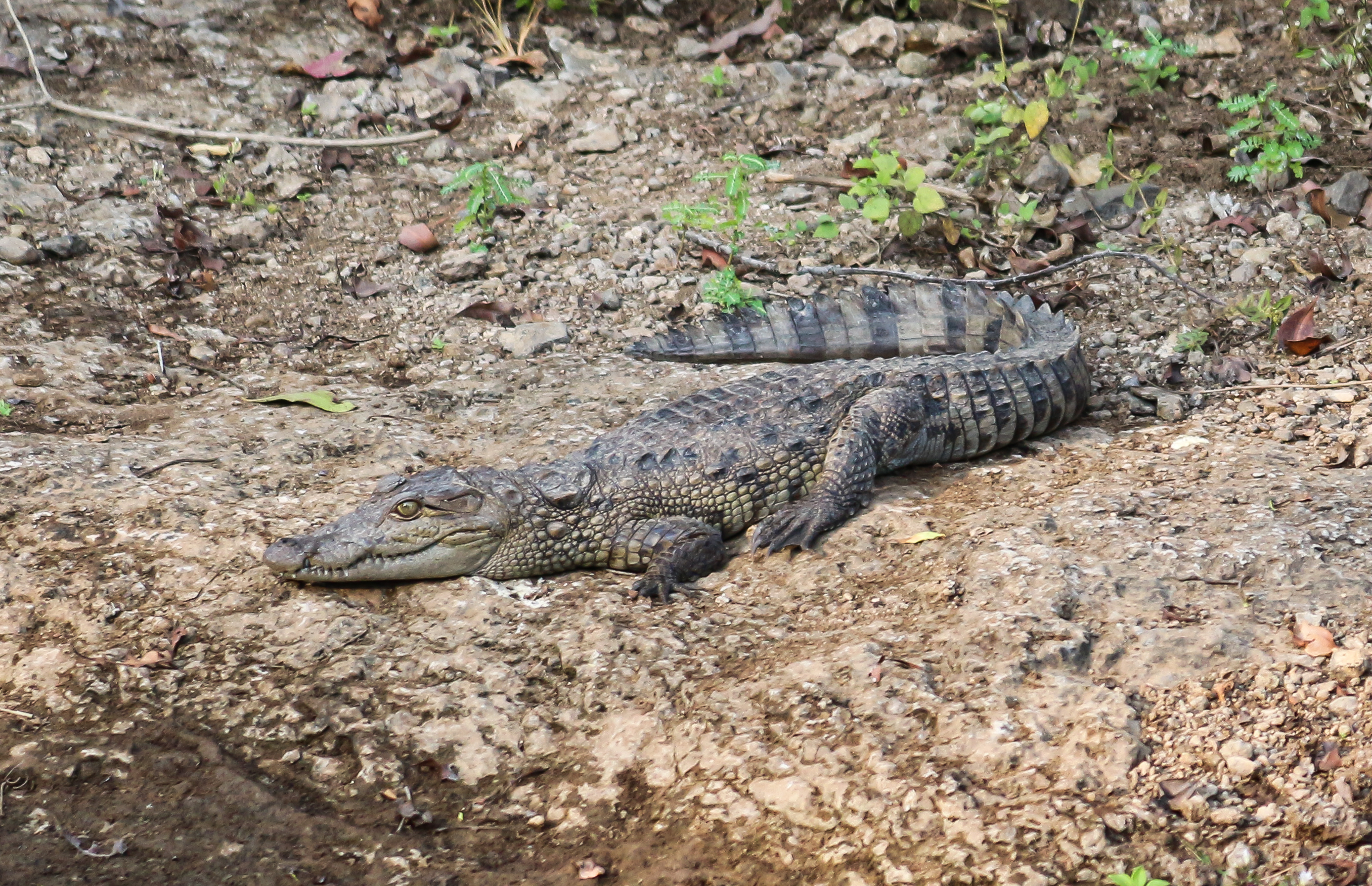
Falling Tungabhadra Water Levels Brought Mugger Crocodiles Onto Riverbanks in Kurnool
Receding water in the Tungabhadra brought mugger crocodiles onto exposed banks in Kurnool, where one was attacked by…
Read story →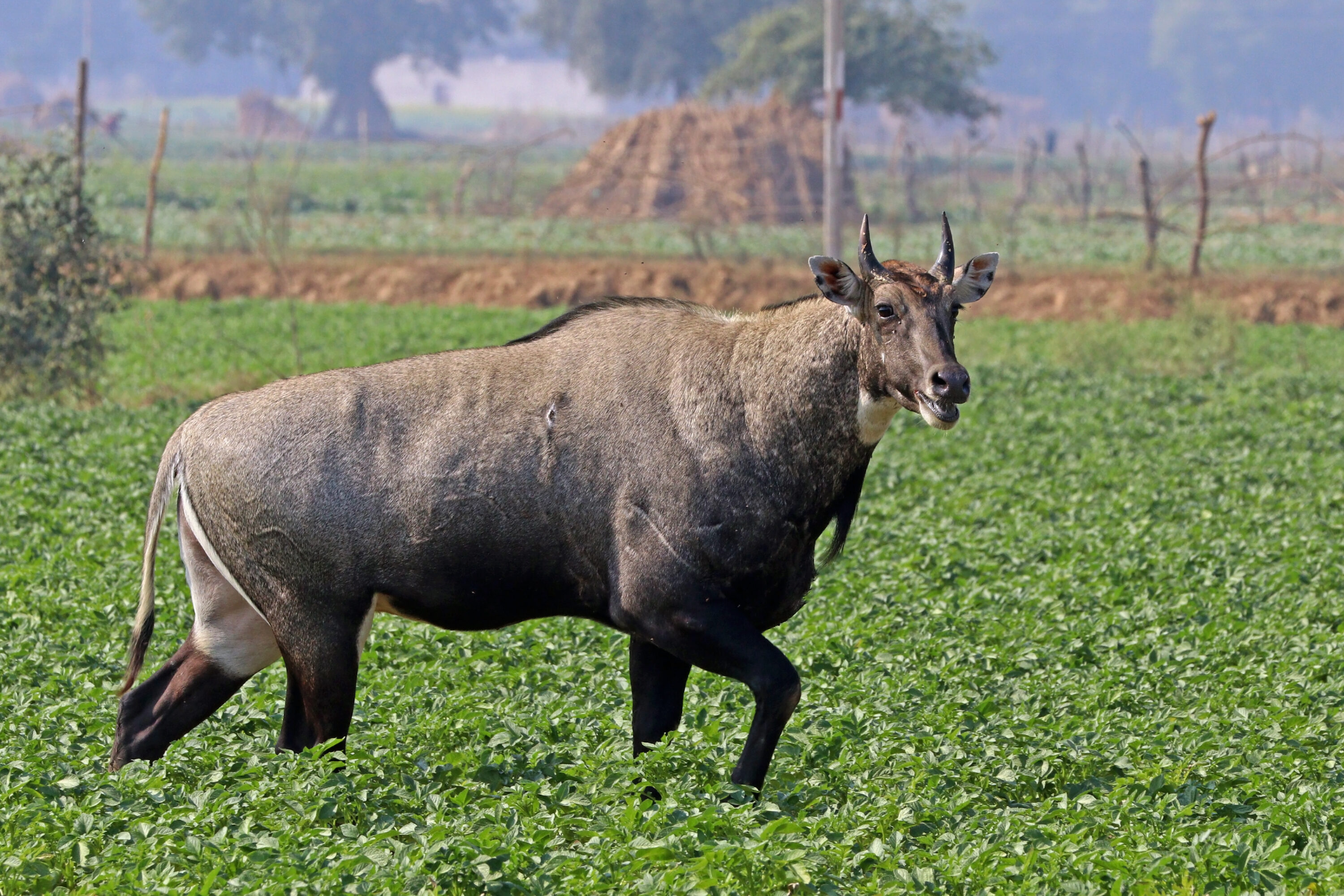
Farmer Survey Estimated Annual Nilgai Crop Destruction Near Junagadh at 63%
A farmer survey across eight villages near Junagadh estimated annual nilgai crop destruction at 63%, with groundnut particularly…
Read story →
Tiger Recovery Was Not Consistently Linked to More Human–Tiger Conflict
A 2010–2025 synthesis from ten tiger range countries found no consistent relationship between tiger population size and total…
Read story →SPECIES IN THIS STORY
Species in this story

Independent research and conservation news archive
Did you find this information useful?
Wildlife Vagabond is independently built and maintained. Voluntary support helps cover source verification, hosting and continued work on research and conservation news.
Support Wildlife VagabondThe news archive will remain freely available.