
Tiger Recovery in Nepal Was Strongly Correlated With Rising Conflict Indicators
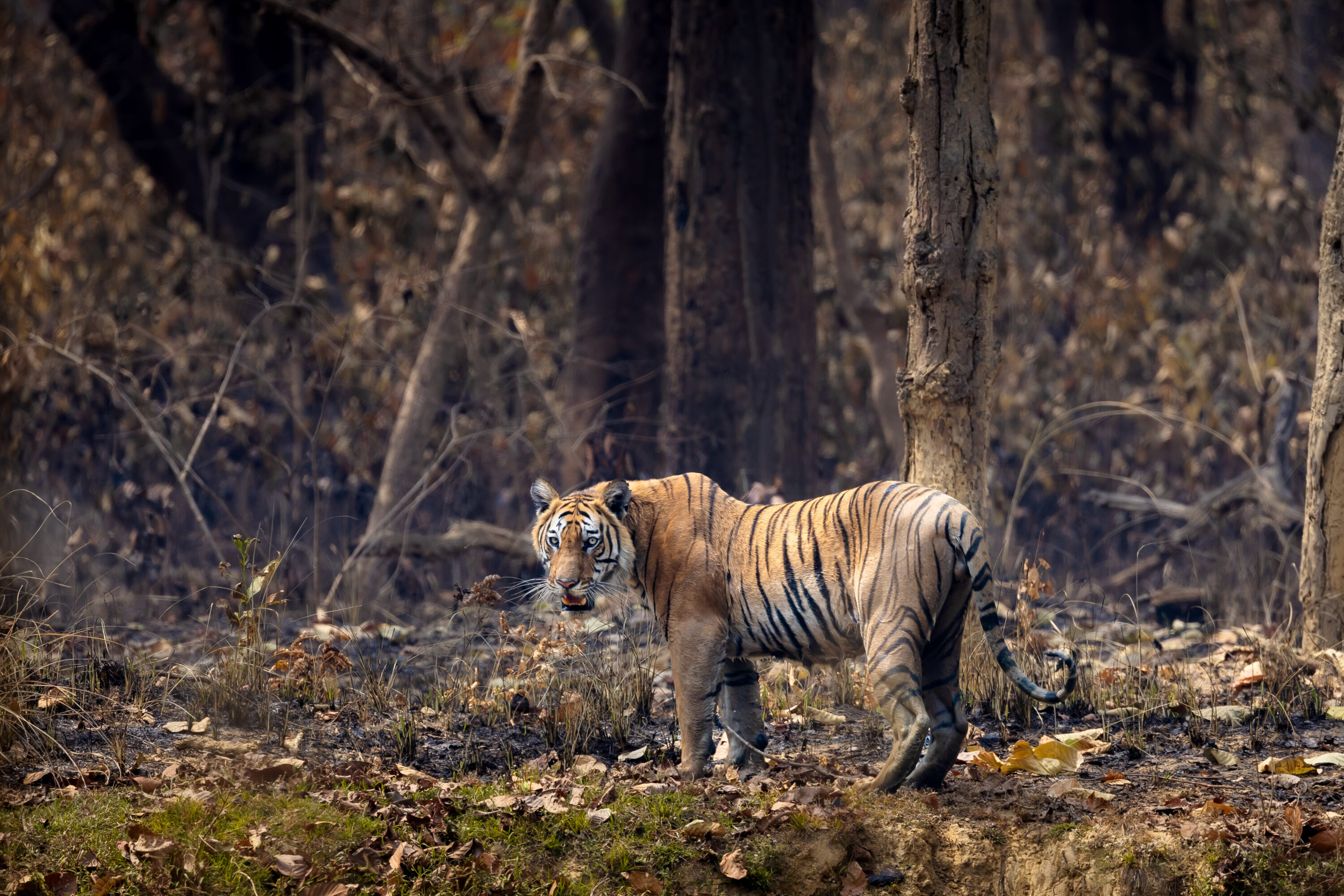
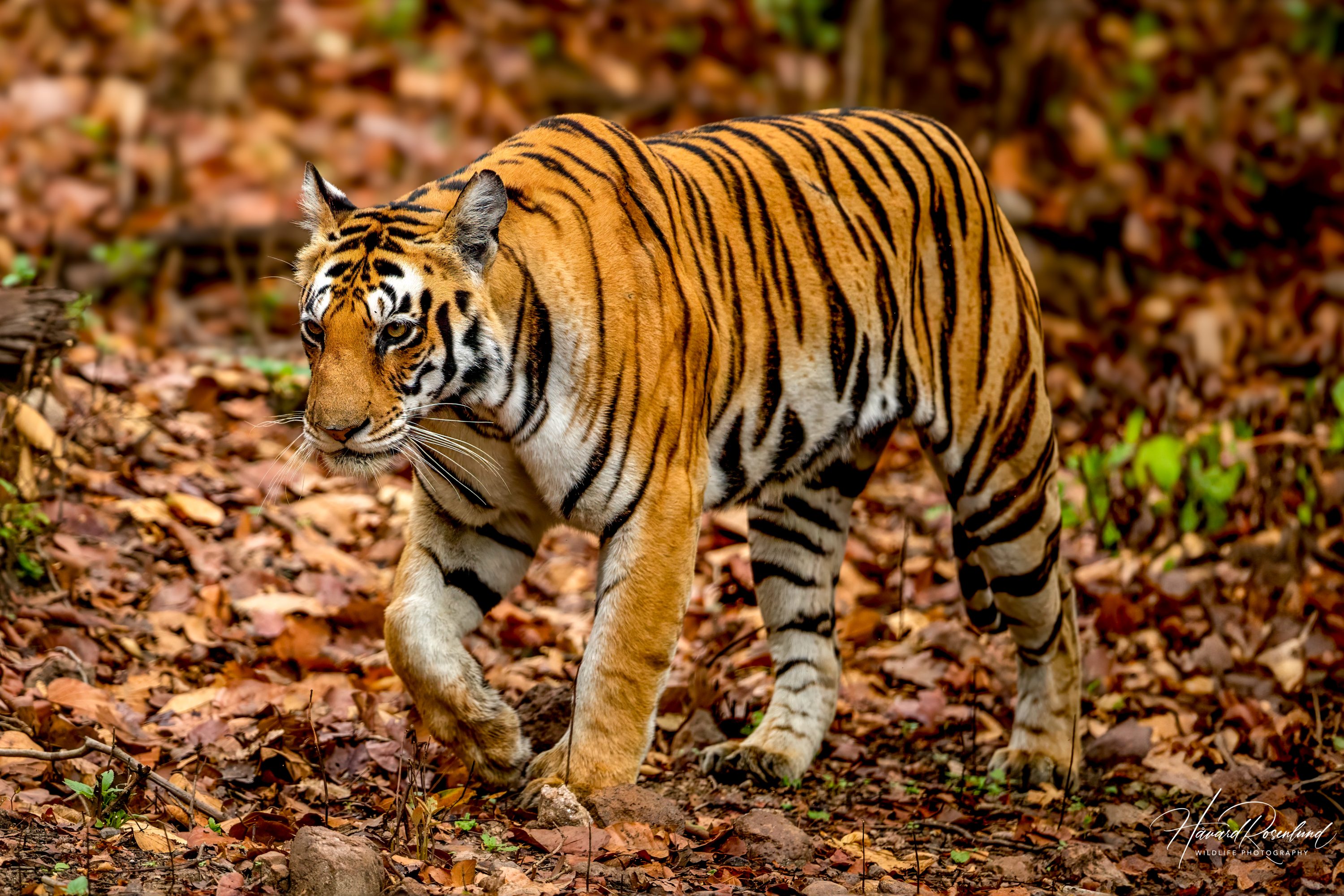
Nepal’s recovery of the tiger (Panthera tigris) has been accompanied by growing social and economic challenges in landscapes shared by people and large wildlife. A study published on 4 March 2026 in Biodiversity and Conservation analysed long-term trends in tiger numbers, human injuries and casualties, livestock losses, relief payments and wildlife management across the country’s Terai Arc Landscape.
The researchers combined government statistics and reports with a literature review, interviews with 50 key informants and a stakeholder workshop. Over the study period, Nepal’s wild tiger population rose from fewer than 100 animals to 355, while several indicators of human–wildlife conflict also increased significantly.
Tiger Numbers and Several Conflict Indicators Rose Together
Across roughly 15 years, the study reported annual averages of 18 human casualties, 152 injuries and 47 cattle losses. Tiger abundance was strongly positively correlated with several conflict measures, including human injuries, cattle losses and total incidents. Tiger numbers, human injuries, casualties, cattle losses and public relief payments also increased over time.
The authors treat these results as associations between parallel trends rather than evidence that tiger population growth alone explains every conflict event. Conflict levels are also shaped by how people use forests and farmland, prey and habitat availability, livestock husbandry, infrastructure and local mitigation measures.
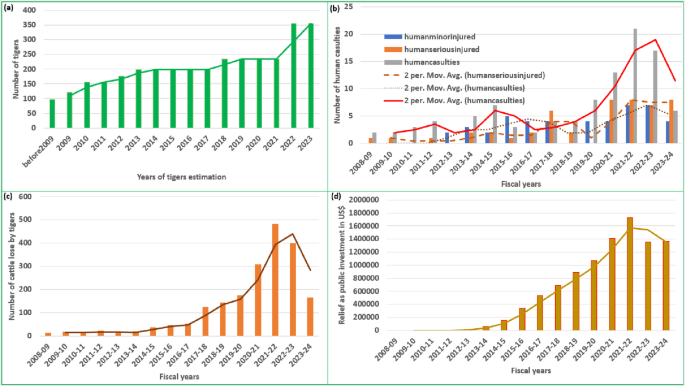
Cattle Losses and Relief Payments Peaked Around 2021–2022
Public relief payments for wildlife damage averaged about US$1.1–1.18 million annually. These payments cover damage caused by 17 wildlife species under Nepal’s compensation system, not only tiger incidents. Cattle losses and relief payments peaked around 2021–2022 before declining toward 2024, a change the authors associate with strengthened livestock protection, patrolling, compensation procedures and community awareness after the COVID-19 period.
Stakeholder priorities differed: local communities emphasised safety and compensation, while officials and other organisations placed more weight on enforcement, coordination and longer-term mitigation. The authors argue for approaches that combine conflict prevention and early warning with livelihood protection, habitat and prey management and coordinated landscape planning.
The study did not quantitatively compare alternative management approaches, and its focus on Nepal’s Terai Arc Landscape limits how broadly the conclusions can be generalised. The proposed policy alternatives were also not tested through scenario analysis or further stakeholder consultation.
Human–wildlife conflict
Related news
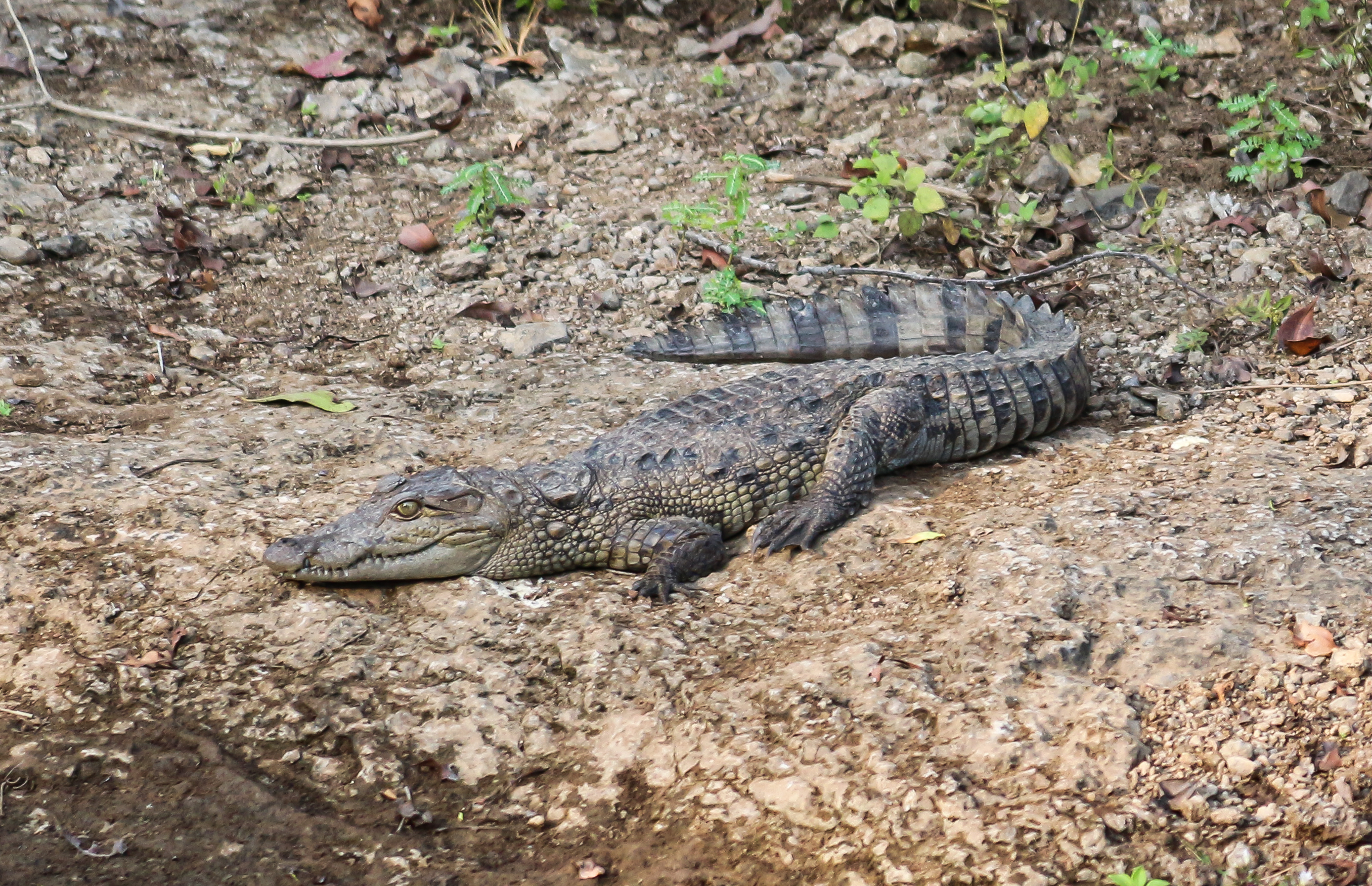
Falling Tungabhadra Water Levels Brought Mugger Crocodiles Onto Riverbanks in Kurnool
Receding water in the Tungabhadra brought mugger crocodiles onto exposed banks in Kurnool, where one was attacked by…
Read story →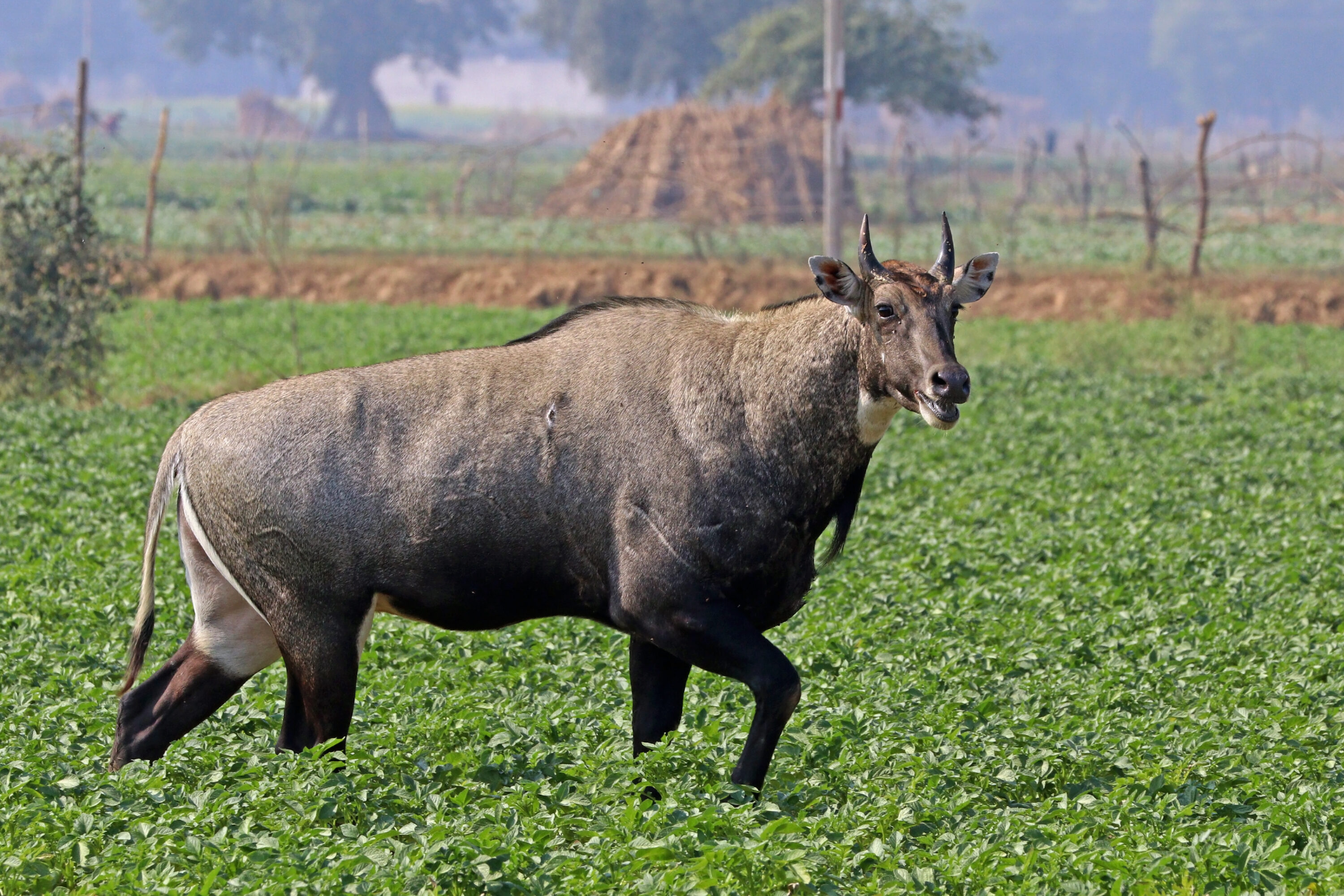
Farmer Survey Estimated Annual Nilgai Crop Destruction Near Junagadh at 63%
A farmer survey across eight villages near Junagadh estimated annual nilgai crop destruction at 63%, with groundnut particularly…
Read story →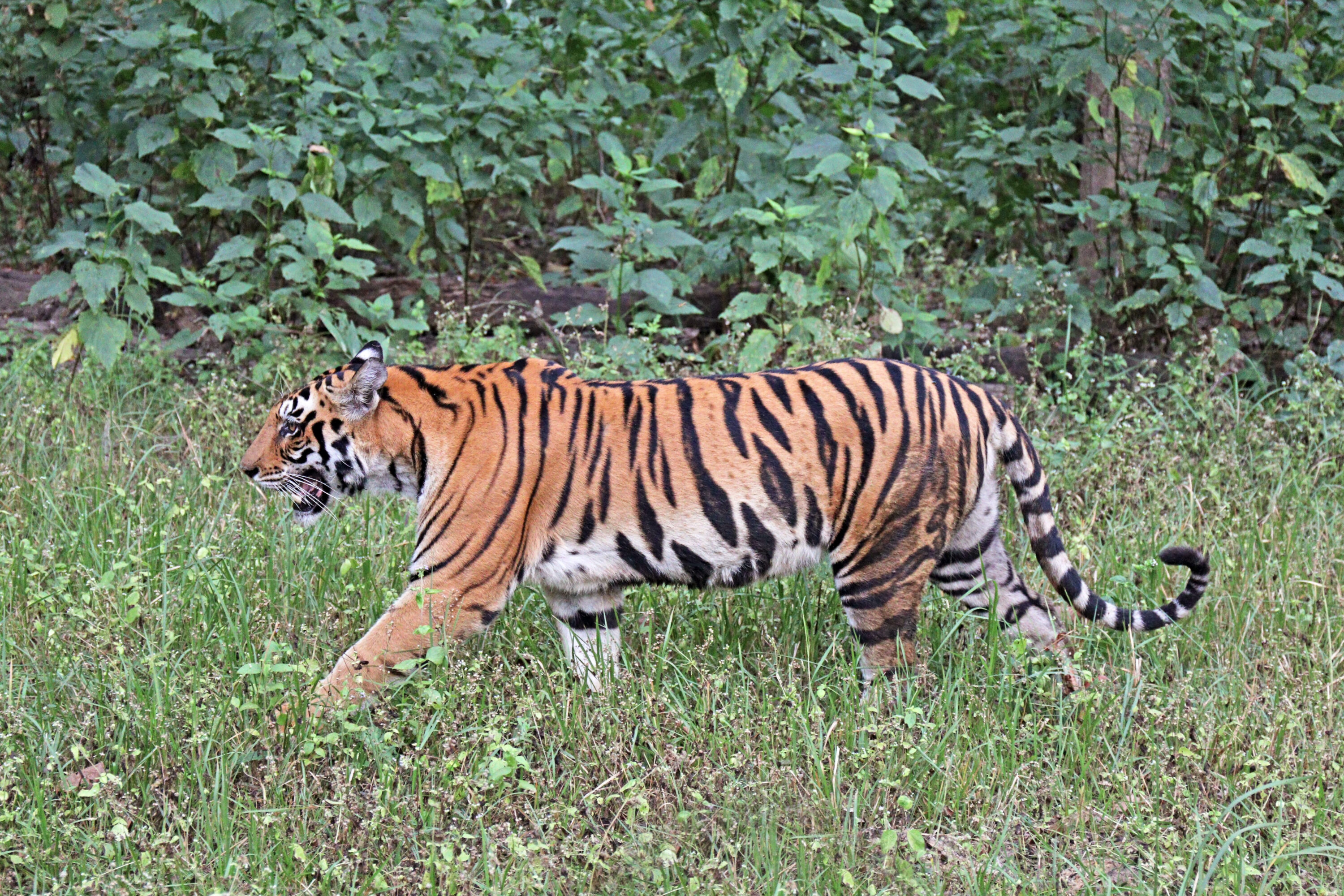
Tiger Recovery Was Not Consistently Linked to More Human–Tiger Conflict
A 2010–2025 synthesis from ten tiger range countries found no consistent relationship between tiger population size and total…
Read story →SPECIES IN THIS STORY
Species in this story
Independent research and conservation news archive
Did you find this information useful?
Wildlife Vagabond is independently built and maintained. Voluntary support helps cover source verification, hosting and continued work on research and conservation news.
Support Wildlife VagabondThe news archive will remain freely available.