
Kanha–Achanakmar May Be the Crucial Link in a Wider Central Indian Tiger Corridor
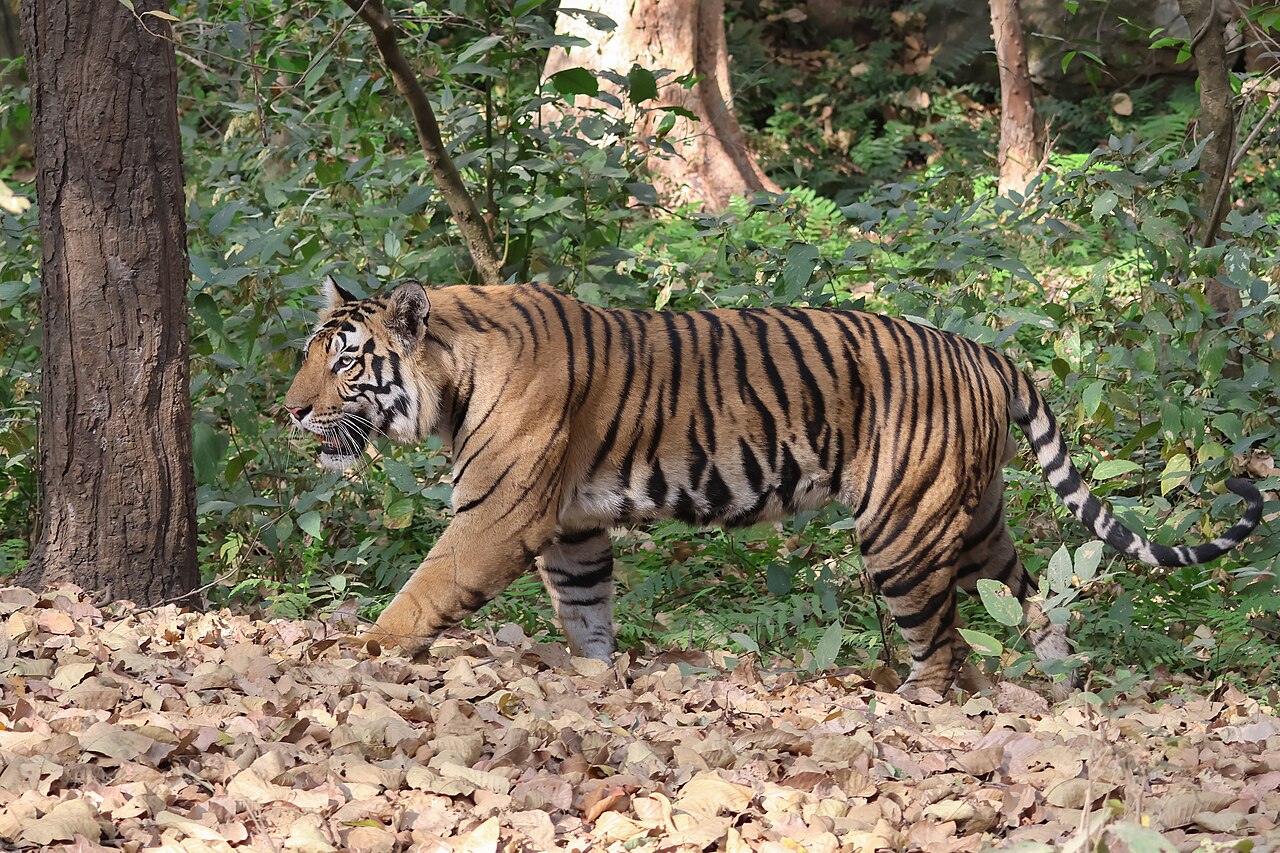
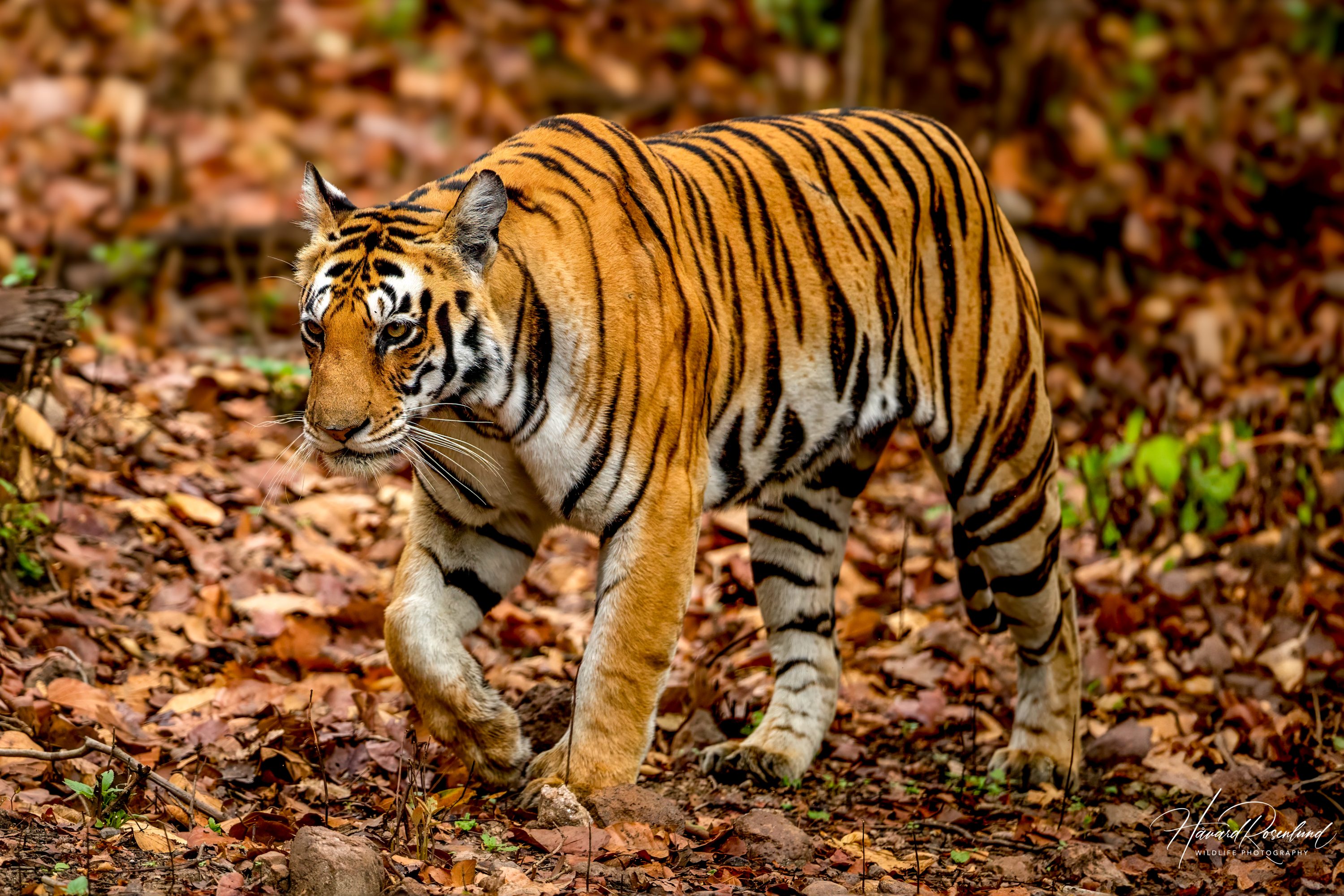
A landscape study of Bengal tigers (Panthera tigris tigris) in central India identified Kanha–Achanakmar as a particularly important link between tiger habitats. In the wider landscape, the Pench–Kanha–Achanakmar chain emerged as a key potential route for tigers moving between breeding populations.
The researchers combined satellite data with information on forest cover, prey, human pressure and other landscape features to estimate where tiger movement should be easier or harder. They then analysed how the most suitable habitat patches connected to one another.
Kanha–Achanakmar connected many other habitat patches
Kanha–Achanakmar received the strongest connectivity scores in the network analysis. In practical terms, many of the most efficient connections between other suitable habitat patches passed through this part of the landscape. A link in that position can matter far beyond its own size because losing it can split a much larger network.
The wider Pench–Kanha–Achanakmar landscape was therefore highlighted as an important potential dispersal route. Connections between breeding populations can allow young tigers to establish new territories and help maintain gene flow rather than leaving reserves as isolated population islands.
The study mapped potential movement, not tracked tigers
The study did not follow individual tigers through these corridors. Its routes are predictions based on habitat suitability and landscape connectivity, so they show where movement appears most feasible rather than how many tigers currently use each link.
The modelling also explored how prey–predator relationships and different movement strategies could affect connectivity. These simulations help compare possible routes, but they are not observations of tiger behaviour.
The maps are a starting point for corridor protection
The land-cover data underlying the analysis came from LISS-III satellite imagery from 2015. Because roads, settlements, agriculture and forest cover can change substantially, the mapped routes need to be checked against current local conditions before they guide specific restoration or development decisions.
The authors nevertheless argue that the results can help identify where maintaining forest links and restoring weakened connections would have the greatest value. The main biological message is that Kanha–Achanakmar appears to function as a central bridge within a broader Pench–Kanha–Achanakmar tiger landscape.
Habitat protection
Related news
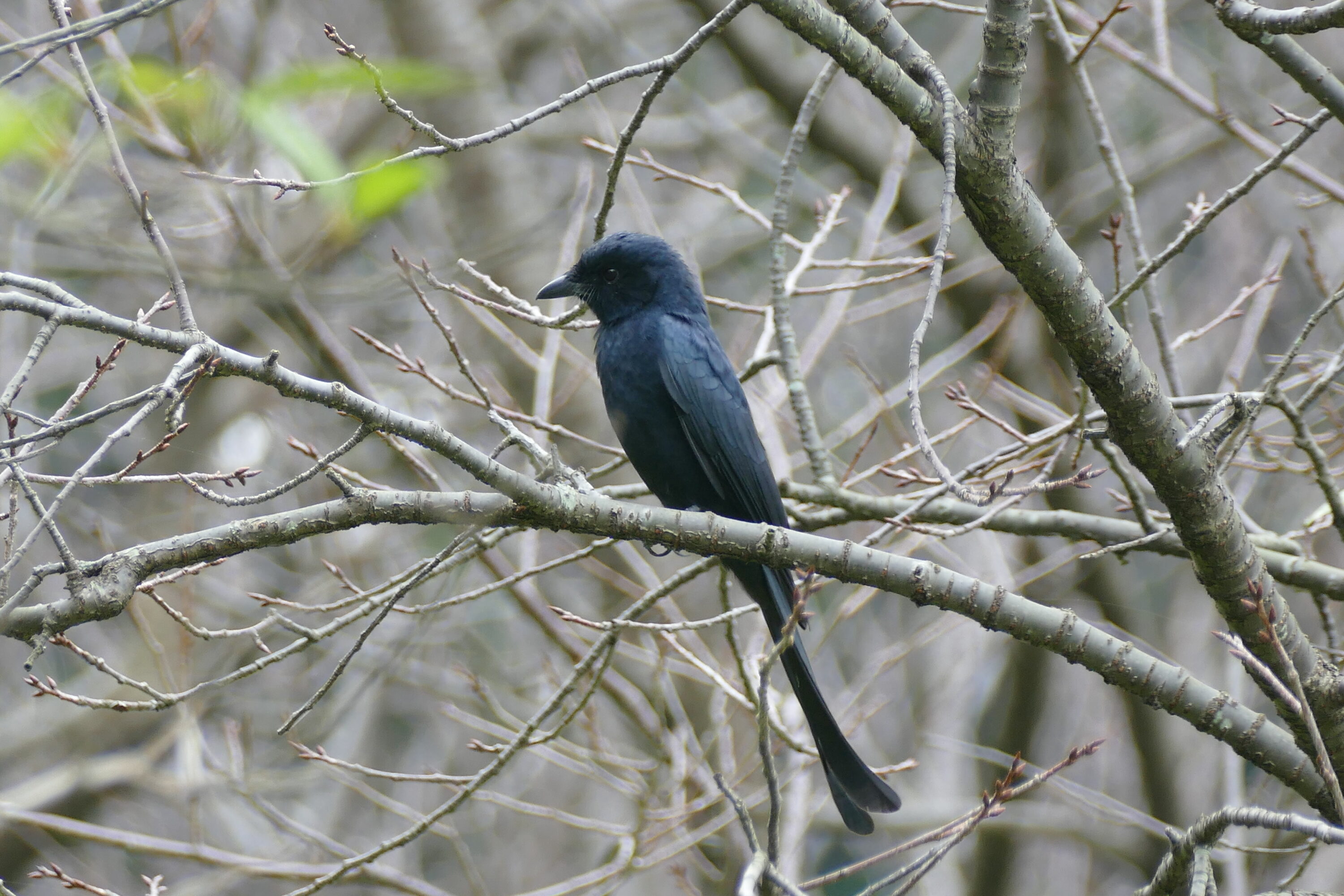
114,357 ha of Taiwan Farmland Was Modelled as Suitable for Four Bird Species
Suitable habitat for black drongo, common moorhen, zitting cisticola and scaly-breasted munia overlapped across 114,357 hectares of Taiwan…
Read story →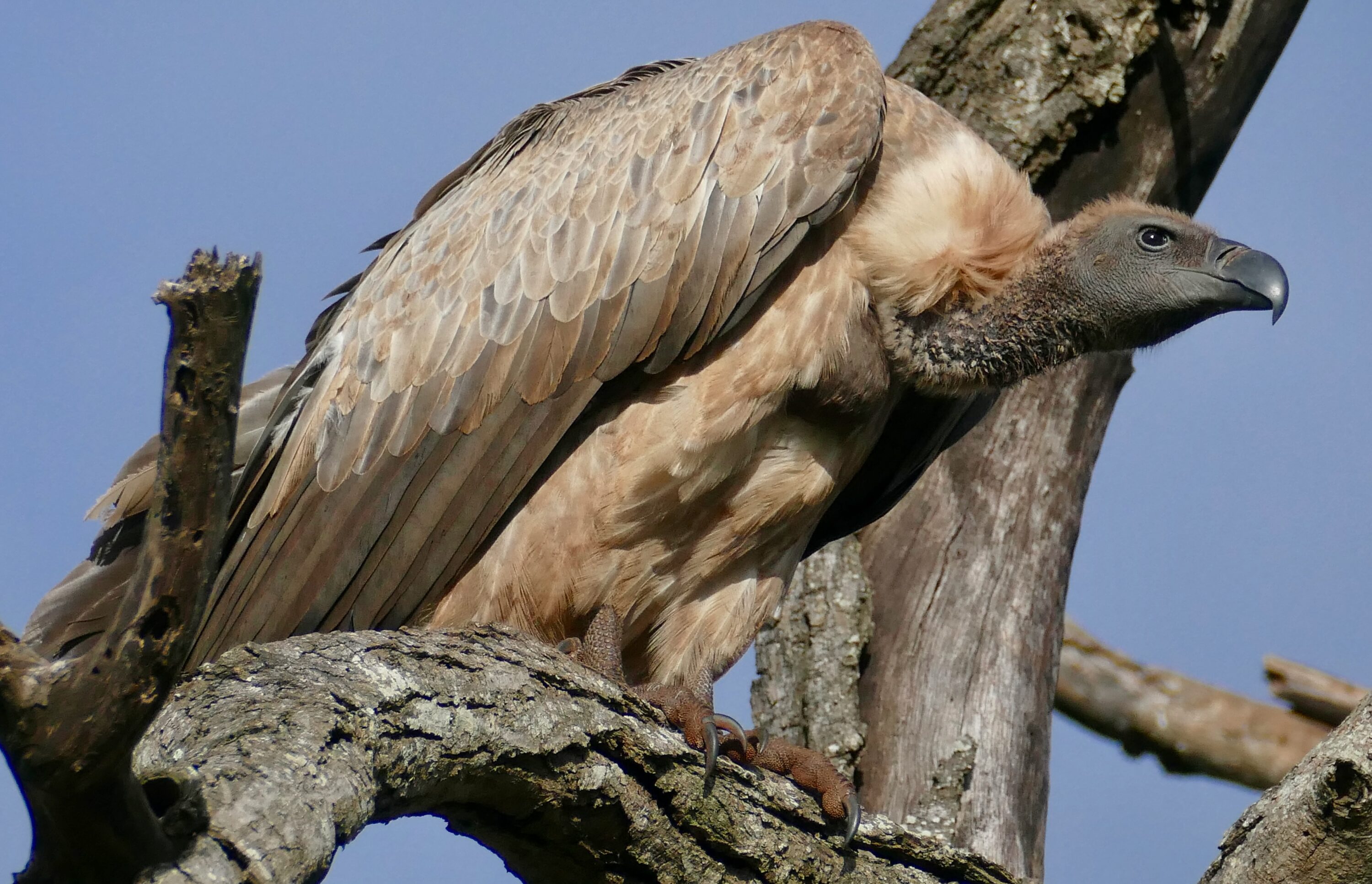
Two new studies sharpen the conservation map for white-backed vultures in Ethiopia
New surveys and habitat modelling from southwest Ethiopia identify important breeding, roosting and foraging areas for the critically…
Read story →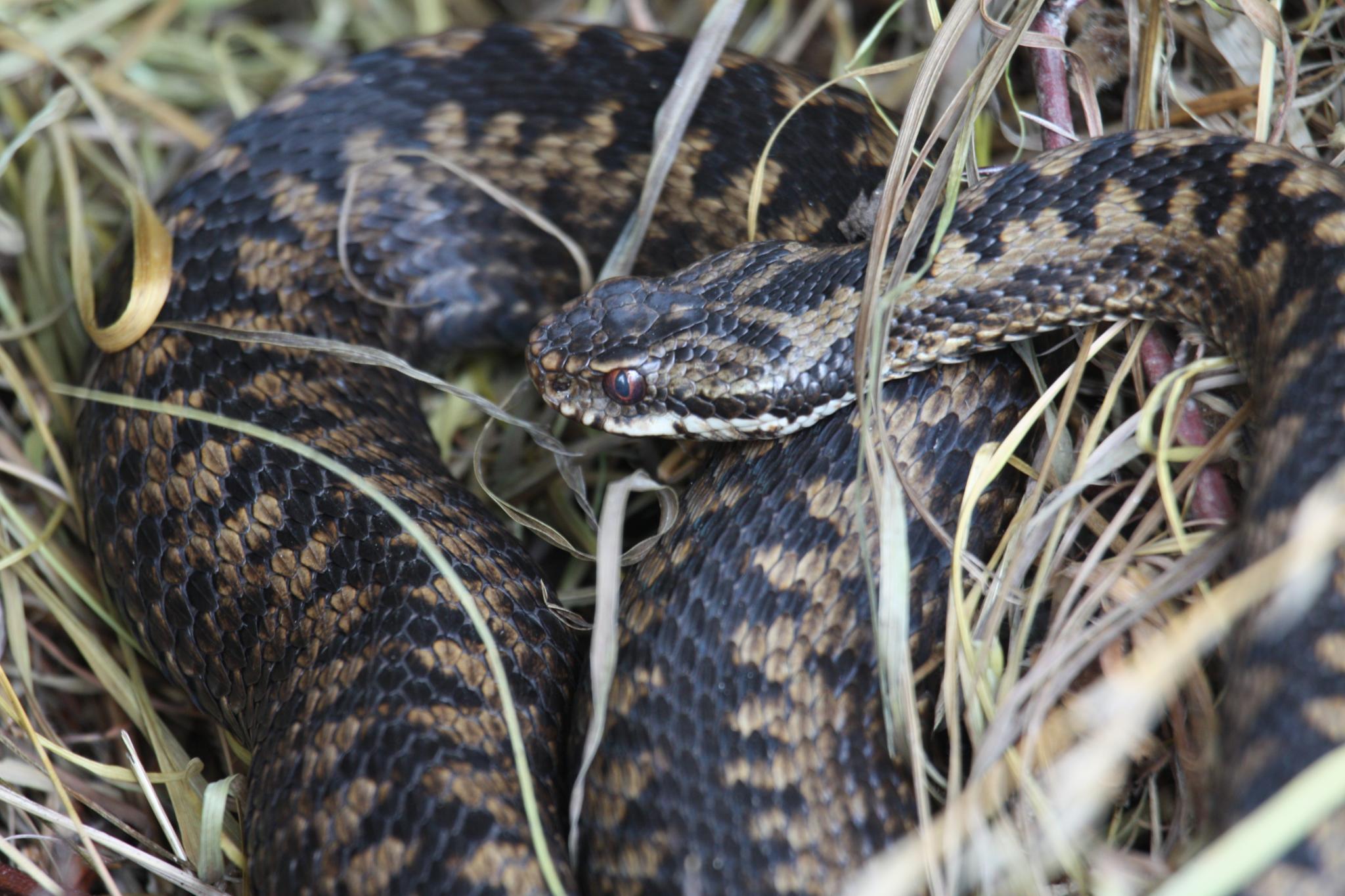
Cornwall Project Will Examine How Roads, Rivers and Habitat Fragmentation Affect Adders
A new Cornwall project will investigate how roads, rivers and fragmented habitats affect adder populations and their movement…
Read story →SPECIES IN THIS STORY
Species in this story
Independent research and conservation news archive
Did you find this information useful?
Wildlife Vagabond is independently built and maintained. Voluntary support helps cover source verification, hosting and continued work on research and conservation news.
Support Wildlife VagabondThe news archive will remain freely available.