
Campaigns Reduced Deer Feeding in Phoenix Park Only Briefly
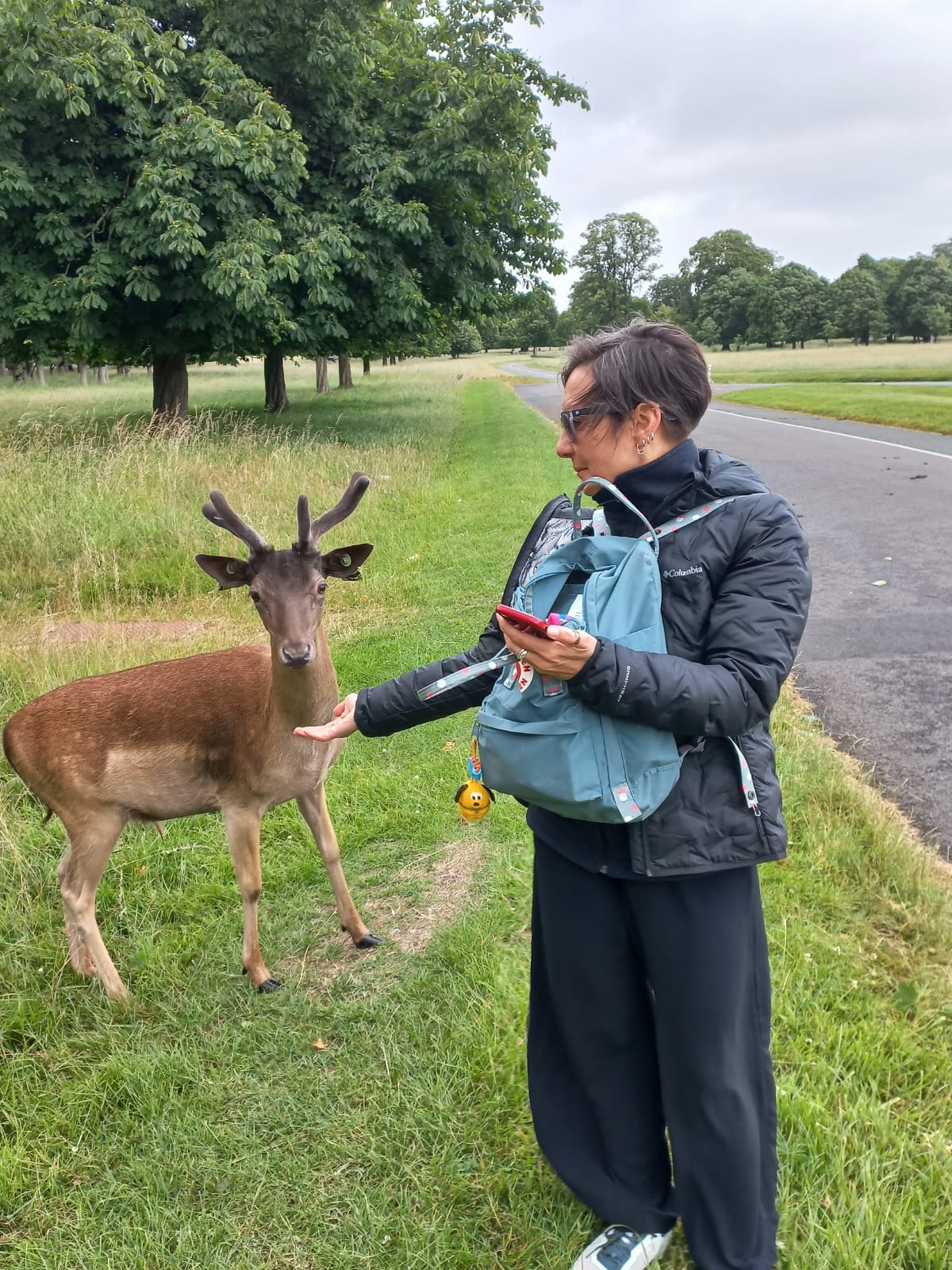
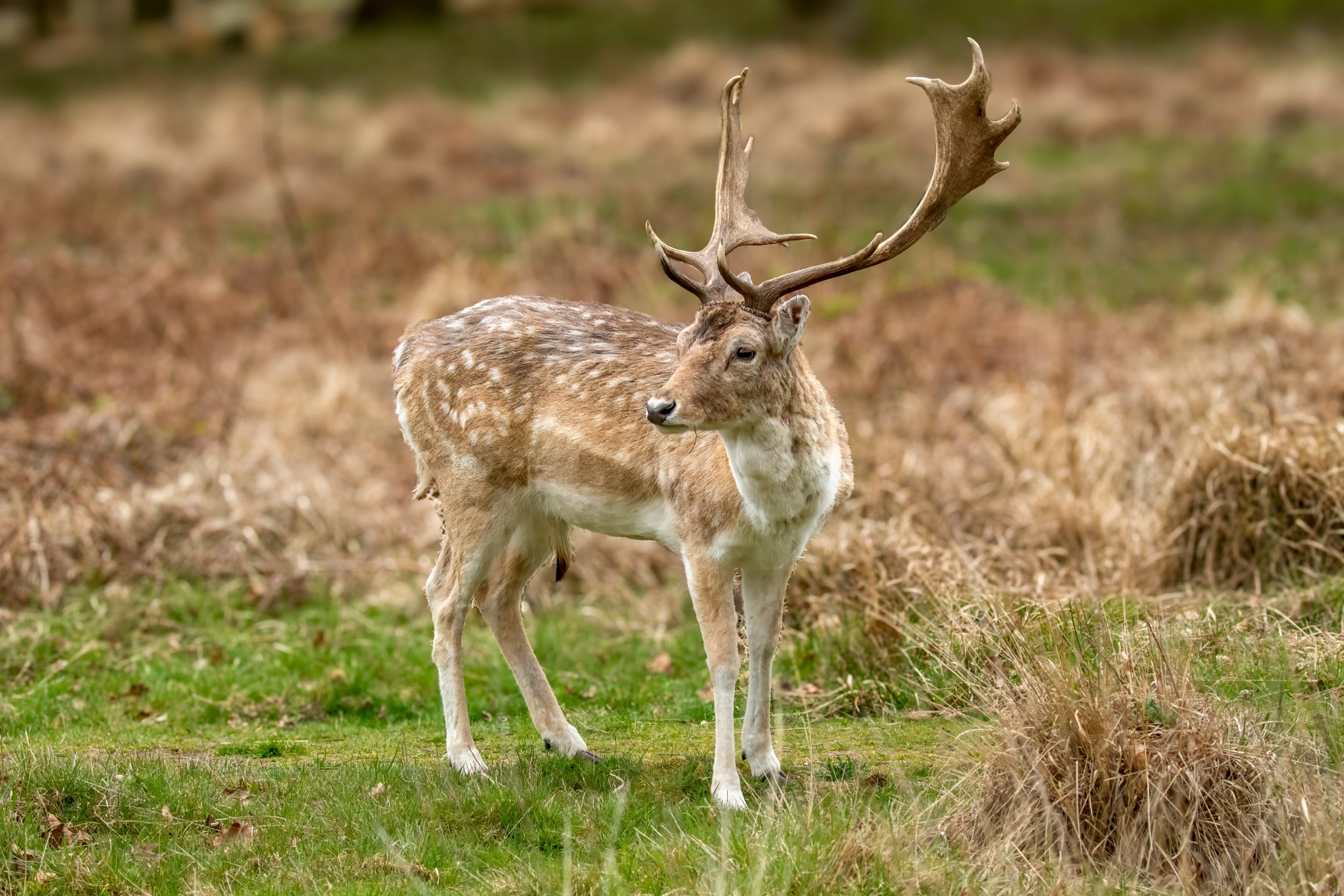
A seven-year study in Dublin’s Phoenix Park found that campaigns against feeding European fallow deer (Dama dama) reduced the behaviour only temporarily. Researchers followed human–deer interactions from 2018 to 2024 while the park introduced progressively larger efforts to discourage visitors from feeding the deer.
The study combined 432 early-summer herd observations collected across the seven years with an independent biweekly dataset containing 1,035 observations from 2021 to 2024. Measures introduced in 2019, including signs, posters and ranger patrols, were followed by a short-term drop in feeding. A media campaign in 2021 also reduced feeding initially, but the reductions did not persist and feeding later returned toward previous levels.
The largest campaign produced only a temporary effect
In 2024, managers combined internal measures and a large media campaign costing more than €50,000—about seven times the spending of earlier campaigns. The independent surveys nevertheless found no reduction in feeding, and recorded the highest levels since 2021.
One-off campaigns were unlikely to change behaviour for long
The authors conclude that one-off information campaigns are unlikely to produce lasting changes in this type of human–wildlife interaction. The three campaigns occurred before, during and after the COVID-19 pandemic, when park access and visitor audiences changed, and the authors treat that shifting social context as part of why management outcomes cannot be understood from campaign spending or information alone. They argue that management requires continued attention, long-term monitoring and interdisciplinary approaches involving managers, social scientists, communication specialists and other stakeholders.
Management
Related news
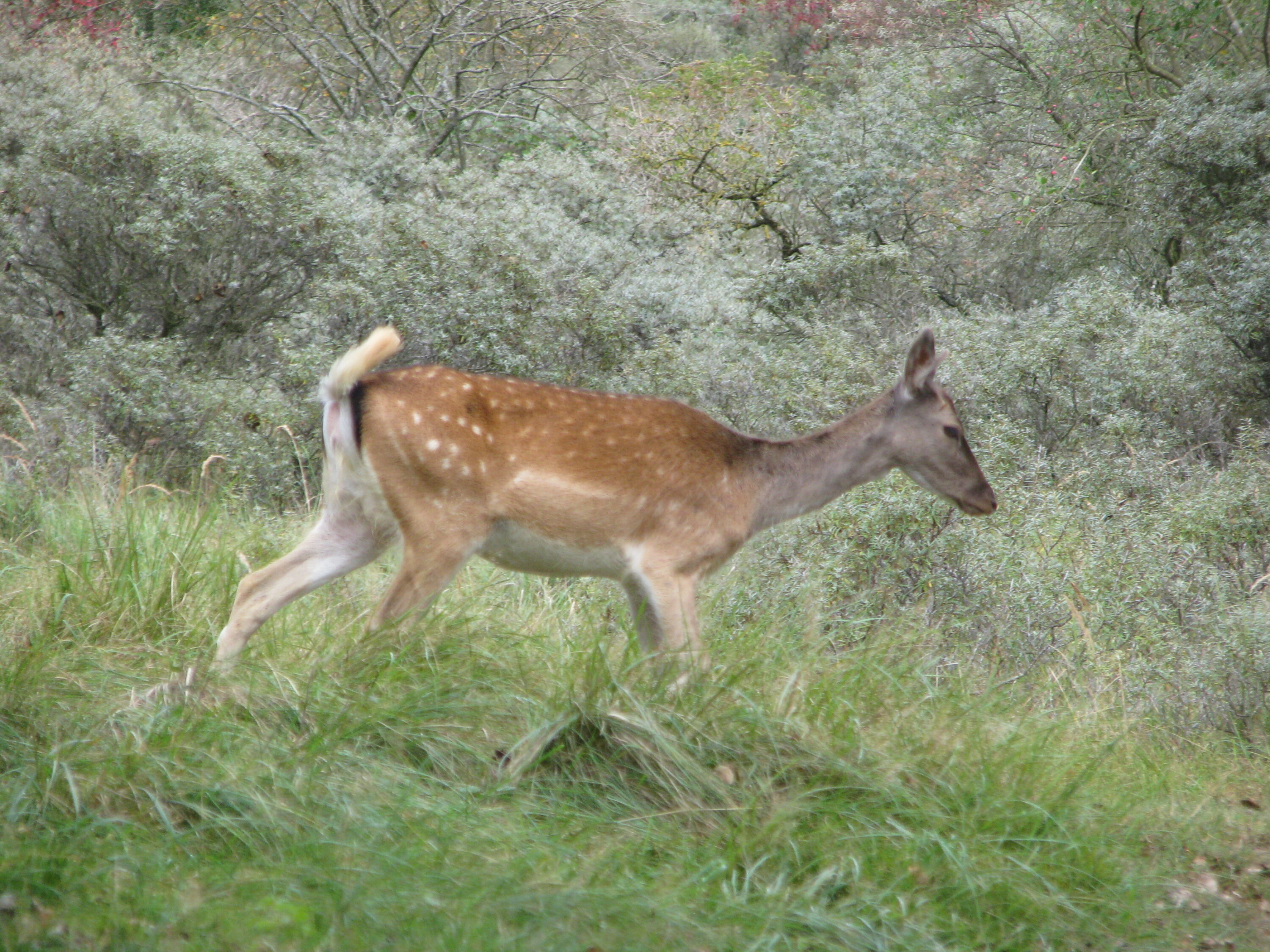
Male and Female Fallow Deer Followed Different Daily Schedules Outside the Rut
In 4,114 sexed camera-trap detections from a Dutch dune reserve, fallow deer favoured twilight and night. Outside the…
Read story →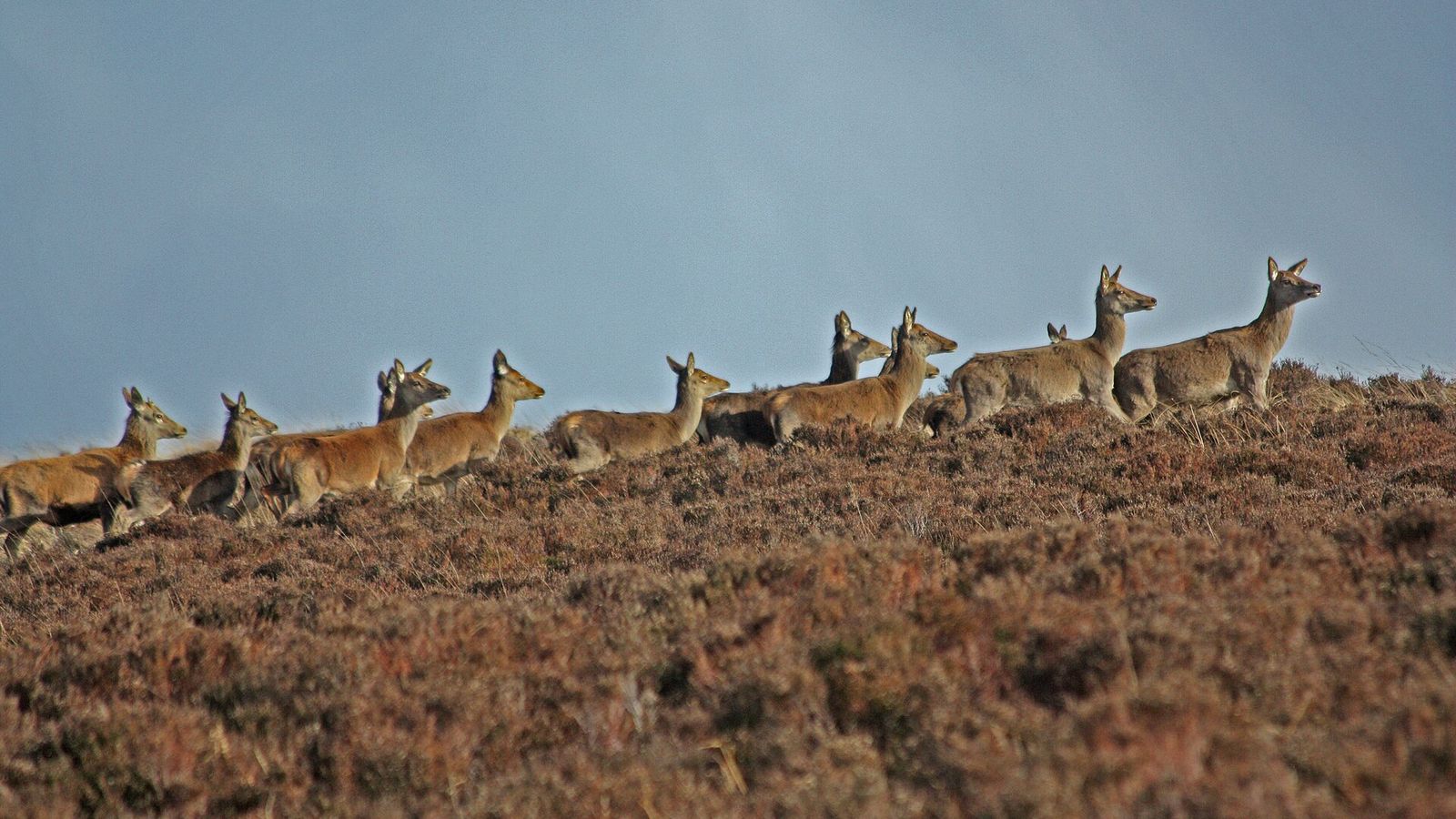
Estimated M. bovis Seroprevalence Was 26.6% in Exmoor Red Deer
A survey of 432 wild deer in the Exmoor area estimated Mycobacterium bovis seroprevalence at 26.6% in red…
Read story →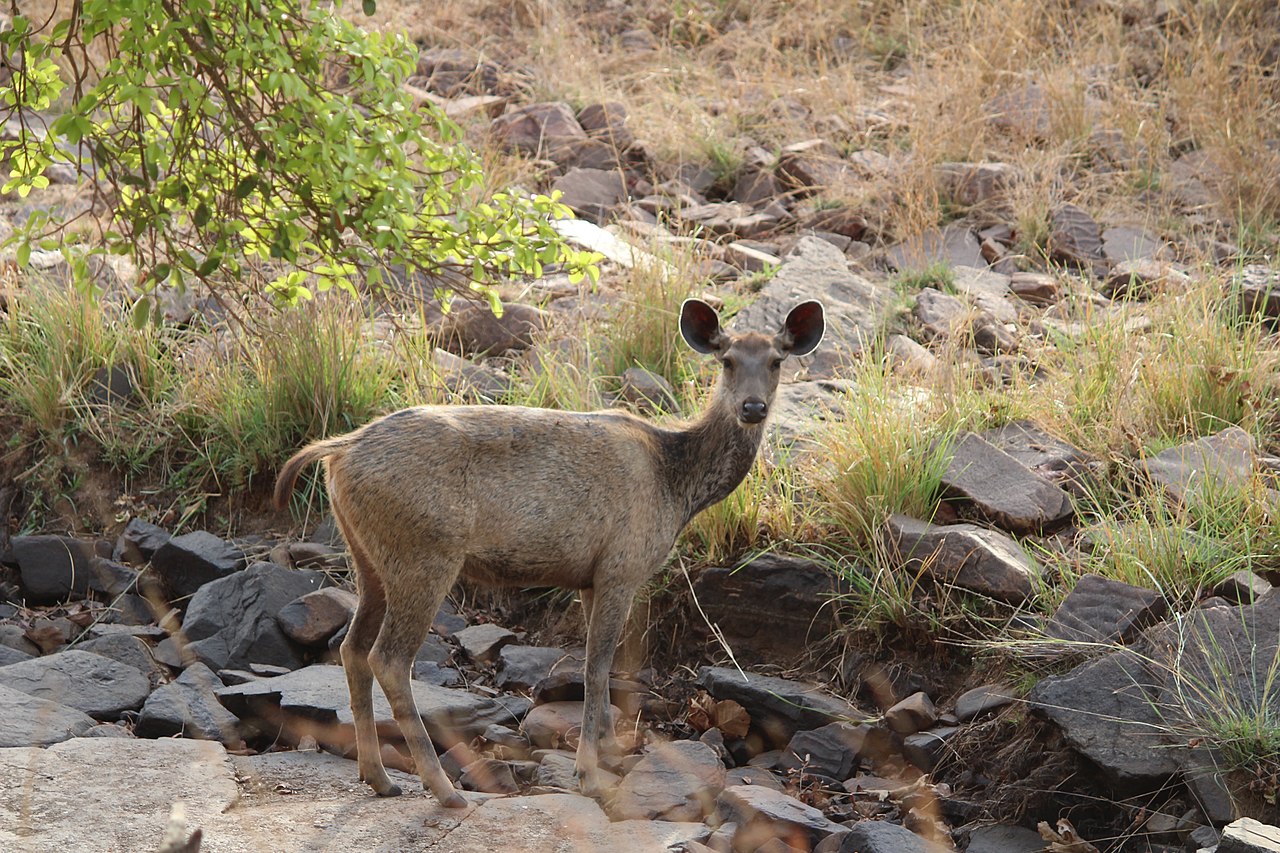
Wild Deer Near Farmland Had Greater Strongyle Diversity in Victoria
Metabarcoding of 194 faecal samples from sambar, fallow and hog deer in Victoria detected 11 strongyle taxa. Deer…
Read story →SPECIES IN THIS STORY
Species in this story
Independent research and conservation news archive
Did you find this information useful?
Wildlife Vagabond is independently built and maintained. Voluntary support helps cover source verification, hosting and continued work on research and conservation news.
Support Wildlife VagabondThe news archive will remain freely available.