
Wild Deer Near Farmland Had Greater Strongyle Diversity in Victoria
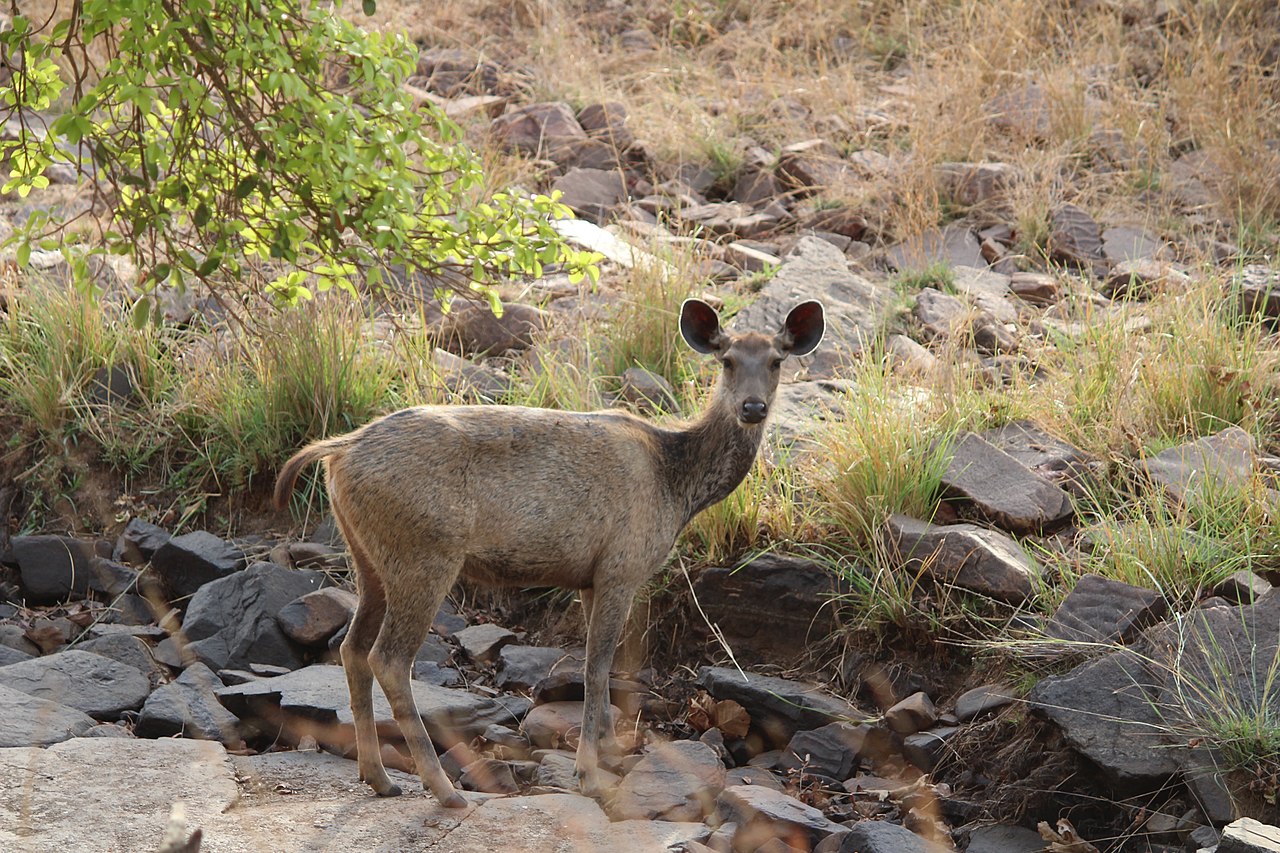
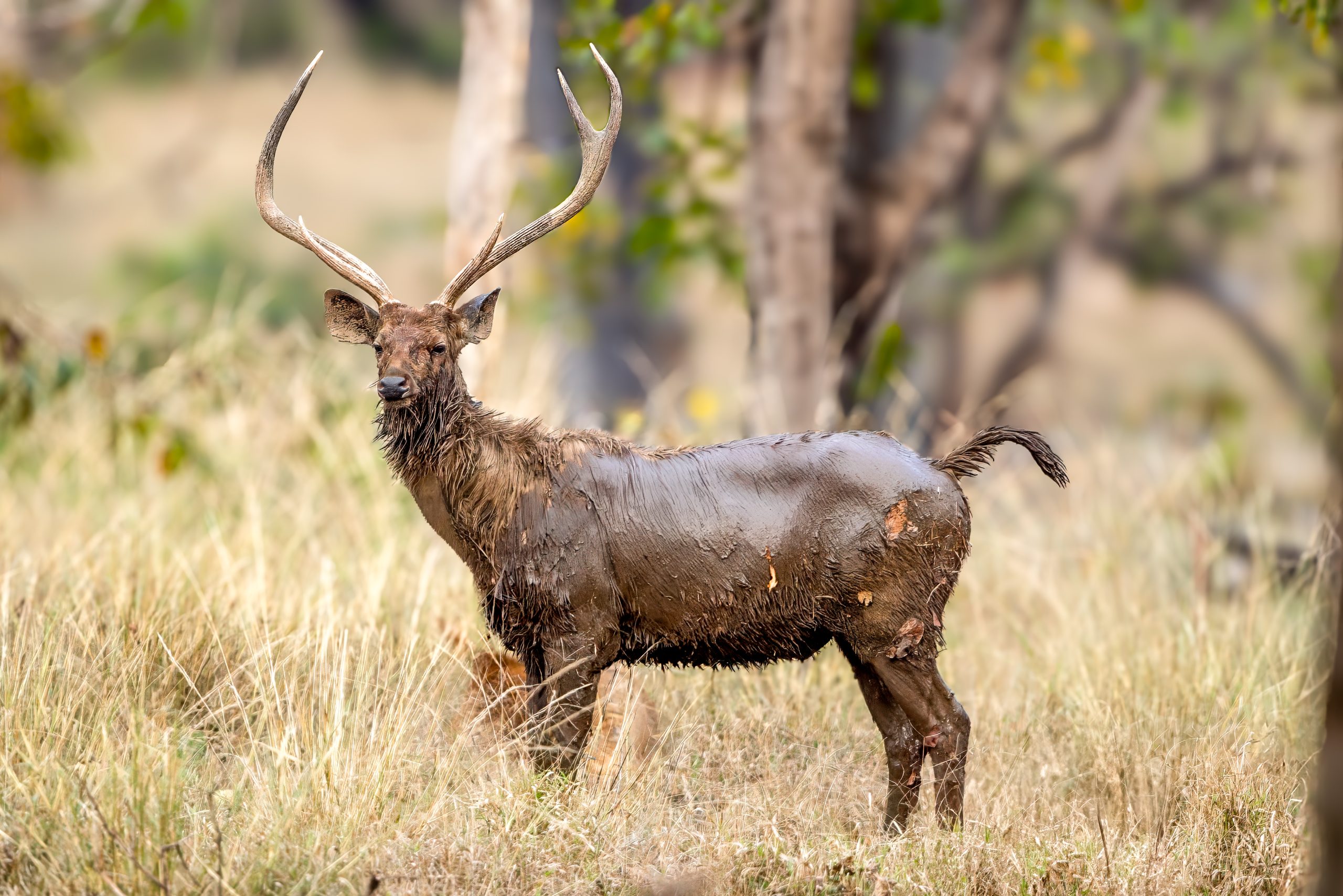
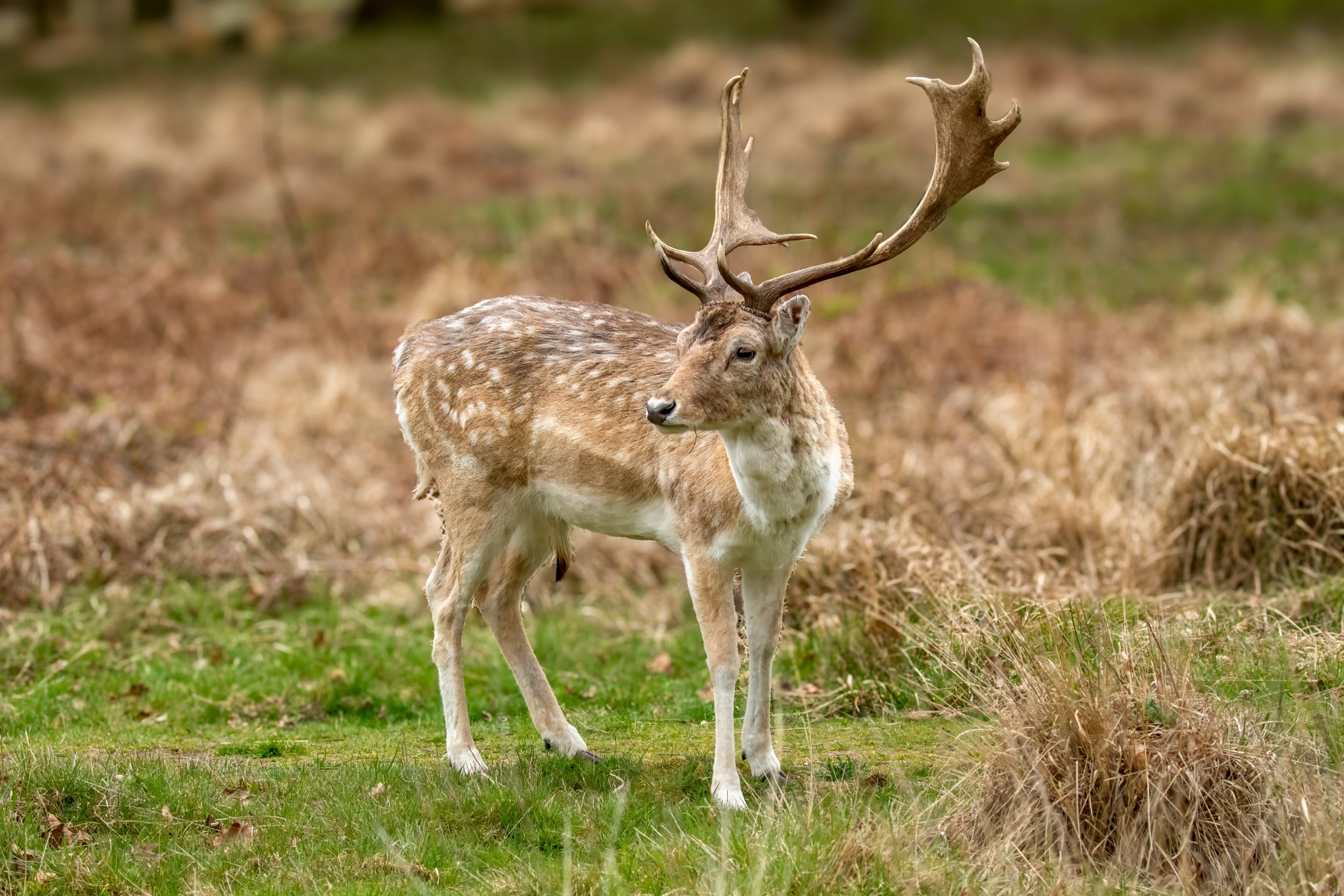
Wild deer sampled near farmland in Victoria, Australia, carried a more diverse community of gastrointestinal strongyles than deer from more remote sites. Strongyles are parasitic nematodes, or roundworms, that include many species living in the digestive tract of ruminants. The study analysed 194 faecal samples from sambar (Rusa unicolor), European fallow deer (Dama dama) and hog deer (Axis porcinus).
The researchers used nemabiome metabarcoding, a method that reads a standard DNA marker from many nematodes in the same faecal sample. They sequenced the ITS-2 region, which varies enough among many strongyles to distinguish taxa that are difficult to identify from faecal eggs alone. Strongyle DNA was detected in 104 samples, revealing 11 taxa.
Most detected taxa are also known from domestic ruminants
The cervid-associated Spiculopteragia asymmetrica was the most frequently detected taxon. Eight of the other detected taxa are commonly associated with domestic ruminants, including cattle and sheep. The study therefore found substantial overlap between parasite groups known from livestock and those present in wild deer.
Samples from deer living near farmland contained clearly greater strongyle diversity than samples from more remote locations. The researchers also detected overlapping parasite taxa in deer and cattle grazing in the same areas.
Shared parasites do not by themselves show transmission direction
The overlap is consistent with deer and livestock sharing parts of the same parasite community at the wildlife–livestock interface. It does not, however, show whether particular parasites moved from cattle to deer, from deer to cattle or were acquired independently from the same contaminated environment.
The 194 samples comprised 80 sambar, 44 fallow deer and 70 hog deer. By resolving parasite DNA to a finer taxonomic level than conventional egg counts usually allow, the study provides a clearer picture of which strongyles occur in Victoria’s wild deer and where overlap with livestock may warrant closer investigation.
Disease, parasites & microbiology
Related news
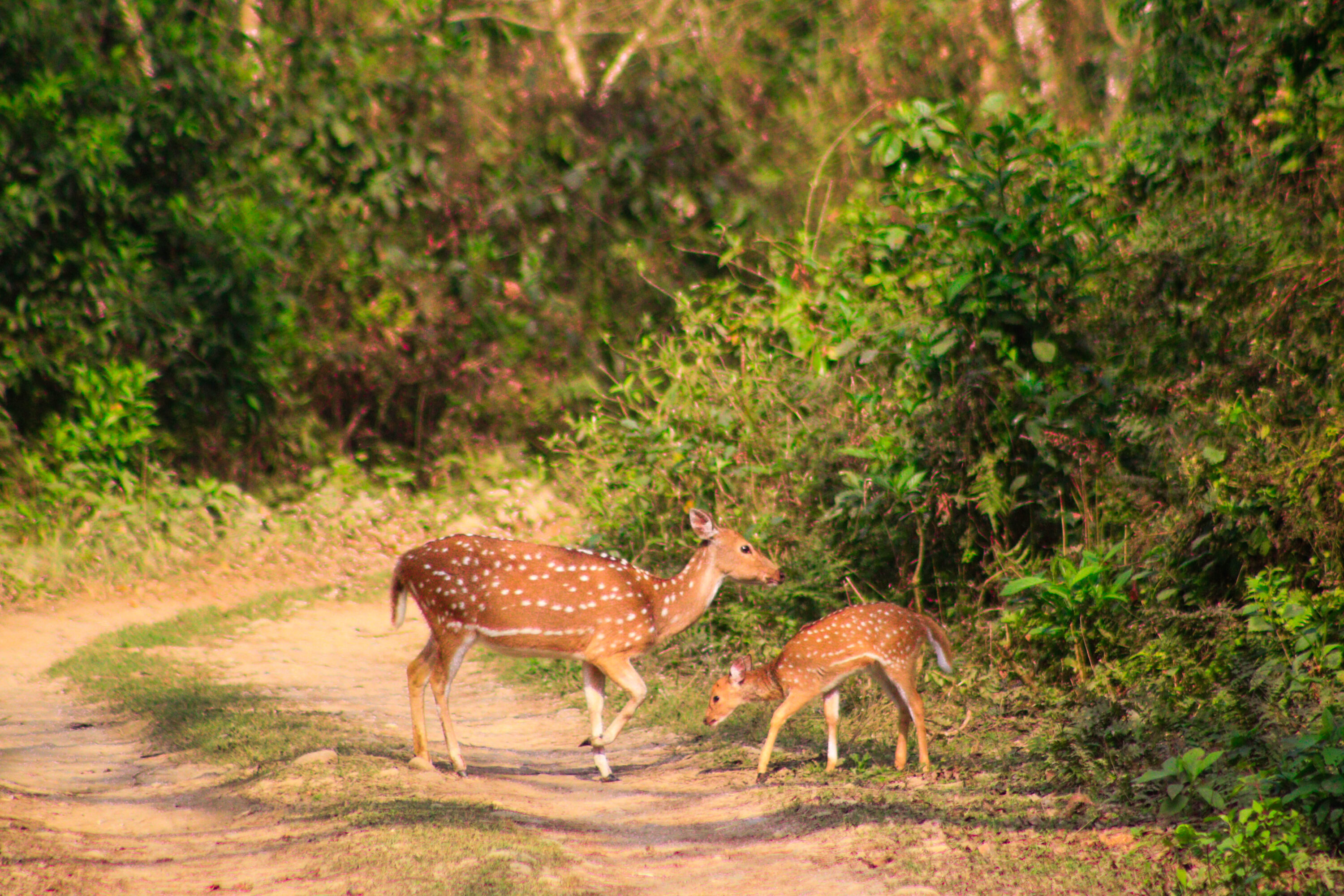
Human Activity and Large Wildlife Overlapped Most in Chitwan’s Buffer Zone
Camera traps across Chitwan National Park and surrounding forests showed the greatest overlap of human activity with large…
Read story →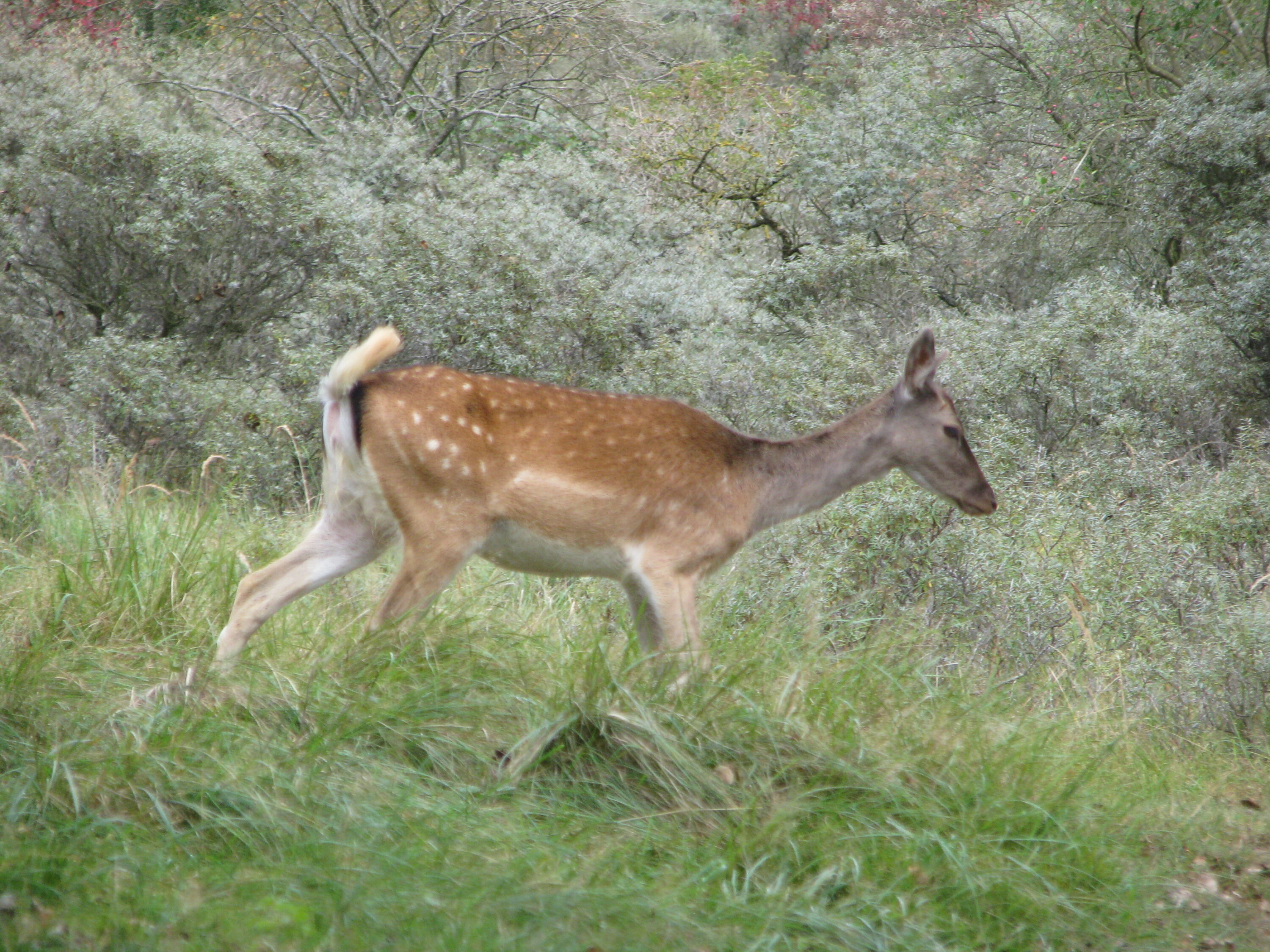
Male and Female Fallow Deer Followed Different Daily Schedules Outside the Rut
In 4,114 sexed camera-trap detections from a Dutch dune reserve, fallow deer favoured twilight and night. Outside the…
Read story →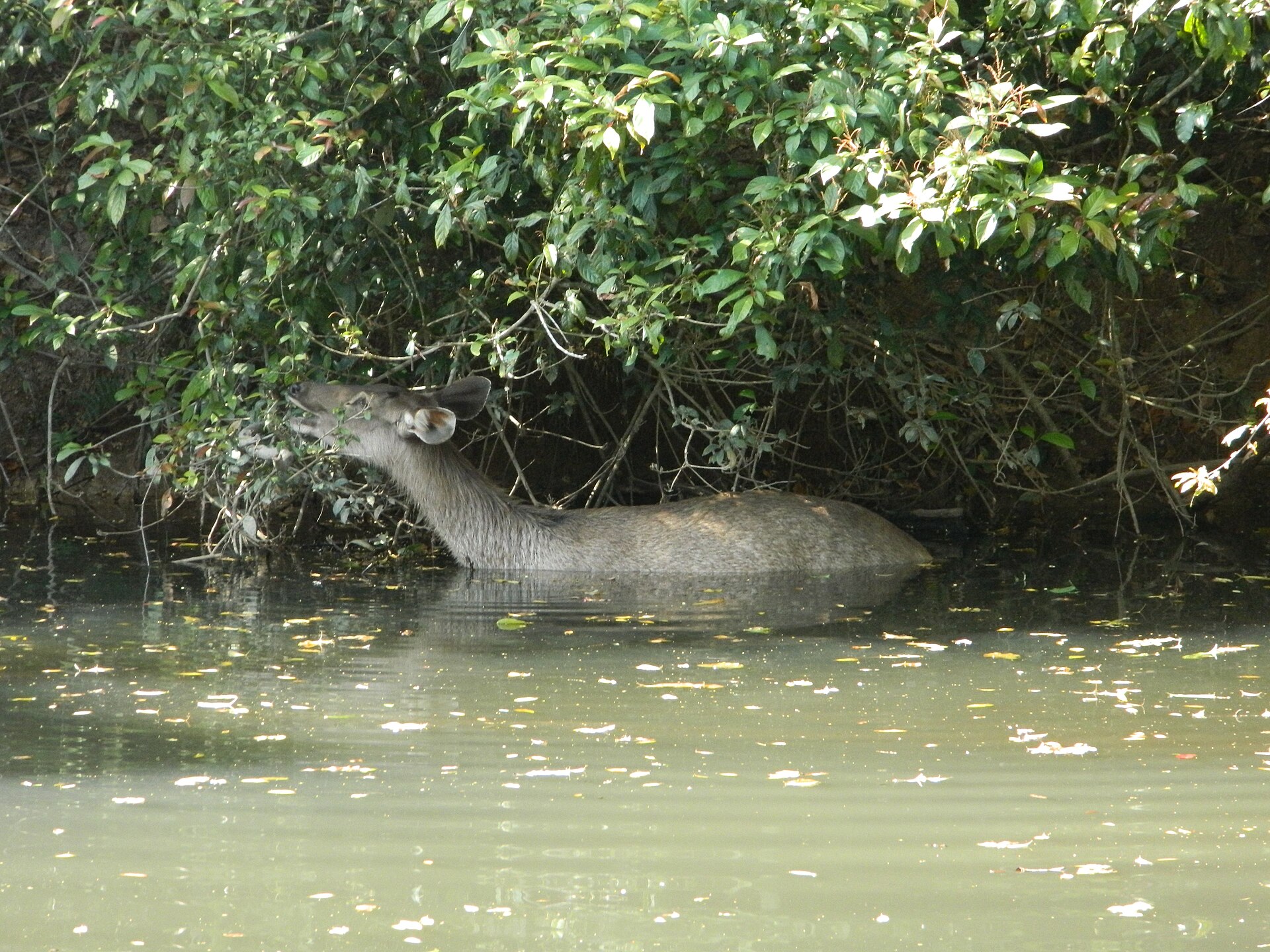
DNA in Droppings Reveals Individual Sambar – but DNA Traces Degrade Quickly in Nature
Droppings could allow researchers to monitor sambar populations without capturing the animals. An Australian experiment shows that the…
Read story →SPECIES IN THIS STORY
Species in this story
Independent research and conservation news archive
Did you find this information useful?
Wildlife Vagabond is independently built and maintained. Voluntary support helps cover source verification, hosting and continued work on research and conservation news.
Support Wildlife VagabondThe news archive will remain freely available.