
Poole Harbour Ospreys Fledged Four Chicks for Third Year Running
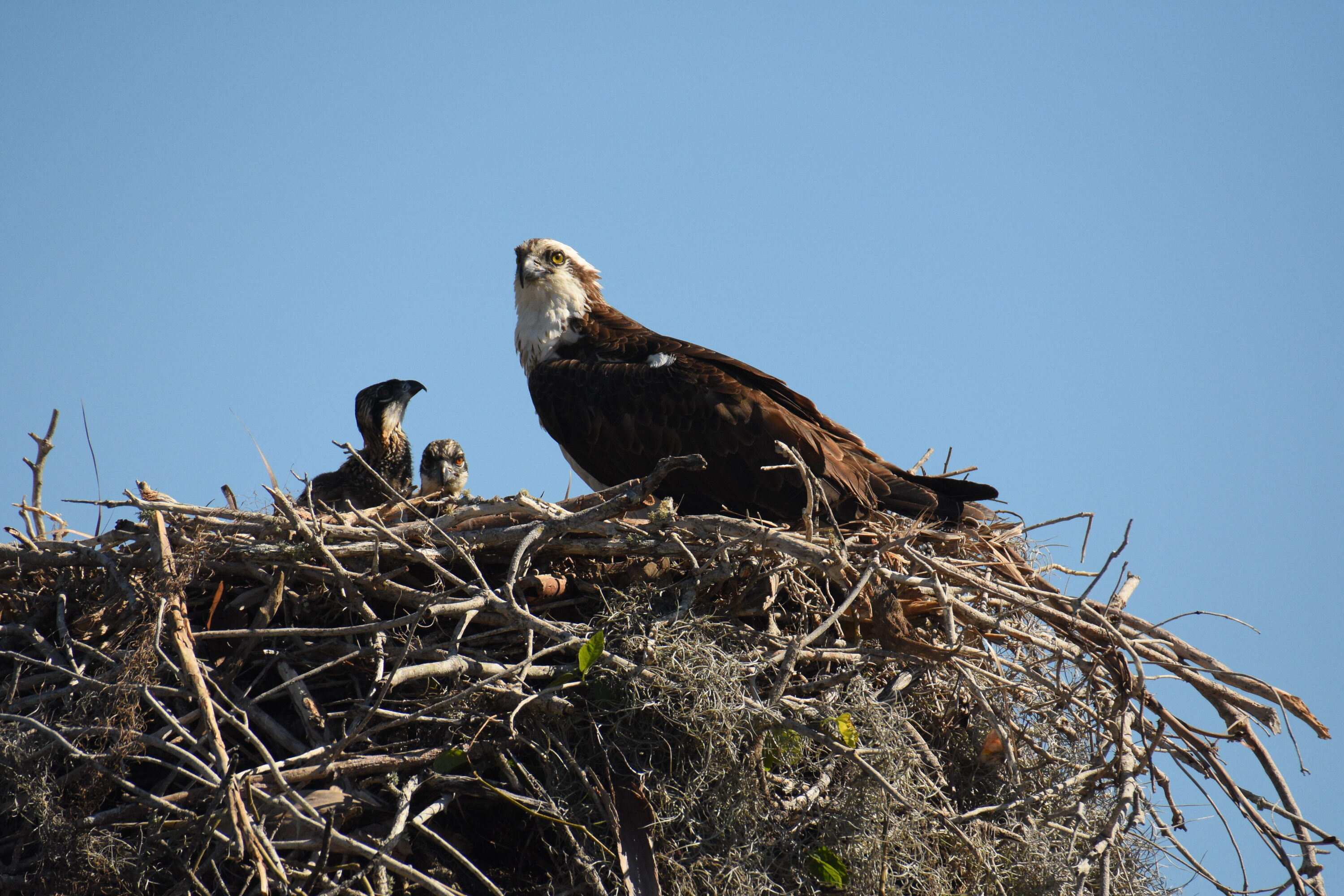
The main osprey (Pandion haliaetus) pair at Poole Harbour in southern England fledged four chicks in 2026 for the third year running. A second nest in southern England raised another three, while four young males hatched at the main Carey nest in earlier years returned to the harbour and began prospecting for territories. Birds of Poole Harbour reported the season’s results on 11 August.
The reintroduction project, run by Birds of Poole Harbour and the Roy Dennis Wildlife Foundation, began in 2017. The Carey pair, female CJ7 and male 022, became the first ospreys to breed on England’s south coast in more than 180 years. They have now produced 17 fledged chicks across five breeding seasons. Four-chick broods are unusual: the project reports that fewer than 1% of ospreys raise four young.
Seven chicks fledged from the two southern England nests
Across the two nests in southern England, seven chicks fledged in 2026. The project also counts birds breeding at three nests in Wales and one in the East Midlands that originated from the Poole Harbour work. Including these pairs, 16 project-linked chicks fledged in 2026 and 57 have fledged in the wild over the past six years.
Young males returned to prospect for territories
The return of young males is another sign that the restored population is beginning to recruit locally. Four males hatched at Carey were seen around Poole Harbour in 2026. Three belonged to the four-chick brood from 2024, so 75% of that known cohort returned in the first year they were expected back in Britain. Birds of Poole Harbour gives an average return rate of about 30% for young ospreys.
The returning males repeatedly visited the established pair and inspected possible nest sites, although most were still too young to breed. Several females also visited the harbour. The project notes that male ospreys tend to breed near their birthplace, a pattern known as natal philopatry, whereas females more often settle away from where they hatched. This can bring locally born males together with unrelated females from elsewhere.
Artificial nest platforms are already available around Poole Harbour, and the project plans to add more. Whether the returning males form breeding pairs will only become clear in later seasons, but their return marks a new stage for a reintroduced population that is now producing young and drawing some of them back as potential breeders.
Reintroductions & translocations
Related news
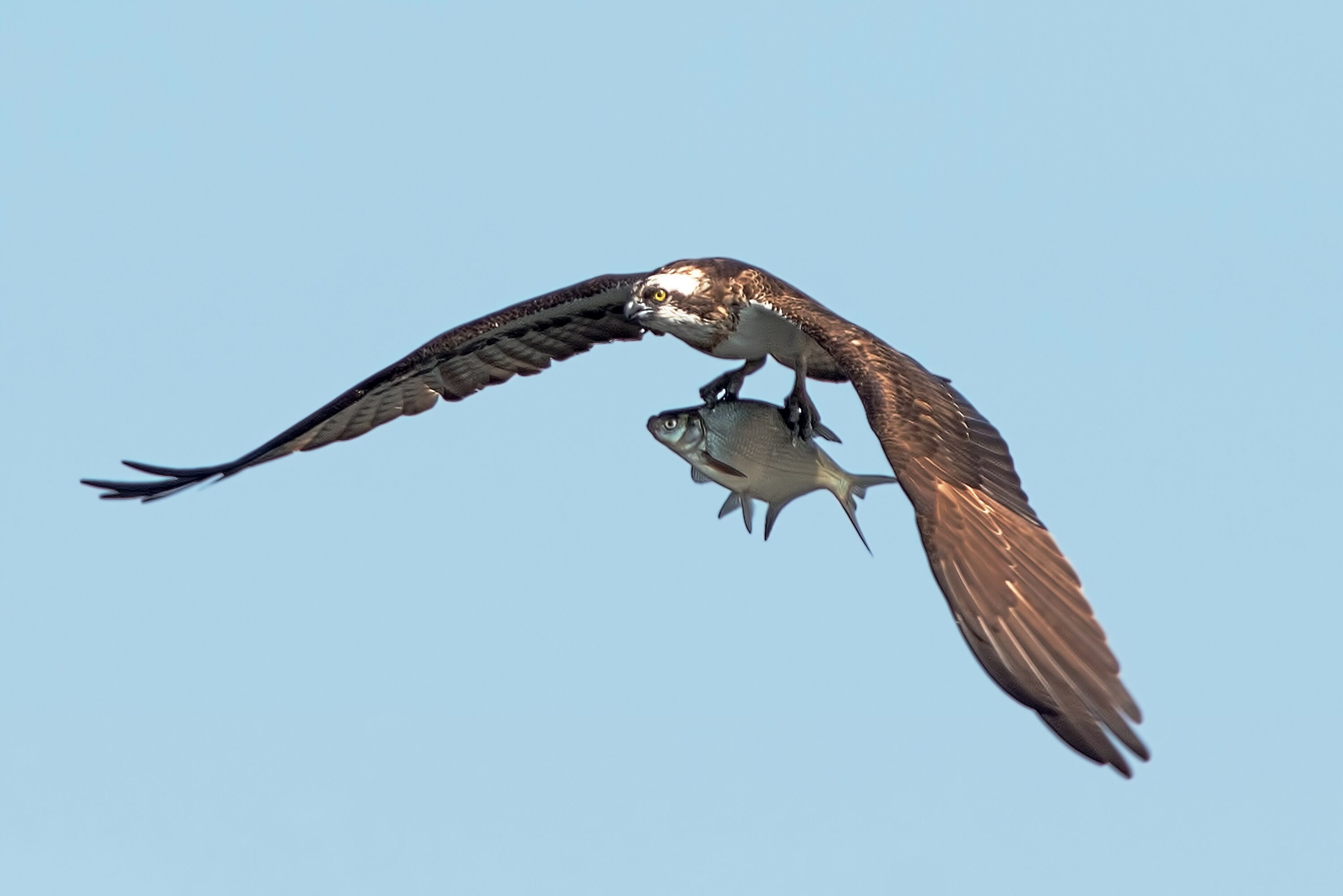
VKM: Exporting Up to 26 Osprey Young to Ireland Would Not Harm Conservation Status in Norway
VKM concluded that exporting up to 26 wild young ospreys from two Norwegian donor areas to Ireland would…
Read story →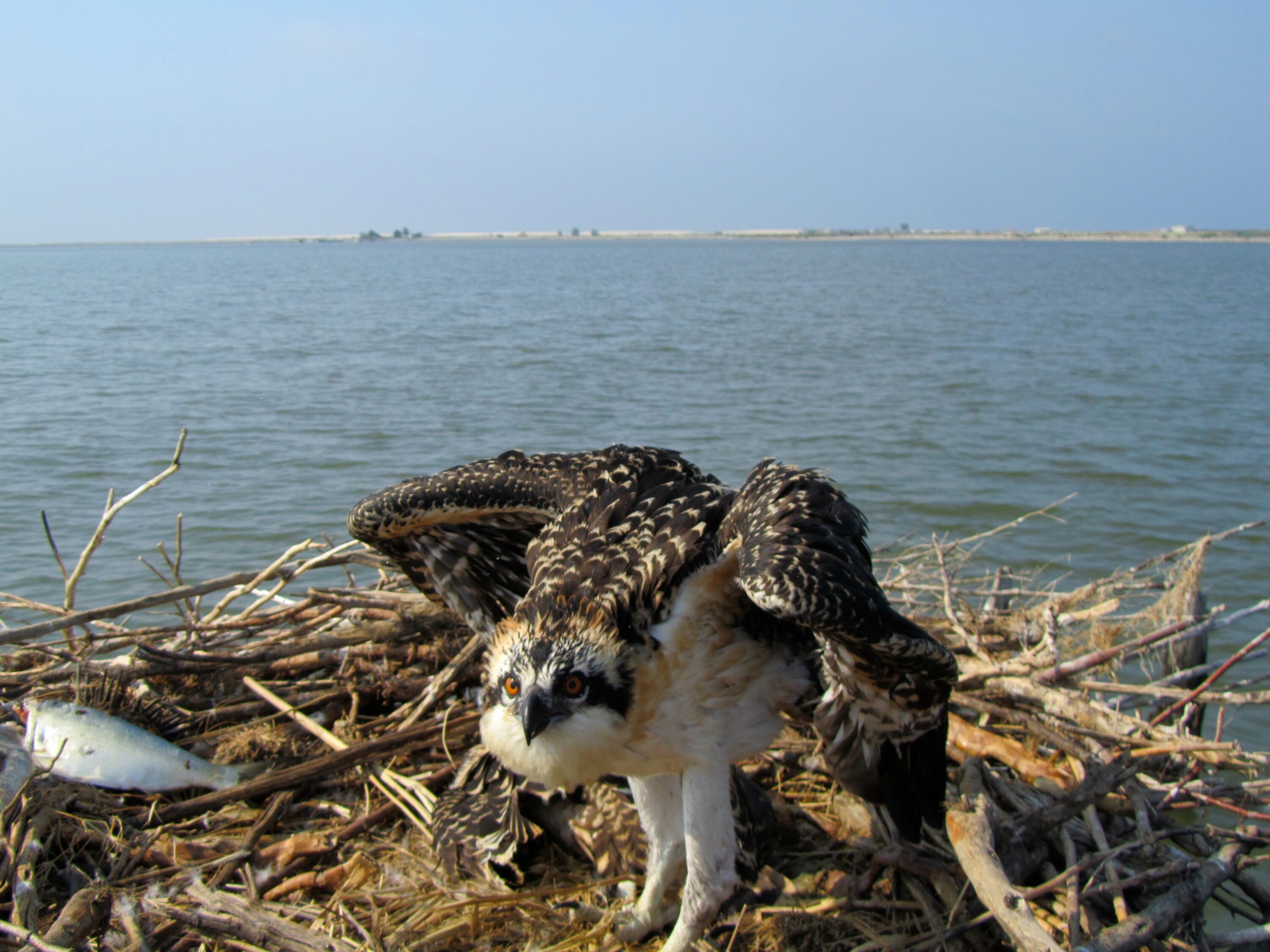
24 Osprey Chicks Fledged From 12 Rutland Nests
Rutland Osprey Project reported 24 chicks fledged from 12 nests in 2026. The season produced 14 chicks assessed…
Read story →
Ospreys Raised Three Chicks in Switzerland’s First Breeding in 112 Years
A male released by the Swiss reintroduction project and an unringed female of unknown origin raised three chicks…
Read story →SPECIES IN THIS STORY
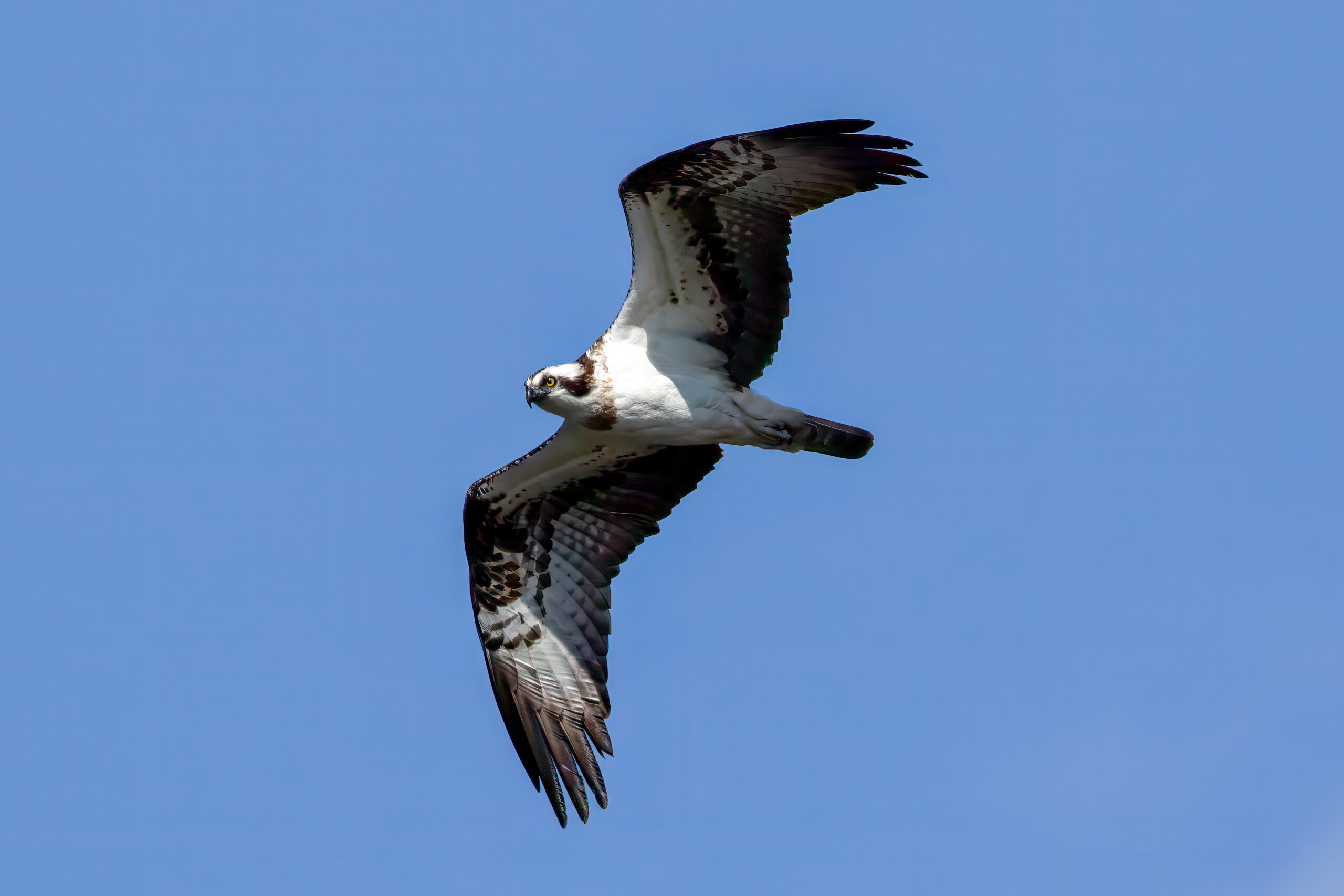
Species in this story
Independent research and conservation news archive
Did you find this information useful?
Wildlife Vagabond is independently built and maintained. Voluntary support helps cover source verification, hosting and continued work on research and conservation news.
Support Wildlife VagabondThe news archive will remain freely available.