
Rural Canada Geese Had More Distinct Bacterial DNA Variants Than Urban Birds
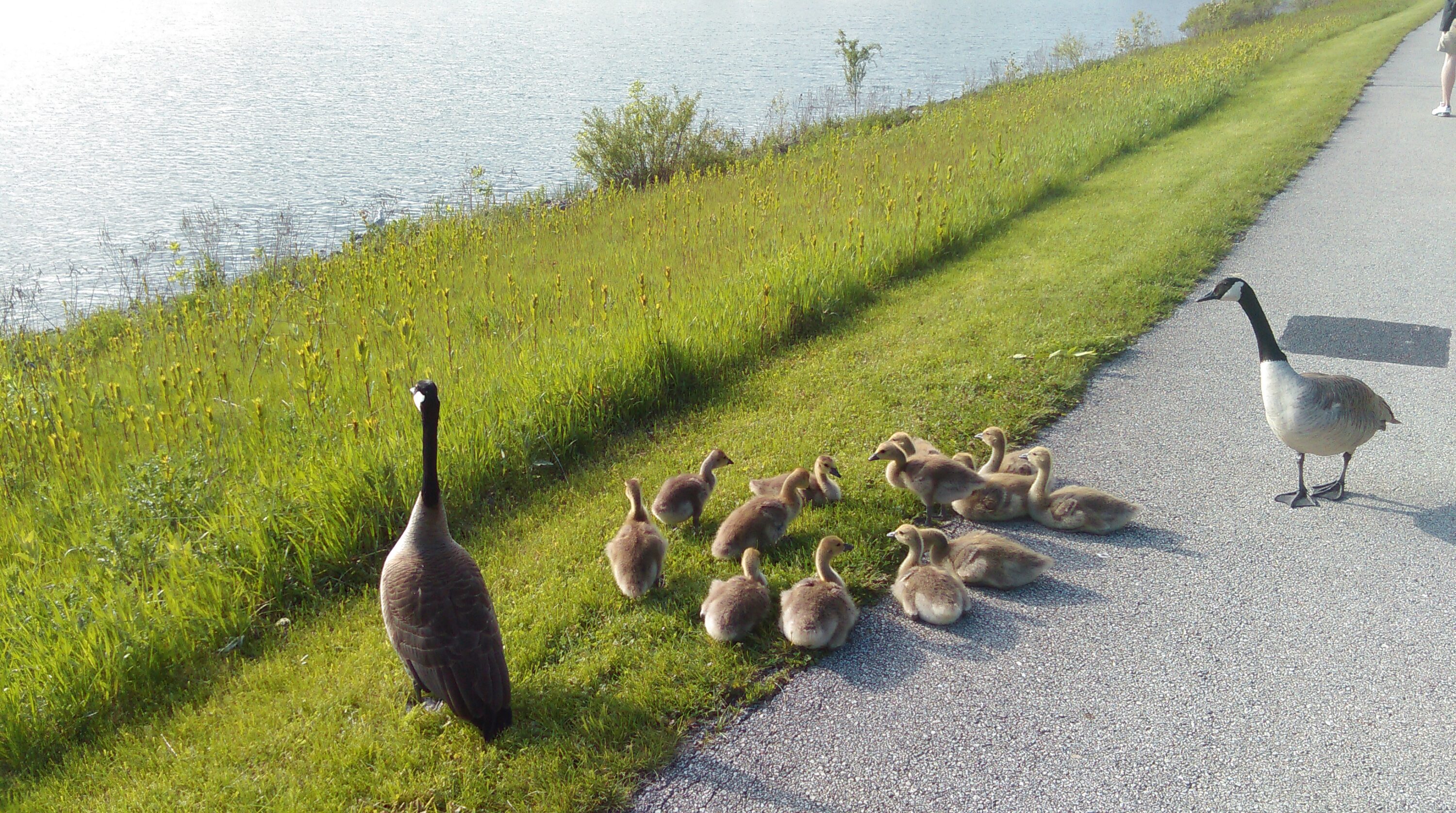
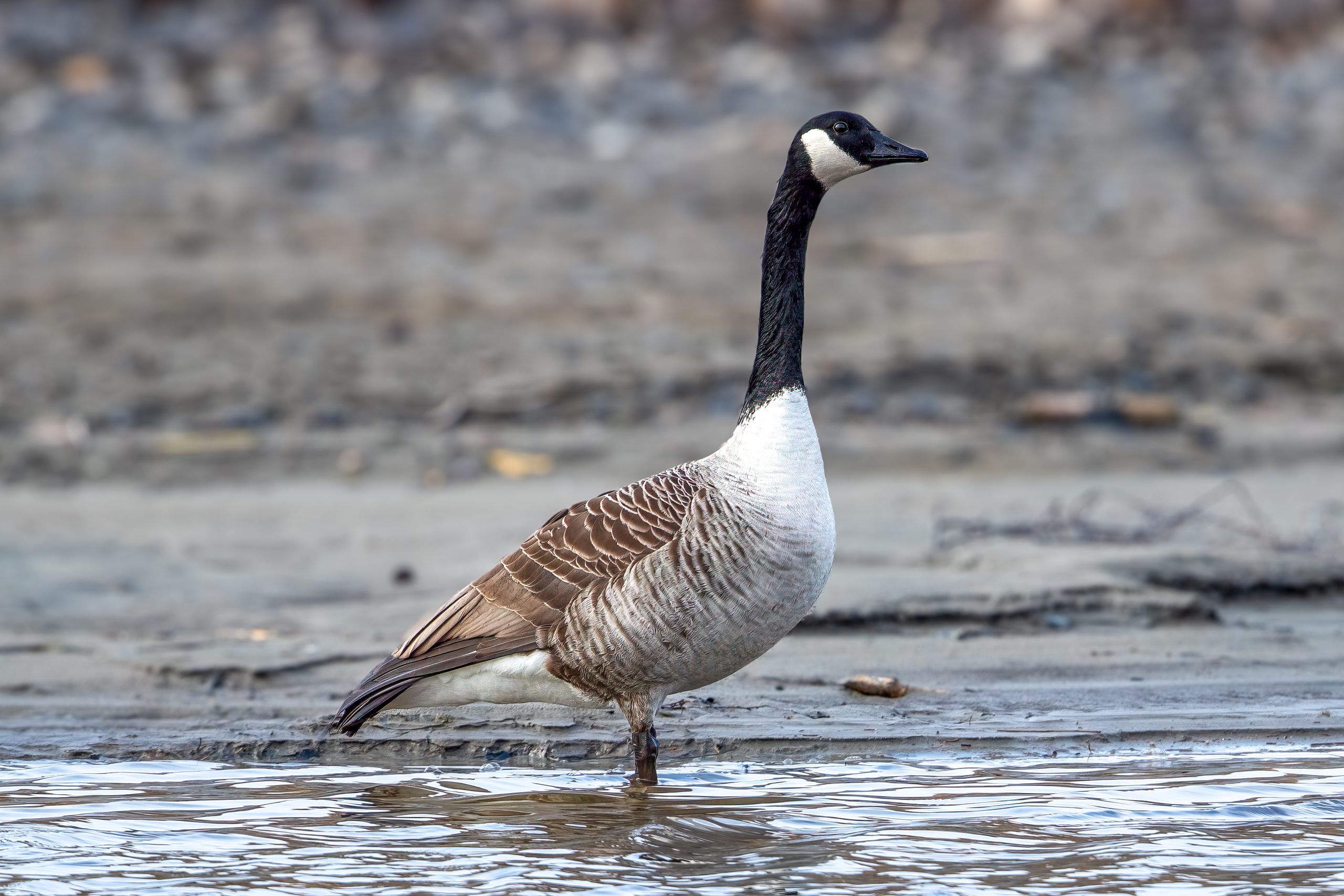
Wild Canada geese (Branta canadensis) from rural parts of Illinois, USA had more distinct bacterial DNA variants in cloacal samples than birds from urban settings, according to a study published on 17 June 2026. The cloaca is the common opening of the digestive, urinary and reproductive tracts in birds, so a swab samples microbes associated with this body opening rather than only the intestine. Researchers sampled 106 geese in eight Illinois counties during June–August 2022 and compared bacterial communities with habitat, age and sex.
Sampling took place during the state’s annual goose-banding programme. Sites were classified using human population density and the proportion of impervious surfaces: urban sites averaged 480 people per square kilometre and 50% impervious cover, while rural sites averaged ten people per square kilometre and 3% impervious cover.
Rural birds had higher bacterial richness
The team sequenced the V4 region of the bacterial 16S rRNA gene, which identifies bacterial DNA signatures but does not show whether the organisms were alive, established in the bird or capable of causing disease. An ASV is a distinct 16S DNA sequence variant used as a fine-scale marker of bacterial diversity. Rural samples averaged about 215 observed ASVs compared with about 168 in urban samples. Broader phylogenetic diversity, which measures how evolutionarily different the detected bacterial lineages are from one another, did not differ. The rural samples therefore contained more detected sequence variants, but not a wider evolutionary spread of bacterial lineages.
Community composition also varied. Host age had the strongest and most consistent association: juveniles and adults differed in all of the study’s statistical approaches. Human population density showed a weaker association that was supported in two of three analytical approaches, while sex had little relationship with bacterial composition. The samples contained both gut-associated bacteria and lineages commonly associated with plants, soil and water, consistent with the ecology of grazing geese.
The study did not measure disease risk
DNA from bacterial groups that can include opportunistic pathogens occurred at low levels, but the sequencing method could not determine strain, virulence or viability. The authors therefore caution against interpreting these detections as evidence that the birds were infected or posed a public-health threat.
The measured effects were also small. Human population density explained about 1.5% of phylogenetic community variation and age about 2.6%, while diet, waterways, geography and other unmeasured factors may account for much more. Birds from the same sites may not have been fully independent samples, so the findings should not automatically be extended beyond the sampled Illinois populations.
The study provides a baseline showing that urban and rural Canada geese can differ in bacterial richness and community composition without demonstrating a difference in health. Repeated sampling across independent sites and seasons would be needed to identify the causes of those differences and determine whether any detected microbes have consequences for birds, other animals or people.
Disease, parasites & microbiology
Related news
Seven overlaps linked wild-bird H5 clusters with poultry outbreaks in the US
Across seven periods between 2022 and 2025, clusters of H5 detections in wild waterfowl overlapped in time and…
Read story →
Adult Canada Geese Became Less Likely to Be Harvested Despite More Liberal Hunting Rules in Arkansas
From 2005 to 2020, estimated adult harvest probability declined while adult survival increased among Canada geese breeding in…
Read story →
Quebec Restored the Combined Daily Limit for Canada and Cackling Geese From Three to Five
Federal rules published on 1 July 2026 removed a temporary restriction in Quebec hunting districts A, C, D…
Read story →SPECIES IN THIS STORY
Species in this story
Independent research and conservation news archive
Did you find this information useful?
Wildlife Vagabond is independently built and maintained. Voluntary support helps cover source verification, hosting and continued work on research and conservation news.
Support Wildlife VagabondThe news archive will remain freely available.