
Near-Complete Sumatran Tiger Genome Assembly Covered 17 of 19 Chromosomes From End to End
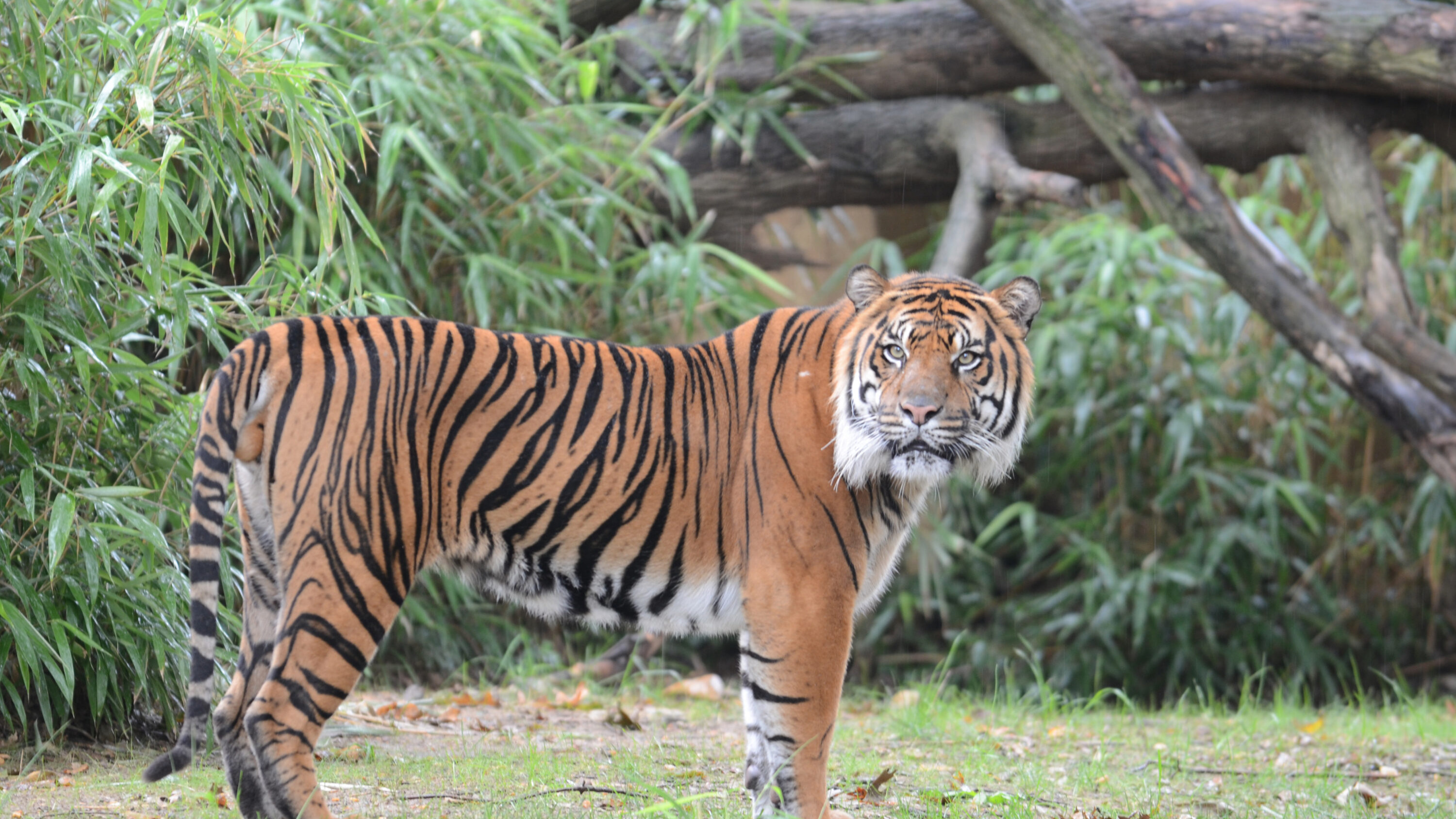
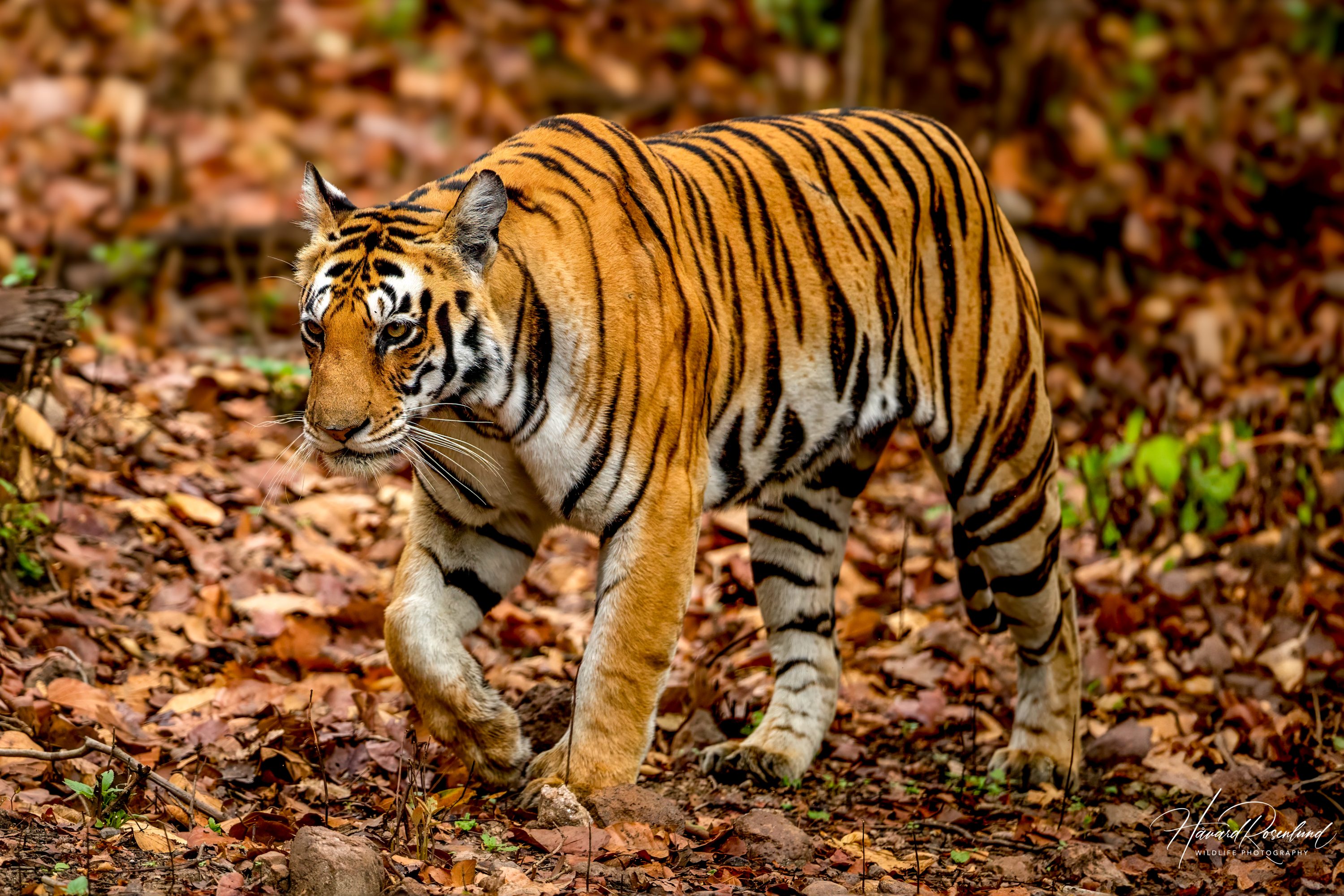
Researchers have produced the first almost complete telomere-to-telomere genome assembly for the sumatran tiger (Panthera tigris sumatrae). The study, published on 21 March 2026 in BMC Genomics, used long-read Oxford Nanopore sequencing to build a substantially more continuous genomic reference for the subspecies.
Telomeres are repetitive DNA sequences at the ends of chromosomes. A telomere-to-telomere, or T2T, assembly aims to reconstruct an entire chromosome continuously from one end to the other, including repetitive regions that are difficult to assemble with shorter DNA reads.
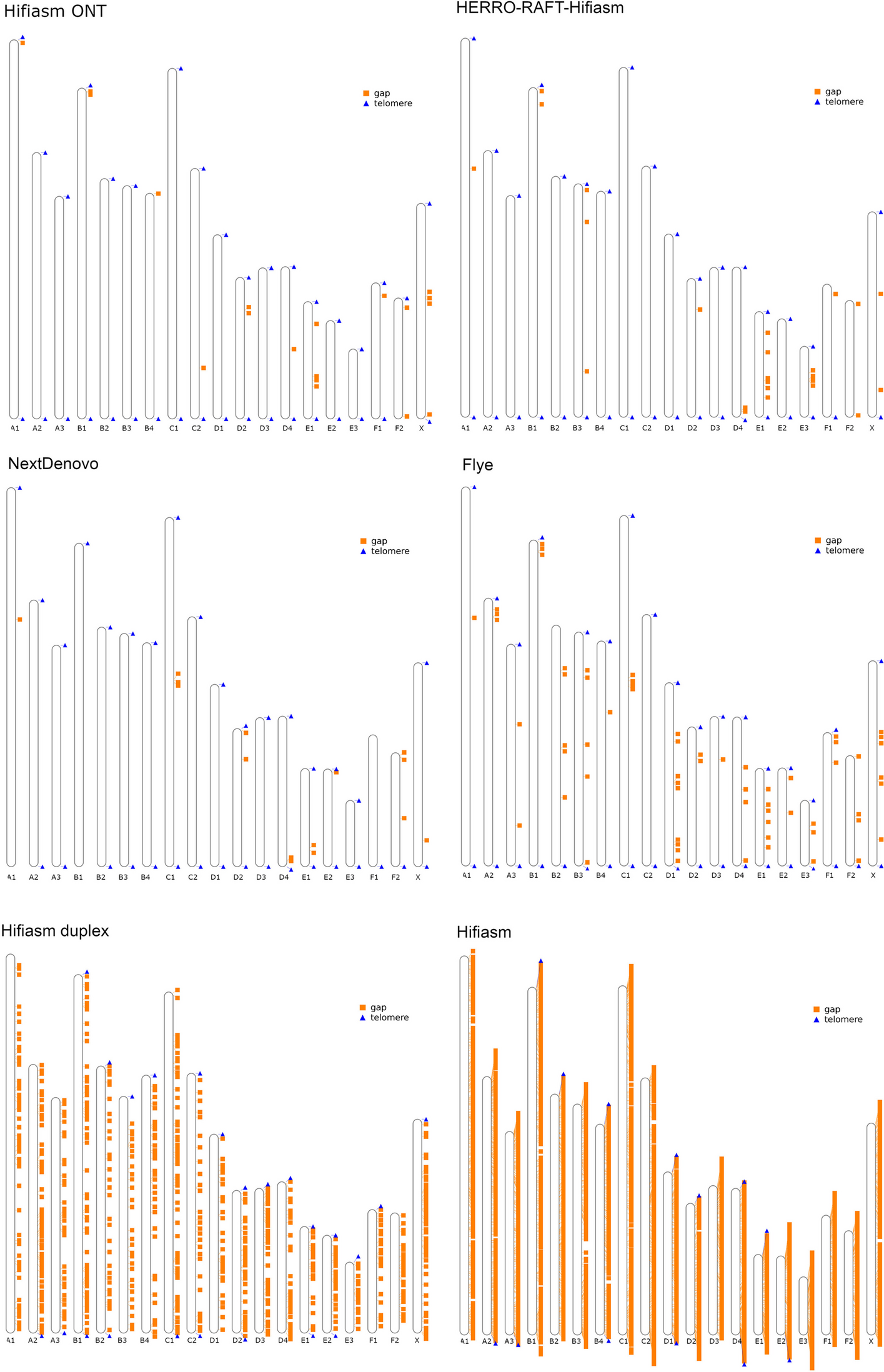
The researchers generated high-coverage Nanopore long-read data and compared several ways of correcting sequencing errors and assembling the reads. Error correction was crucial: three of the best-performing approaches initially produced nine chromosomes as single, gapless T2T contigs — continuous DNA sequences extending from one telomere to the other. The authors argue that improved error correction could make highly complete reference genomes simpler and less costly to produce using a single widely available sequencing technology.
Seventeen of 19 chromosomes reached both telomeres
After the contigs were ordered and linked into chromosome-scale scaffolds using the published tiger genome as a guide, two of the strongest assemblies had 17 of the 19 tiger chromosomes represented from telomere to telomere. The previously published tiger reference had only one chromosome assembled from one telomere to the other as a single contig. An independent method based on three-dimensional DNA contacts also recovered all 19 chromosome types and found no indication of major large-scale errors in the selected assembly.
The assembly also revealed genes and potential structural differences
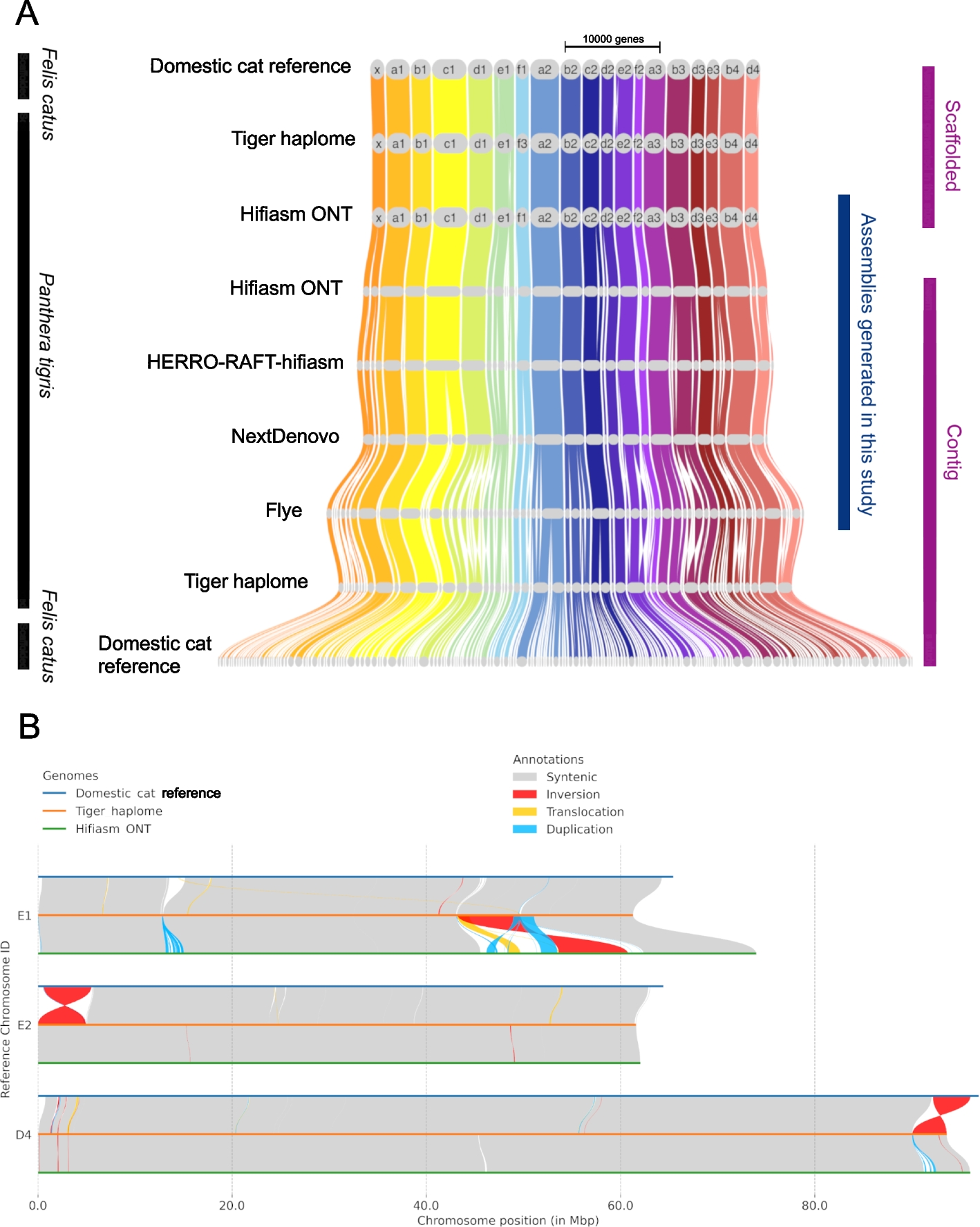
Genome annotation — identifying likely genes and their positions in the assembled DNA — predicted 23,737 complete genes. The comparison with domestic cat and the earlier tiger reference also supported two large suspected chromosomal inversions, regions where a stretch of DNA occurs in the opposite orientation. One inversion contained MAN1B1, involved in glycoprotein breakdown, together with DPP7 and UAP1L1, genes linked to immune or cell-survival processes in other mammals. The authors suggest that such regions could contribute to functional differences between domestic cats and tigers, while stressing that several additional apparent rearrangements in the Sumatran tiger assembly may still reflect assembly error and need further investigation.
The DNA came from a residual blood sample collected for clinical purposes from an adult female sumatran tiger at Twycross Zoo in the United Kingdom in 2020. The sample was later donated for genome sequencing; the study did not involve an experimental procedure performed for the genomic research itself.
The authors say the near-complete reference can provide a basis for identifying deleterious alleles — gene variants that may reduce health or fitness — maintaining genetic variation and informing mate selection in captive sumatran tiger populations.
Genetics & genomics
Related news
mFISH Mapped 16 of 22 Rhesus Macaque Chromosome Types to a Single Human Chromosome
Human chromosome-painting probes showed one-to-one homology for 16 of 22 rhesus macaque chromosome types, while three macaque chromosomes…
Read story →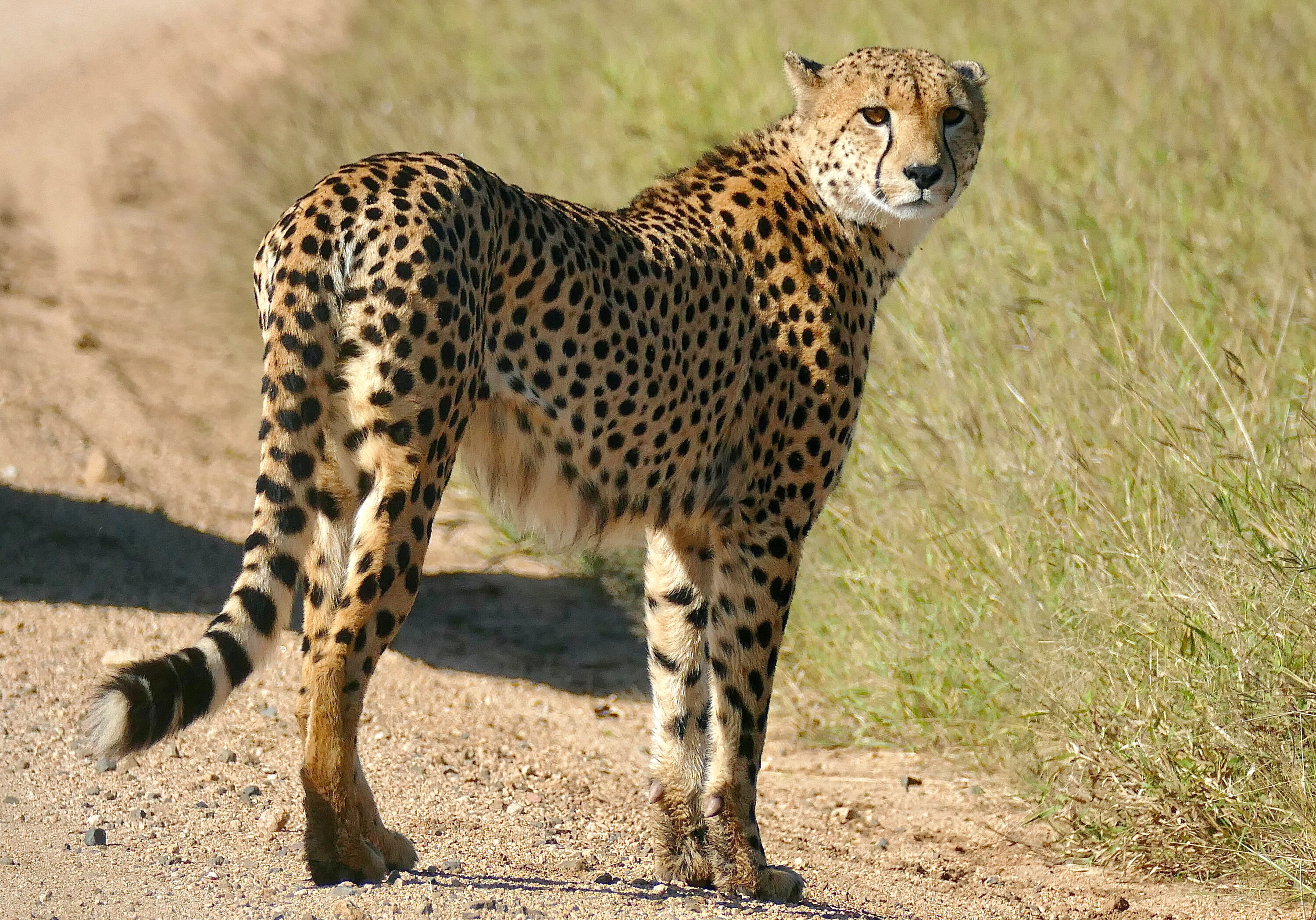
DNA Methylation Shifted as Namibian Male Cheetahs Became Territorial
Paired blood samples from ten free-ranging Namibian males revealed widespread, predominantly increased DNA methylation after the same cheetahs…
Read story →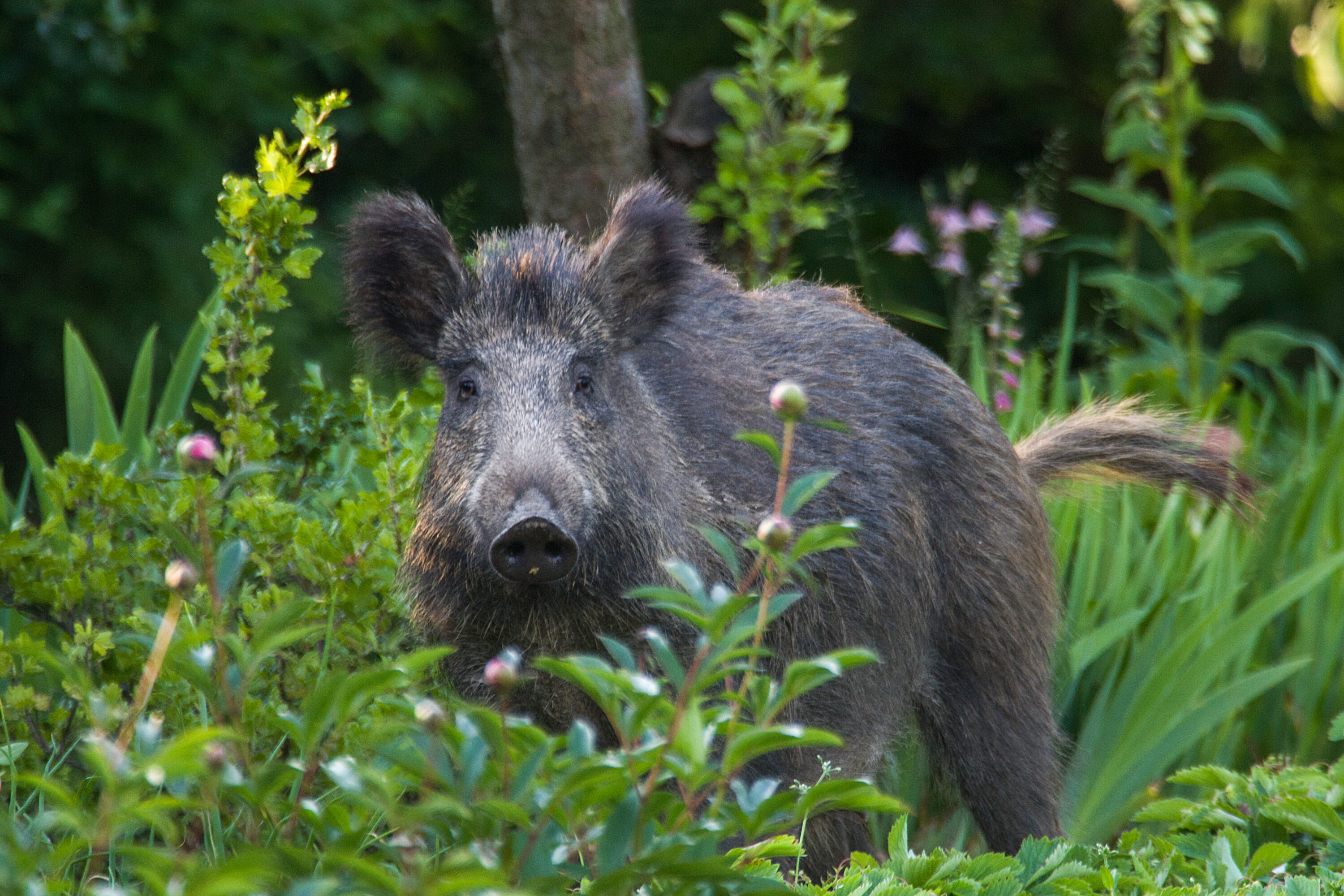
Zoonotic Sarcocystis Found in 3.3% of Polish Wild Boar Hunted for Food
Molecular testing of 241 wild boar from all 16 Polish provinces found Sarcocystis miescheriana DNA in 90% and…
Read story →SPECIES IN THIS STORY
Species in this story
Independent research and conservation news archive
Did you find this information useful?
Wildlife Vagabond is independently built and maintained. Voluntary support helps cover source verification, hosting and continued work on research and conservation news.
Support Wildlife VagabondThe news archive will remain freely available.